
[[bpstrwcotob]]
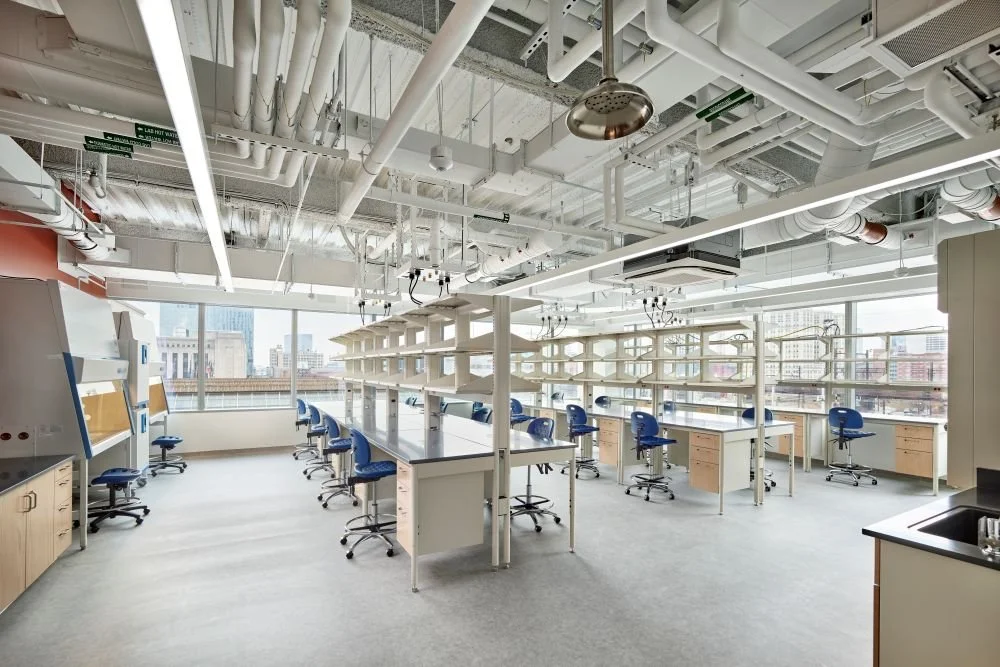
Building Labs That Grow With Startups
Life sciences incubators give emerging companies access to flexible laboratory space, shared equipment, operational support, and collaborative networks designed to help them grow

What Makes a Lab Building Competitive Today?
Why are some research buildings attracting tenants while others remain vacant?

Engineering the Vanguard: UK Backs £580M Infrastructure Upgrade for New Biodefense Lab
A £580M capital investment at the secretive Wiltshire site will deliver the Ernest Bevin Laboratory to combat evolving global biological threats
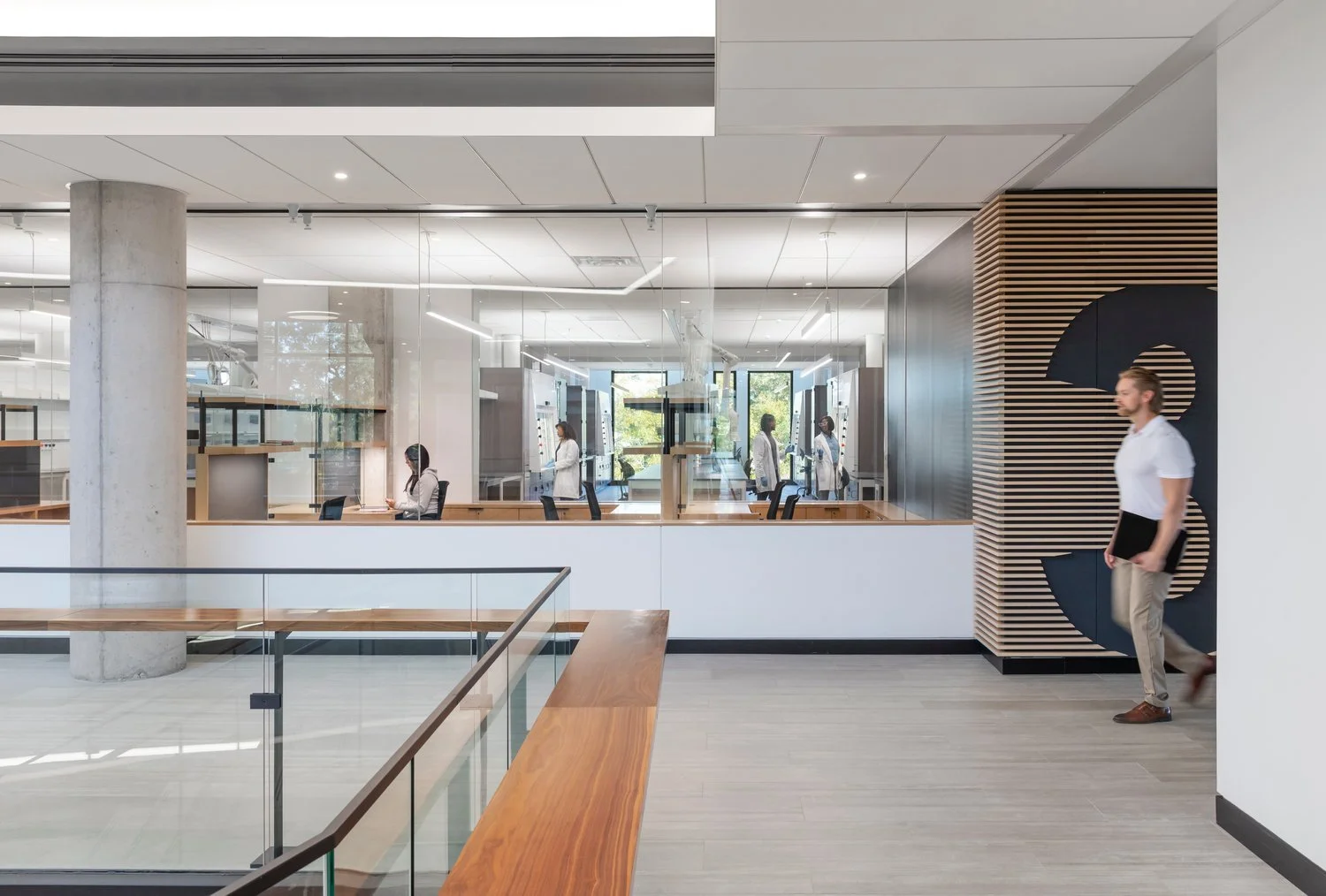
FSU’s New Research Hub Breaks Down Silos to Drive Discovery
Florida State University’s Interdisciplinary Research & Commercialization Building is designed to support multiple research fields through adaptable labs, collaboration-focused planning, and vibration-controlled infrastructure for sensitive quantum research

The Next Wave of Research at the Whitney Laboratory for Marine Bioscience
The University of Florida’s Whitney Marine Research Center in St. Augustine doubles research capacity with a flexible, collaborative design that advances marine science, resilience, and community engagement
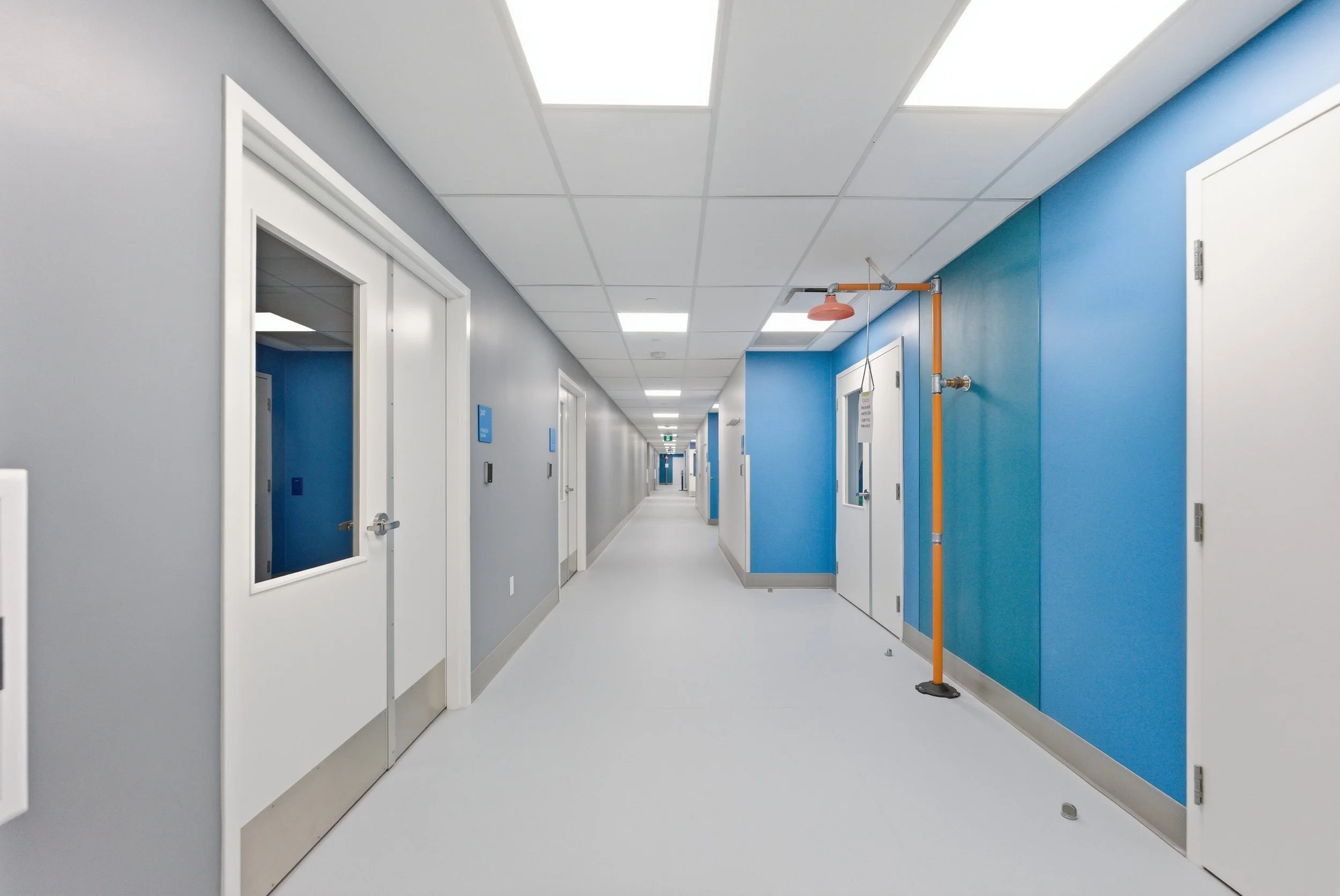
A Turnkey Approach to Scaling Life Sciences
The adMare M4 Innovation Centre demonstrates a turnkey, modular approach to life sciences lab design that combines flexible pod-based spaces, shared infrastructure, and close interdisciplinary coordination to enable fast, scalable, and move-in ready environments that help early-stage companies focus on scientific discovery and growth rather than construction
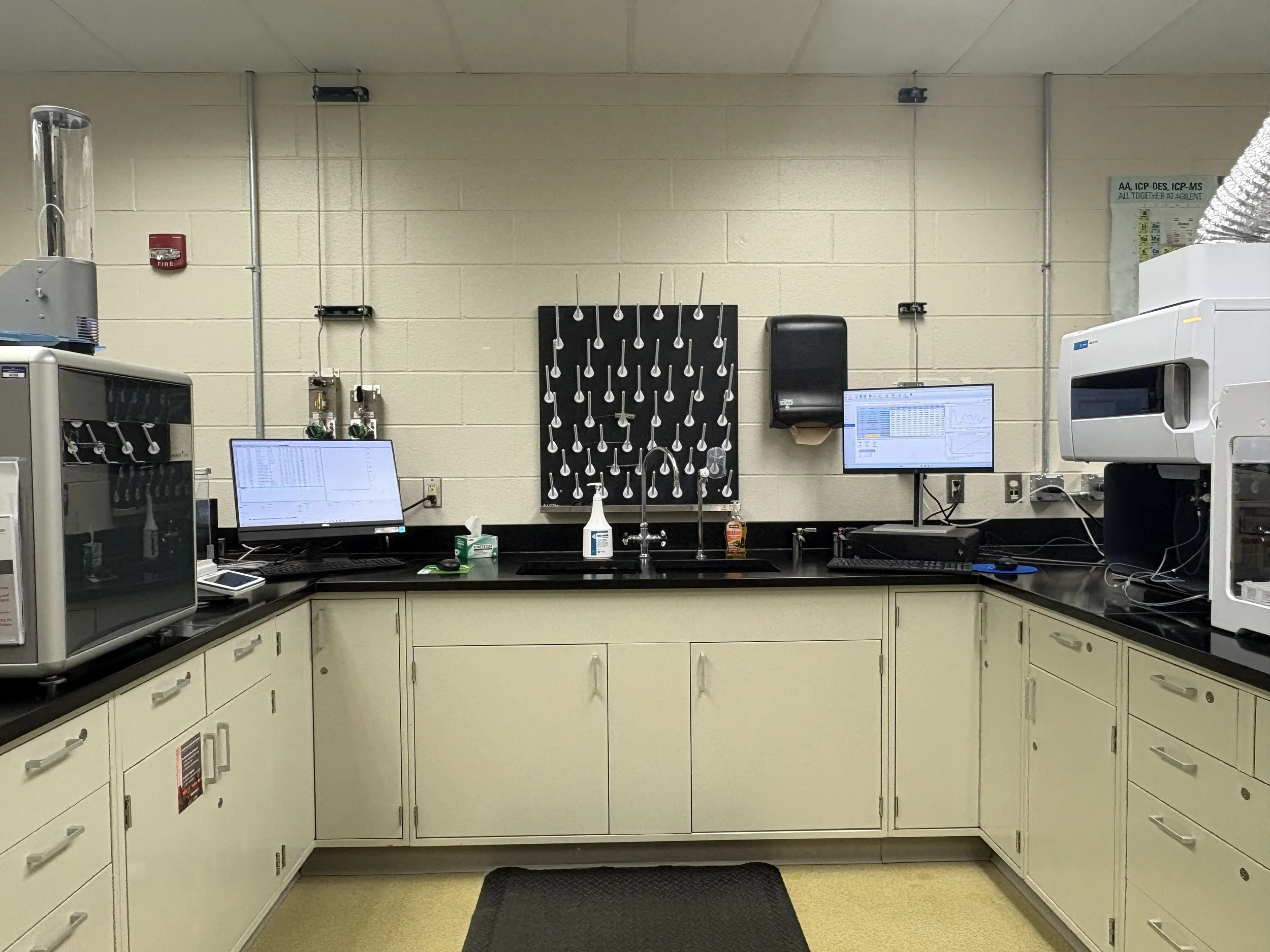
Supporting the Circular Economy with a Next-Gen Testing Lab
Driven by lessons learned from inefficient workflows, UW–Stevens Point's new Compostability Testing Laboratory combines user-centered design, flexible infrastructure, and specialized testing environments to create a more efficient and adaptable research facility

Connecting Campus and Community at George Mason University: Special Mention—Campus to Community Integration
The Life Sciences and Engineering Building at George Mason University redefines academic lab design by using transparency, shared interdisciplinary spaces, and community-facing features to seamlessly connect campus research with public engagement and regional innovation
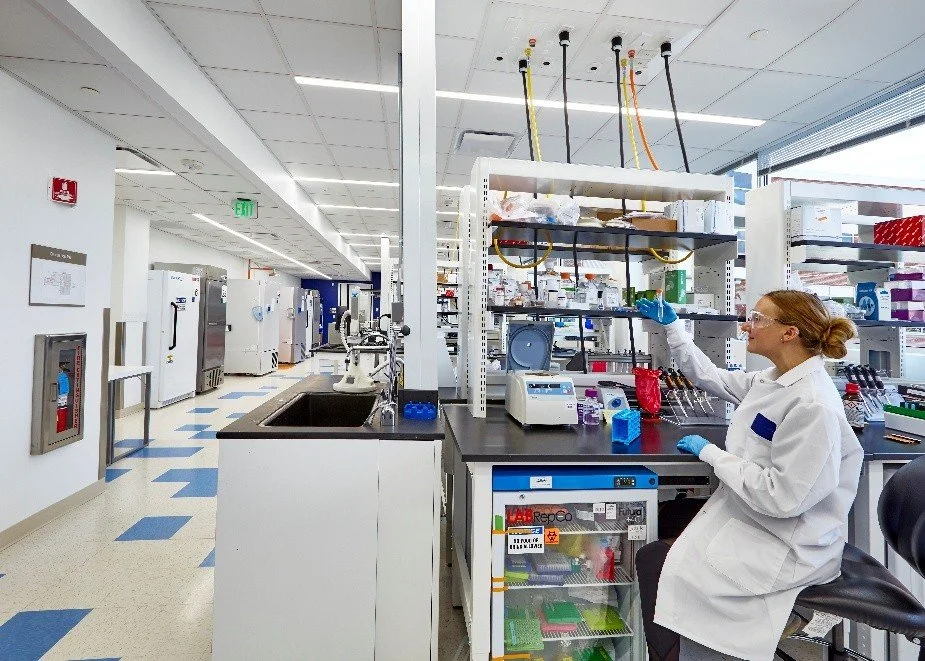
High-Performance Labs, Right-Sized Budgets: The Value Design Approach
Replacing traditional cost-cutting value engineering with a proactive, collaborative value design approach enables science and technology facilities to optimize performance, flexibility, and lifecycle costs from the outset
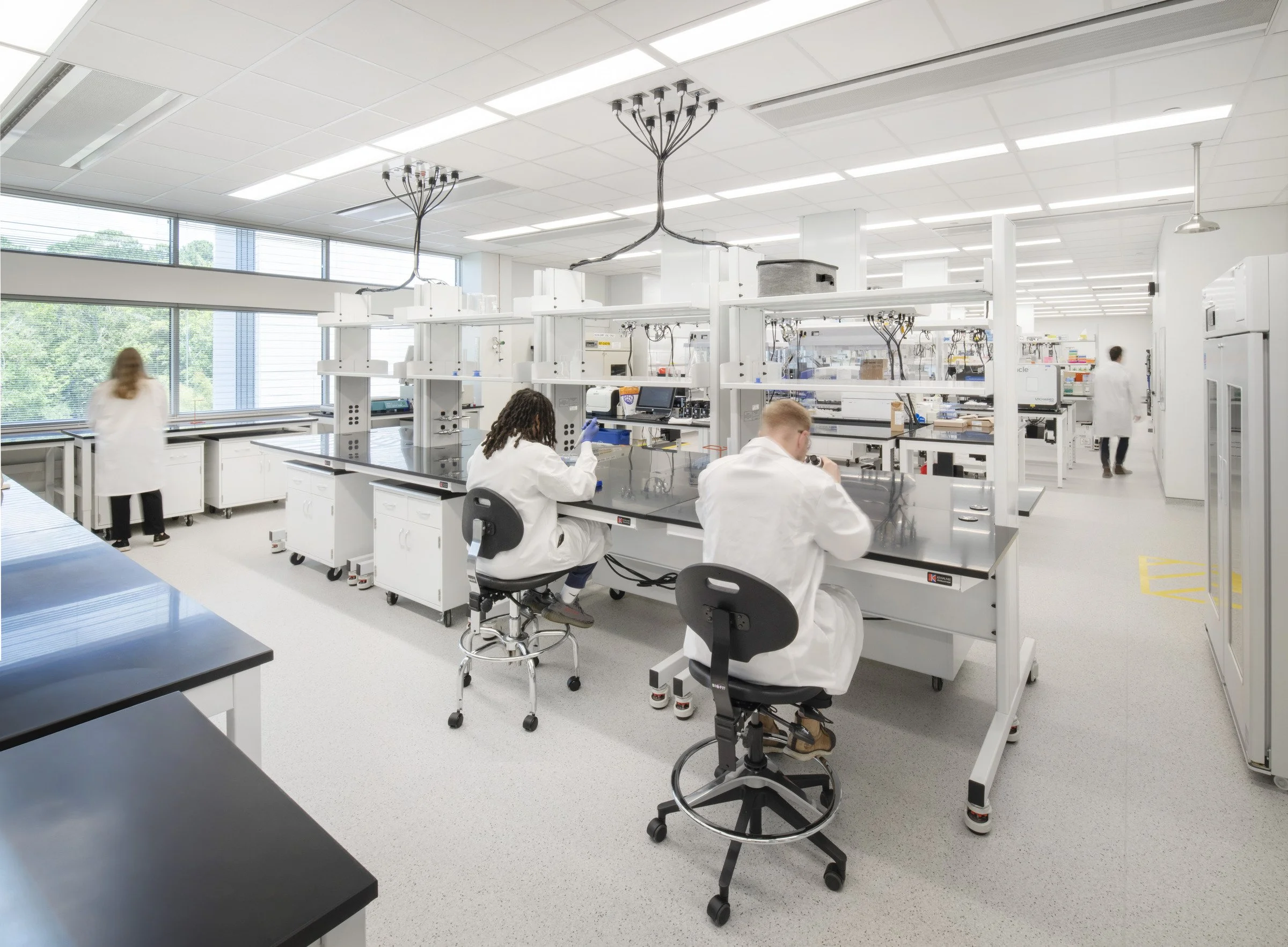
The Science of Today’s Lab Design: Creating Shared and Versatile Spaces
Laboratories are increasingly being designed as flexible, long-term assets using “long life, loose fit” principles—emphasizing modular layouts, shared resources, and adaptable infrastructure—to accommodate evolving research needs and multi-tenant use