
[[bpstrwcotob]]
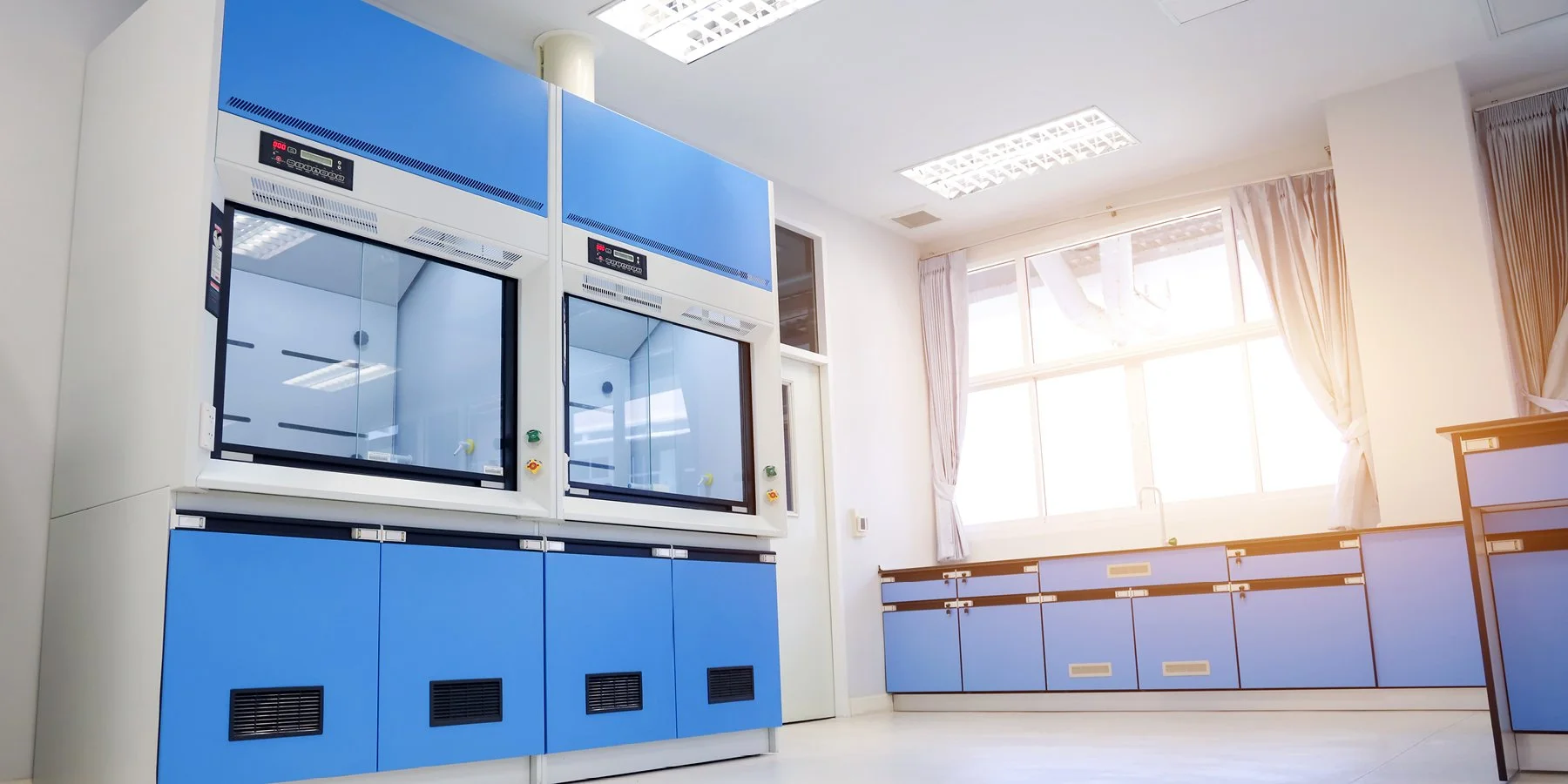
Beyond the Fume Hood: Strategies for Safer, More Efficient Lab Ventilation
Is your laboratory getting the most from its fume hoods? Learn how design, HVAC systems, maintenance, and user behavior can make a difference

Demand Response in Critical Environments: Can Cleanrooms and Labs Participate Safely?
Demand response can offer energy savings for laboratories and cleanrooms, but only when supported by rigorous planning, risk assessment, commissioning, and safeguards that protect safety and research operations
Smarter Hazmat Planning Starts Before Design Begins
From chemical inventories and hazardous material workflows to laboratory suites and AHJ collaboration, BWBR's Nate Roisen and Kat Lauer explored how proactive planning can create safer, more adaptable laboratory facilities at the 2026 Lab Design Conference
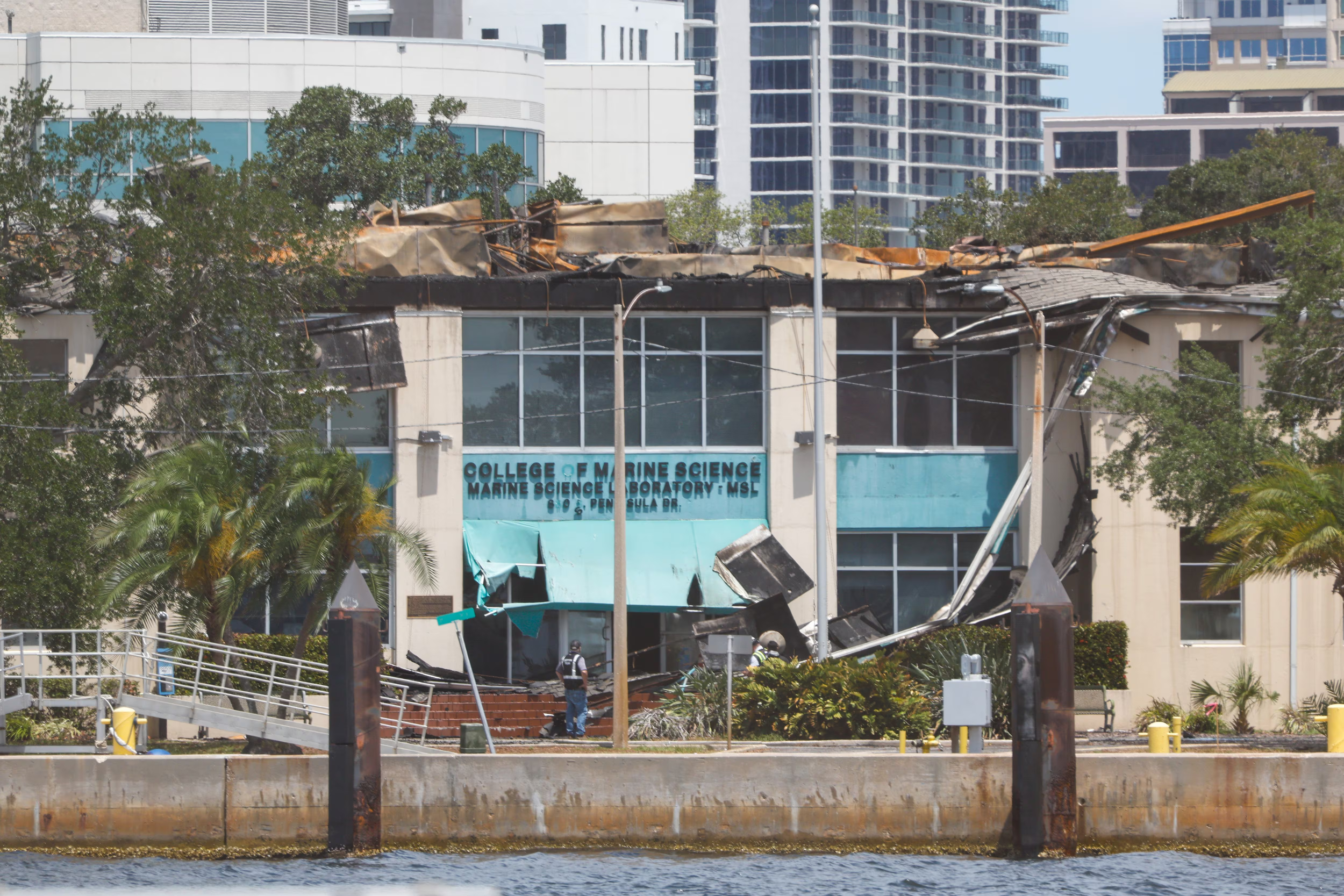
Structural and Operational Lessons from the USF Marine Lab Fire
A devastating lightning fire forces the University of South Florida to navigate complex facility relocation, insurance assessments, and the reconstruction of bespoke academic infrastructure
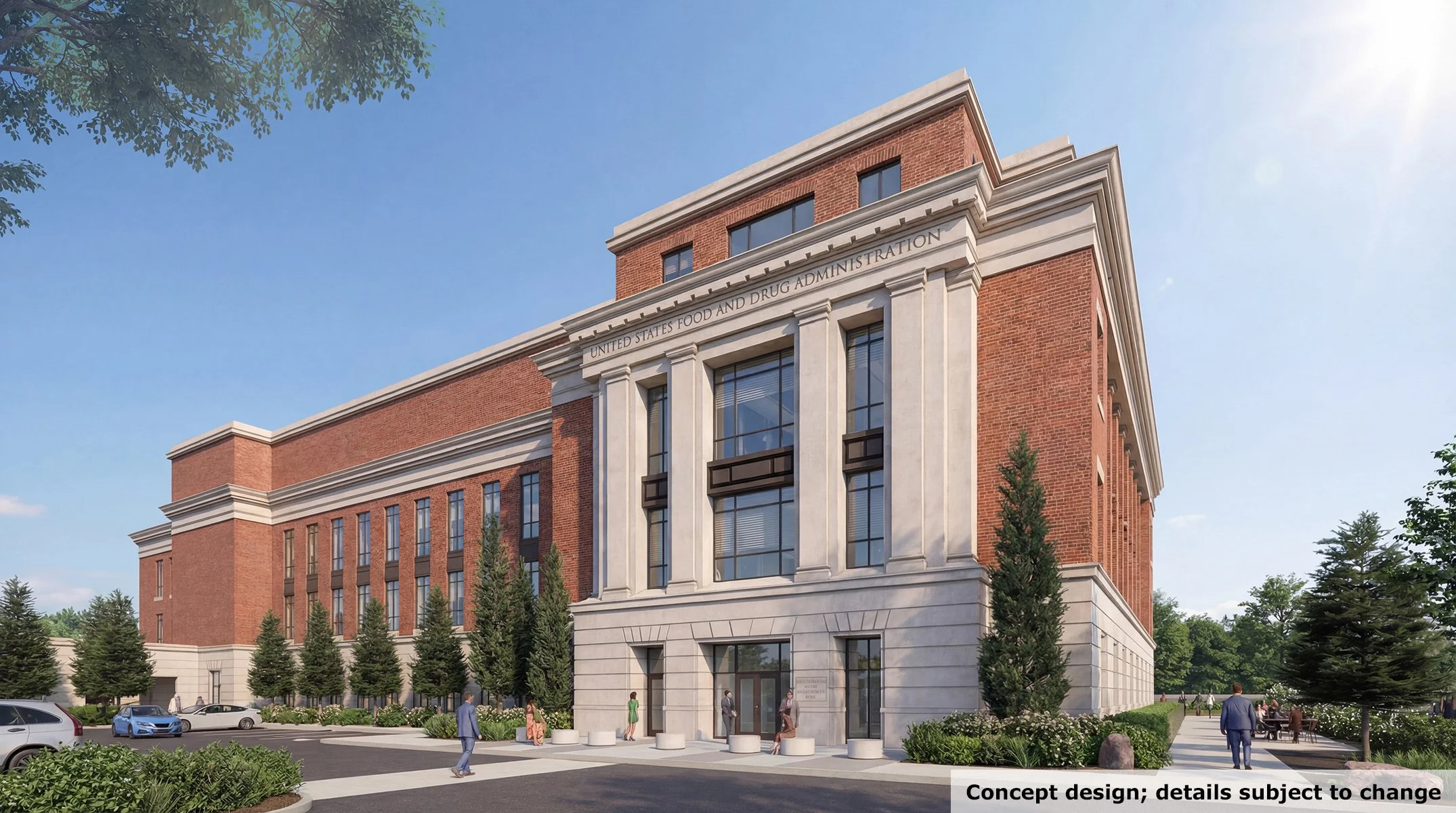
GSA and FDA Break Ground on $228M BSL-3 Food Safety Lab in Denver
The $228 million Denver Federal Center project introduces the FDA's only Biosafety Level 3 facility west of the Mississippi, blending advanced containment engineering with classical civic design
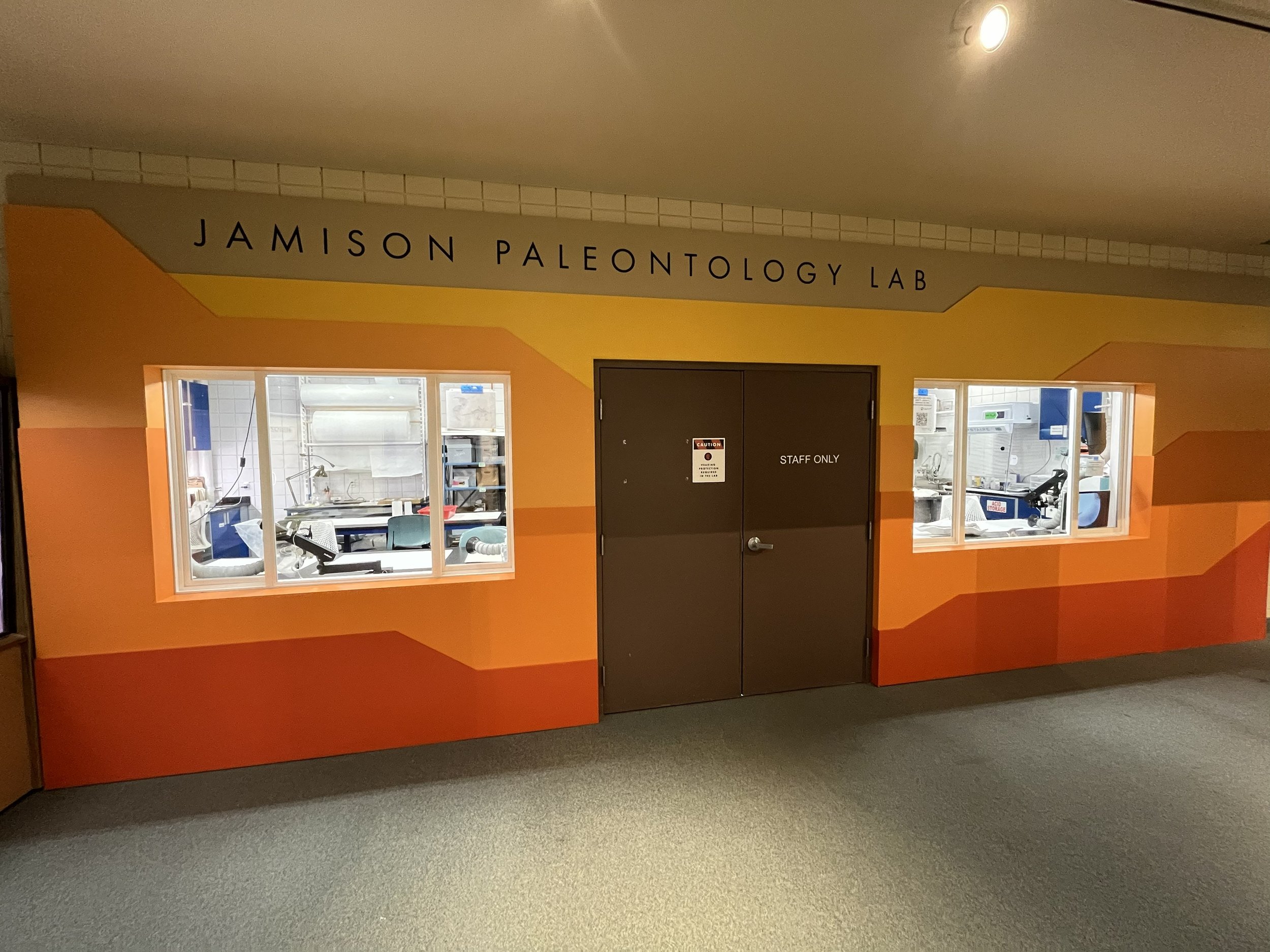
From Vision to Reality: USU Eastern Opens New Paleontology Lab
USU Eastern’s lab management team led a largely hands-on, user-driven renovation that transformed an outdated fossil preparation space into a modern, flexible, safety-focused laboratory that actively engages both users and public observers while strengthening scientific workflow and visibility

Design Decisions That Protect Critical Environments
By integrating contamination control into early design decisions, laboratories can better align human behavior, facility performance, and operational resilience
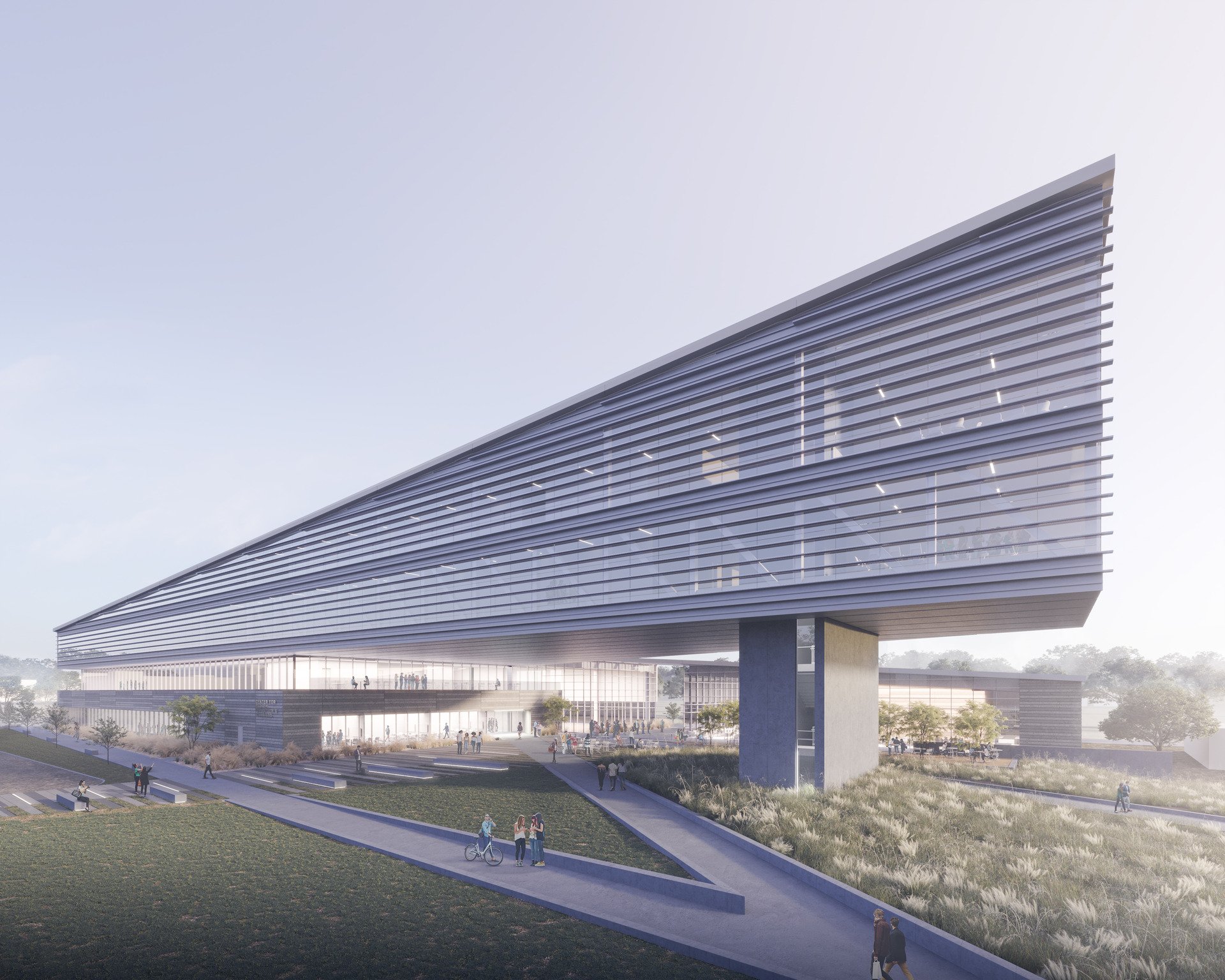
Rapid Response, Lasting Asset: LSU Health’s EVT Wins Excellence in Small Project Design
The LSU Health Shreveport Center for Emerging Viral Threats demonstrates how a tightly integrated, budget-conscious design successfully delivered a flexible, high-containment BSL-2/BSL-3 laboratory that earned recognition for Excellence in Small Project Design
Hands-On Workshops Kick Off Lab Design Conference
The 25th annual Lab Design Conference opened in Orlando with three interactive workshops that gave lab project teams, end users, and industry partners hands-on strategies for addressing key challenges in laboratory planning and design