
[[bpstrwcotob]]
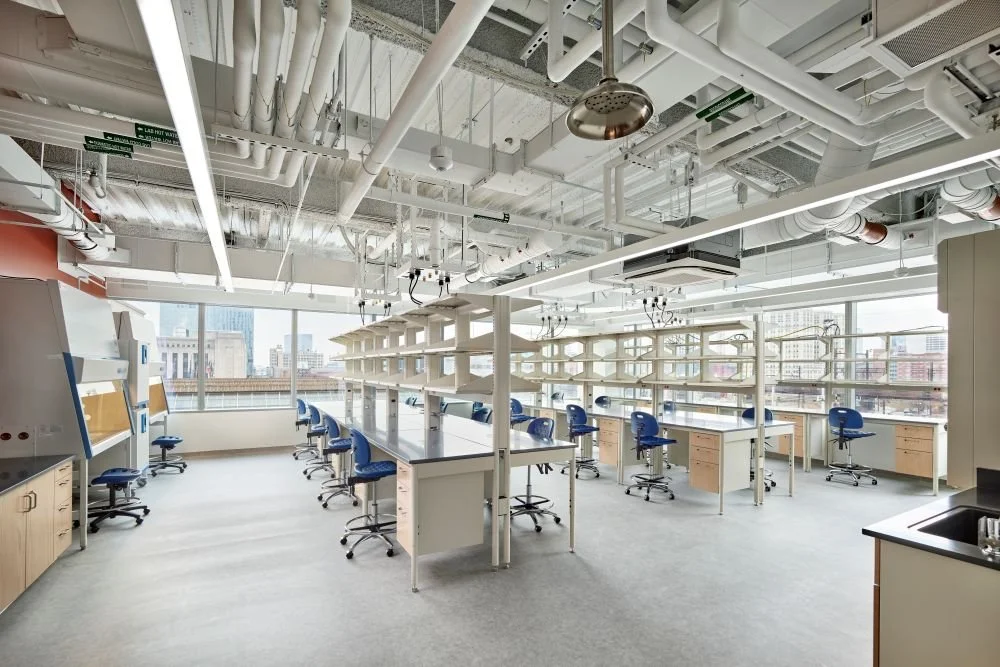
Building Labs That Grow With Startups
Life sciences incubators give emerging companies access to flexible laboratory space, shared equipment, operational support, and collaborative networks designed to help them grow
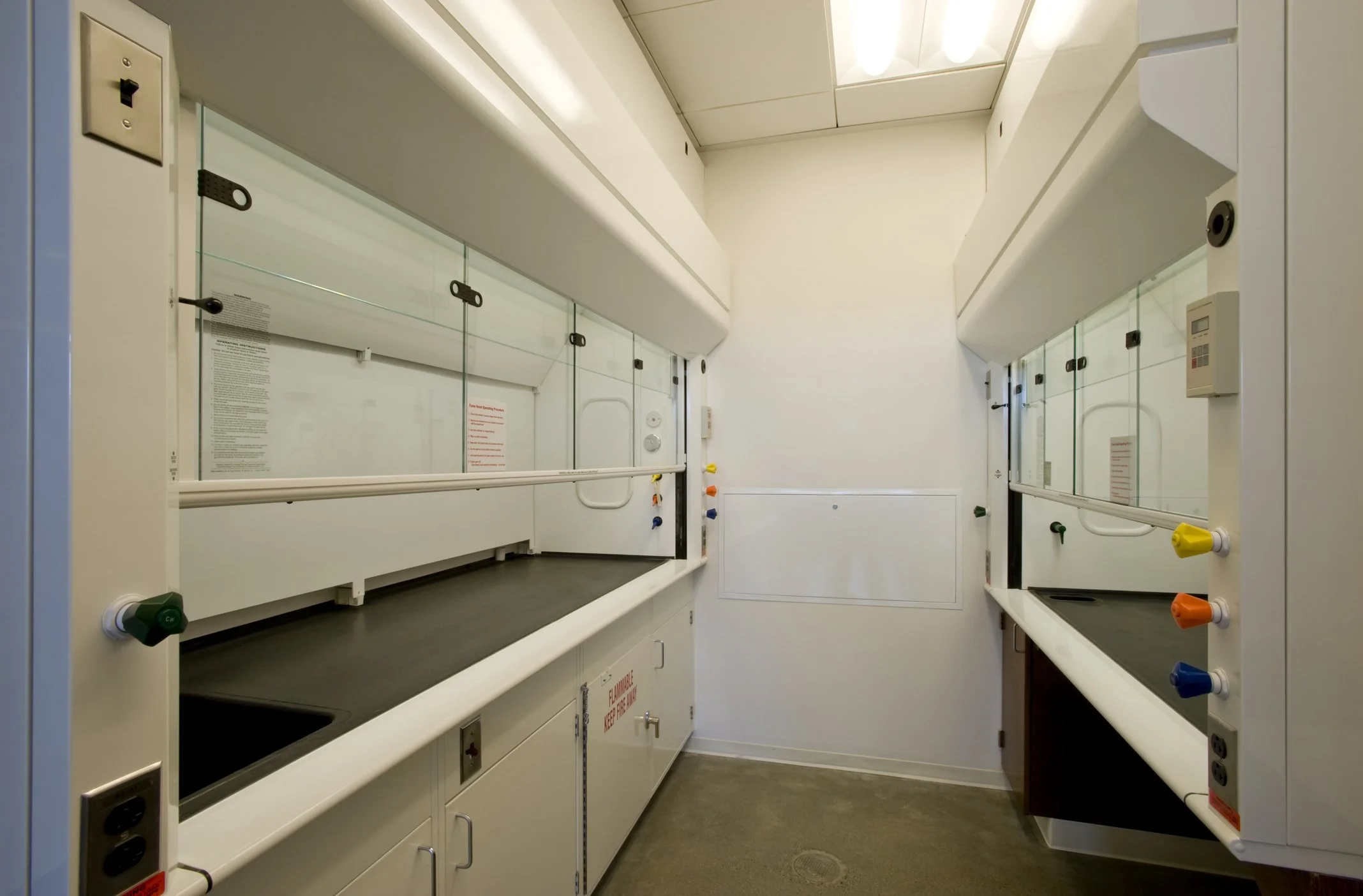
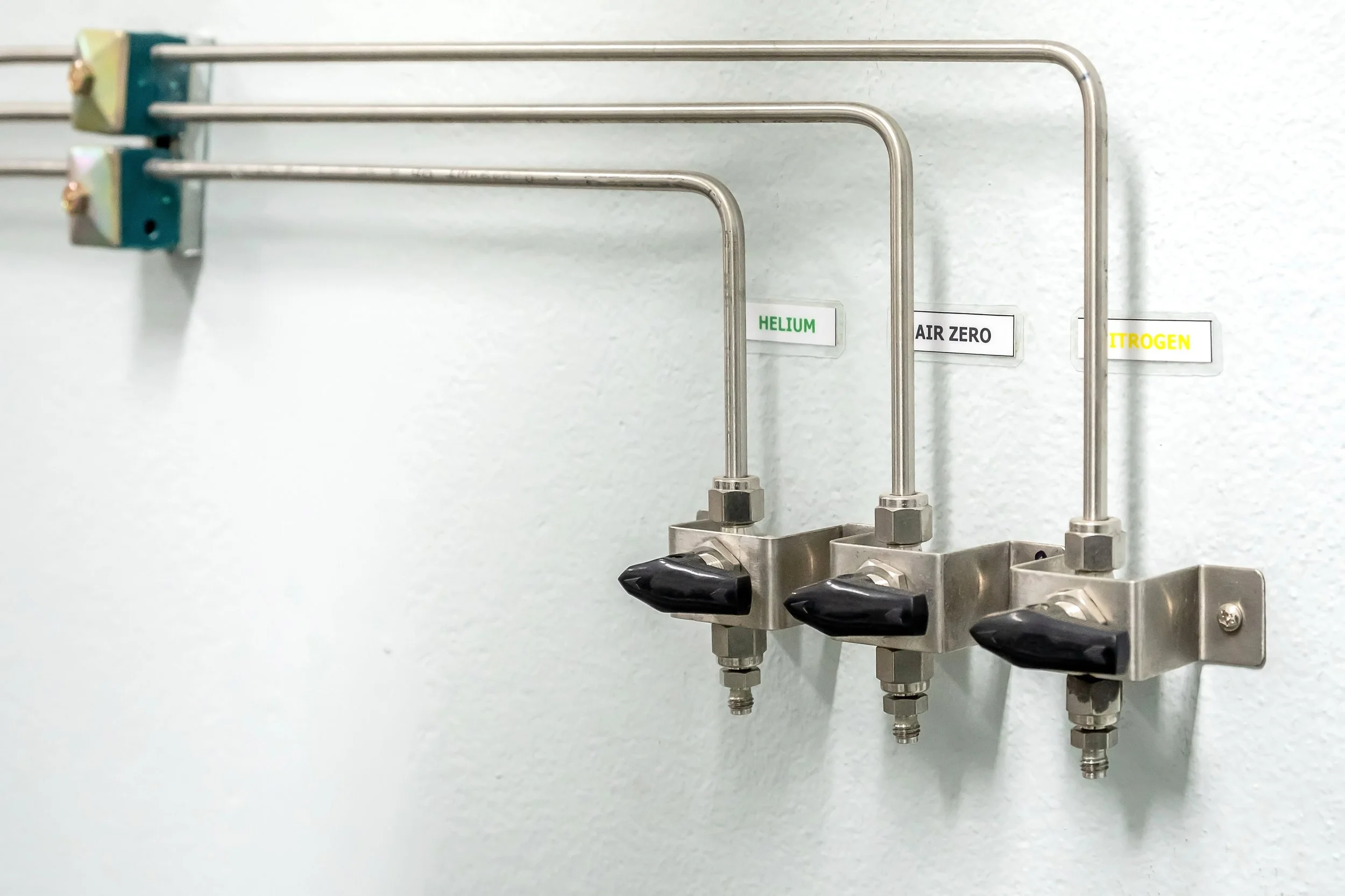
Beyond Equipment: The Hidden Impact of Laboratory Infrastructure
How integrated infrastructure helps laboratories improve safety and sustainability

Building Tomorrow's Lab Design Leaders
As senior leaders prepare for retirement and new roles, science and technology firms are embedding mentorship, knowledge sharing, and leadership development into everyday practice to build the next generation of laboratory design leaders
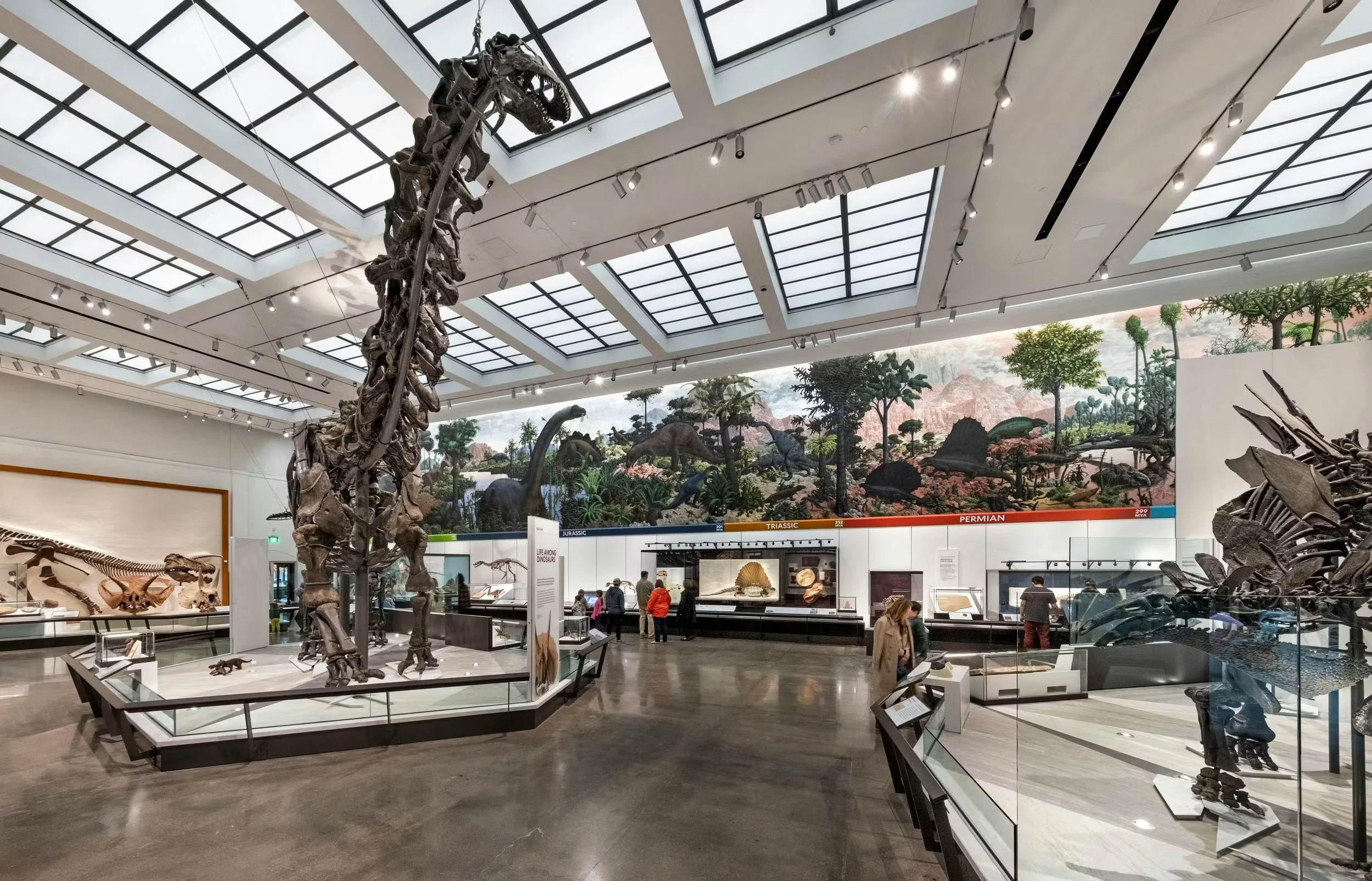
Yale Peabody Museum Expansion Wins AIA Award for Design Excellence
The award-winning Yale Peabody Museum expansion demonstrates how thoughtful laboratory planning, advanced building systems, and historic preservation can come together to create next-generation research environments

What Makes a Lab Building Competitive Today?
Why are some research buildings attracting tenants while others remain vacant?
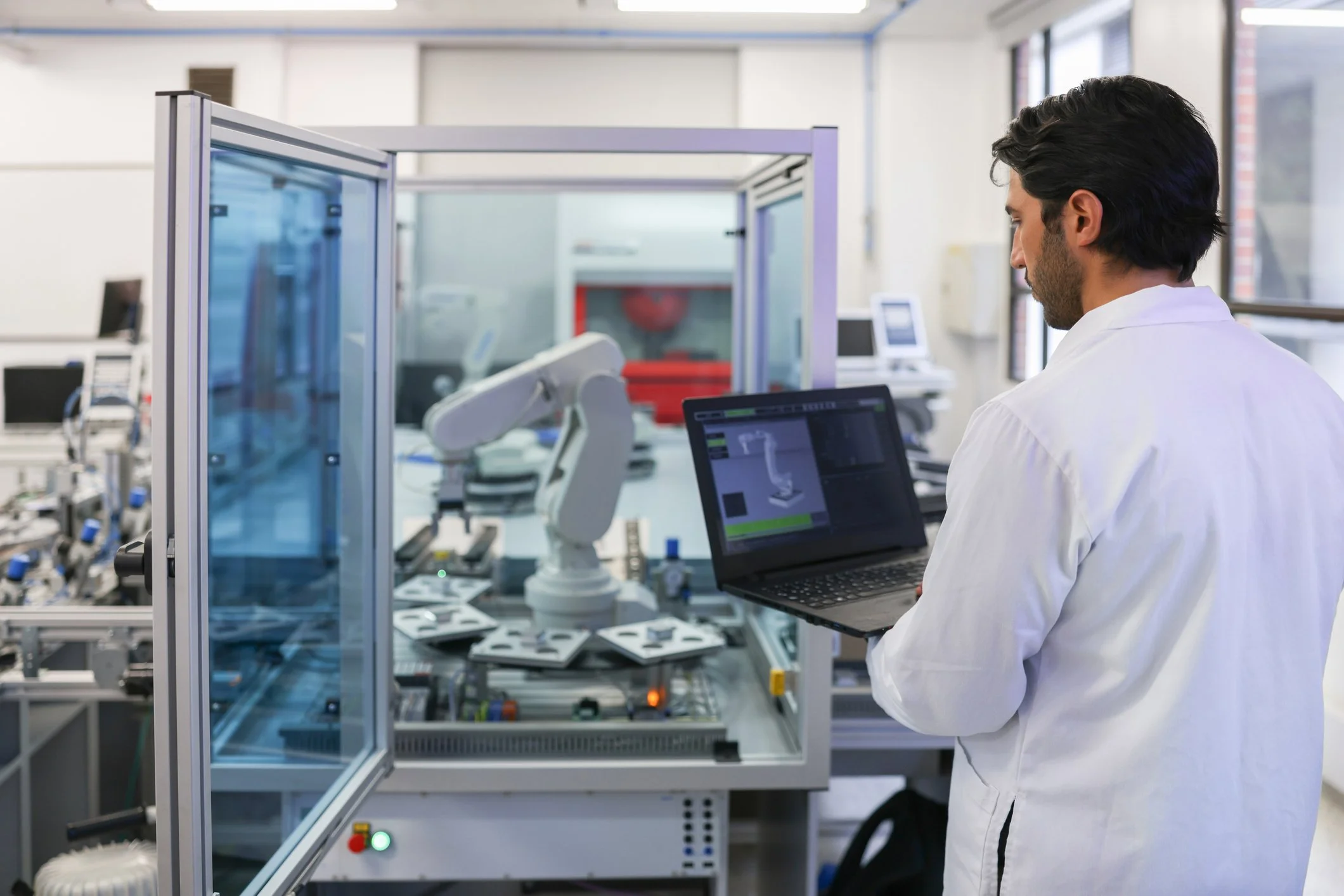
What Robotics-Driven Research Means for Future Laboratory Spaces
Autonomous labs are moving research beyond traditional workflows, requiring new approaches to flexibility, infrastructure, and collaboration. Learn how robotics, AI, and automation are influencing the design of next-generation laboratory environments

The Conversations That Make or Break a Research Building
Early planning and design decisions shape the long-term success of research buildings, making clear communication and stakeholder input essential to creating laboratories that perform for decades

Designing Labs for Energy Efficiency and Institutional Climate Goals
As laboratories pursue ambitious sustainability goals amid rising energy costs and market volatility, facility leaders are increasingly finding that long-term success depends on integrating energy efficiency, procurement, resilience, and demand management into a comprehensive energy strategy
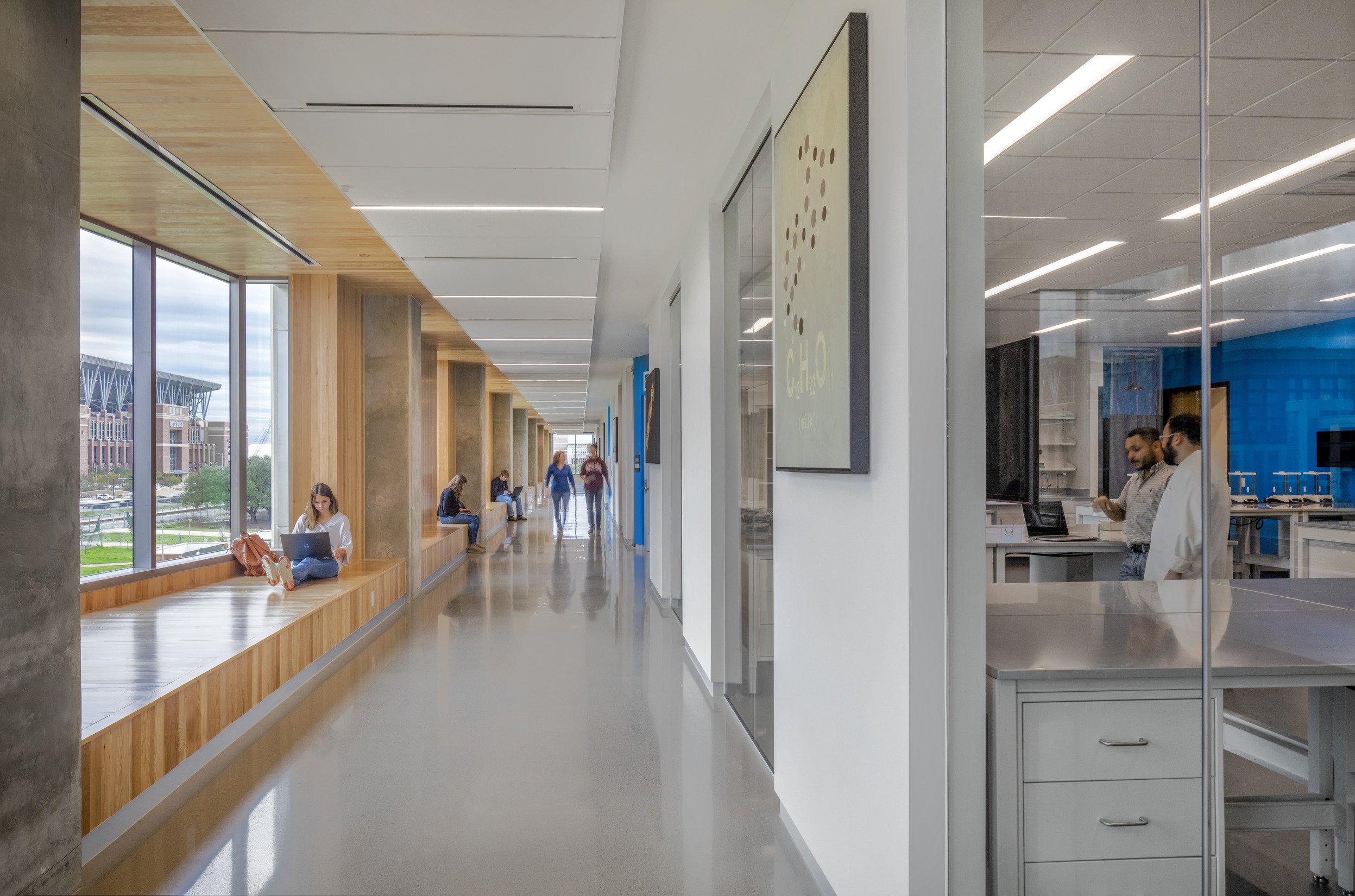
Lab Flexibility and Scalability: A Holistic Approach to Future-Ready Research Environments
As funding uncertainty and evolving research demands increase pressure on institutions, laboratory flexibility must extend beyond modular furniture to include shared resources, adaptable infrastructure, and strategic planning that support long-term resilience and efficiency