
A Turnkey Approach to Scaling Life Sciences
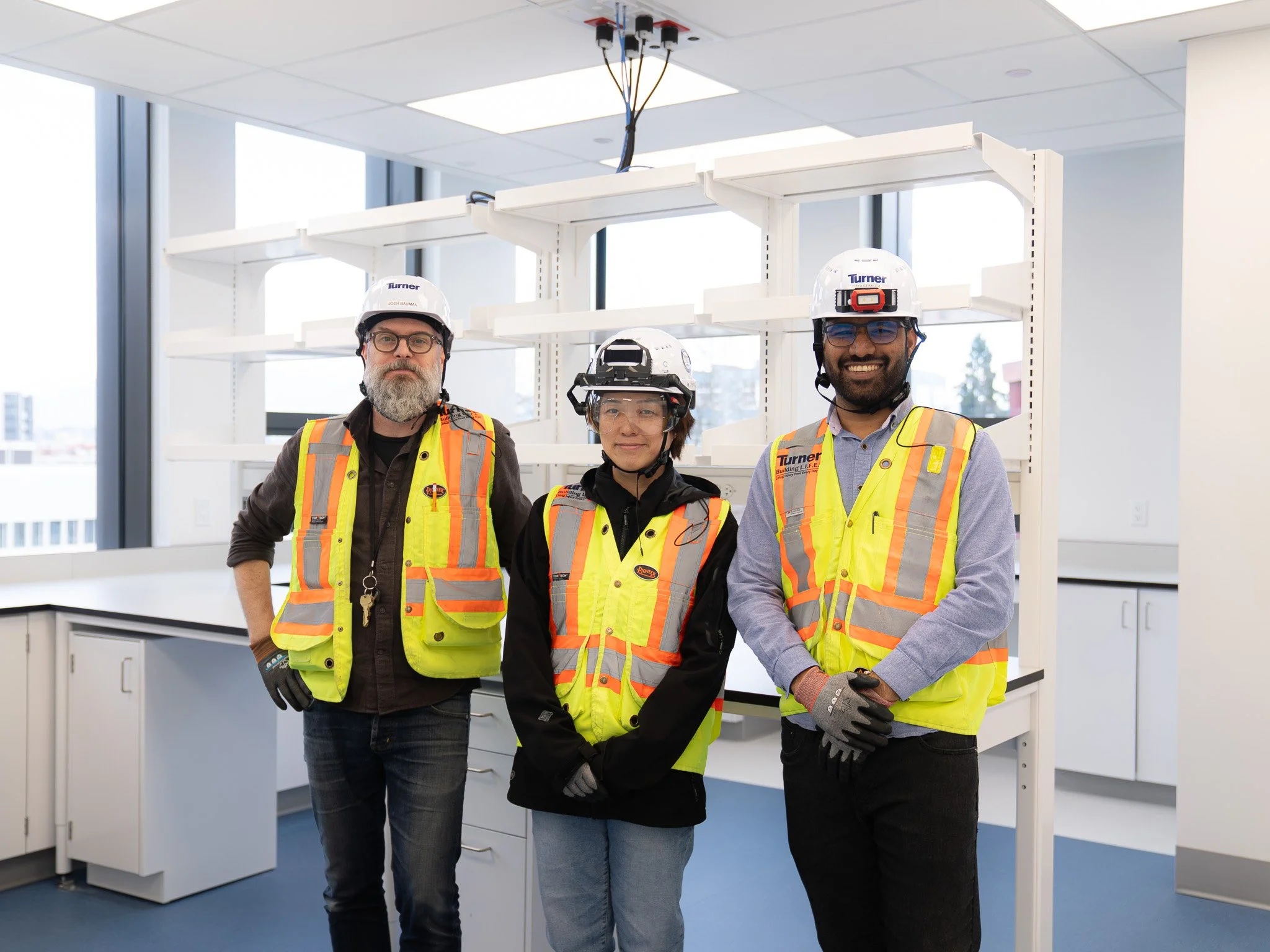
The adMare M4 Innovation Centre in Vancouver, British Columbia, provides fully permitted, move-in ready laboratory space designed to eliminate infrastructure barriers so life sciences companies can focus on scientific discovery rather than construction. Image: Courtesy of Turner Construction
The adMare M4 Innovation Centre in Vancouver, British Columbia, Canada, represents a deliberate shift in how life sciences infrastructure is conceived, delivered, and occupied. Rather than asking early-stage companies to design and build specialized laboratory environments themselves, the facility is structured to remove that burden entirely—offering fully permitted, move-in ready lab space that allows teams to focus on science rather than construction.
At the core of the project was a simple but demanding objective. As Matthew Carlyle, president and CEO of adMare BioInnovations, explains, “The adMare M4 Innovation Centre was designed with a clear objective: to remove infrastructure as a barrier to building and scaling life sciences companies.” That guiding principle shaped everything from spatial planning to mechanical systems, resulting in a facility that prioritizes speed, flexibility, and operational certainty within the constraints of converting a commercial office building into high-performance wet lab space.
The project team included Chernoff Thompson Architects (architecture), Turner Construction (construction), Introba (engineering), and Allied Properties (landlord/building operator).
Designing for speed, flexibility, and scientific growth
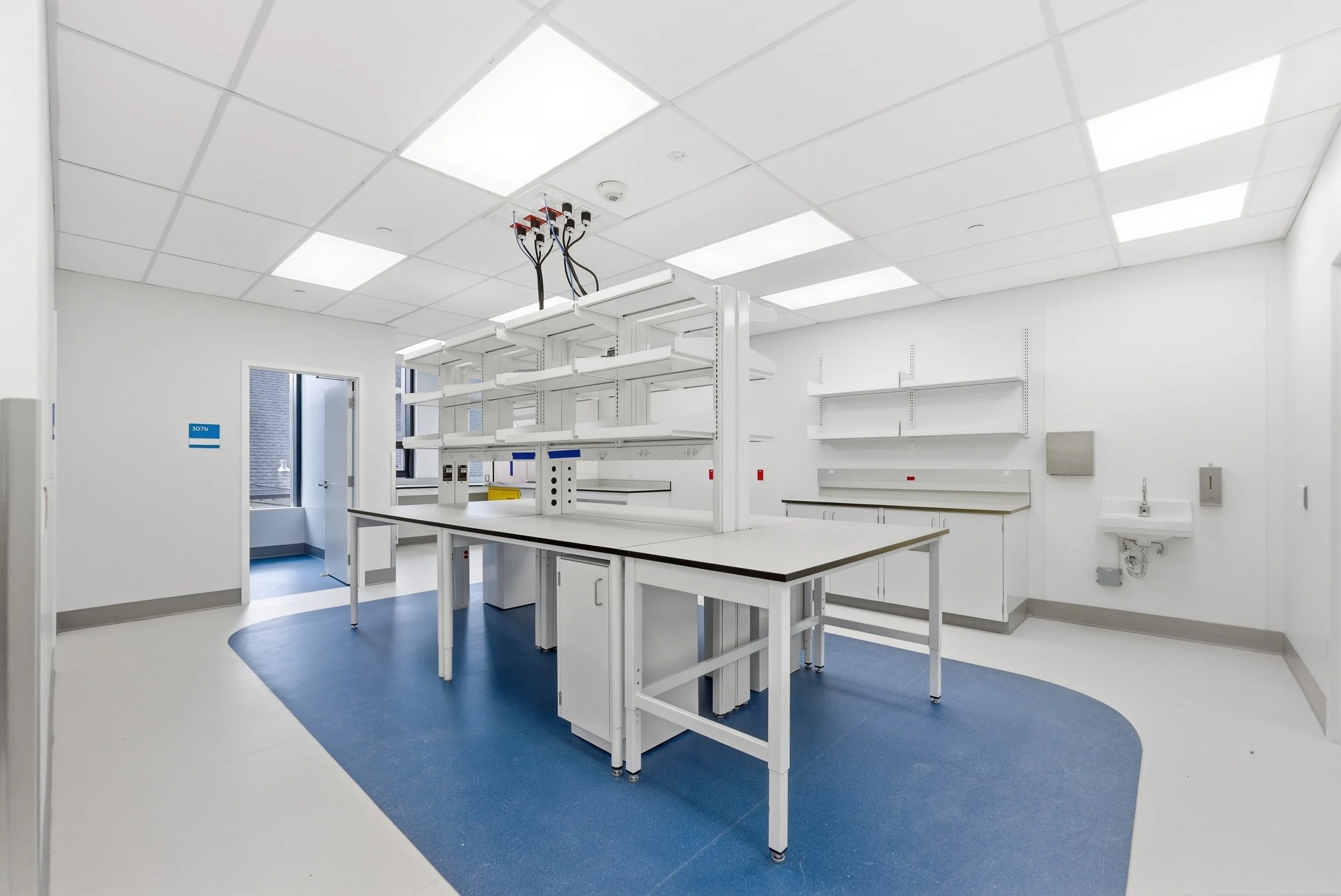
The adMare M4 Innovation Centre features a modular pod-based laboratory system designed with architects and engineers to enable scalable, flexible lab units that support efficient servicing, phased growth, and seamless expansion in place as companies evolve. Image: Courtesy of Turner Construction
A defining feature of M4 is its modular “pod” system, developed with architects and engineers to support repeatable, scalable lab units. These pods range from roughly 300 square feet to more than 1,000 square feet and can be clustered to support different company sizes.
A modular ‘pod’ layout—developed in close collaboration with the project’s architects and engineers—enables repeatability, efficient servicing, and phased growth, while maintaining consistency across the building,” says Carlyle.
This modularity is not only about efficiency—it is also about adaptability. Start-ups can begin in a small footprint and expand in place without relocating, an important advantage for companies navigating uncertain growth trajectories. “This allows companies to expand in place as their teams and scientific needs evolve,” Carlyle notes. Central to this flexibility is what he describes as “plug and play access to chemical exhaust, water and gases throughout the lab zone,” ensuring infrastructure can support changing research requirements without major reconstruction.
Shared infrastructure further reduces barriers to entry. Rather than each tenant duplicating expensive equipment and systems, the facility provides shared scientific instruments and professionally managed lab services. This approach reduces capital burden while maintaining high-quality research capability. Common areas, including meeting rooms, kitchens, and collaboration spaces, are intentionally designed to support interaction without compromising confidentiality or focus.
Attracting and retaining life sciences tenants
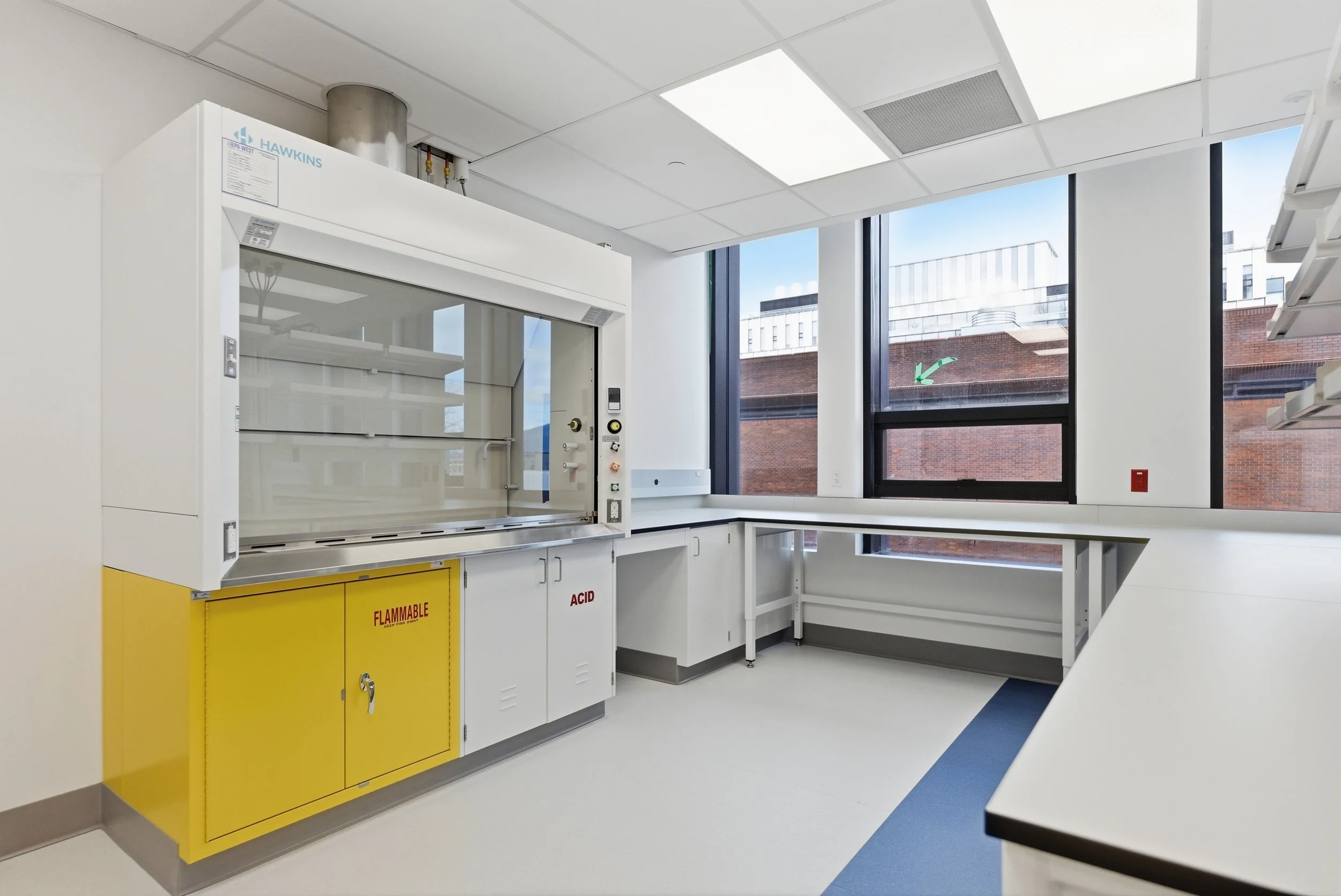
The facility is designed to attract and retain early-stage life sciences companies by offering fully built, permitted, move-in ready laboratories that enable immediate research activity, while providing a high-quality environment, natural light, and flexible, pod-based spaces that support incremental growth without relocation. Image: Courtesy of Turner Construction
For early-stage companies, the value proposition extends beyond physical infrastructure. Speed to occupancy is a key differentiator. Carlyle says, “Attracting early-stage companies requires prioritizing speed, move-in ready, flexibility, and a nice working environment.” At M4, labs are fully built, permitted, and operational from day one, enabling tenants to begin experiments immediately.
The tenant experience is also shaped by the quality of the environment. Natural light, high-quality finishes, and thoughtful spatial design contribute to an environment that supports recruitment and retention of scientific talent. Equally important is the ability to scale within the same facility. The pod-based system allows companies to grow incrementally, which helps preserve continuity in research programs and team structures. “The ability to expand without relocating helps maintain continuity and momentum during critical growth phases,” Carlyle says.
Location reinforces these advantages. The M4 Innovation Centre is embedded in a dense, walkable life sciences district with proximity to peer companies, amenities, and informal meeting spaces. This ecosystem context plays a key role in supporting collaboration and day-to-day quality of life, making the facility a platform for company formation and growth.
Delivering true turnkey laboratory environments
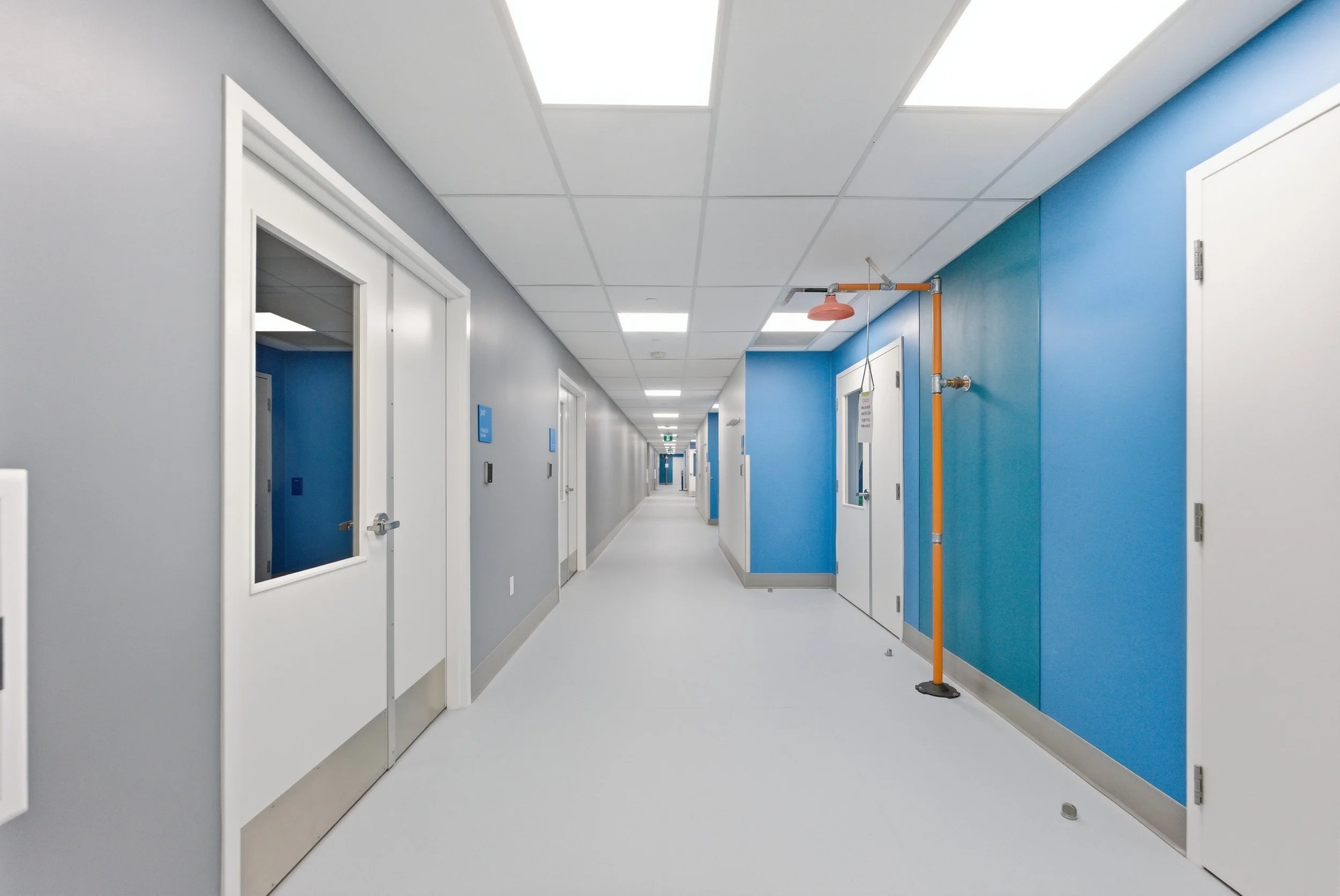
The project’s turnkey laboratory model required close coordination across disciplines, with mechanical, electrical, and plumbing systems designed to support diverse research uses while enabling customization at the equipment level, alongside standardized, modular lab components that streamline permitting, accelerate delivery, and allow flexible adaptation within a converted office building environment. Image: Courtesy of Turner Construction
The project’s turnkey model required a high degree of coordination across disciplines. Base building mechanical, electrical, and plumbing systems were designed to support a wide range of laboratory uses, enabling customization at the equipment level rather than requiring infrastructure modifications. Labs include interchangeable casework, seamless flooring, painted lab-grade surfaces, and overhead service access through ceiling panels.
“The adMare M4 Innovation centre was designed with fully built, permitted, and equipped wet labs so companies can move in and begin research immediately, without the cost or delay of designing their own facilities,” says Carlyle.
This approach also simplifies permitting and accelerates delivery timelines, but it depends on rigorous upfront planning. Standardization plays a critical role, ensuring lab components can be relocated or reused as tenant needs evolve while maintaining consistency across the building.
Transforming an office building into a laboratory environment introduced significant technical challenges. “One of the defining challenges of the M4 Innovation Centre was that it was delivered within an office building that was still under construction, rather than a purpose-built laboratory facility,” says Russ Chernoff of Chernoff Thompson Architects.
This required careful integration of structural and mechanical systems to support lab-grade ventilation, exhaust, and plumbing. Ceiling heights were a critical constraint and opportunity, enabling the installation of a plug and play ceiling racetrack exhaust duct with high plume fans. The design also incorporated flexible drainage systems with capped connections to support future sink and equipment installation.
Chernoff emphasizes that balancing standardization with flexibility was central to success. By concentrating customization at the bench level rather than within core building systems, the team was able to reduce cost, simplify construction, and maintain adaptability for a range of scientific workflows.
Shared infrastructure and community building
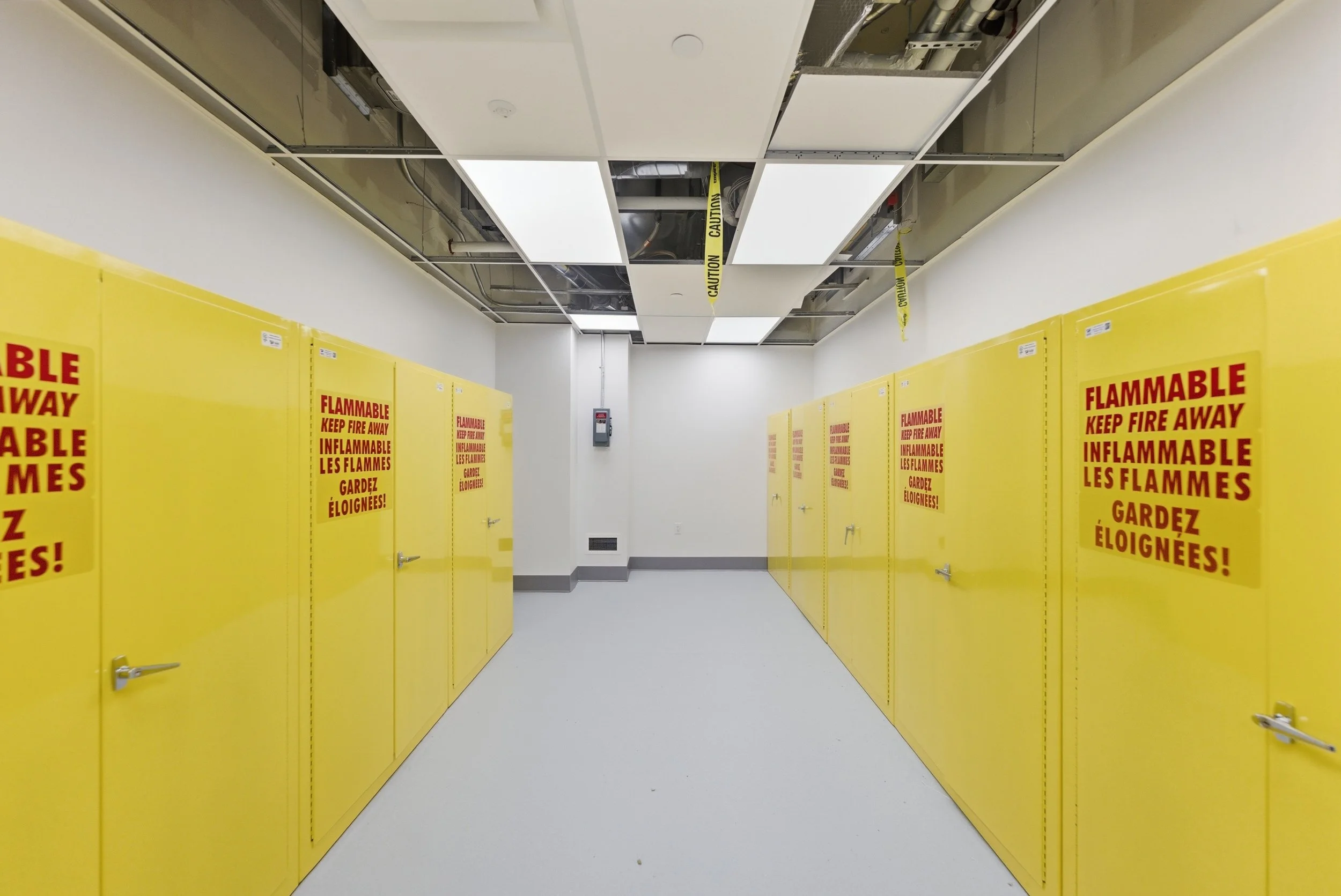
Shared scientific facilities and common-use spaces are designed to improve efficiency and collaboration, with centrally located, bookable specialized labs and shared amenities such as kitchens, meeting rooms, and informal gathering areas that reduce redundancy while fostering interaction among tenant companies without compromising operational independence. Image: Courtesy of Turner Construction
Beyond individual lab suites, shared spaces were designed to support both efficiency and collaboration. Specialized rooms such as tissue culture suites, autoclaves, and chemical storage areas are centrally located and bookable, reducing redundancy while maintaining operational access.
Common-use areas follow the same logic. Office hoteling, shared kitchens, meeting rooms, and informal gathering spaces create structured opportunities for interaction among tenant companies. These spaces help foster a sense of community while preserving the independence of individual organizations.
A key design decision was to leave approximately 3,000 square feet unfinished at opening, allowing the facility to respond to actual market demand. With strong interest in smaller 300-sf units, this flexibility enables incremental expansion without major disruption.
Chernoff notes that flexibility was embedded from the start through “a modular, pod-based lab approach—supported by relocatable furniture and shared infrastructure,” allowing the building to evolve alongside tenant needs.
Lessons for future innovation centers
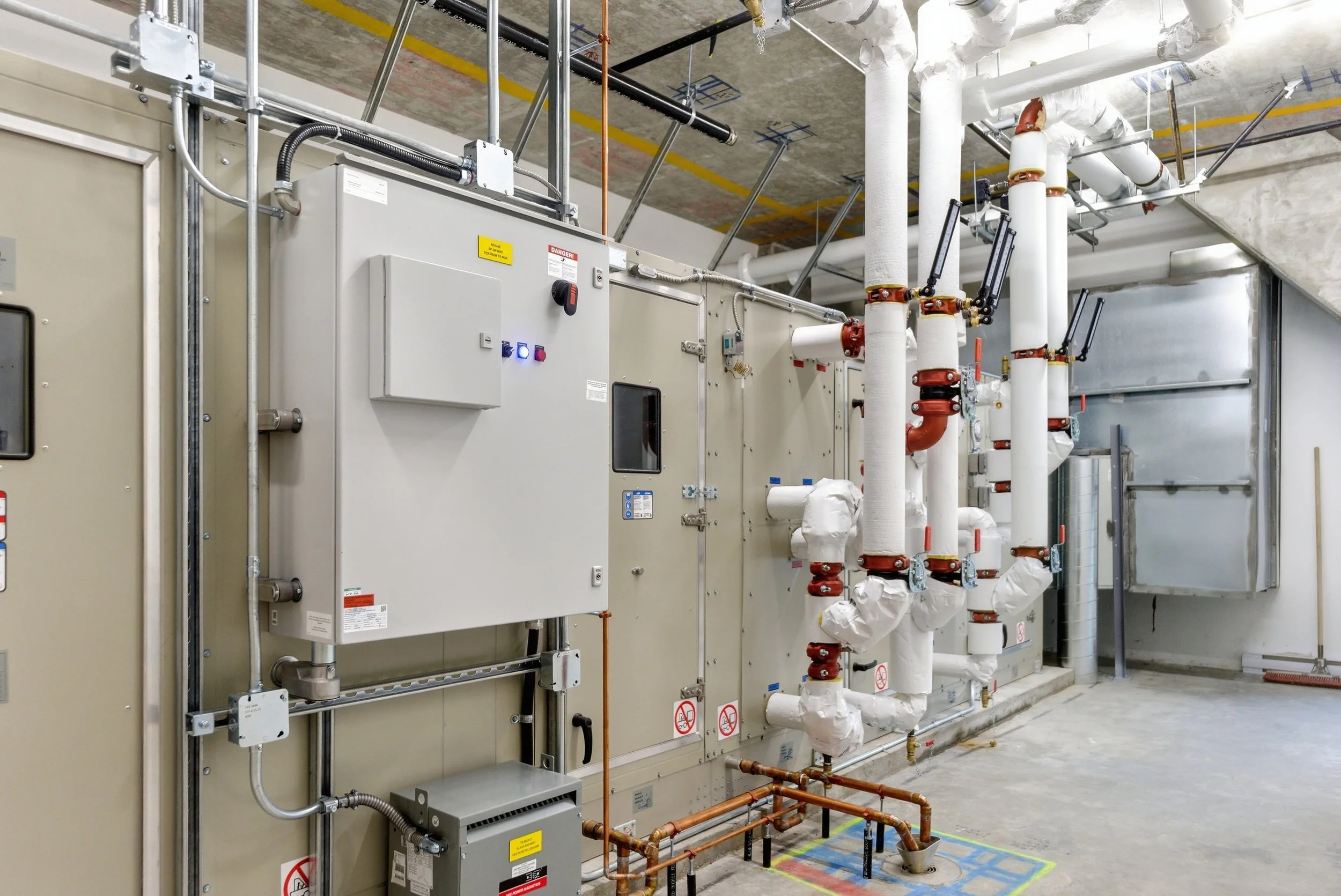
The project’s success highlights the importance of early integration between owners, architects, engineers, and contractors, with close coordination and clear communication enabling a highly standardized yet flexible turnkey lab model that reduces rework, supports complex technical requirements, and delivers a replicable approach to accelerating life sciences company growth. Image: Courtesy of Turner Construction
Looking back, both design and delivery teams point to early integration as a critical success factor. Chernoff highlights “the importance of designing with a clear understanding of the end user,” along with tight coordination between owners, architects, engineers, and contractors. This alignment reduced rework, improved decision-making, and kept the project grounded in operational realities.
Equally important was maintaining trust and communication across the project team. Clear goals, shared accountability, and responsiveness to evolving requirements ensured that the facility could be delivered on time while still accommodating complexity.
Ultimately, the M4 Innovation Centre demonstrates how turnkey lab environments can be both highly standardized and highly flexible. By combining modular design, shared infrastructure, and carefully engineered building systems, the project offers a replicable model for accelerating life sciences company formation—helping firms scale faster, reduce overhead, and stay focused on scientific discovery.