
What Makes a Lab Building Competitive Today?
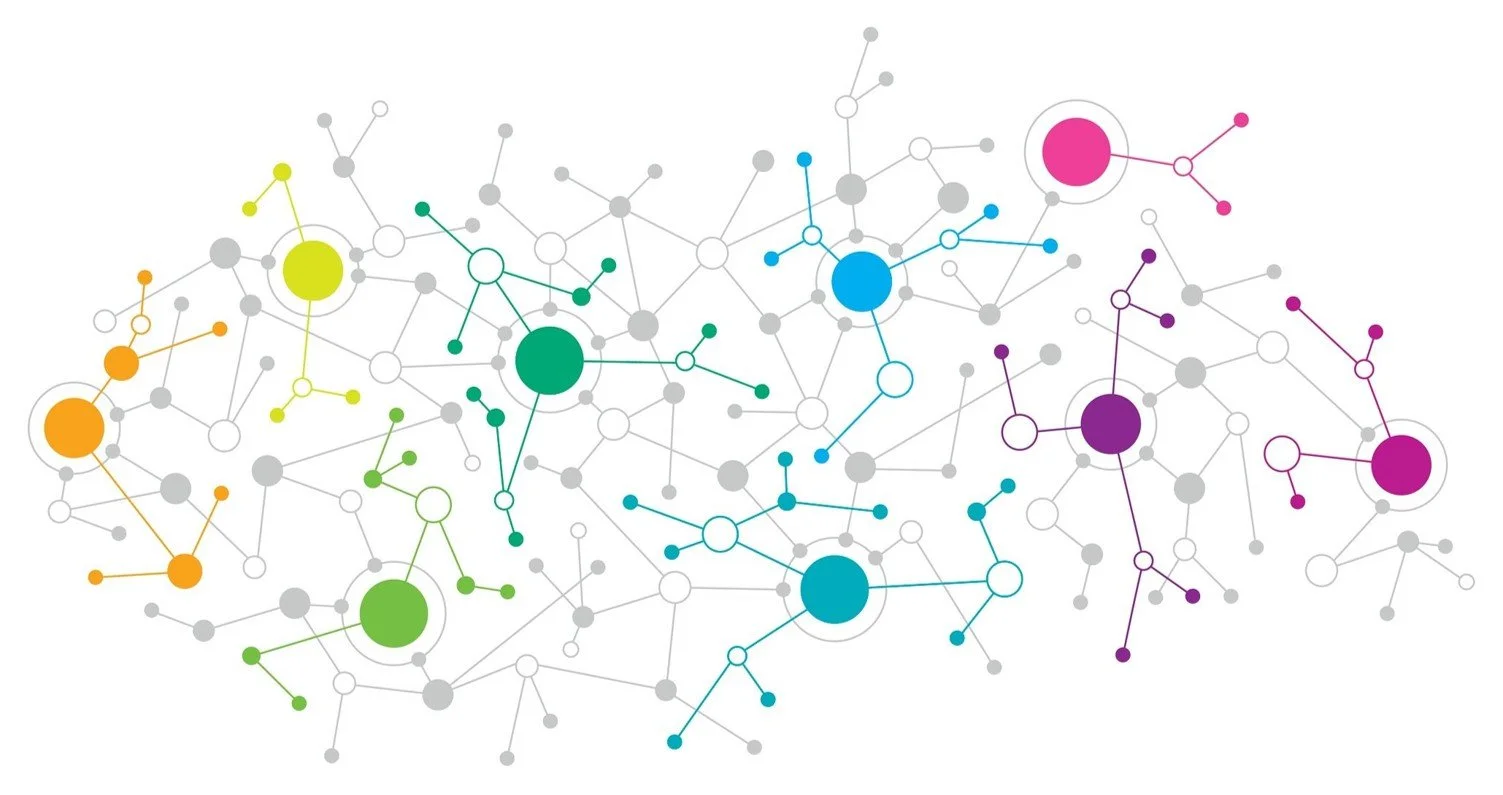
Innovation districts that connect laboratories with universities, hospitals, startups, and industry partners are becoming a key strategy for attracting talent, fostering collaboration, and supporting long-term research growth. Image: Courtesy of Raj Deb
After a surge in life sciences construction during and immediately following the COVID-19 pandemic, many laboratory markets are facing a new reality. Vacancy rates have climbed in several major hubs, speculative developments have slowed, and owners are finding that simply offering laboratory space is no longer enough. Today's tenants are evaluating research buildings on a much broader set of criteria than square footage alone.
According to Raj Deb, regional practice director and principal at HKS, the most successful research facilities are purpose-built, digitally enabled, highly adaptable, and deeply connected to the innovation ecosystems surrounding them. Buildings that fail to deliver on those expectations increasingly struggle to compete.
“The physical face of the research environment is changing, and it's changing at rapid pace,” Deb says. “The advent of systematical automation, AI, quantum research, and how quantum computing itself can bring the next generation of evolution to the lab environment” is fundamentally reshaping what organizations need from their facilities.
Purpose-built laboratories outperform generic conversions
One of the biggest mistakes developers have made, Deb says, is assuming that laboratories can simply be adapted from conventional office space with minimal modifications. He is particularly critical of the industry trend toward what has often been called the “lab-enabled office.”
An unsuitable term, Deb says. “It's an office building that has a couple of bolt-ons.”
Instead, successful research buildings are designed from the outset around laboratory operations. That means providing the infrastructure researchers expect, including dedicated systems for moving samples safely through buildings, facilities management systems separated from public circulation, sufficient floor-to-floor heights, robust structural loading, adaptable mechanical systems, and adequate utility capacity.
These fundamentals have become even more important as research organizations rely on increasingly sophisticated instrumentation, automation platforms, and digital technologies. Buildings lacking sufficient electrical capacity, cooling, process water, or mechanical flexibility quickly become obsolete, regardless of how attractive they appear architecturally.
Flexibility is more than a buzzword
Laboratory owners have talked about flexibility for decades, but Deb argues that true adaptability extends far beyond movable benches or modular furniture.
“We as designers [have] spent many years talking about the buzzword of ‘flexibility.’ Very few actually understand what that means,” he says.
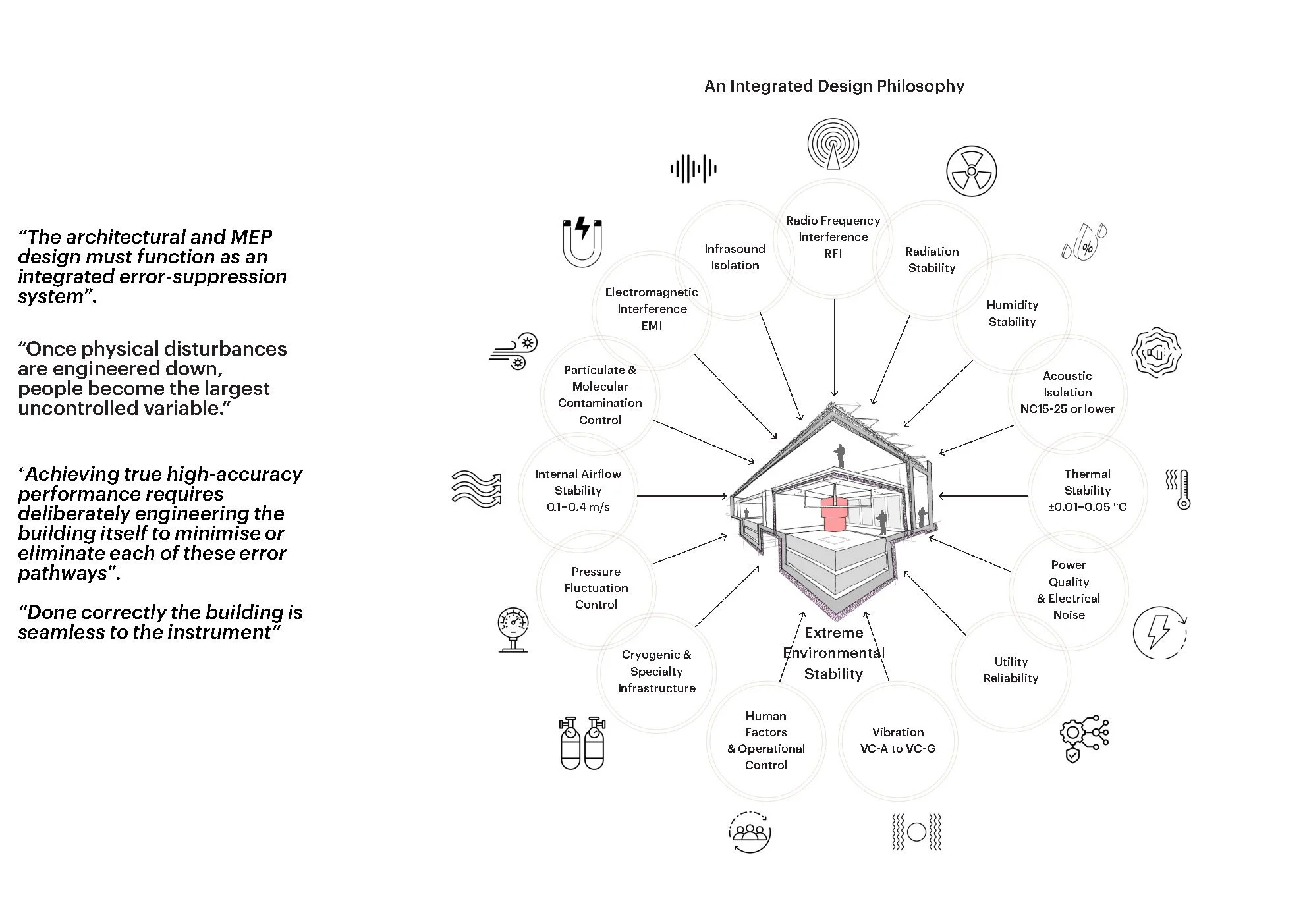
Flexible laboratory infrastructure—including adaptable mechanical, electrical, and structural systems—helps research facilities respond quickly to changing scientific needs while extending the building's long-term value. Image: Courtesy of Raj Deb
True flexibility begins with the building's infrastructure, he continues. Mechanical, electrical, and structural systems must be capable of accommodating changing research needs without requiring major reconstruction.
Deb points to the University of Glasgow Medical School, which his earlier firm redesigned during the COVID-19 pandemic into one of the United Kingdom's first large-scale COVID testing laboratories in just 13 weeks. That rapid conversion was possible because the building's structure, HVAC systems, and electrical infrastructure had been designed from the beginning to function as a laboratory rather than a conventional academic building.
That experience reinforced an important lesson: buildings designed for future adaptability remain competitive far longer than those optimized only for today's research programs.
Digital infrastructure is becoming as important as bench space
Artificial intelligence, automation, advanced instrumentation, and computational science are dramatically changing how laboratory space is used.
Ten years ago, Deb says, biomedical laboratories commonly devoted roughly 70 percent of their floor area to wet labs. Today, some innovation clusters require only about 20 percent wet laboratory space, with the remainder dedicated to computational research, data analysis, AI, and digital modeling. That shift has major implications for facility design.
“The floor area of the building is becoming less important. That power and data enabled connectivity is becoming increasingly more important,” Deb says.
As laboratories become increasingly automated, instrumentation rather than researchers is often what drives infrastructure requirements. Equipment generates substantial heat loads, requires extensive data connectivity, and increasingly operates in vertically integrated workflows rather than traditional linear bench layouts. Buildings therefore need significantly greater digital infrastructure than many existing laboratory developments currently provide.
Location still matters, but ecosystems matter even more
Even the most technically advanced building can struggle if it exists in isolation. Deb believes long-term competitiveness depends heavily on a facility's relationship to the surrounding innovation ecosystem.
“Location remains the major competitive advantage,” he says. “That access to talent and proximity to industry with global connectivity is the key requirement.”
Research organizations increasingly want proximity to universities, hospitals, startups, venture capital, manufacturing partners, and established industry leaders. These connections accelerate collaboration while making it easier to recruit and retain specialized talent.
This ecosystem-driven approach is already shaping development decisions. “In a former role, I worked with the Crown Estate, Pioneer Group, and OSE in Oxford, where the development team are converting existing commercial real estate asset into laboratory space as part of a broader investment strategy centered on the city’s research community,” says Deb. “Rather than simply generating square footage, the focus was on the creation of interactivity and connectivity in the science landscape of Oxford. One of the first of its type, the laboratory repositions an existing heritage building, ensuring both its future and its value in a science ecosystem, unlocking transport and lifestyle solutions.”
Employee experience has become a competitive advantage
Technical performance alone no longer determines whether researchers choose a particular facility. Organizations increasingly recognize that laboratories must also support employee well-being, collaboration, and long-term talent retention.
“All sectors, from the financial sector right through to life sciences and technology and higher education, are beginning to see their assets as strategic assets rather than a container for science and equipment,” Deb says.
That shift represents what he describes as moving “from space to place.”
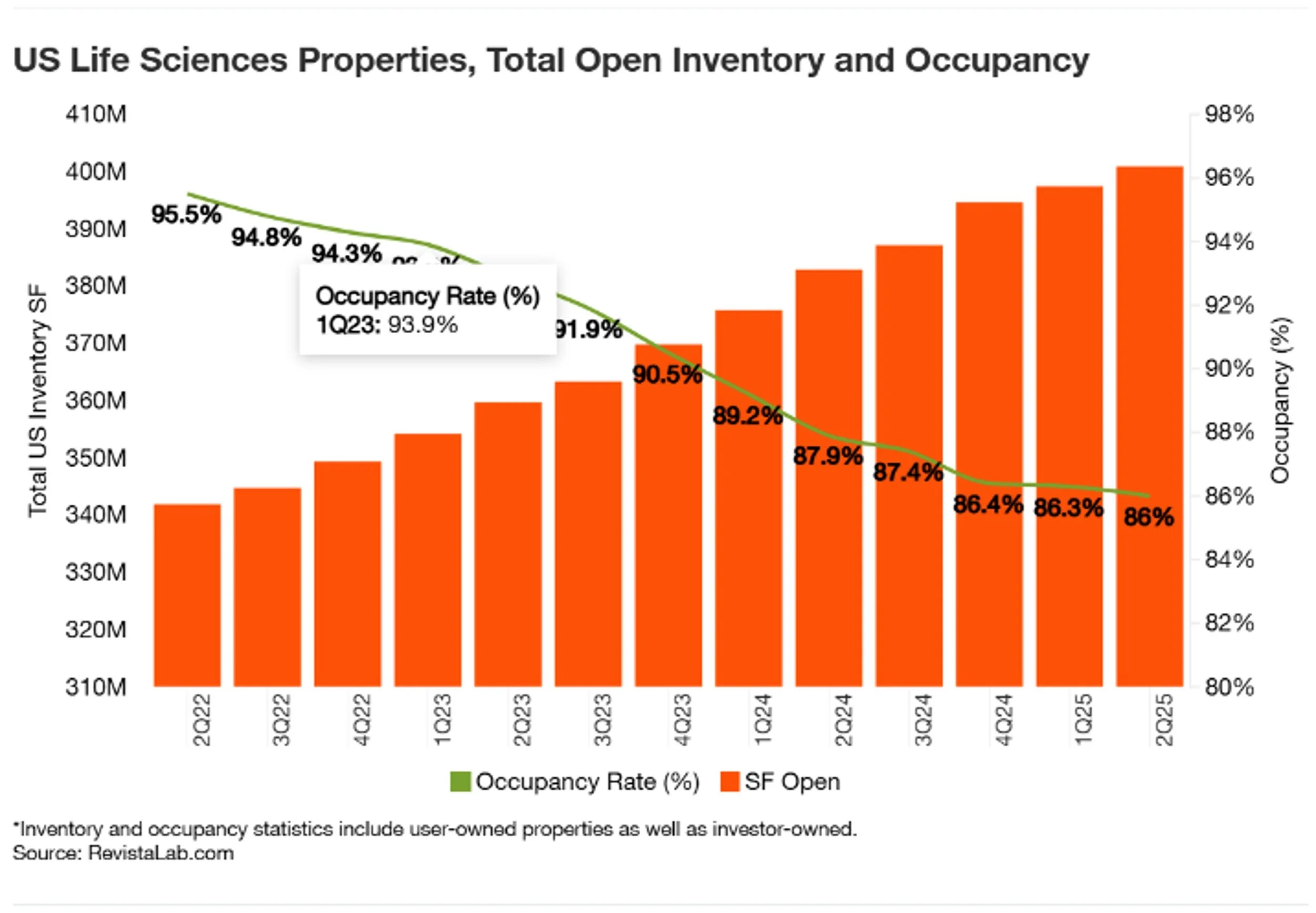
As laboratory needs evolve, many older buildings once considered unsuitable are finding new life through adaptive reuse, with advances in technology and the growth of dry research expanding opportunities for modernization. Image: Courtesy of PWC/RevistaLab.com
Instead of designing buildings solely around laboratory functions, organizations are creating environments where researchers want to spend their careers. Housing, food service, recreation, wellness amenities, collaborative gathering spaces, and mixed-use development all contribute to stronger research communities.
“We all as human beings want have a need to be part of something,” Deb says. “Very few of us choose to operate in our silos.”
Within the buildings themselves, collaboration spaces have become equally important. Deb emphasizes designing environments that encourage “serendipitous activity”—those informal interactions between research groups that often spark new ideas. Shared laboratories, transparent research spaces, and carefully planned circulation patterns all contribute to greater collaboration while making science more visible to occupants and the surrounding community.
Existing buildings still have tremendous potential
Although many new laboratory projects have slowed, Deb believes existing building stock represents one of the industry's greatest opportunities. Many older buildings possess structural characteristics that remain highly valuable. Others once considered unsuitable for laboratories are becoming viable as research shifts toward computational science and away from exclusively wet laboratory environments.
“Many of our aged buildings are actually incredibly robustly built,” Deb says. “They're perhaps not built with the floor-to-floor height requirements that we would ideally like. But equipment manufacturers and computing are resolving many of those issues.”
Deb adds that there’s also been a shift in demographics and general understanding about how laboratory buildings are used, due to the uptick in dry research environments as opposed to wet labs. “[This] allows us to reoccupy many of the buildings that five years ago were just considered an absolute ‘no.’”
Success depends on carefully evaluating each building's structural capacity, utility infrastructure, and relationship to surrounding research clusters before determining the most appropriate modernization strategy.
Planning for technologies that don't yet exist
Perhaps the greatest challenge facing owners is designing facilities that remain competitive over decades despite rapidly evolving science. Deb argues that successful projects begin by understanding an organization's long-term mission rather than focusing solely on today's equipment list.
“We need to build on our understanding of future technologies first," he says. "[When] designing for future flexibility, the key with any research organization, with any investor, with any groups that are looking to potentially come together, is to start with an understanding what their mission is.”
Highly specialized spaces—including imaging suites, electron microscopy, and high-containment laboratories—will always require purpose-built infrastructure. However, surrounding those fixed elements with modular, adaptable research space allows buildings to evolve as technologies, workflows, and tenant needs continue changing.
In today's competitive market, laboratory buildings succeed not simply because they offer lab space, but because they combine resilient infrastructure, digital readiness, adaptable design, strong collaboration opportunities, exceptional employee experience, and meaningful connections to thriving research ecosystems. As tenant expectations continue to evolve, those characteristics will increasingly determine which facilities remain in demand—and which are left behind.