
High-Performance Labs, Right-Sized Budgets: The Value Design Approach
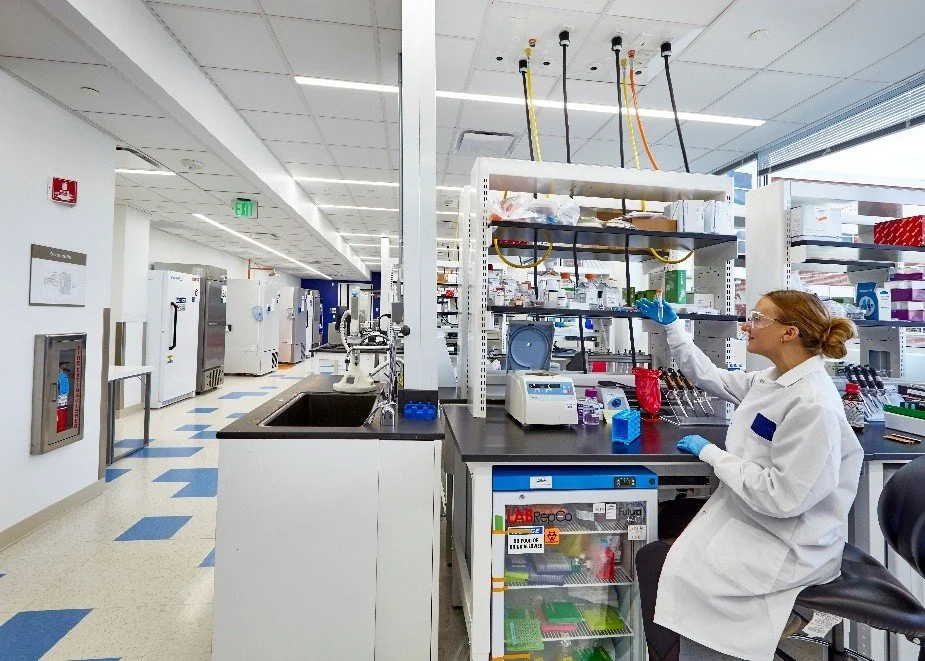
In complex science and technology facilities, value engineering allows early, informed decisions that protect performance, safety, and long-term adaptability. Image: Courtesy of Ci Design, Inc. (confidential therapeutics client)
Dan Madru, principal, science & technology at Ci Design Inc., is co-author of this piece.
In science & technology projects, “value engineering” has long been misunderstood as a late-stage exercise in cost cutting, often at the expense of performance, safety, or long-term flexibility.
But in highly technical environments like laboratories, cleanrooms, and advanced manufacturing facilities, those trade-offs can be costly in ways that far exceed initial savings.
A more effective approach is value design—a proactive, integrated process that aligns quality and functionality with cost from the very beginning.
When done well, it doesn’t reduce scope; it enhances performance while optimizing investment across the full lifecycle of a facility.
Start with the science, not the square footage
The most impactful decisions in any lab or manufacturing facility happen early—before systems are sized, before layouts are fixed, and before budgets are strained. This is where in-house lab and manufacturing planning becomes critical.
By engaging directly with scientists, operators and facilities teams, design teams can create environments based on actual workflows—not assumptions. Too often, labs are overbuilt with redundant infrastructure, driving up both capital and operational costs. Aligning program requirements with real use allows teams to reduce unnecessary complexity without compromising performance or compliance.
Flexibility Is the ultimate cost saver
In rapidly evolving scientific environments, today’s cutting-edge process can become obsolete within a few years. Designing for flexibility, rather than hyper-specific customization, is one of the most effective ways to protect long-term value.
Modular lab planning, adaptable infrastructure zones, and universal grids allow spaces to evolve without major renovation. This reduces downtime, minimizes disruption, and avoids the need for costly retrofits.
Focus on the systems that matter most
Mechanical and HVAC systems are often the largest cost drivers in science & technology facilities, and the greatest opportunity for meaningful value optimization.

Mechanical and HVAC systems drive both cost and opportunity in science and technology facilities, where early, cross-disciplinary collaboration enables smarter ventilation strategies, right-sized performance, and more efficient, resilient system design. Image: Courtesy of Ci Design, Inc. (10 Prospect)
Through early collaboration between architects, lab and manufacturing planners, and engineers, teams can right-size air change rates based on actual risk profiles, implement demand-based ventilation strategies, and evaluate energy recovery and system redundancy with intention.
Even modest adjustments to airflow strategies can significantly reduce both upfront construction costs and long-term energy consumption, without compromising safety or regulatory requirements.
Design for lifecycle performance
Traditional value engineering often focuses on reducing first costs. In contrast, value design considers the full lifecycle of a facility—how it operates, adapts, and performs over time.
Decisions around materials, systems, and infrastructure should be evaluated through the lens of energy efficiency, operational complexity and durability.
In many cases, a slightly higher upfront investment yields substantial long-term savings and improved facility performance. For owners and operators, this shift in perspective is where true value is realized.
Integration is where value happens
The most successful science & technology projects are not designed in silos. They are the result of integrated, cross-disciplinary collaboration—bringing together architecture, lab and manufacturing planning, engineering and operational expertise from day one.
Firms that offer in-house lab and manufacturing planning are uniquely positioned to lead this process. By bridging the gap between design intent and operational reality, they can identify opportunities, mitigate risks, and make informed decisions earlier—when they have the greatest impact.
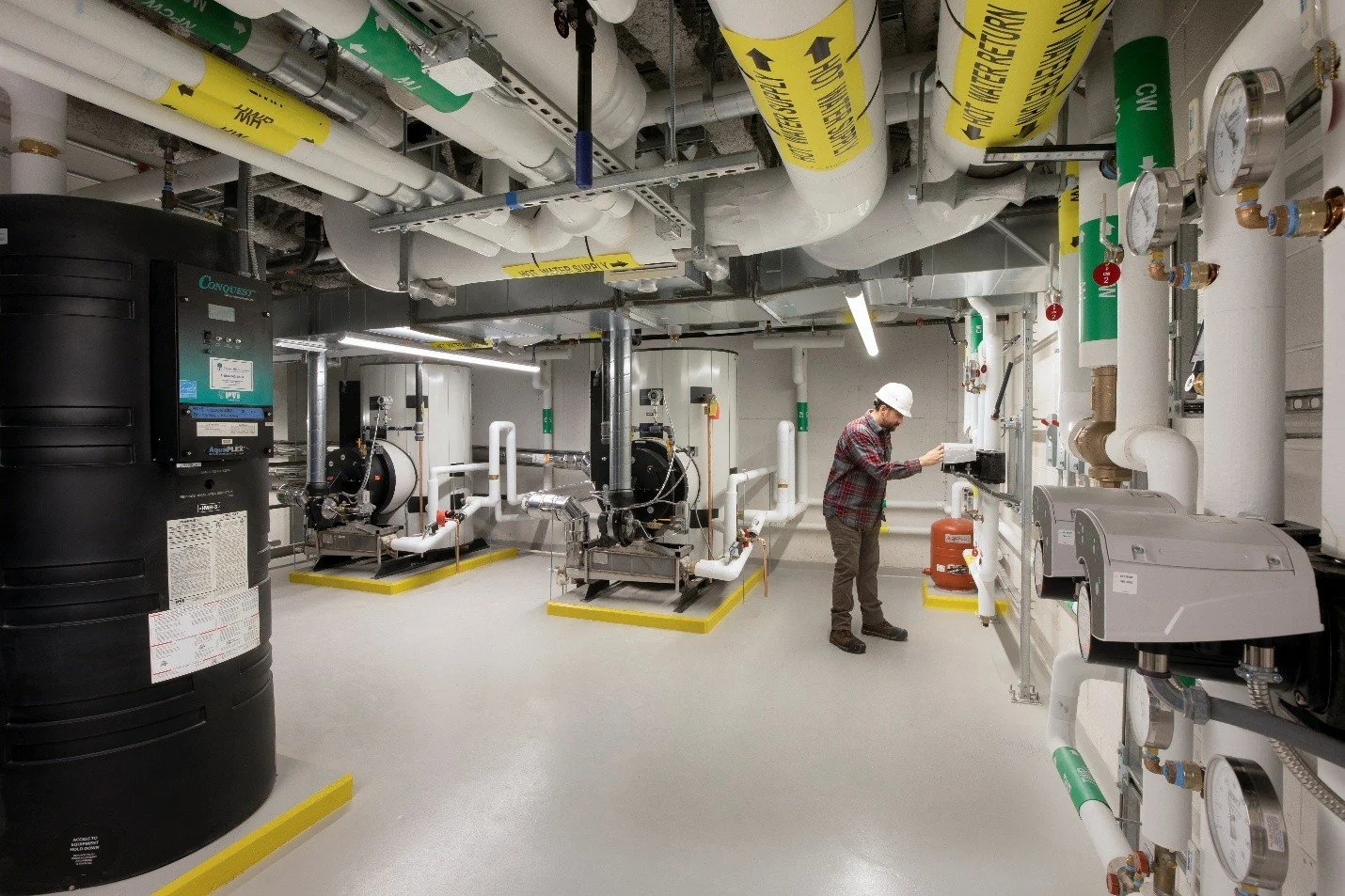
Value design moves beyond cutting upfront costs to optimize a facility’s full lifecycle, where thoughtful investments in materials and systems deliver lasting performance, efficiency, and long-term savings. Image: Courtesy of Ci Design, Inc. (Labs @ 128 Station)
Redefining value in science & technology design

Dan Madru, principal at Ci Design, Inc., is co-author of this piece.
Value in lab and manufacturing environments is not about doing more with less, it’s about doing it smarter. It’s about aligning design with science, optimizing systems that drive performance, and creating environments that can adapt to what comes next.
When value design is embedded from the outset, the result is not a compromised facility, but a better one: more efficient, more flexible, and more resilient over time.