
[[bpstrwcotob]]
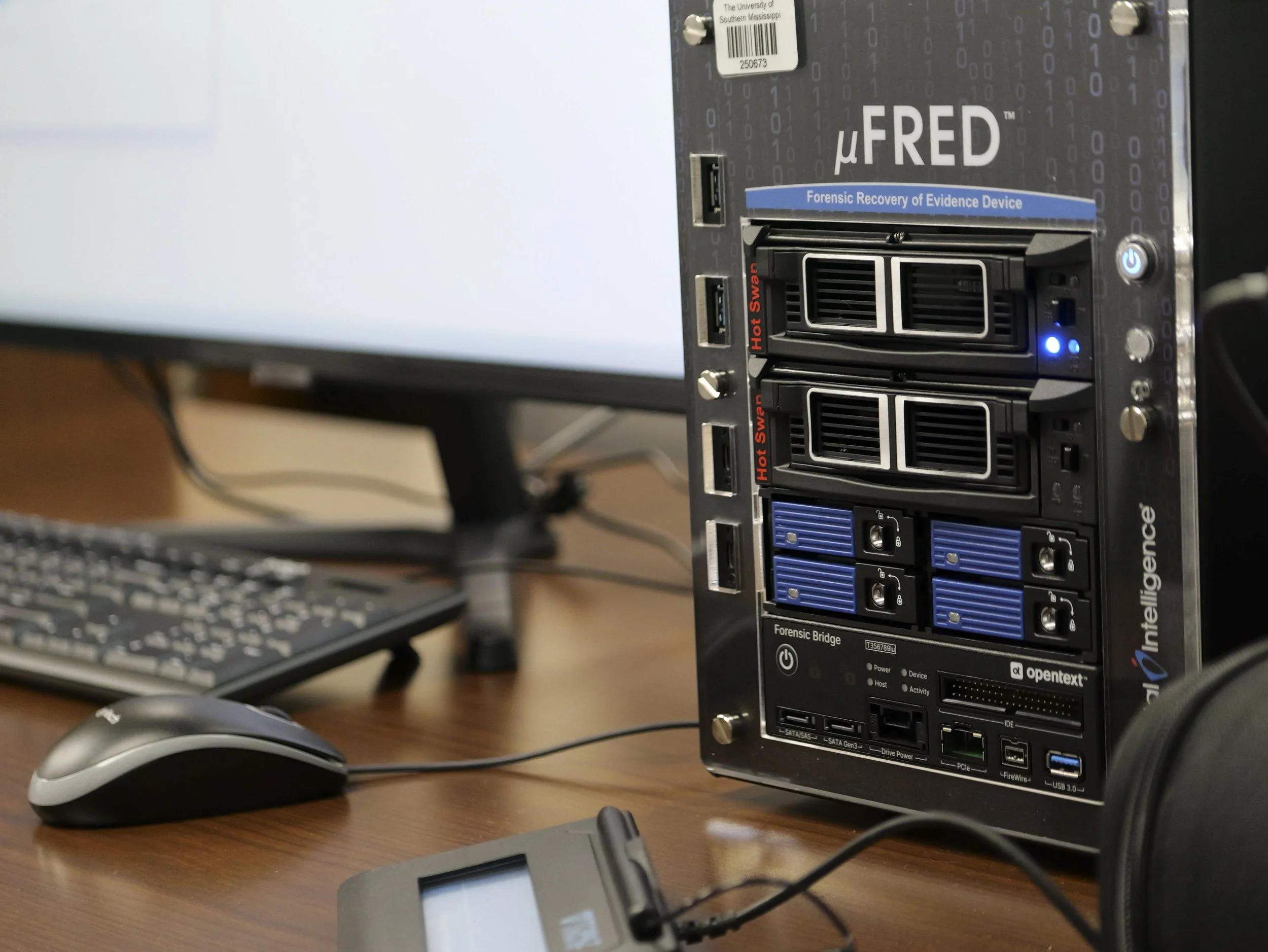
Secure Lab Expands Digital Forensics Access for Rural Agencies
The University of Southern Mississippi’s new Rural Digital Forensics Initiative laboratory balances secure evidence handling, forensic operations, and hands-on education within a renovated campus space designed to expand access for rural law enforcement agencies
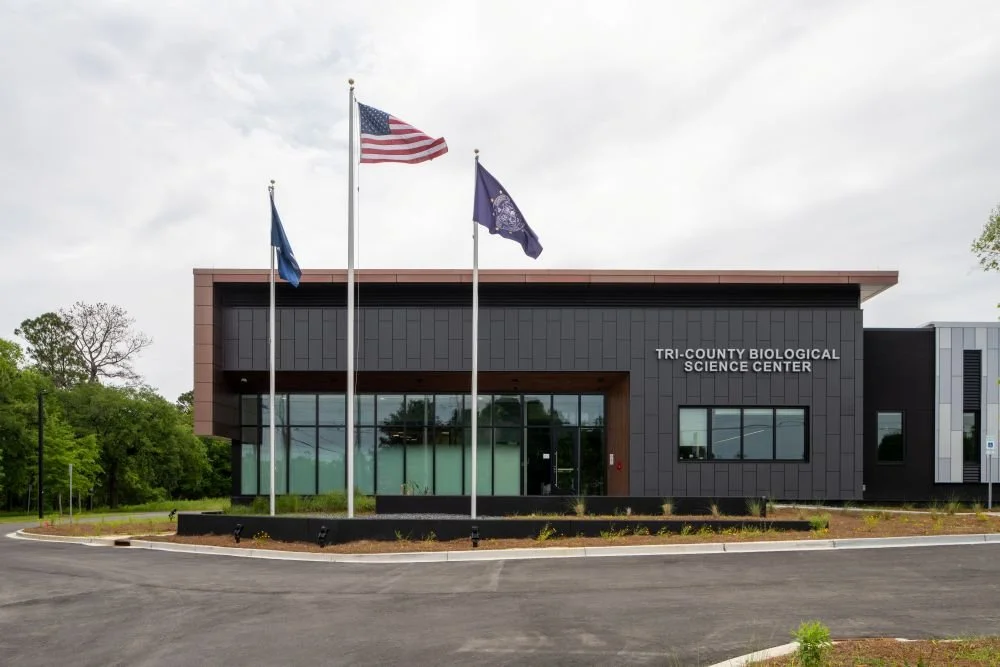
Creating a High-Performance Forensic Laboratory for the Lowcountry
The Tri-County Biological Science Center was designed to reduce forensic evidence backlogs through efficient workflows, rigorous contamination controls, accreditation-ready systems, and flexible infrastructure for future growth

Connecting Campus and Community at George Mason University: Special Mention—Campus to Community Integration
The Life Sciences and Engineering Building at George Mason University redefines academic lab design by using transparency, shared interdisciplinary spaces, and community-facing features to seamlessly connect campus research with public engagement and regional innovation
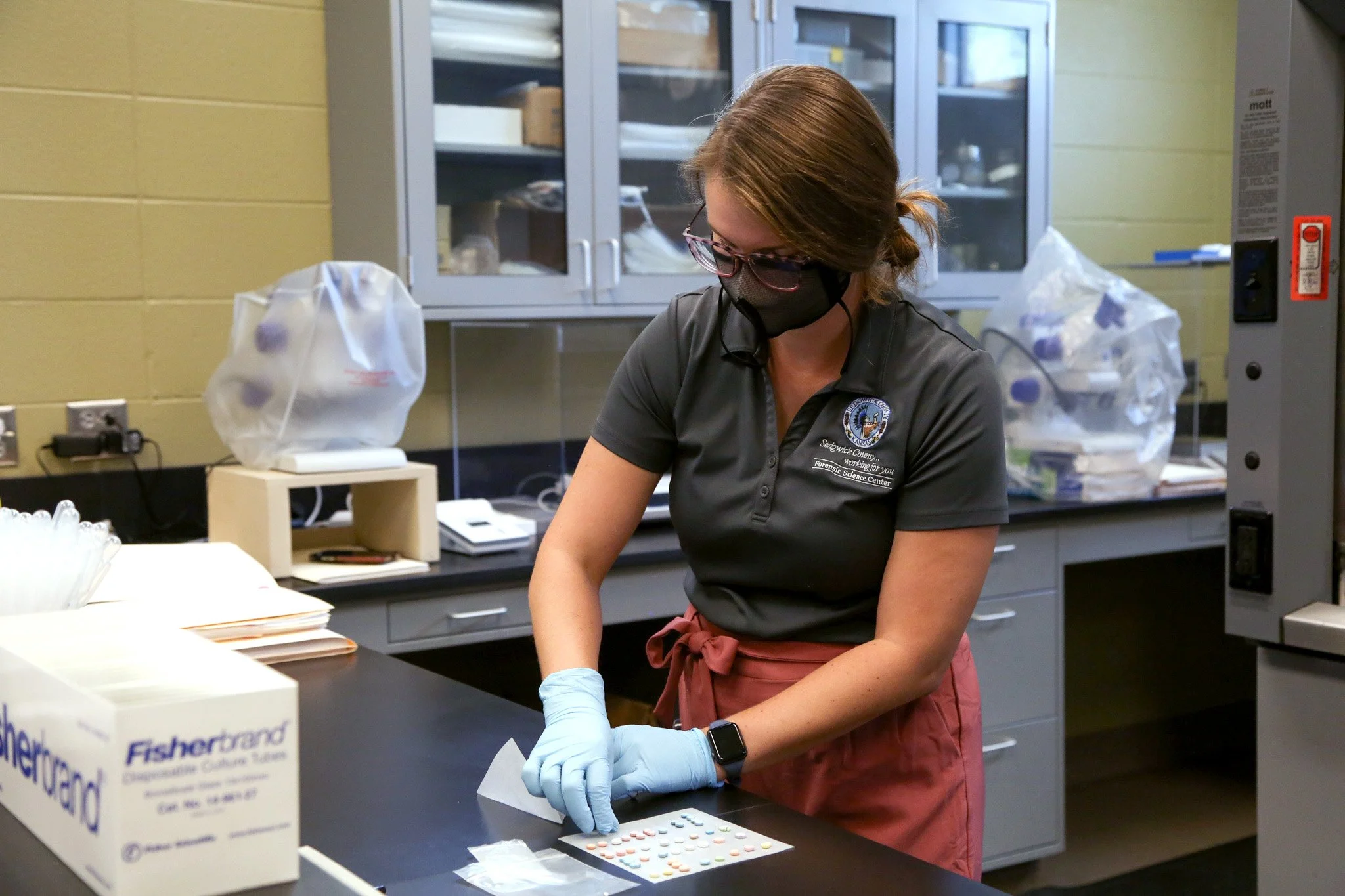
Forensic Lab Secures Approval for $20M Expansion
After more than a decade of advocacy, the Sedgwick County Regional Forensic Science Center secured approval for a $20 million expansion, advancing a project that links modernized lab infrastructure to improved forensic workflows, public safety, and justice delivery

Field of Dreams in West Texas
Mortui vivos docent: How “the dead teach the living” shaped a new vision for the Lubbock County Medical Examiner’s Office

JEDI: An Evolution Shaped by the Stories
As 2025 ends, the JEDI series reflects on its evolution from focusing on design concepts to highlighting the experiences and priorities of lab leaders—in 2026 it will formally stand for Justice, Endurance, Design, and Impact
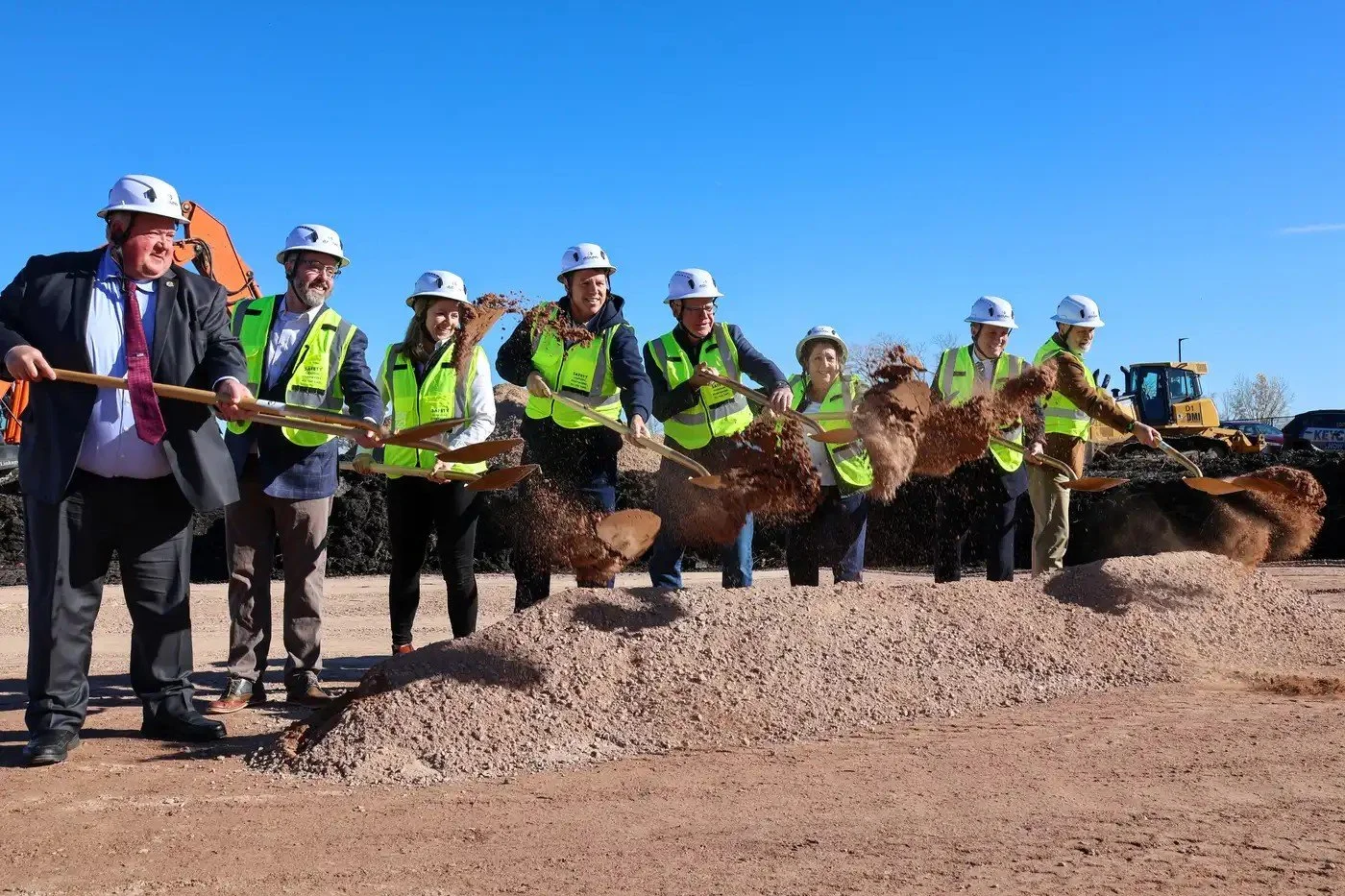
Crime Lab Groundbreaking Brings Modern Forensics Closer to Southern Minnesota
The new regional headquarters and crime lab for the Minnesota Bureau of Criminal Apprehension will expand forensic capacity, relieve overburdened facilities, and provide modern, flexible, and sustainable infrastructure that improves evidence processing, collaboration, and public safety across southern Minnesota
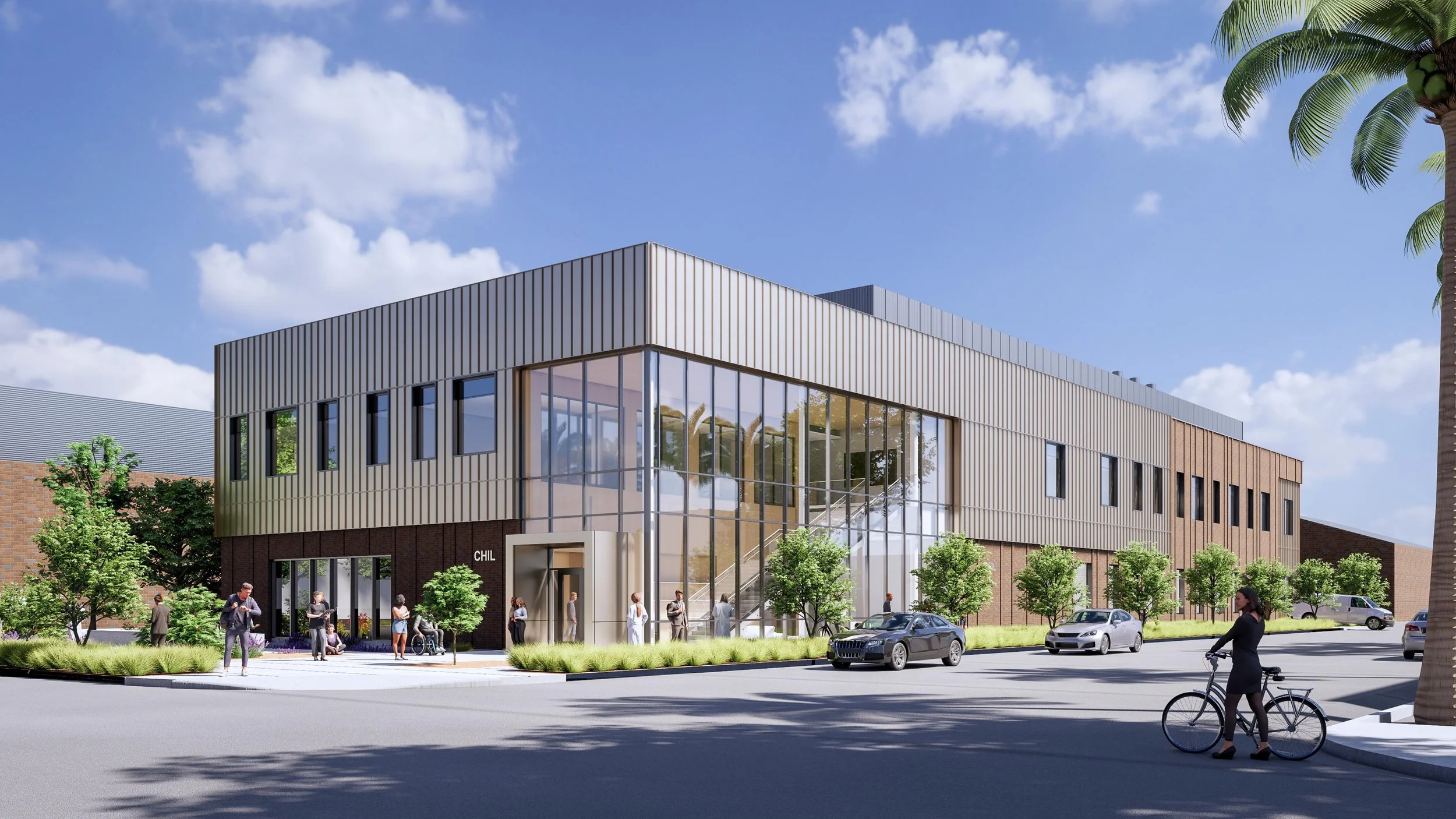
Chico State Breaks Ground on a Next-Generation Forensic Anthropology Laboratory
California State University, Chico has broken ground on its Human Identification Laboratory—a project that will triple capacity, modernize infrastructure, expand training and research, and strengthen statewide forensic anthropology support for law enforcement and public safety

What Crime Labs Need Now—and Tomorrow: Insights from Arkansas’ New Facility
The design and construction of the new Arkansas State Crime Laboratory highlight the importance of early user engagement, flexible infrastructure, and careful planning to meet evolving forensic science needs and operational workflows

Design Like a J.E.D.I.: Silent Heroes, Still Waiting: How Mitochondrial DNA Is Giving a Voice to the Missing and Hope to the Families Left Behind
To support the vital work of recovering, identifying, and honoring the remains of missing servicemembers through advanced DNA analysis, forensic laboratories must be purpose-built to enable the precise, contamination-free processing of ancient and mitochondrial DNA—making thoughtful lab design an essential foundation for reuniting families with those lost to war