
[[bpstrwcotob]]
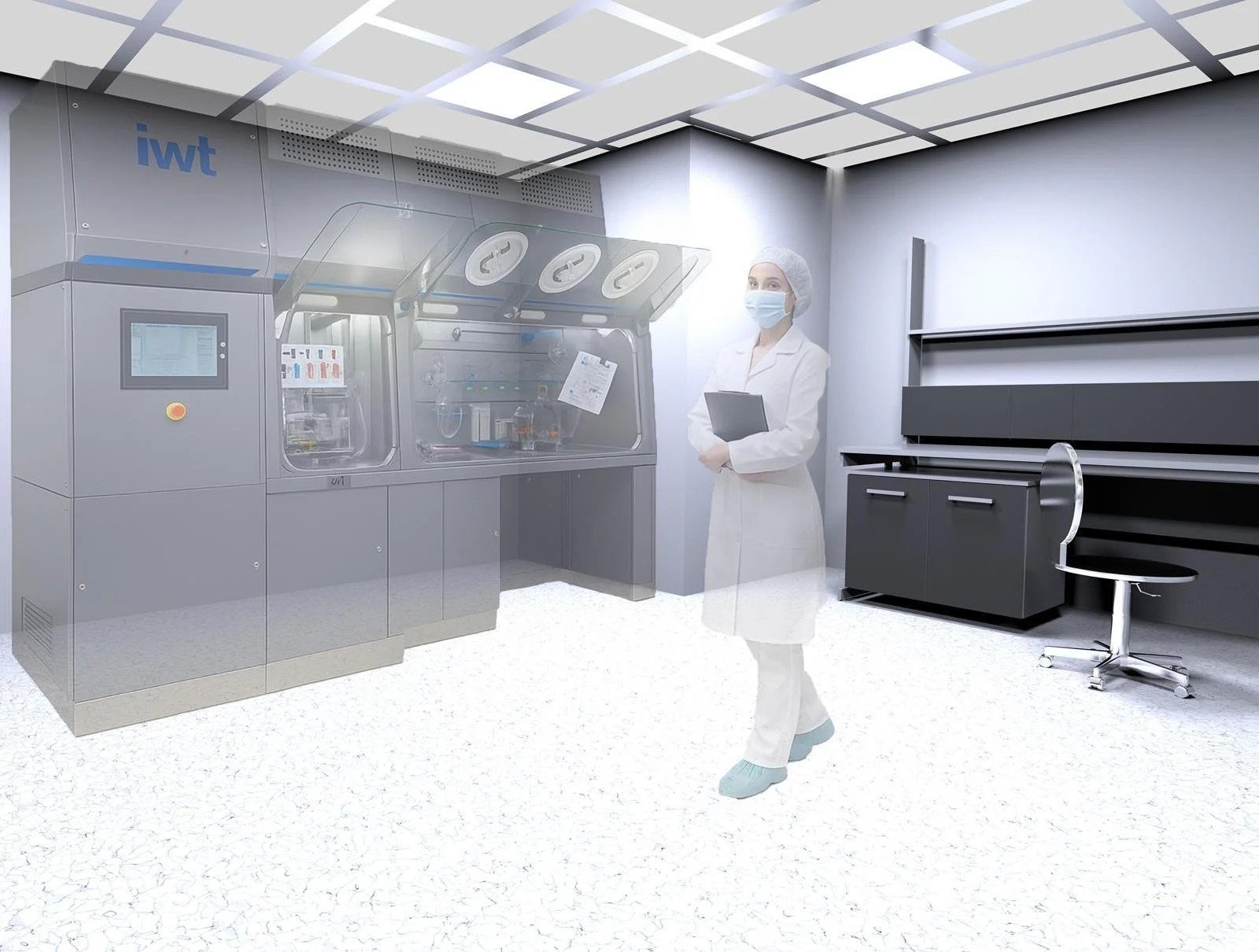
Cleanroom Fundamentals: Layout, Workflow, and Compliance Considerations
Designing a cleanroom requires early, process-driven planning that balances contamination control, regulatory compliance, specialized infrastructure, and user needs, because these highly controlled environments must be tailored to the science they support
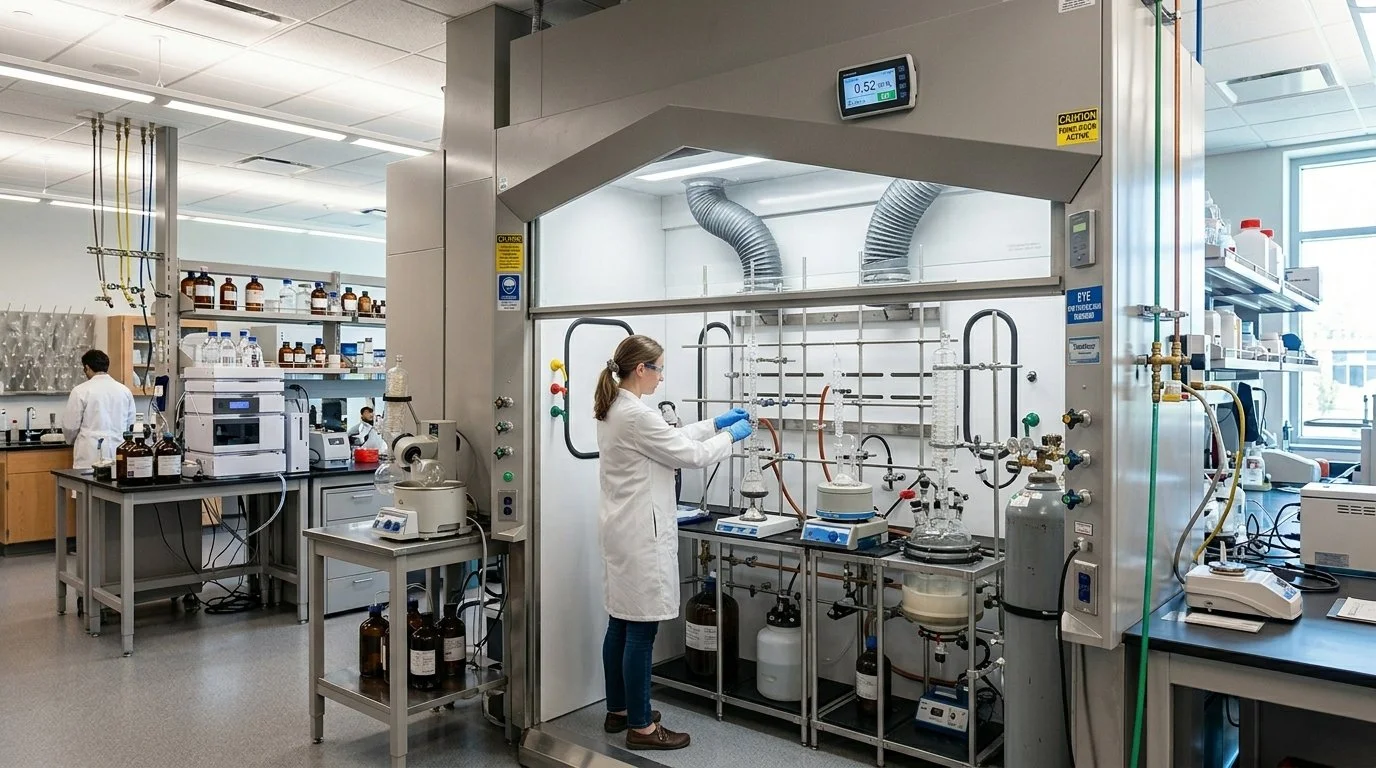
Walk-In Fume Hood Design: Distillation & Scale-Up Safety
By utilizing floor-mounted architectures, laboratory planners can safely enclose massive distillation columns and pilot-scale reactors, ensuring proper airflow dynamics while containing hazardous vapors during chemical scale-up.

GMP vs. Non-GMP Zones: Managing Personnel Flow
By designing rigorous airlocks and unidirectional gowning rooms, architects can enforce strict personnel flow, bridging the gap between uncontrolled office environments and classified GMP manufacturing zones.

Bioreactor Facility Design: Ceiling Heights and Utility Needs
By engineering high bay lab designs with scalable overhead utility drops, facility planners can safely accommodate the immense vertical and infrastructural demands of 500L+ skid-mounted bioreactors.
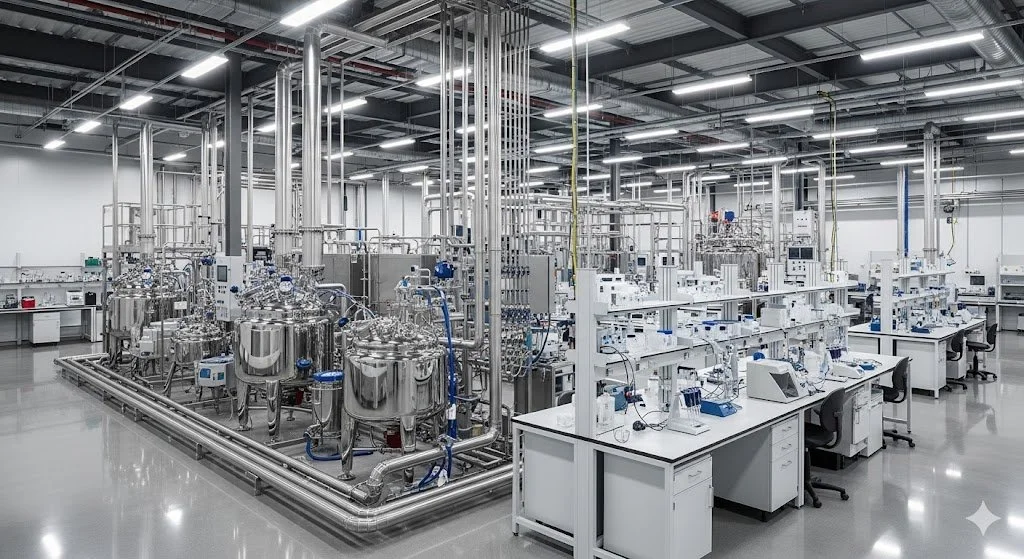
Pilot Plant Design: Bridging the Gap Between R&D and Manufacturing
By engineering flexible, hybrid spaces that accommodate both bench-scale analytics and industrial-sized equipment, facility planners can accelerate the transition from successful R&D to full-scale commercial production.
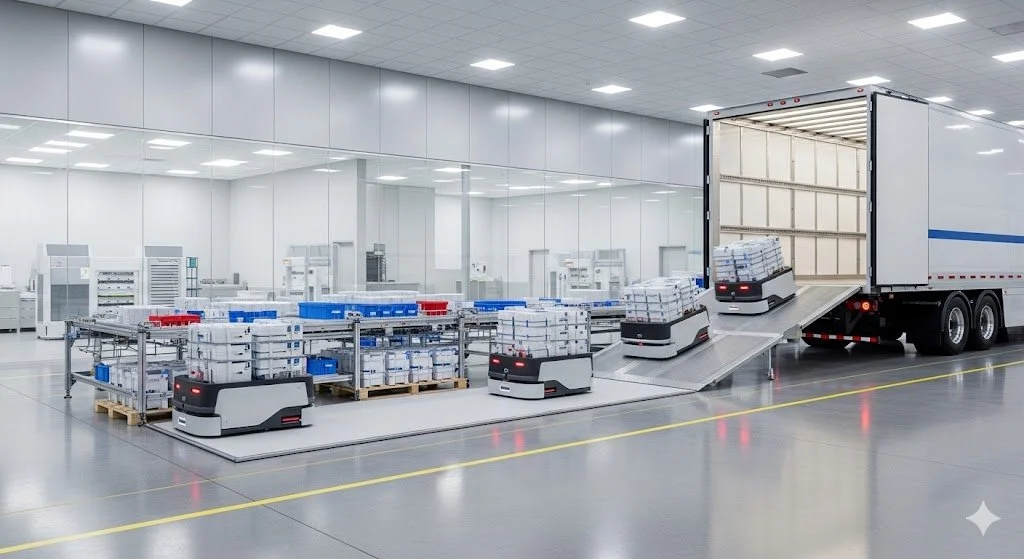
Just-in-Time Lab Logistics: Loading Dock & Supply Design
By transitioning from massive on-site warehousing to high-frequency, just-in-time delivery models, facility planners can shrink the non-scientific footprint and reallocate premium real estate to active research and development.
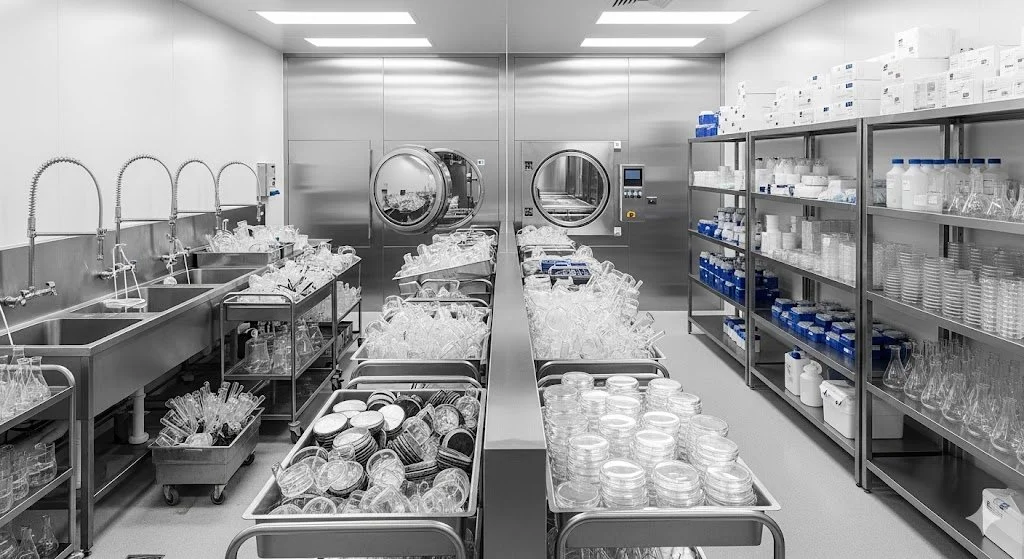
Glasswash & Autoclave Logistics: The Dirty-to-Clean Flow
Discover glasswash workflow principles to optimize decontamination. Learn how to use dirty clean flow and sterilization center design to maximize autoclave throughput.
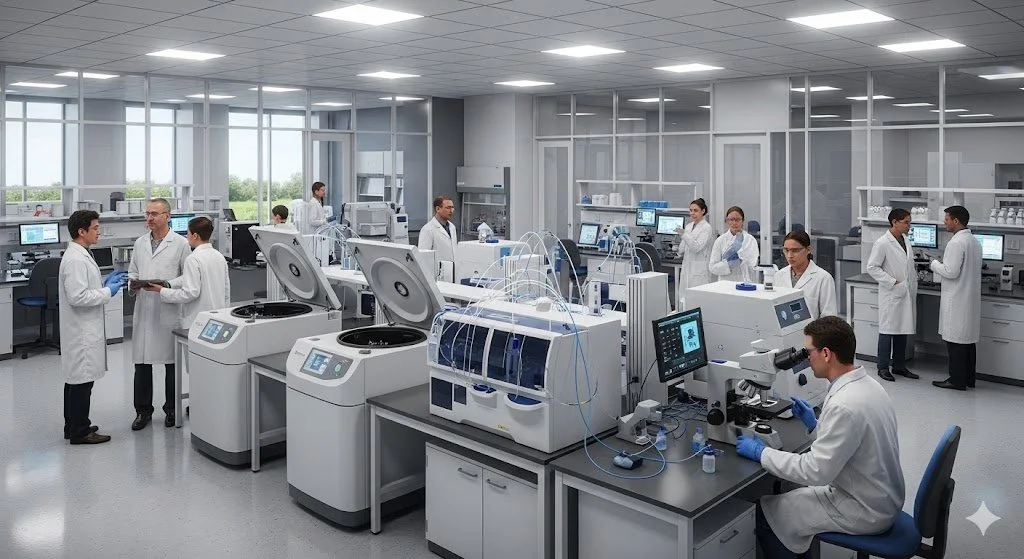
Shared Equipment Zones: The "Town Square" Concept
By transitioning from isolated, individual lab ownership to centralized shared equipment zones, facility planners can drastically reduce capital expenditures, optimize utility distribution, and foster spontaneous scientific collaboration.
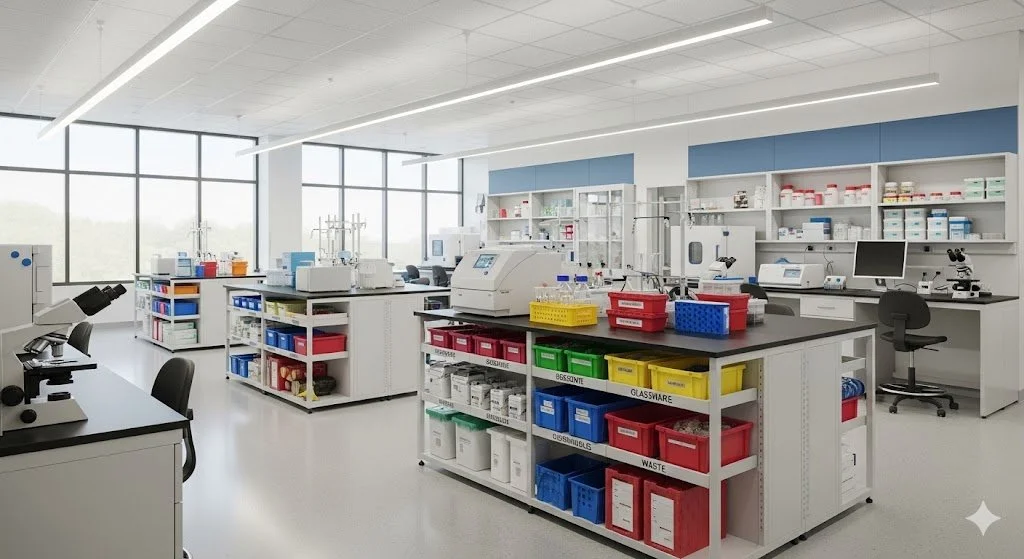
Point-of-Use Inventory: Eliminating the Central Stockroom
By transitioning from massive centralized supply rooms to decentralized point of use storage, laboratory architects can drastically reduce inventory hoarding, minimize transit time, and ensure scientists always have the exact materials needed right at the bench.
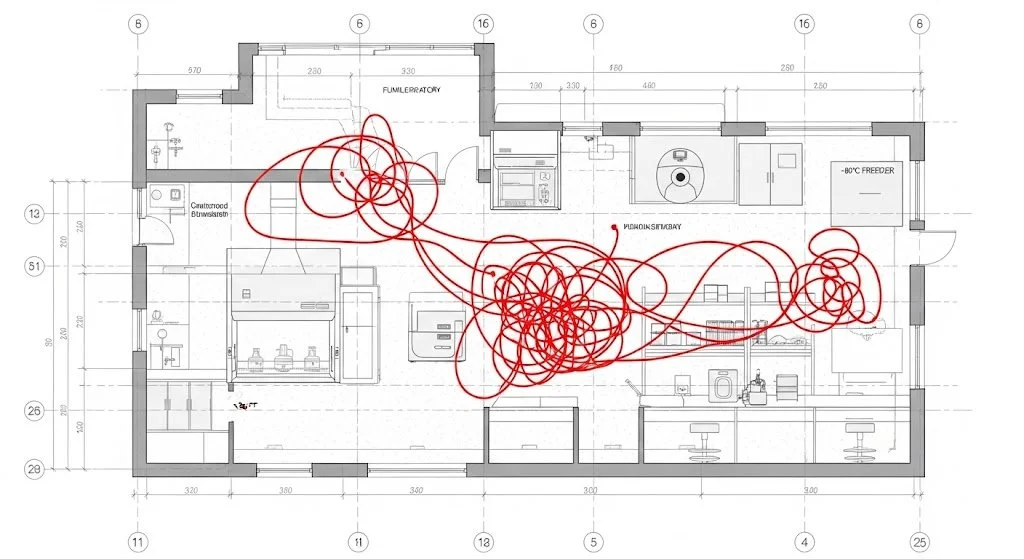
The Spaghetti Diagram: Mapping Waste in Layouts
By mapping the physical circulation of scientists through a facility, architects can identify severe adjacency failures, minimize unnecessary transit, and optimize casework placement to support high-efficiency scientific workflows.