
[[bpstrwcotob]]

Designing Space for Research to Grow
A $35 million expansion and renovation will add flexible research space, upgrade laboratory infrastructure, and create new opportunities for education and collaboration at the West Virginia School of Osteopathic Medicine
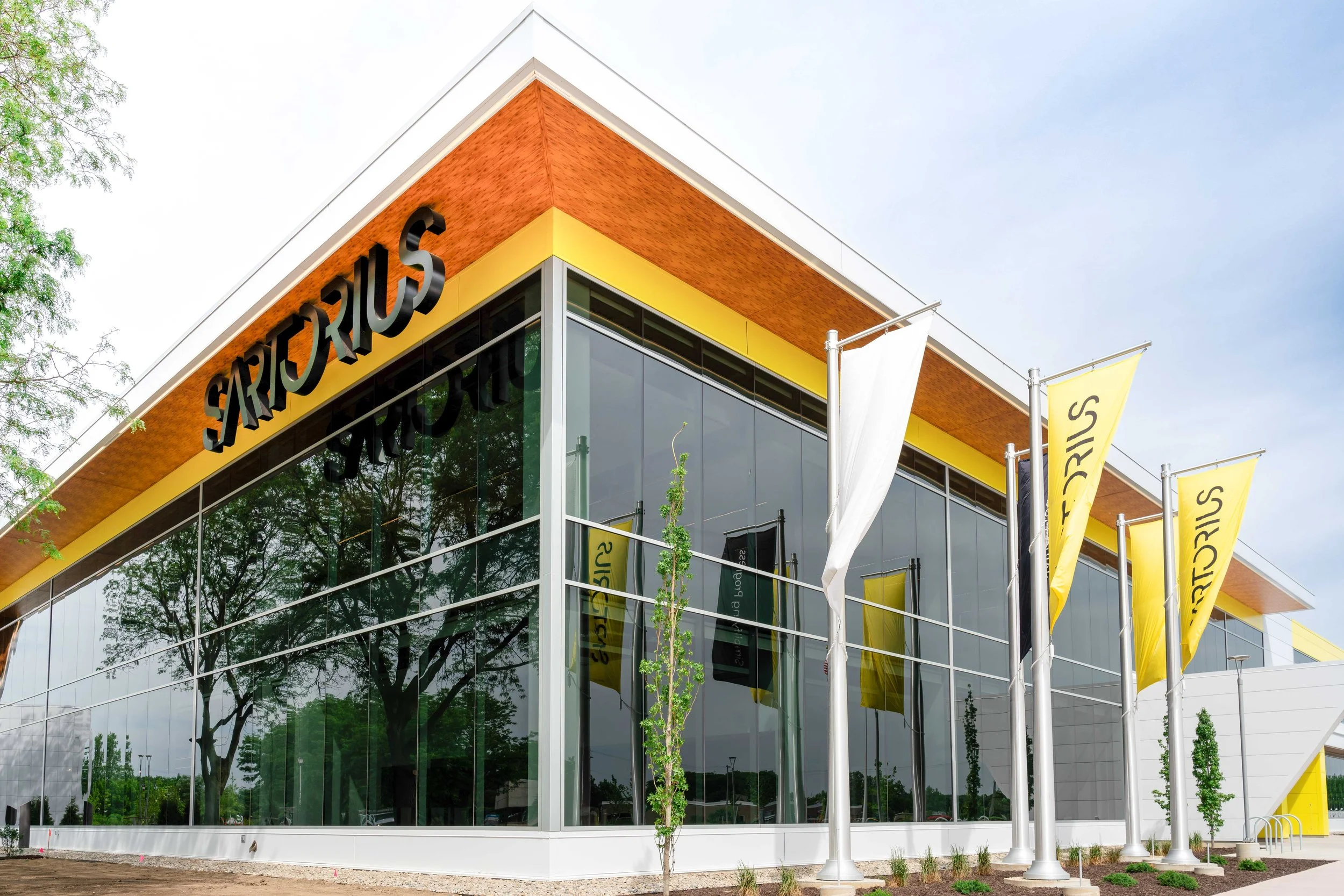
A Sustainable Approach to Bioanalytical Lab Design
Sartorius’ Ann Arbor bioanalytical facility demonstrates how laboratory performance requirements, sustainability goals, and site challenges can be balanced through careful planning and multidisciplinary collaboration
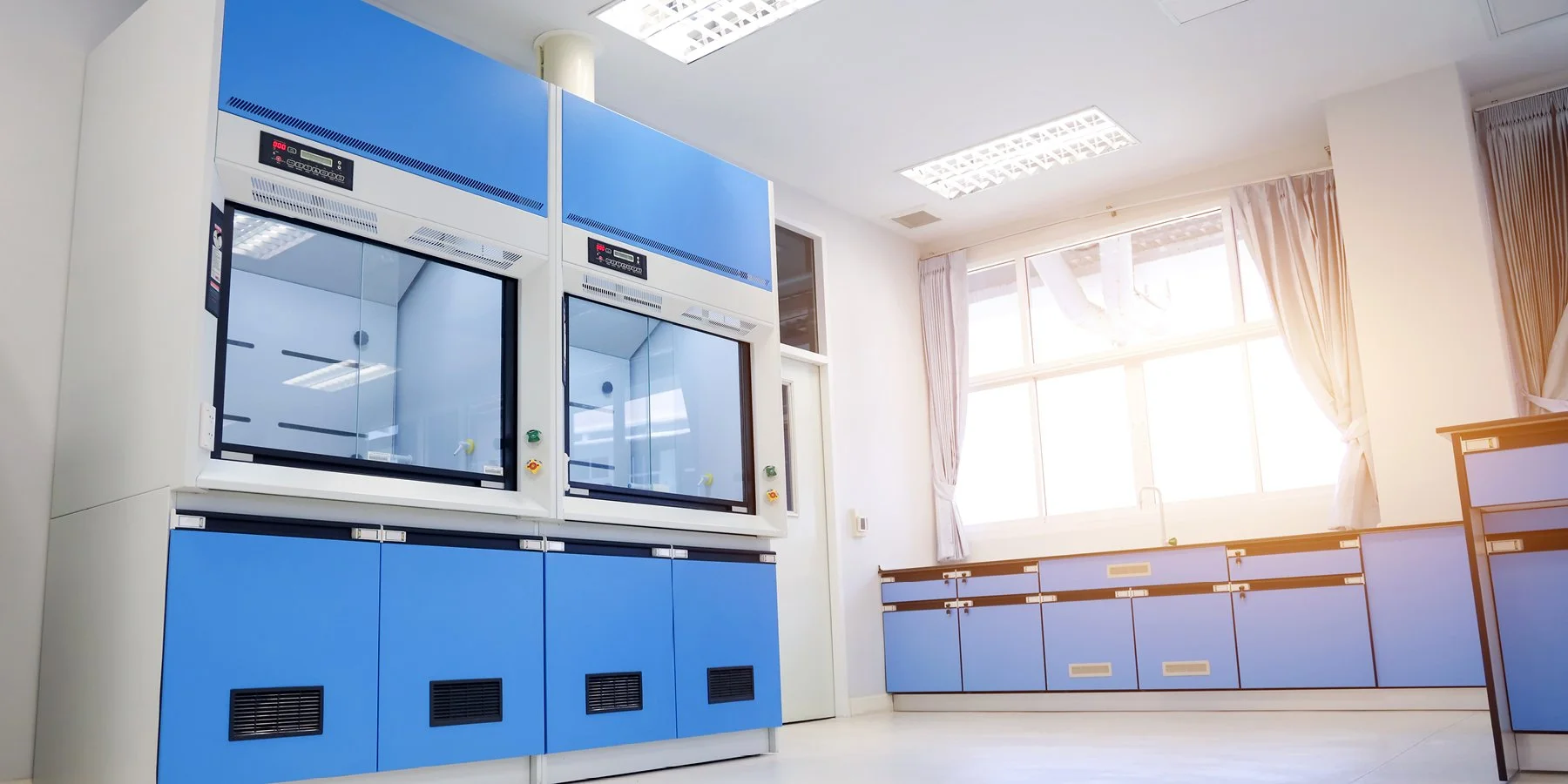
Beyond the Fume Hood: Strategies for Safer, More Efficient Lab Ventilation
Is your laboratory getting the most from its fume hoods? Learn how design, HVAC systems, maintenance, and user behavior can make a difference
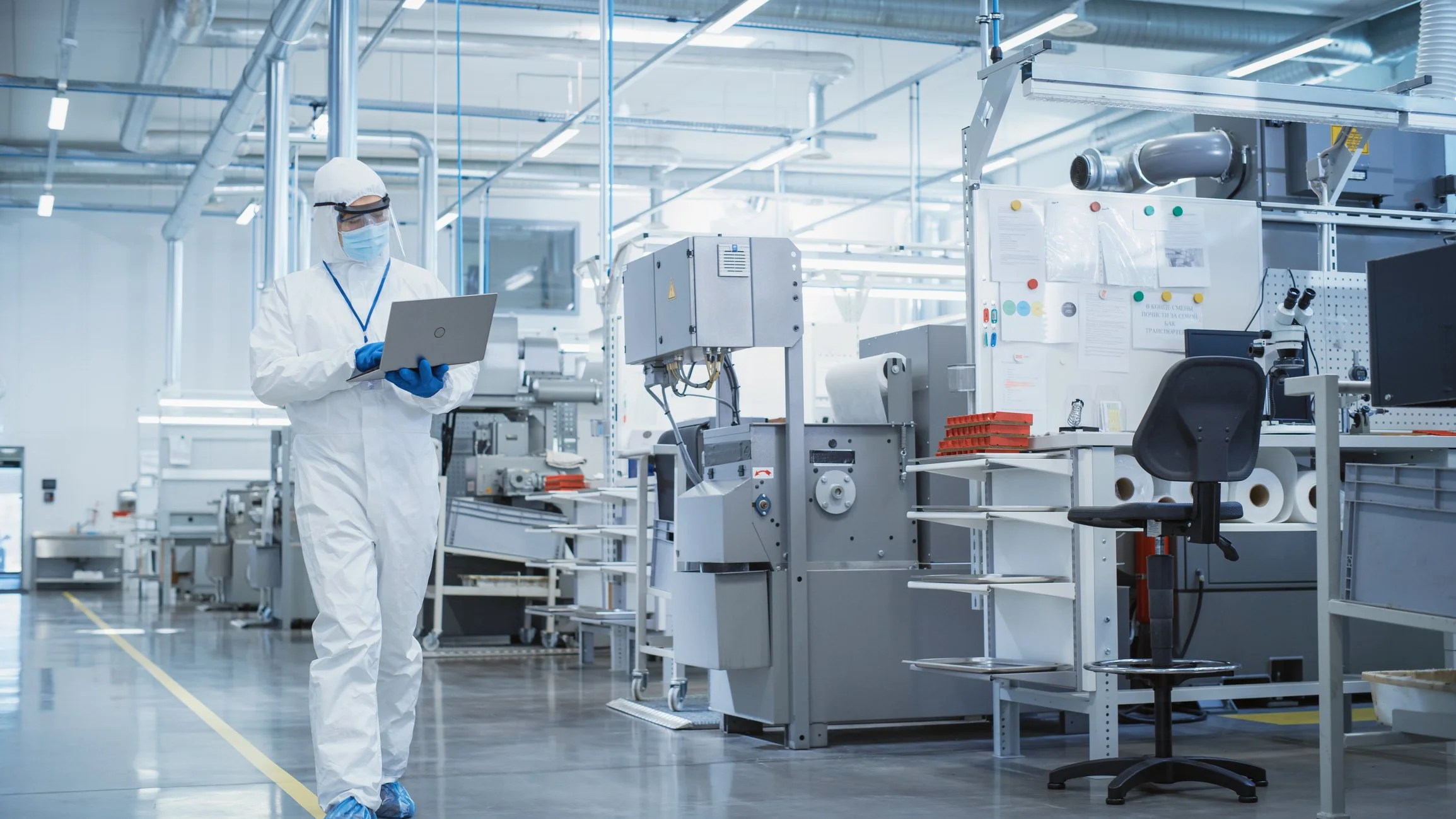
Holding the Line on Cleanroom Pressure: Keeping GMP Operations in Control
Designing, monitoring, and maintaining differential pressure to protect sterility and compliance
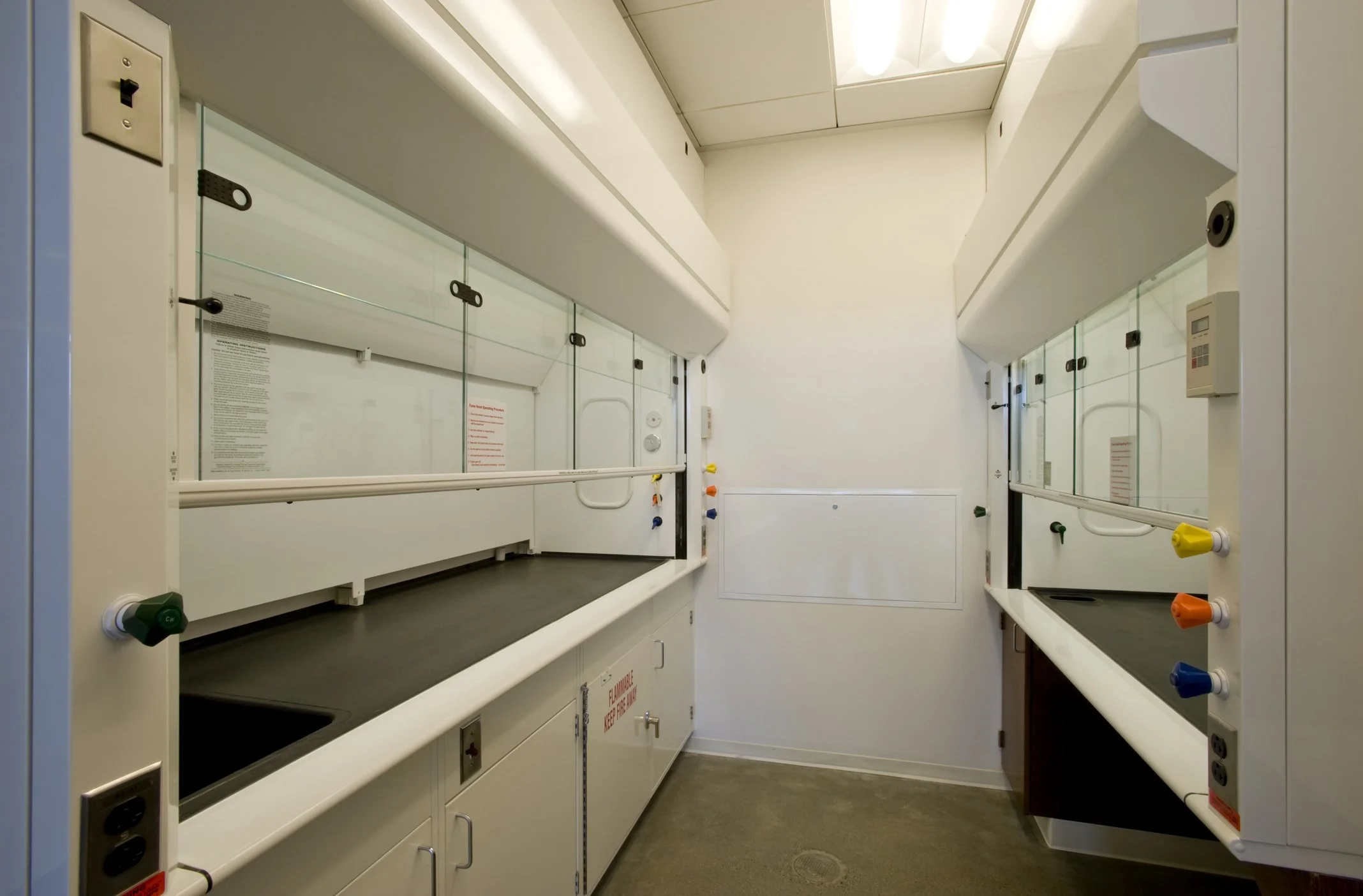
Beyond Equipment: The Hidden Impact of Laboratory Infrastructure
How integrated infrastructure helps laboratories improve safety and sustainability
Turning Industrial Space into a Modern Lab
Converting industrial space into a high-performance laboratory requires more than infrastructure upgrades. At the 2026 Lab Design Conference, Mukesh Jani explained why stakeholder engagement, healthy workplaces, and long-term planning were the keys to success
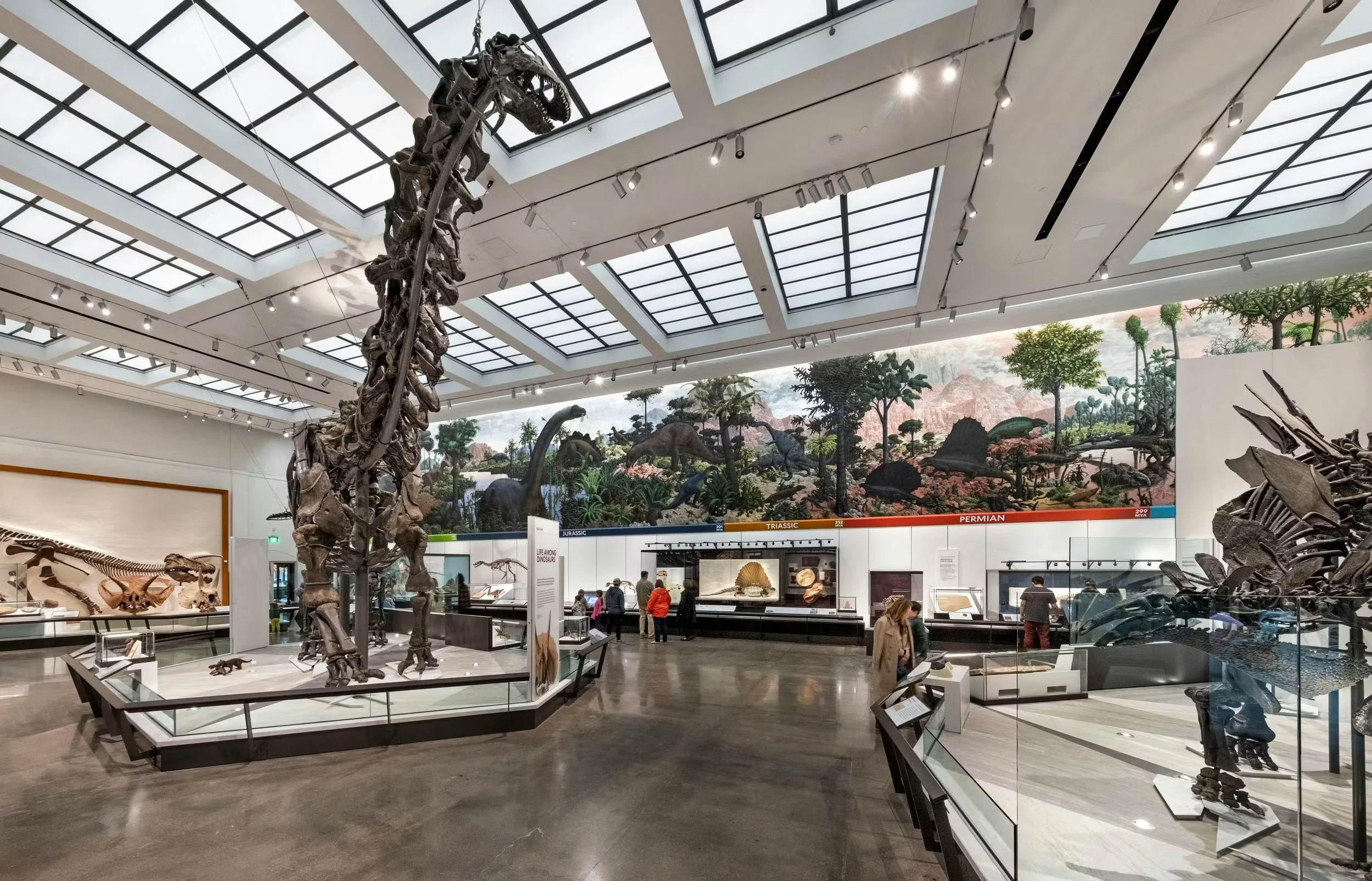
Yale Peabody Museum Expansion Wins AIA Award for Design Excellence
The award-winning Yale Peabody Museum expansion demonstrates how thoughtful laboratory planning, advanced building systems, and historic preservation can come together to create next-generation research environments

Engineering the Vanguard: UK Backs £580M Infrastructure Upgrade for New Biodefense Lab
A £580M capital investment at the secretive Wiltshire site will deliver the Ernest Bevin Laboratory to combat evolving global biological threats
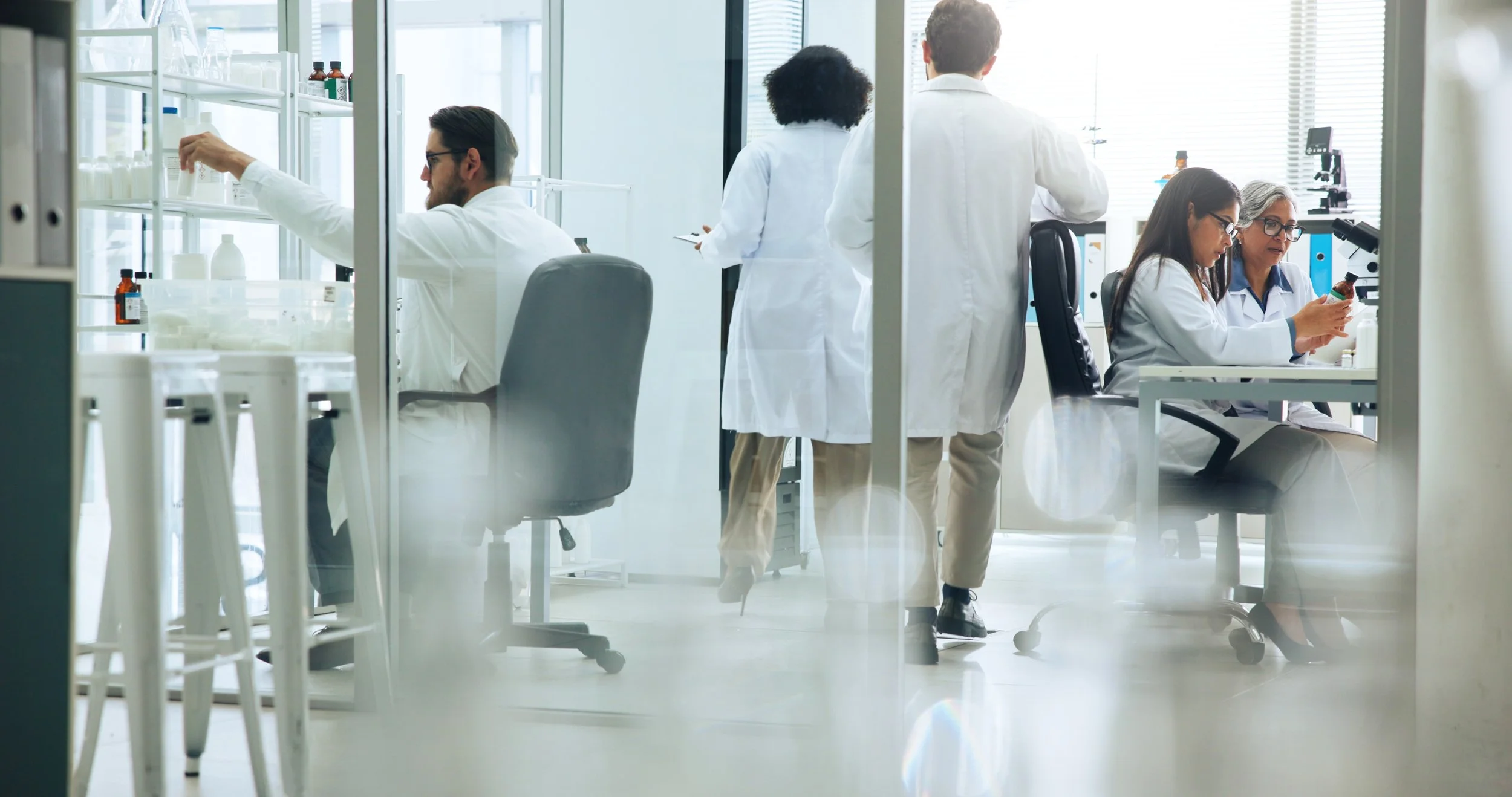
Protecting Long-Term Laboratory Building Performance: Designing Beyond Day One
Laboratory facilities achieve the best long-term performance when they are designed not only for current research needs, but also for decades of adaptability, maintainability, system reliability, and verifiable life-safety performance through proactive planning, integrated documentation, and ongoing building system management
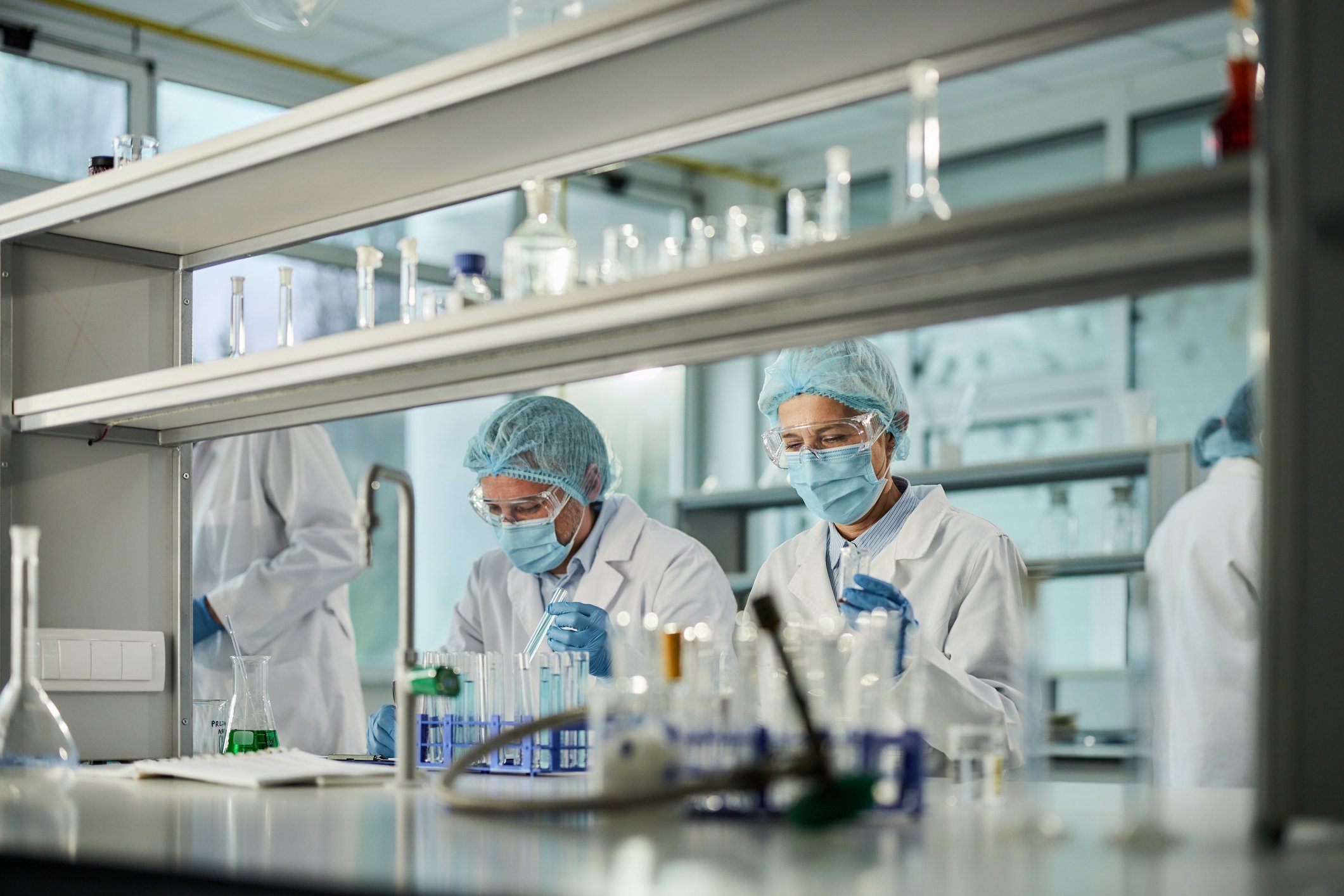
Why Laboratory Sustainability Efforts Need Better Data, Not Just Better Technology
As laboratories face increasing pressure to meet sustainability goals and building performance requirements, reliable facility data is becoming essential for benchmarking energy use, validating upgrades, securing incentives, and demonstrating long-term compliance