
[[bpstrwcotob]]
Laboratories Need an Identity Layer for Their Building Records
A structural failure during a Manhattan building conversion exposed the risks of disconnected facility records. For laboratories, where spaces evolve constantly, maintaining a continuous history of every system and modification may require a new approach to how facility identity is managed

Professional Profile: Kellie Matzinger
Kellie Matzinger discusses her career in microbiology and contamination control, the launch of First Onsite’s Life Sciences Division, and how specialized expertise can help organizations better prepare for critical environment challenges

Demand Response in Critical Environments: Can Cleanrooms and Labs Participate Safely?
Demand response can offer energy savings for laboratories and cleanrooms, but only when supported by rigorous planning, risk assessment, commissioning, and safeguards that protect safety and research operations

Protecting Long-Term Laboratory Building Performance: Designing Beyond Day One
Laboratory facilities achieve the best long-term performance when they are designed not only for current research needs, but also for decades of adaptability, maintainability, system reliability, and verifiable life-safety performance through proactive planning, integrated documentation, and ongoing building system management
An Architect’s Role in Brownfield Site Selection: What You Should Know
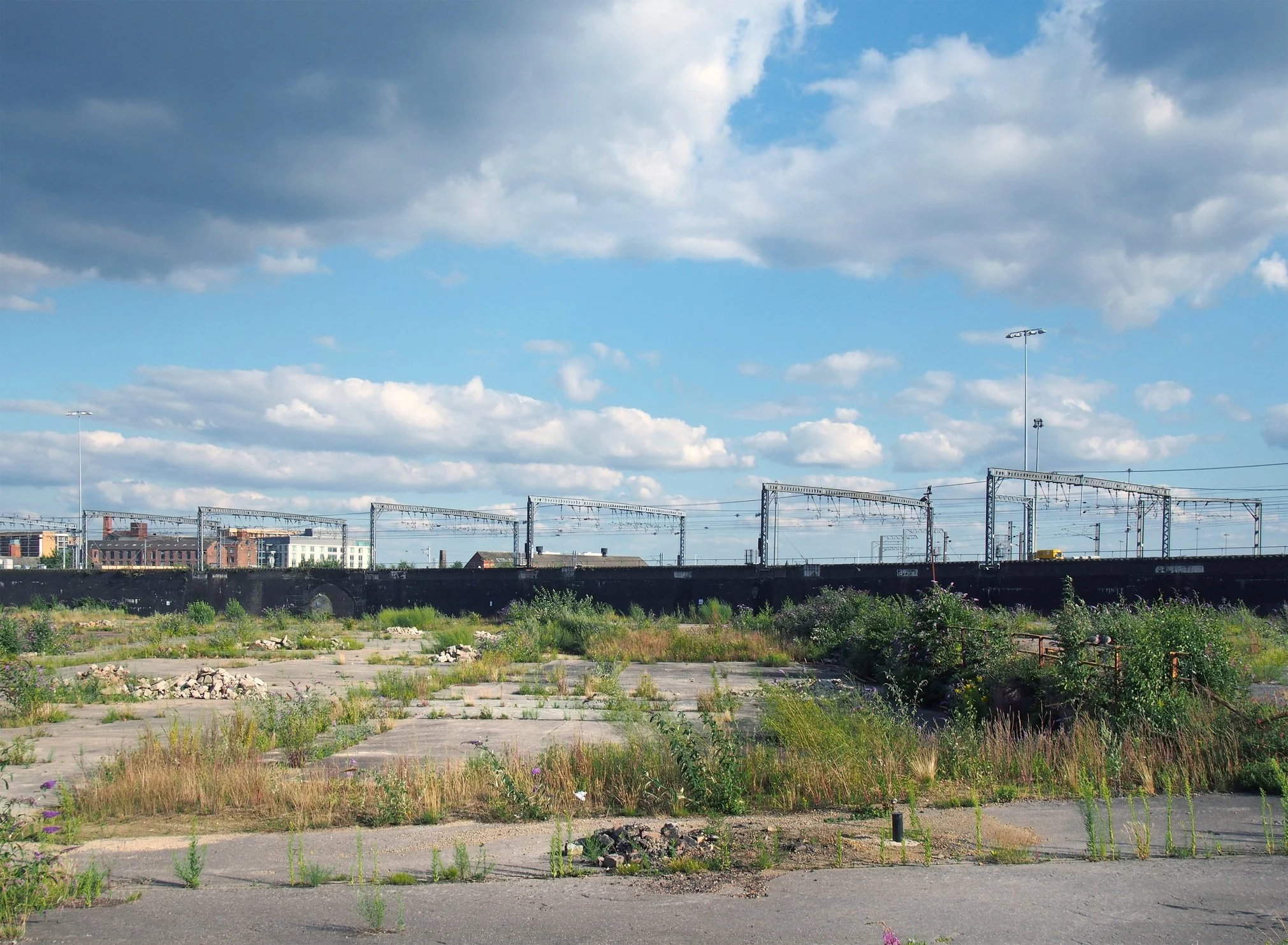
Involving architects early in brownfield site selection helps identify structural, infrastructure, compliance, and operational challenges before purchase, reducing risk, avoiding costly redesigns, and ensuring the facility can support current and future cGMP operations

Design Decisions That Protect Critical Environments
By integrating contamination control into early design decisions, laboratories can better align human behavior, facility performance, and operational resilience
Hands-On Workshops Kick Off Lab Design Conference
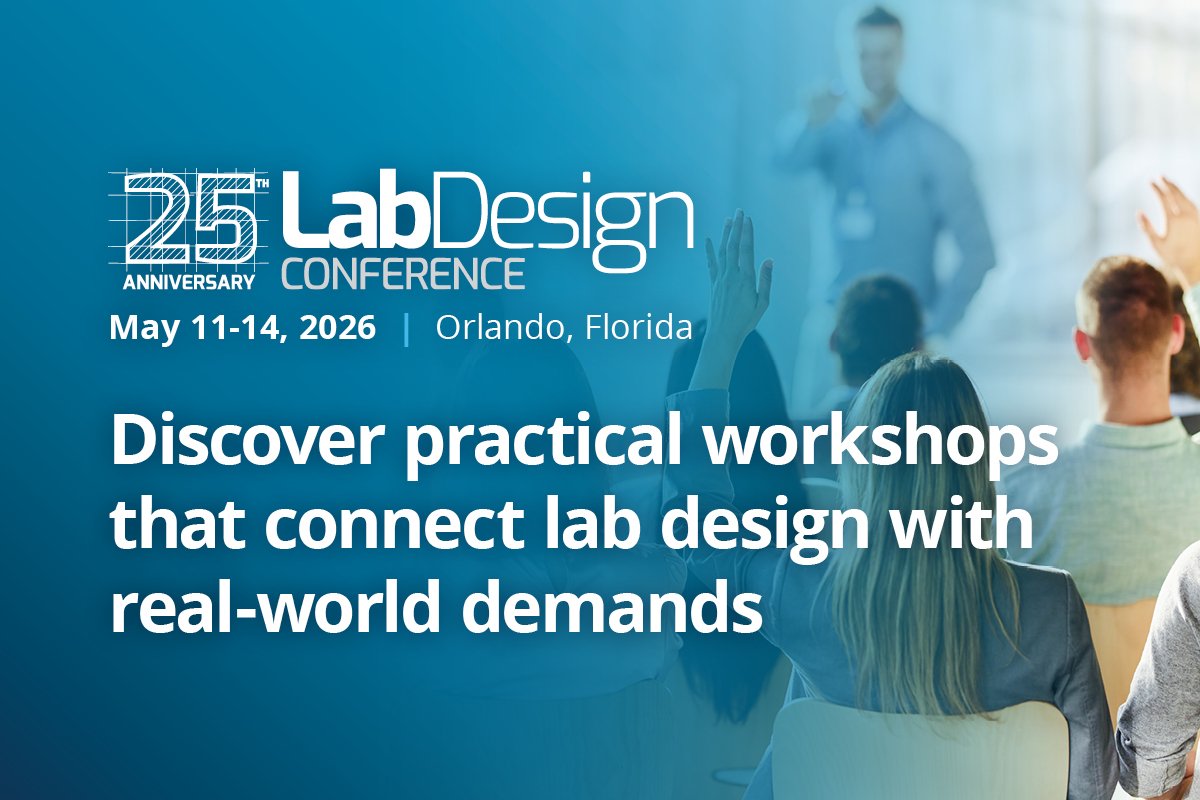
The 25th annual Lab Design Conference opened in Orlando with three interactive workshops that gave lab project teams, end users, and industry partners hands-on strategies for addressing key challenges in laboratory planning and design
Two Plead Guilty in Connection with Harvard Lab Explosion
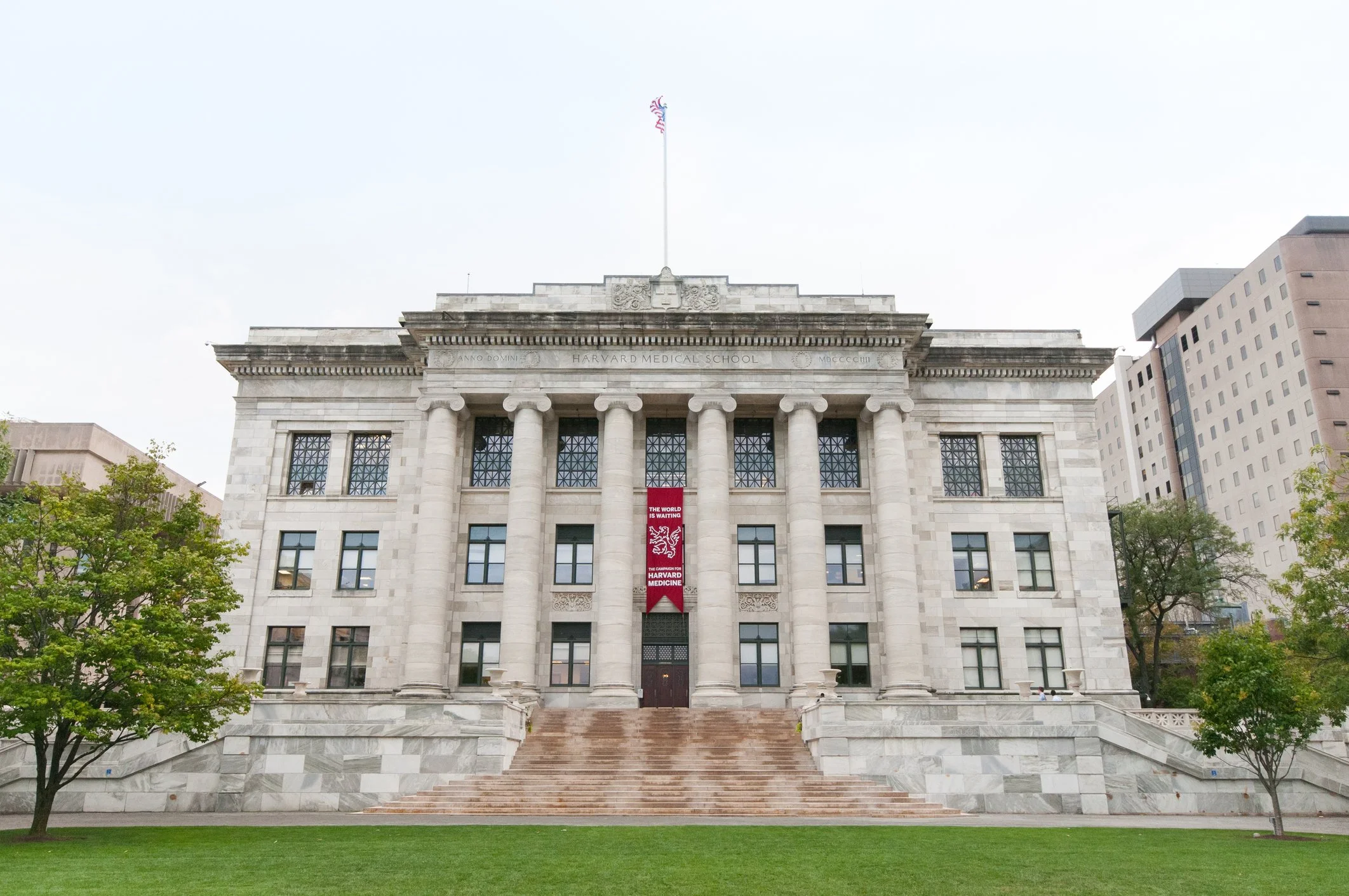
After two Massachusetts men pleaded guilty to detonating a commercial firework inside a Harvard Medical School research lab, a Lab Design News conversation with safety expert Dan Scungio explores how safety-centric design strategies can help protect facilities against both accidental and intentional risks
Maximize Your Lab Design Conference Experience with Hands-On Workshops
At the Lab Design Conference in Orlando, attendees can enhance their experience by adding a hands-on workshop to their ticket—each session offers practical strategies on workflow-driven design, risk management, or code compliance, and with limited spots filling quickly, early registration is strongly encouraged

The Importance of Early Planning for Laboratory Equipment and Instrumentation
Laboratory expansions and relocations succeed only when facility planning fully accounts for the interdependence of intellectual property, people, and especially instrumentation, since overlooked equipment requirements can compromise workflows, data quality, and overall scientific productivity