
Protecting Long-Term Laboratory Building Performance: Designing Beyond Day One
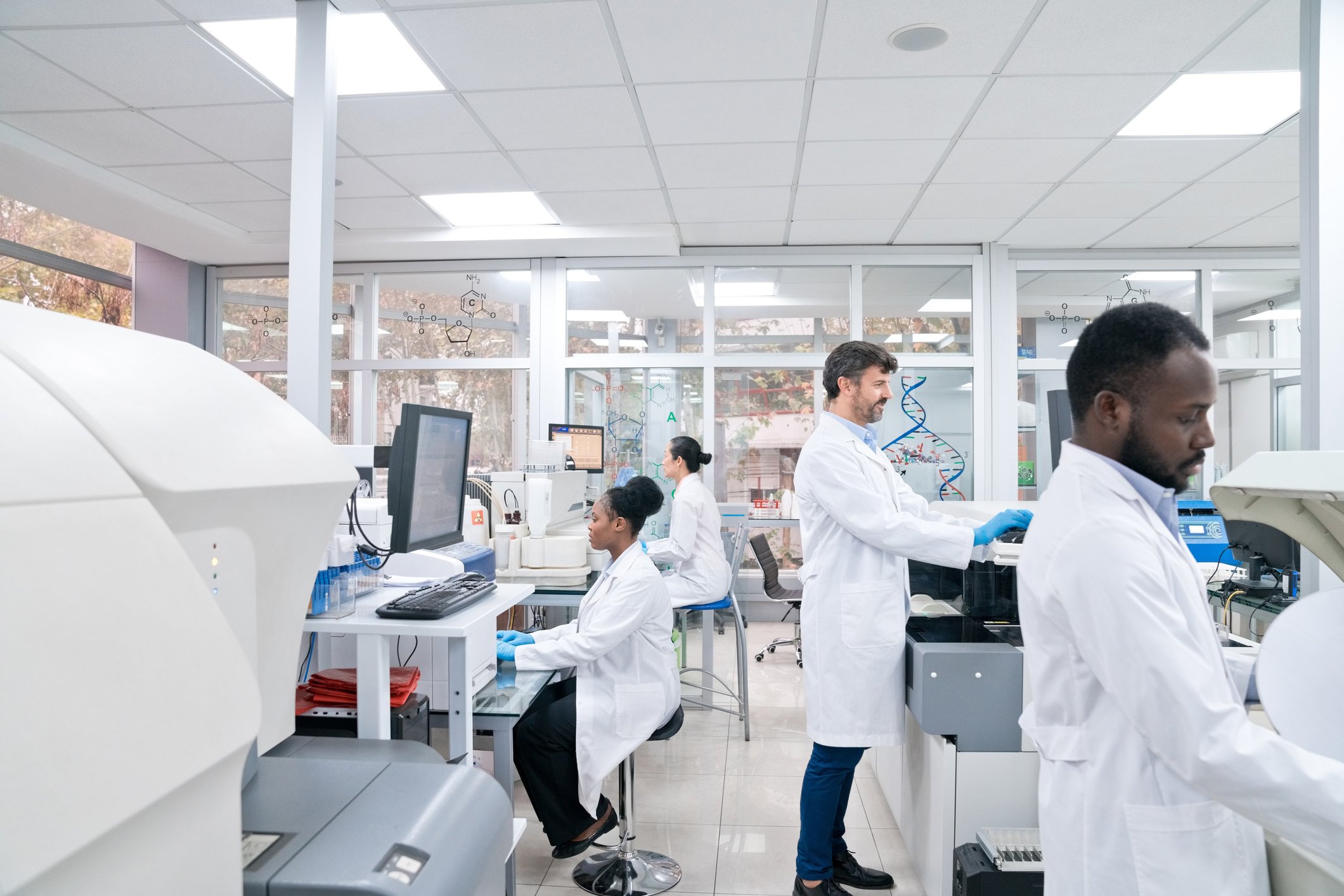
Thoughtful planning, adaptable building systems, and lifecycle-focused decision-making are essential to preserving long-term performance, safety, and functionality in laboratory facilities.
Laboratory facilities are among the most complex building types to design, construct, and maintain. Their sophisticated mechanical systems, stringent safety requirements, and rapidly evolving research programs create unique challenges for owners seeking to maximize building performance over decades rather than just at project completion.
While significant attention is often given to meeting immediate program requirements and construction schedules, long-term performance depends on decisions made throughout the planning, design, construction, and operational lifecycle. According to Neall Digert, PhD, MIES, vice president of Innovation and Market Development at Kingspan Light + Air and Solatube International, many laboratories experience performance issues not because they were poorly conceived, but because they were not adequately prepared for the realities of long-term use.
The gap between design intent and operational reality
One of the most common challenges facing laboratory facilities is the growing disconnect between original design assumptions and future research needs. Laboratories are frequently designed around a specific research program, equipment set, or operational model. However, scientific disciplines evolve quickly, and research organizations often find themselves adapting spaces far sooner than anticipated.
“There’s often a disconnect between the design intent and long-term real-world use,” says Digert. “Labs are often designed for a specific program/function, but the reality is that research science and the associated lab equipment and processes evolve rapidly, leading to functional misalignment within a few years.”
This challenge is compounded by the inherently rigid nature of many laboratory infrastructure systems. Fixed HVAC zoning, hard-ducted exhaust systems, and highly specialized room configurations can make future modifications difficult and expensive. As research priorities shift, facilities may require substantial renovations simply to accommodate new equipment or workflows.
For owners and design teams, this highlights the importance of flexibility as a core performance metric rather than a desirable feature.
Defining long-term performance
Historically, building performance has often been measured through energy efficiency, uptime, or occupant satisfaction. In laboratory environments, however, the definition is far broader.
“Successful long-term performance requires the consistent and persistent delivery of life safety system functionality (e.g., smoke control, pressurization, containment) over decades,” says Digert.
At the same time, laboratory systems must remain operationally reliable while managing energy consumption. High air-change rates, specialized exhaust systems, and intensive equipment loads make laboratories some of the most energy-intensive buildings in the built environment.
According to Digert, successful facilities must also demonstrate adaptability. “Successful laboratory spaces require the ability to accommodate new and evolving research types, equipment, and regulatory changes with minimal disruption of the functional space.”
Viewed through this lens, long-term performance becomes a balance of safety, reliability, energy efficiency, and future flexibility.
Systems most vulnerable to performance degradation
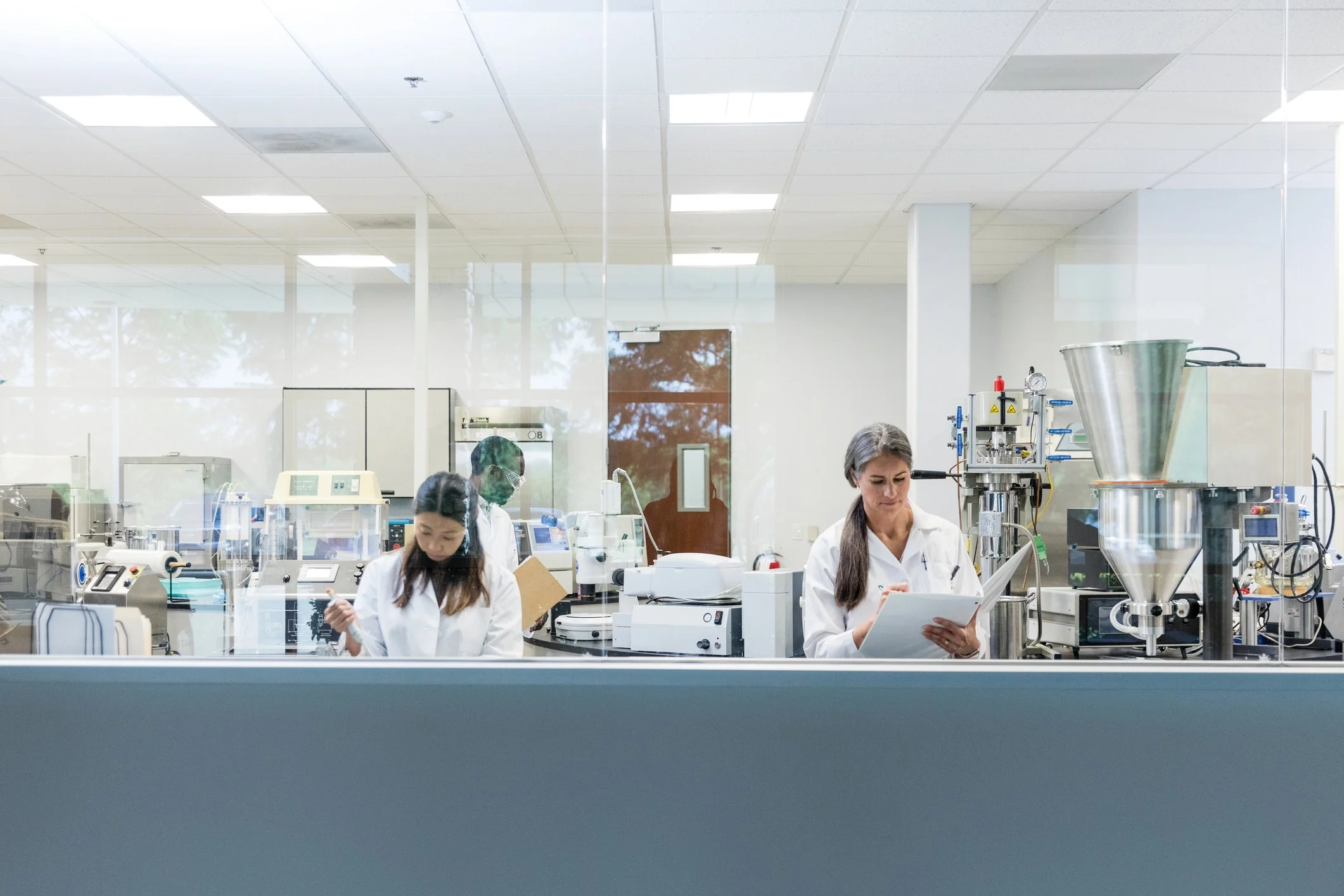
Designing laboratory systems for safe maintenance access, standardized operations, and digital lifecycle management can improve reliability, simplify upkeep, and support long-term building performance.
While every building system experiences some degree of aging, certain laboratory systems are particularly vulnerable to long-term performance decline. HVAC infrastructure typically presents the greatest risk. Laboratory ventilation systems operate continuously, often under highly variable conditions, and depend on precise control sequences to maintain safety and environmental requirements.
Digert notes that long-term degradation frequently occurs through sensor drift, calibration issues, and the gradual deterioration of airflow control devices and fume hood systems. Because these systems operate around the clock, even small performance deviations can accumulate over time, affecting both safety and energy efficiency.
Building envelope systems represent another common vulnerability. Thermal cycling, weather exposure, material aging, and installation deficiencies can all contribute to declining performance.
As air and moisture barriers deteriorate, facilities may experience increased infiltration, energy loss, and moisture-related issues. In highly controlled laboratory environments, these seemingly minor deficiencies can have outsized impacts on environmental control and operating costs.
Life safety systems also require particular attention. Smoke control systems, pressurization strategies, fire alarms, fans, dampers, and building controls are highly interconnected. Changes to one system can unintentionally affect another.
“Driven by lack of periodic integrated testing and system modifications, the interdependencies between fans, dampers, controls, and fire alarm systems create problematic failure points over time,” Digert says.
Designing for inspection, testing, and maintenance
One of the most effective ways to protect long-term building performance is to account for inspection, testing, and maintenance requirements during the earliest planning stages. Too often, critical components are located in difficult-to-access areas, making routine maintenance disruptive, expensive, or deferred altogether.
“It is essential that laboratory design and detailing ensure safe and convenient access to critical components (e.g. dampers, sensors, valves, control panels) without disrupting space operations,” says Digert.
Early engagement with facility management teams can also improve long-term outcomes. Maintenance personnel often possess valuable insights into operational realities that may not be fully considered during design.
Incorporating code-required testing procedures into design documentation, standardizing system components where possible, and developing repeatable operating sequences can simplify future maintenance while reducing training requirements for facility staff.
Digital tools are increasingly supporting these efforts. Building information modeling (BIM), digital twins, and integrated commissioning records can help owners better understand system relationships and identify issues more quickly throughout the building lifecycle.
The importance of documentation and data continuity
As laboratory facilities age, staff turnover, system modifications, and organizational changes can erode institutional knowledge. Comprehensive documentation serves as a critical safeguard against this loss.
“Providing clear, detailed, and easily-accessible design and system documentation serves as the foundation for long-term lifecycle performance and ensures that systems can be operated and maintained as intended,” says Digert.
Increasingly, owners are also seeking greater visibility across building systems through integrated platforms that connect building automation systems, fire alarm systems, and life safety controls. These integrated approaches provide facility teams with a more comprehensive view of building performance and system interactions.
Real-time monitoring and digital twin technologies further enhance visibility by enabling predictive maintenance and earlier detection of performance degradation before failures occur.
A shift toward lifecycle accountability
Perhaps the most significant trend emerging in laboratory facility delivery is a growing emphasis on measurable, long-term outcomes. Rather than focusing solely on first cost or project completion, owners are increasingly evaluating solutions based on lifecycle performance metrics such as energy use, system uptime, and containment effectiveness. Owners are increasingly adopting performance-based procurement strategies and recognizing the value of long-term service agreements that include performance guarantees, notes Digert.
At the same time, advances in building digitization and smart building technologies are providing new opportunities for manufacturers and service providers to support facilities through real-time monitoring, analytics, and remote diagnostics.
For laboratory owners, the message is clear: protecting building performance requires more than achieving design intent at occupancy. Long-term success depends on creating facilities that can be maintained, monitored, adapted, and verified throughout decades of scientific evolution. By prioritizing lifecycle thinking from the earliest stages of planning, project teams can deliver laboratories that remain safe, resilient, and high-performing well beyond day one.