
GSA and FDA Break Ground on $228M BSL-3 Food Safety Lab in Denver
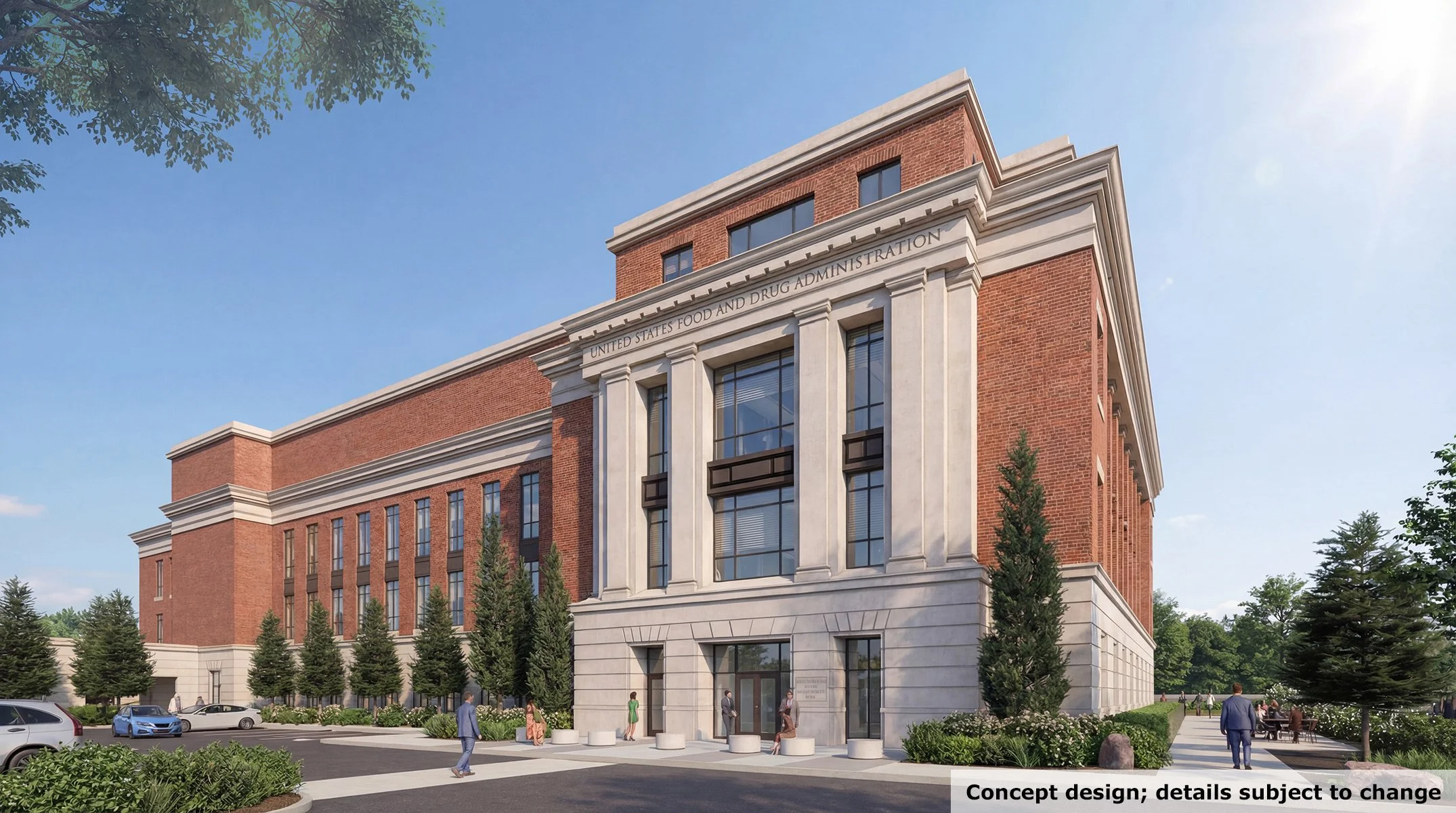
Officials gather at the Denver Federal Center to break ground on the FDA's new $228 million, BSL-3-equipped regional food safety facility, scheduled for completion in early 2029. Image: Courtesy of GSA
Editor's Note: Federal laboratory infrastructure is undergoing a significant transition as agencies balance high-containment biosafety demands with evolving architectural mandates. This $228 million groundbreaking at the Denver Federal Center highlights how modern containment standards—specifically Biosafety Level 3 operations—are being integrated into highly structured civic footprints. For laboratory planners and engineers, the project underscores the complexities of mechanical redundancy, directional airflow control, and long-term asset modernization within a shifting regulatory landscape.
The US General Services Administration (GSA) and the US Food and Drug Administration (FDA) have officially broken ground on a $228 million regional laboratory at the Denver Federal Center. This purpose-built facility represents a major infrastructure shift for the agencies, replacing outdated regional workspaces with advanced scientific environments designed to manage large-scale foodborne illness outbreaks and chemical testing.
High-containment engineering west of the Mississippi
The centerpiece of the new Denver facility is its containment capability, which will establish the FDA’s only Biosafety Level 3 (BSL-3) laboratory footprint west of the Mississippi River. Engineering a BSL-3 environment demands rigorous mechanical segregation and strict adherence to biosafety protocols to ensure researchers can safely handle indigenous or exotic agents that may cause serious or potentially lethal disease via inhalation.
To support these high-consequence operations, the facility’s interior architecture incorporates controlled-access zoning and a sustained directional airflow system. This specialized HVAC configuration ensures that air consistently flows from clean areas into the containment zones, preventing the outward migration of airborne pathogens. Designing such robust environmental controls requires deep integration between mechanical systems and architectural barriers—a core focus for modern high-containment facilities trying to mitigate long-term operational risks.
“Laboratories are vital to the FDA’s mission to ensure the safety of the nation’s food supply,” says Kyle Diamantas, acting FDA commissioner. “The groundbreaking of this modernized facility represents an investment in our future, better enabling FDA to advance its food safety priorities and other strategic commitments aimed at elevating the health and wellness of Americans.”
Balancing classical aesthetics with scientific workflows
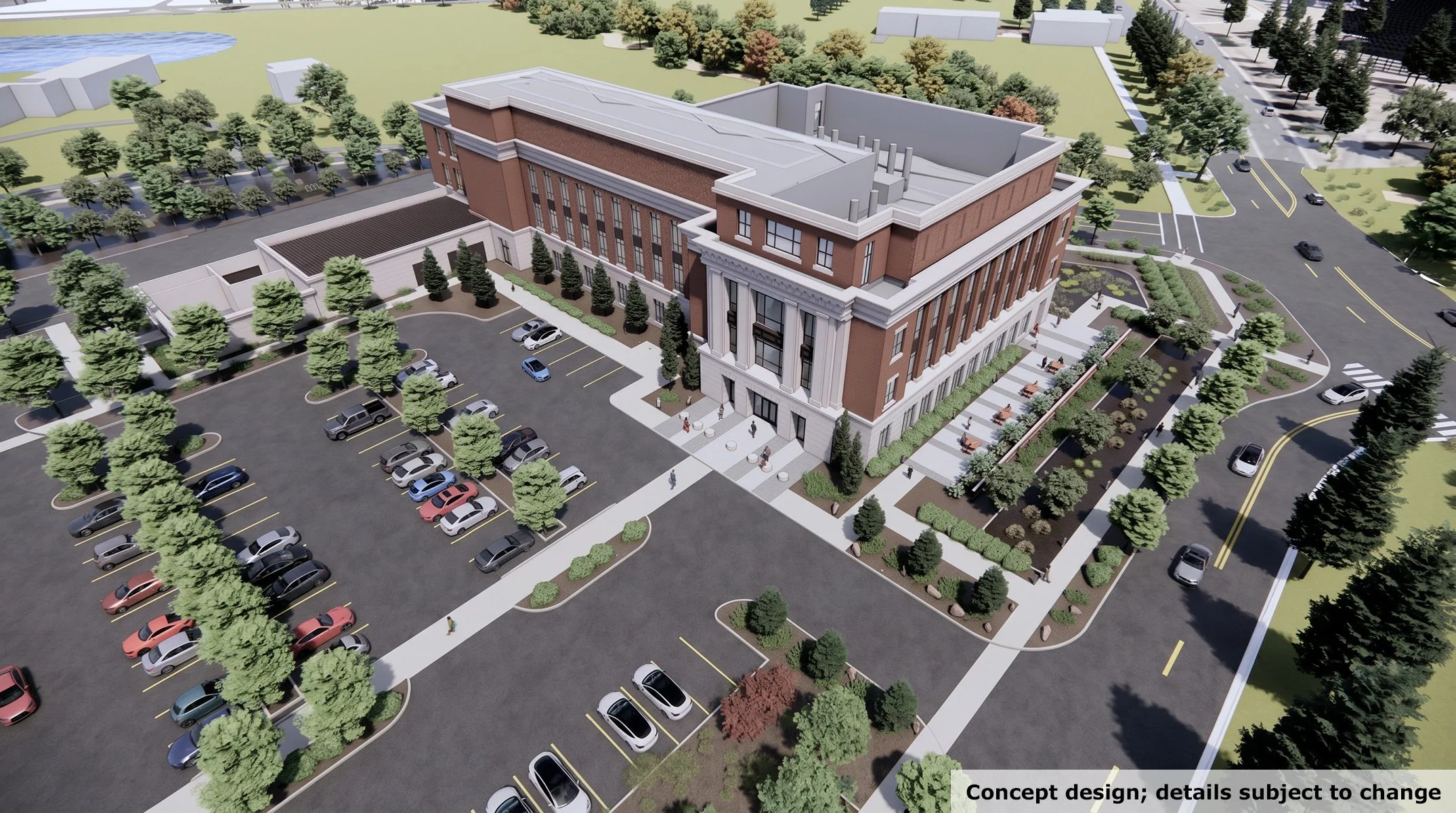
The facility's neoclassical exterior wraps around highly segregated interior zones, featuring 16,500 square feet for microbiology and 14,000 square feet for chemistry to prevent cross-contamination and optimize diagnostic workflows. Image: Courtesy of GSA
The architectural execution of the Denver lab introduces a distinct civic identity to the campus. The exterior design follows the neoclassical style, aligning with specific federal design philosophies aimed at returning to classical, monumental public architecture. Incorporating a neoclassical facade—characterized by symmetry, columns, and traditional materials—presents unique detailing challenges when paired with the complex utility systems, exhaust stacks, and intake louvers required by a 21st-century diagnostic laboratory.
Inside the classical envelope, the facility divides its program into highly specialized zones to streamline analytical workflows. The project includes 16,500 square feet of dedicated laboratory space for microbiology alongside 14,000 square feet optimized for chemistry operations. This expanded footprint allows the FDA to significantly upscale its regional response capabilities for product safety screening across foods, drugs, and cosmetics.
The strategy behind separating these massive microbiology and chemistry wings centers on cross-contamination prevention and workflow optimization. While the microbiology sectors require strict bio-containment and heavy sterilization infrastructure, the chemistry spaces focus on chemical fume extraction, precise instrumentation shielding, and flexible casework systems that accommodate changing diagnostic technologies.
Future-proofing the regional food supply chain
The decision to establish this major hub in Denver aligns with broader domestic efforts to secure critical supply chains and optimize regional rapid-response frameworks. When contamination events occur within the food or pharmaceutical supply chains, processing speeds at regional testing hubs directly dictate the timeline of national recalls and containment strategies. By replacing an aging, constrained facility with this advanced installation, the FDA secures a localized technical hub capable of serving the vast logistics corridors of the American West and Midwest.
For facility operations teams, a project of this scale highlights the critical role of life-cycle asset planning. Transitioning away from legacy spaces built in previous eras allows federal planners to implement modern digital building management systems, robust infrastructure systems, and energy-efficient mechanical loops that reduce long-term operational expenditures. The implementation of specialized single-pass air systems for the laboratories, paired with traditional civic exterior elements, illustrates the precise technical coordination required by current laboratory design standards.
What this means for your next lab project
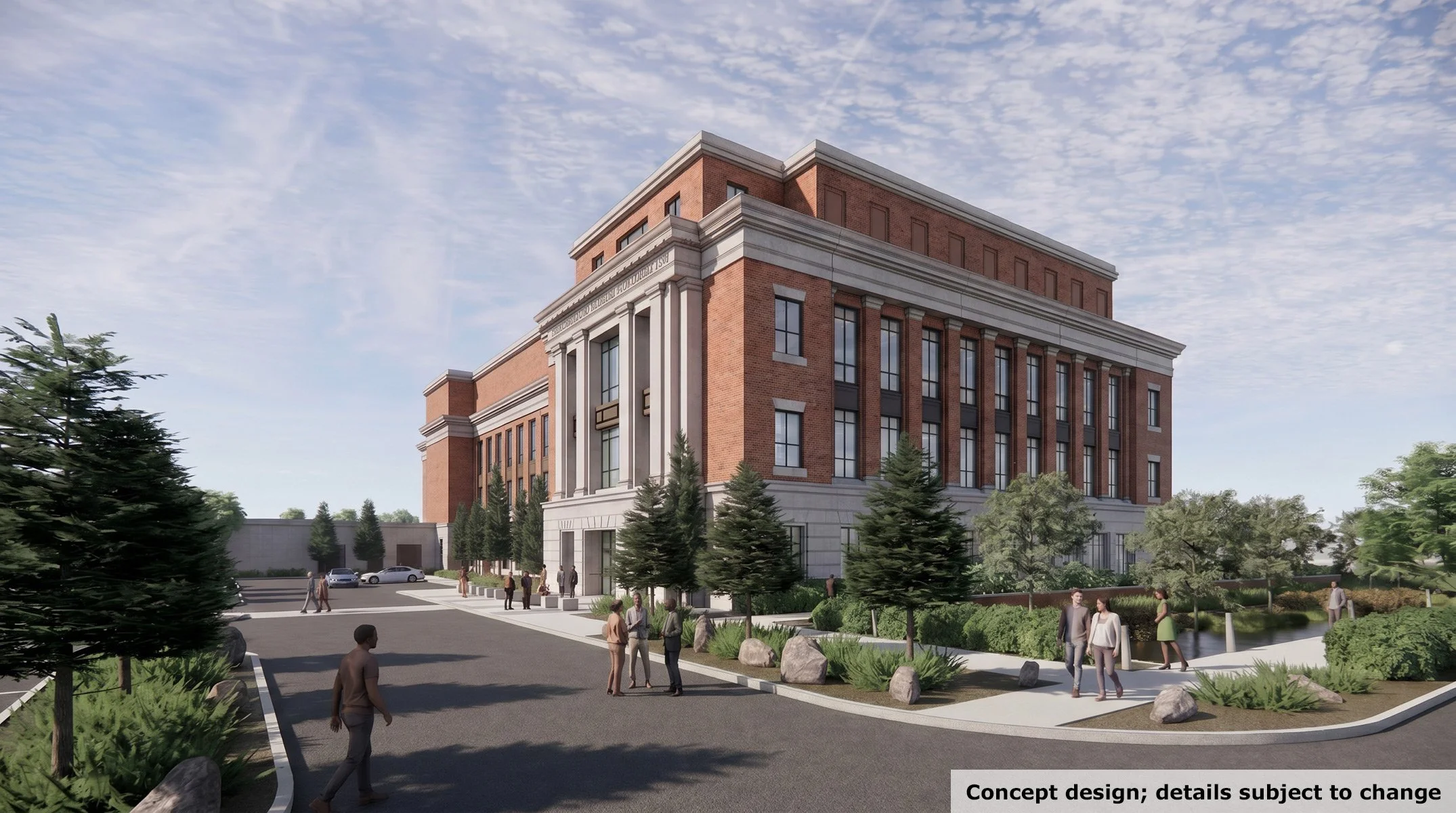
Targeted for a 2029 completion, the project serves as a model for multi-modal facility design by demonstrating how early structural and HVAC collaboration can seamlessly integrate strict BSL-3 containment networks into a distinct architectural envelope. Image: Courtesy of GSA
As the Denver Federal Center project targets completion in early 2029, it offers valuable design takeaways for the commercial and institutional laboratory markets. The integration of high-containment BSL-3 suites into a larger regional testing facility reinforces the growing industry trend toward multi-modal lab environments—facilities that successfully co-locate low-risk diagnostic benches alongside high-security containment sectors.
Furthermore, the project demonstrates that changing aesthetic mandates do not have to compromise strict laboratory performance. Whether designing a neoclassical federal asset or a highly modular commercial incubator, the underlying success of the project relies on early collaboration between structural engineers, HVAC planners, and biosafety officers. Ensuring that complex air handling networks and utility distribution paths are mapped out early prevents spatial conflicts and maintains the integrity of both the architectural vision and the scientific workflow.
References
Centers for Disease Control and Prevention & National Institutes of Health. (2020). Biosafety in Microbiological and Biomedical Laboratories (6th ed.). U.S. Department of Health and Human Services.
U.S. General Services Administration. (2024). Facilities Standards for the Public Buildings Service (P100). GSA Office of the Chief Architect.