
[[bpstrwcotob]]
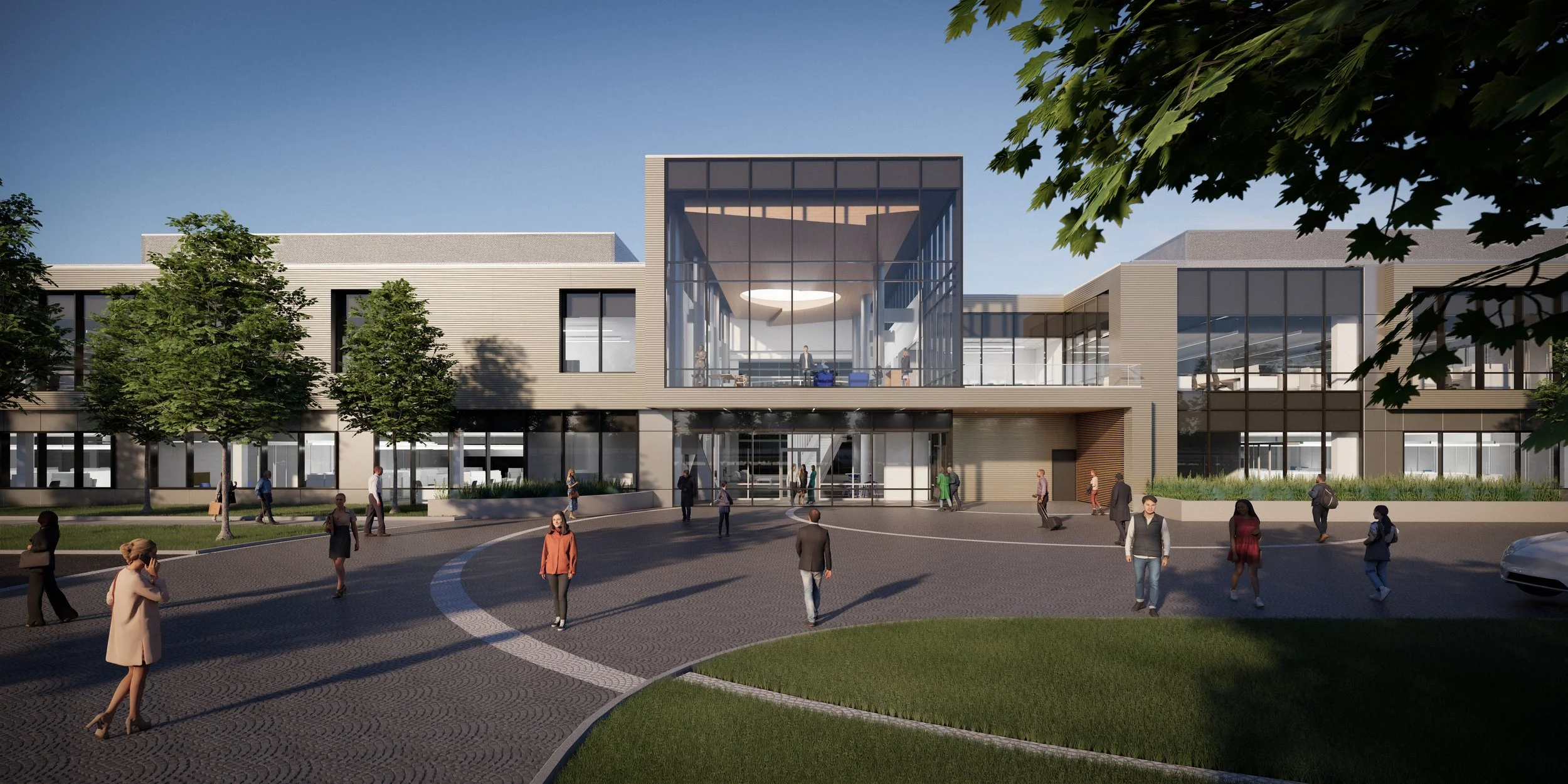
Labcorp Plans Major Lab Relocation
Labcorp’s planned Brownsburg campus will consolidate laboratory and production operations, with an emphasis on workflow efficiency, workforce continuity, and flexibility for future growth

Montclair State Breaks Ground on $120 Million Interdisciplinary Science Building
The 110,000-sf facility will expand science teaching and research space while giving the university more flexibility to support changing programs and interdisciplinary work

UH’s Next Chapter in Medical Research
New 54,000-sf facility will bring wet-lab, computational, clinical and behavioral research together, with early planning focused on adaptability, infrastructure and long-term performance

Planning for Liquid Nitrogen: Integrating LN₂ Infrastructure into Laboratory Design
Early planning for liquid nitrogen systems can help laboratory teams reduce costs, avoid construction delays, and maintain safe, reliable service

Bringing Three Agricultural Labs Together Under One Roof in Montana
Montana’s new Combined State Laboratories replaces three aging facilities with a shared building designed to support veterinary diagnostics, agricultural testing, and wool research without compromising each lab’s distinct needs

When Old Buildings Become New Labs
Renovating an existing building into a high-performing laboratory requires more than creative design—at the 2026 Lab Design Conference, Cody Henderson shared practical lessons on evaluating existing facilities, overcoming renovation challenges, and building flexibility and sustainability into every project

From Workflow to Floor Plan: Lab Design Conference Workshop
Kelly Sullivan’s “Collaborative Lab Planning” workshop at the 2026 Lab Design Conference demonstrated the value of LDC’s intimate, hands-on sessions, giving attendees time to work through real-world challenges with an expert and their peers

Rethinking Lab Expansion in a Changing Market
Activation Capital’s decision to expand within its existing Bio+Tech Center illustrates how organizations can align facility investments with market conditions, funding realities, and long-term growth goals

What Post-Occupancy Experience Reveals About Designing for Research
Months after opening, Chesapeake Bay Hall is demonstrating how thoughtful decisions around infrastructure, flexibility, collaboration, and occupant experience can shape the long-term performance of a research facility

Building a Lab Around What Users Need
For Baptist Health Jacksonville’s Gwendolyn Robles, the process of planning a new central laboratory has meant challenging old assumptions, involving frontline staff, and giving the project team time to get it right