Building a Lab Around What Users Need
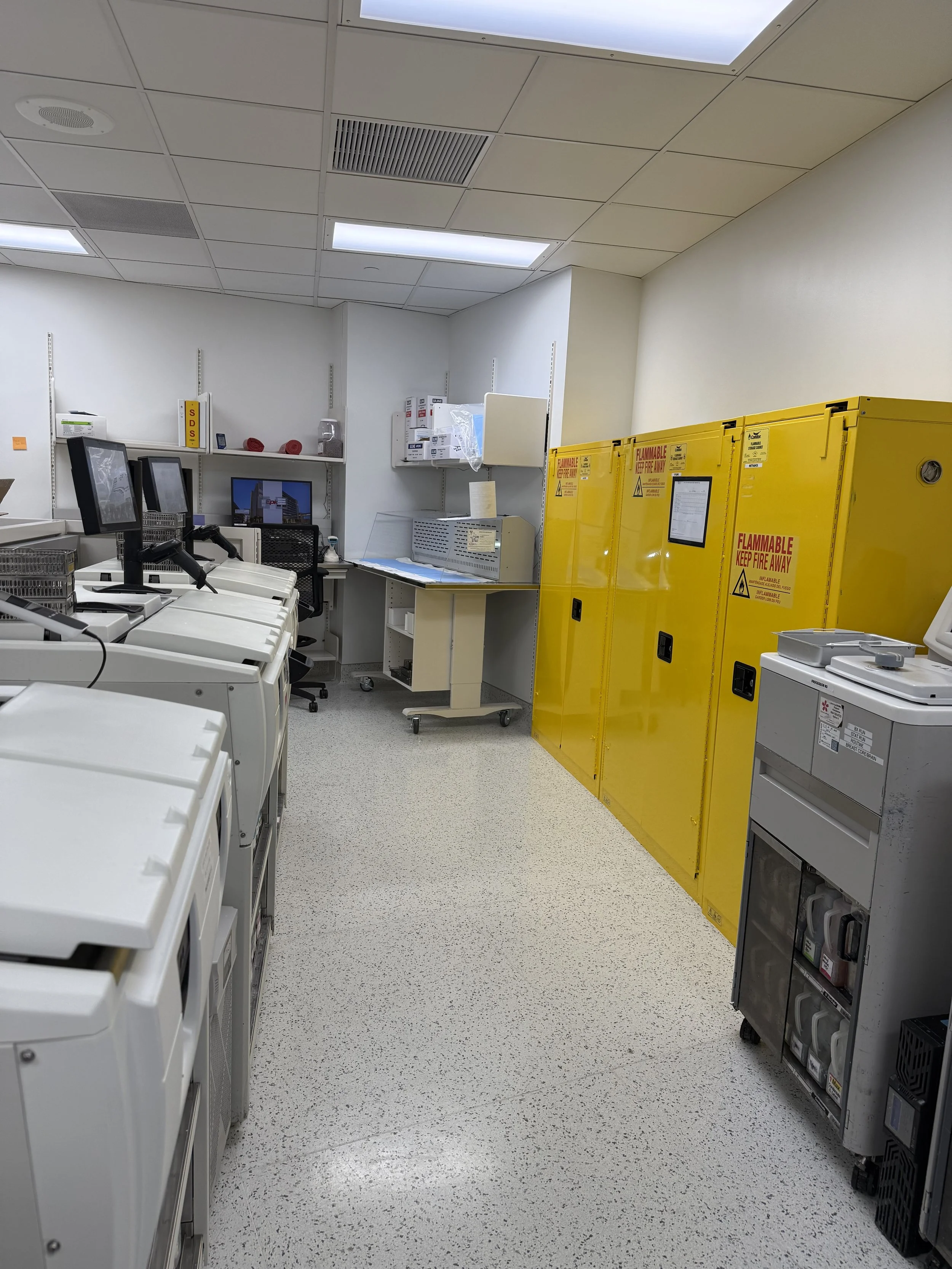
Baptist Health Jacksonville is developing a new central laboratory to consolidate services, address space constraints, and support future growth without simply recreating existing laboratory layouts. Image: Courtesy of Baptist Health Jacksonville
As Gwendolyn Robles, MLS(ASCP), MBA, executive director of laboratory services at Baptist Health Jacksonville, began planning a new central laboratory, she knew the project would be significantly more complicated than previous laboratory moves.
The project consolidates several services including histology, infectious diagnostics, special chemistry, core laboratory, and reference work, into a new central facility. The existing histology laboratory will subsequently be retooled as a hospital-based core laboratory to help address overcrowding at Baptist Health’s flagship hospital.
The immediate problem, Robles says, is space. Some existing laboratory areas have not been substantially redesigned since the 1970s or 1980s, while even more recently renovated spaces are struggling to accommodate current volumes and equipment.
But simply creating more space wasn't enough. For Robles, one of the biggest lessons from previous projects was to resist the temptation to reproduce the existing laboratory in a new building.
“What we've really been going in with this new role is not just recreating what we've had,” she says.
Instead, the team began by determining what the laboratory actually needs—and what it may need in the future.
Planning around peak demand
Before approaching vendors, the team conducted extensive preparation for major equipment lines, including microbiology automation, chemistry, and hematology. They developed detailed question lists and used Laboratory Information System data to understand when volumes occur, rather than relying solely on daily averages.
That distinction is important in a clinical laboratory, where demand can fluctuate significantly.
“If you're going to pull your average down because you don't get many samples on Saturday or Sunday or overnight, you need to make sure that during those peak times you're designing so that you can meet that,” Robles says.
The team also accounted for anticipated growth from medical office buildings and private practices. The goal was to ensure the new laboratory would have sufficient capacity from the outset rather than quickly becoming constrained again.
At the same time, the project provided an opportunity to standardize test menus across Baptist Health's laboratory system. Different locations had developed different approaches to which tests they performed locally and which they sent to Jacksonville. The new model prompted the team to reconsider those variations and determine where standardization could improve operations.
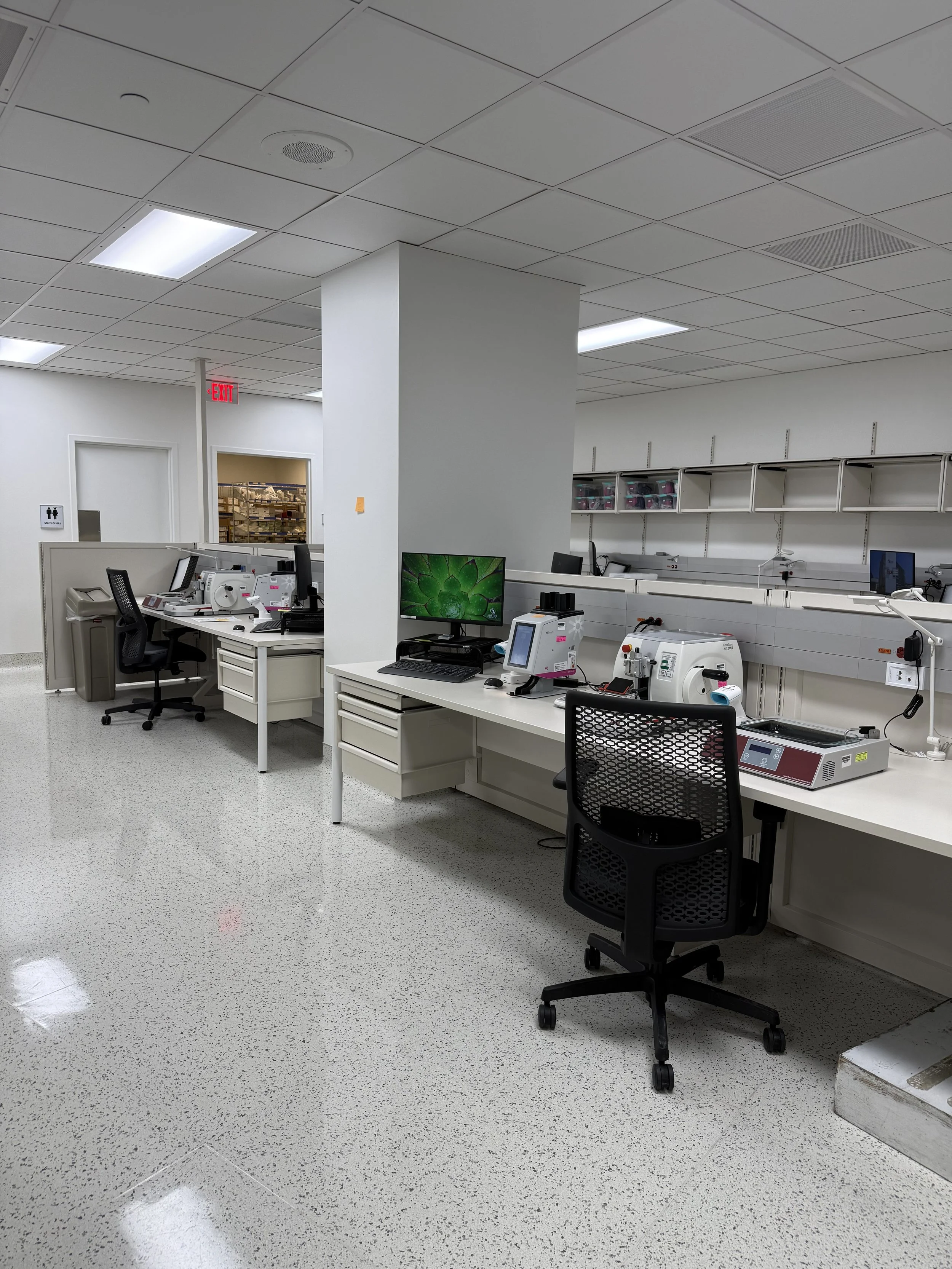
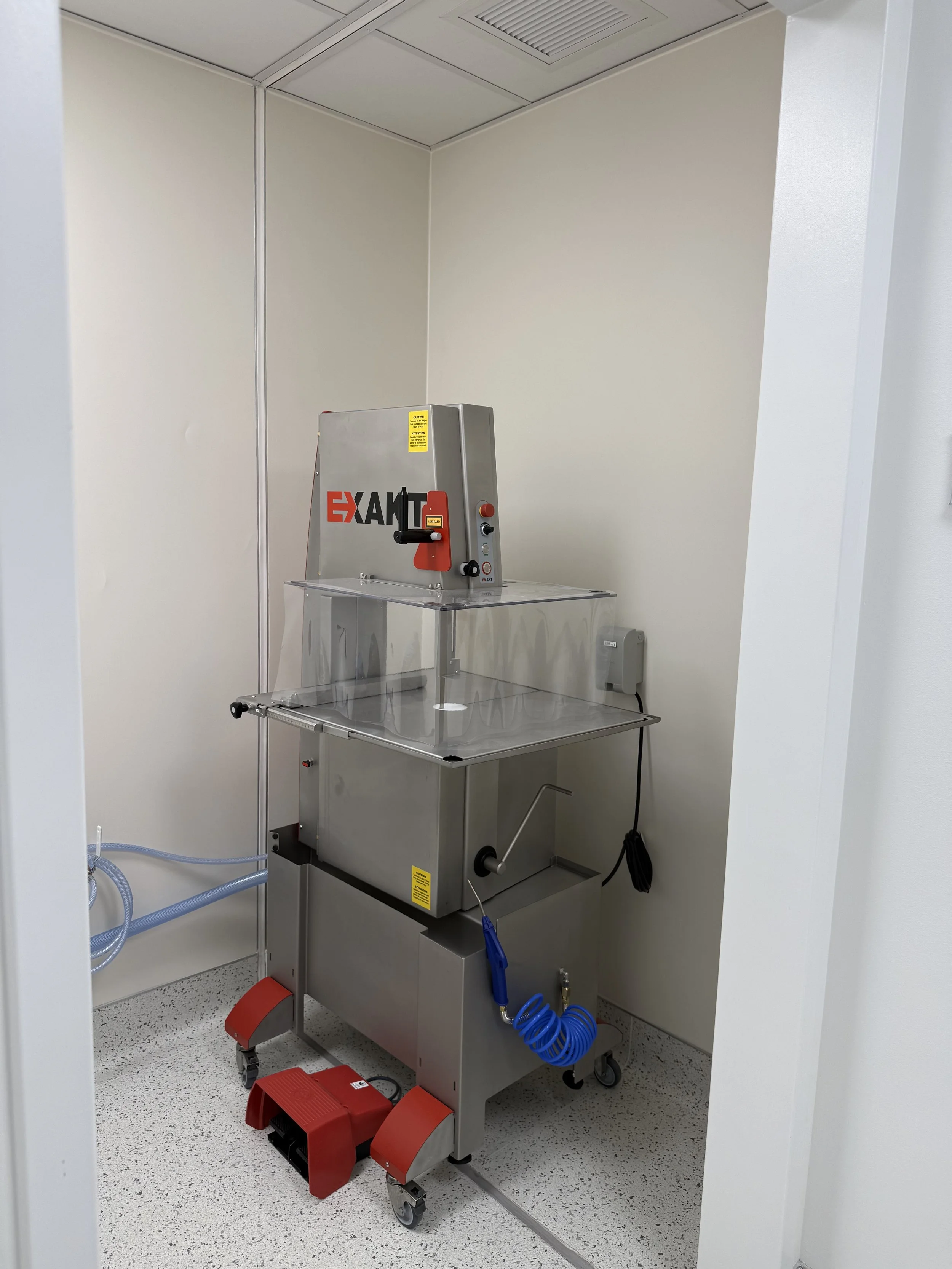
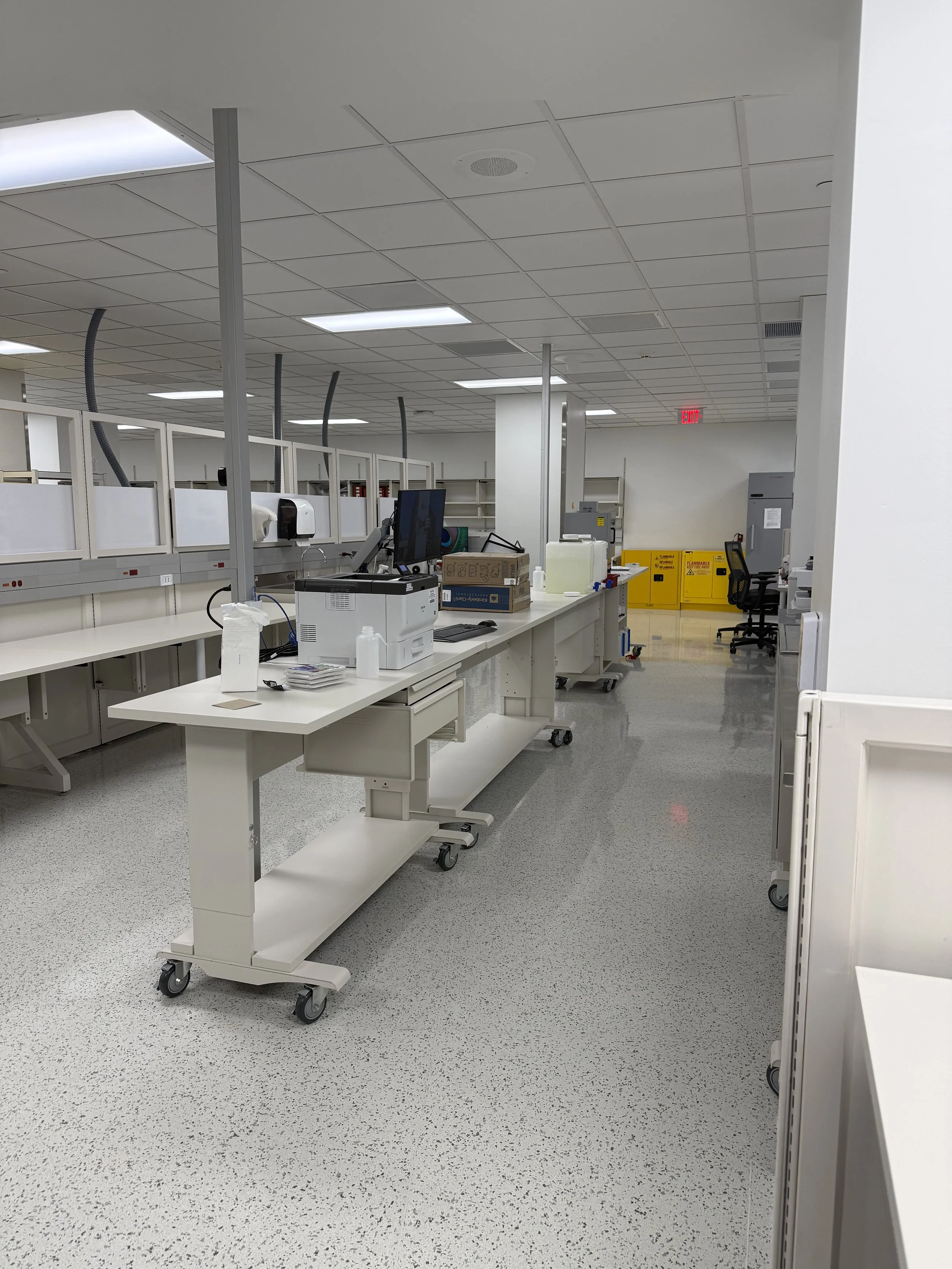
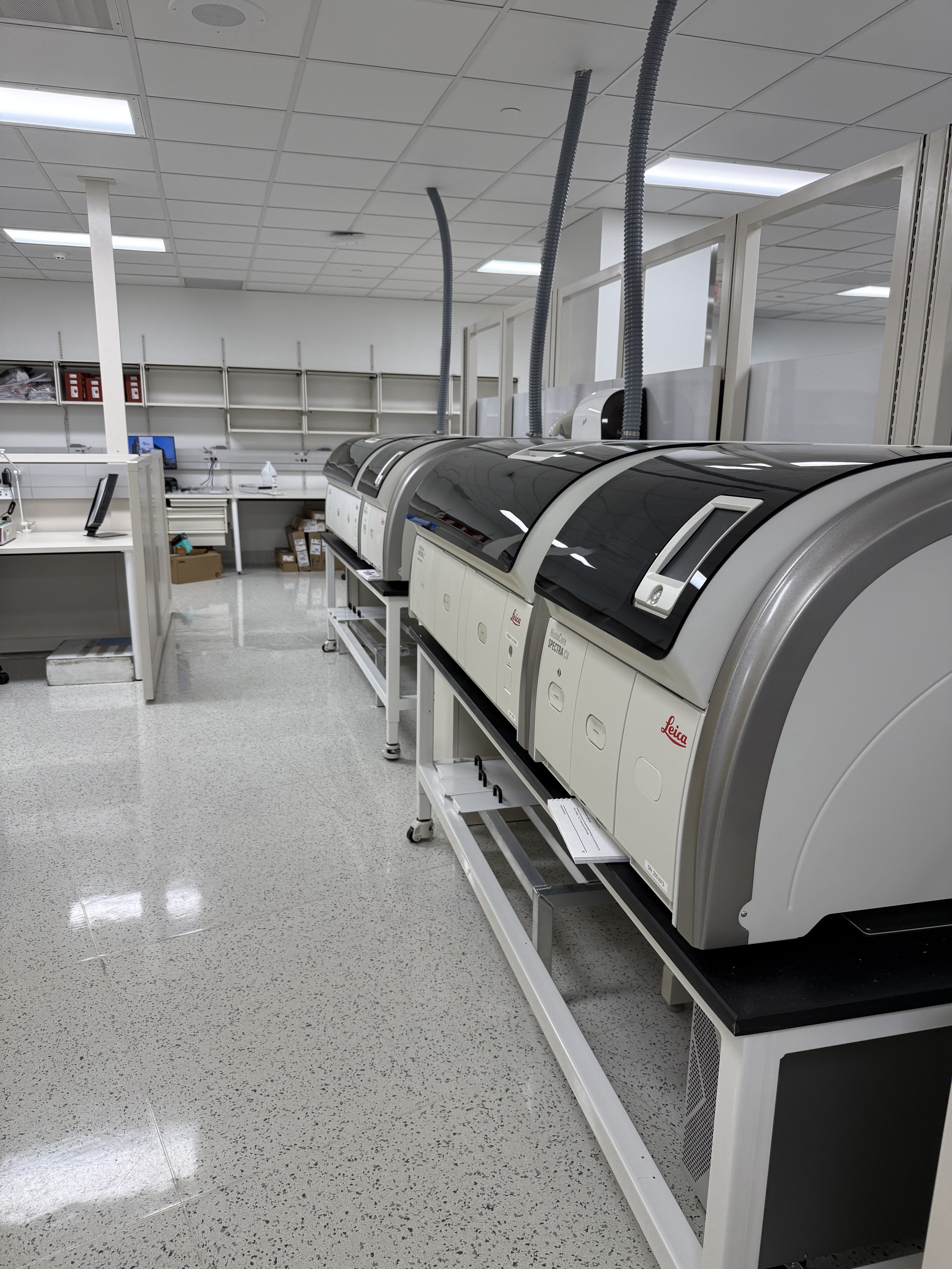
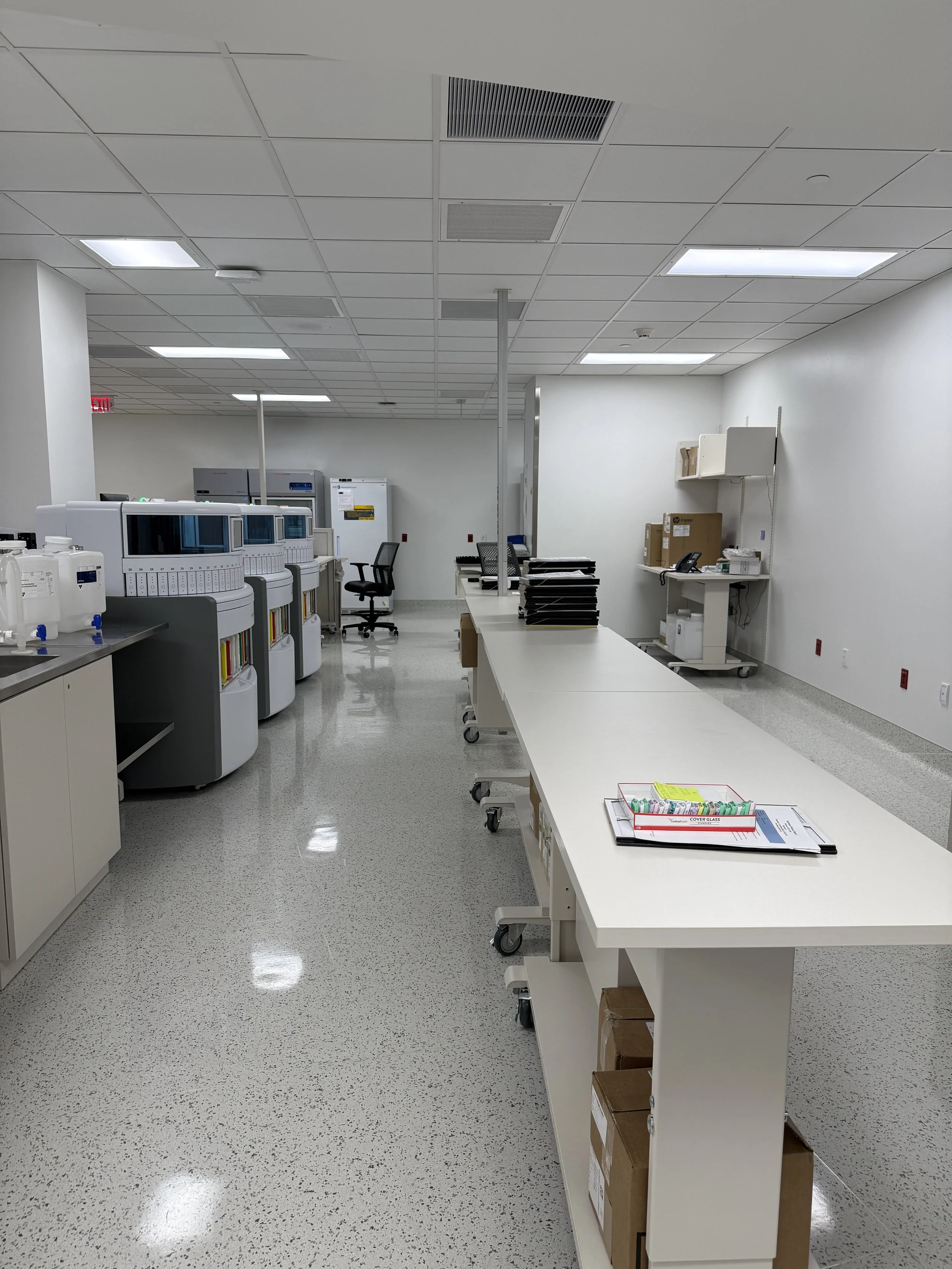
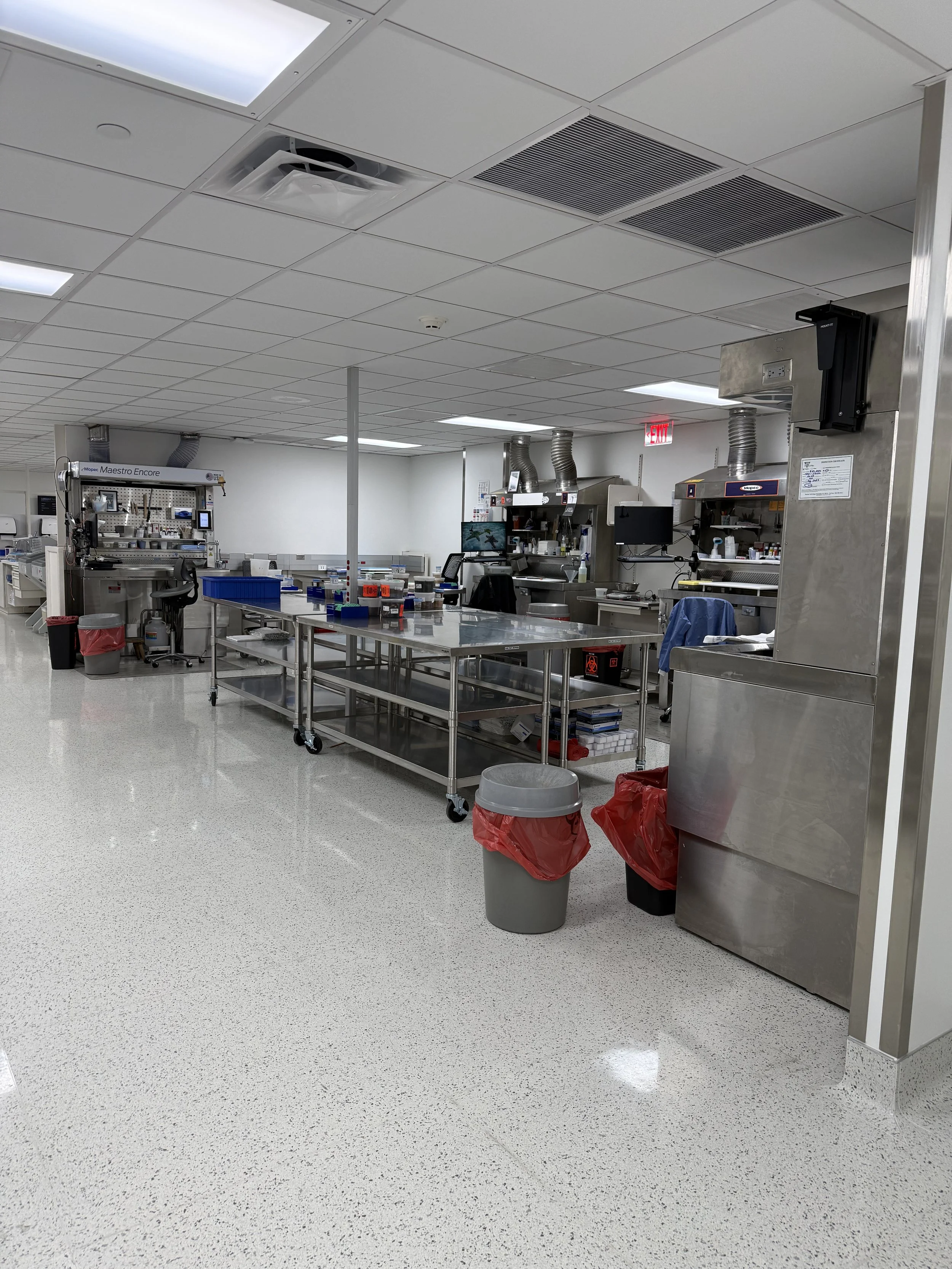
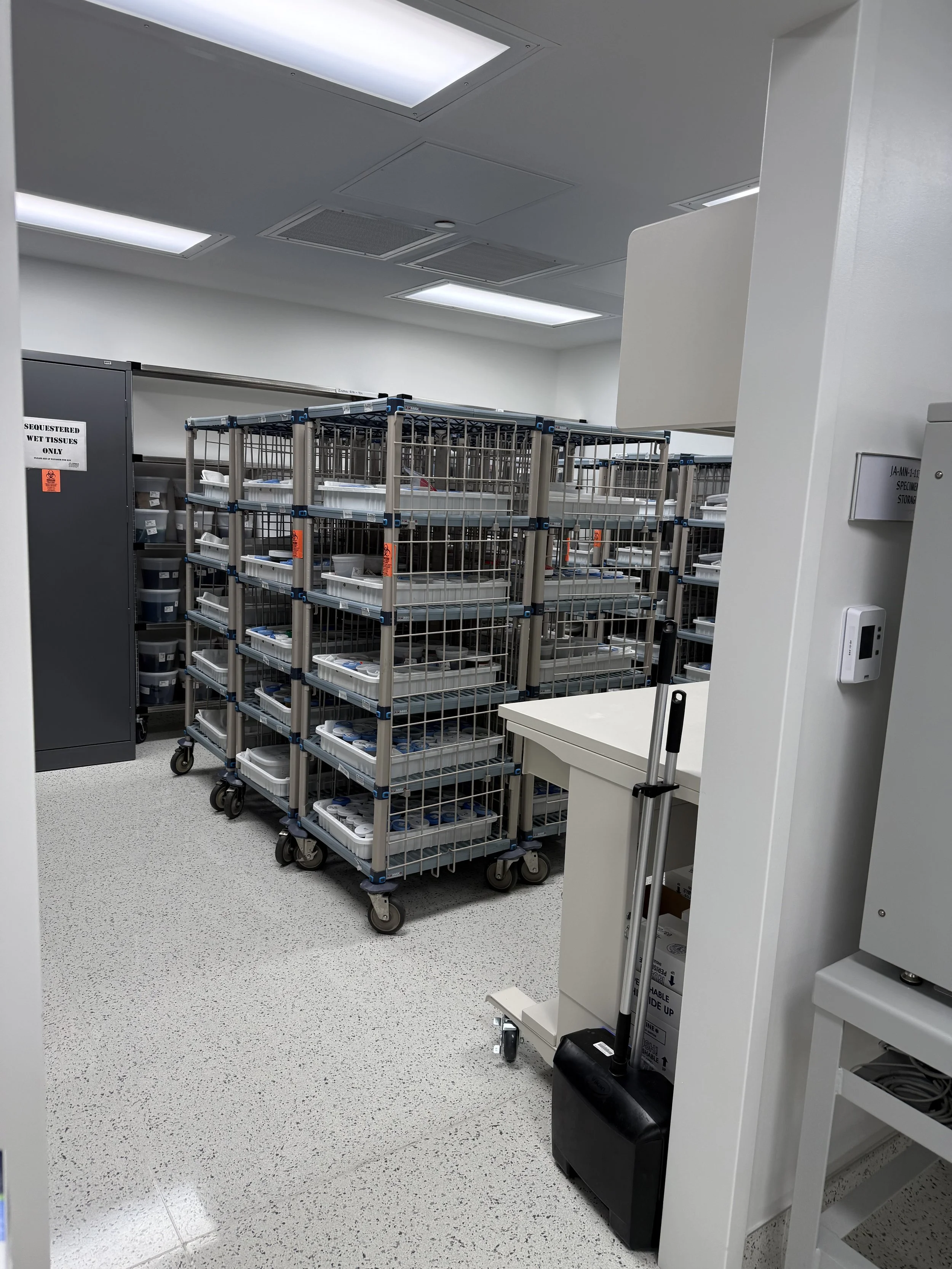
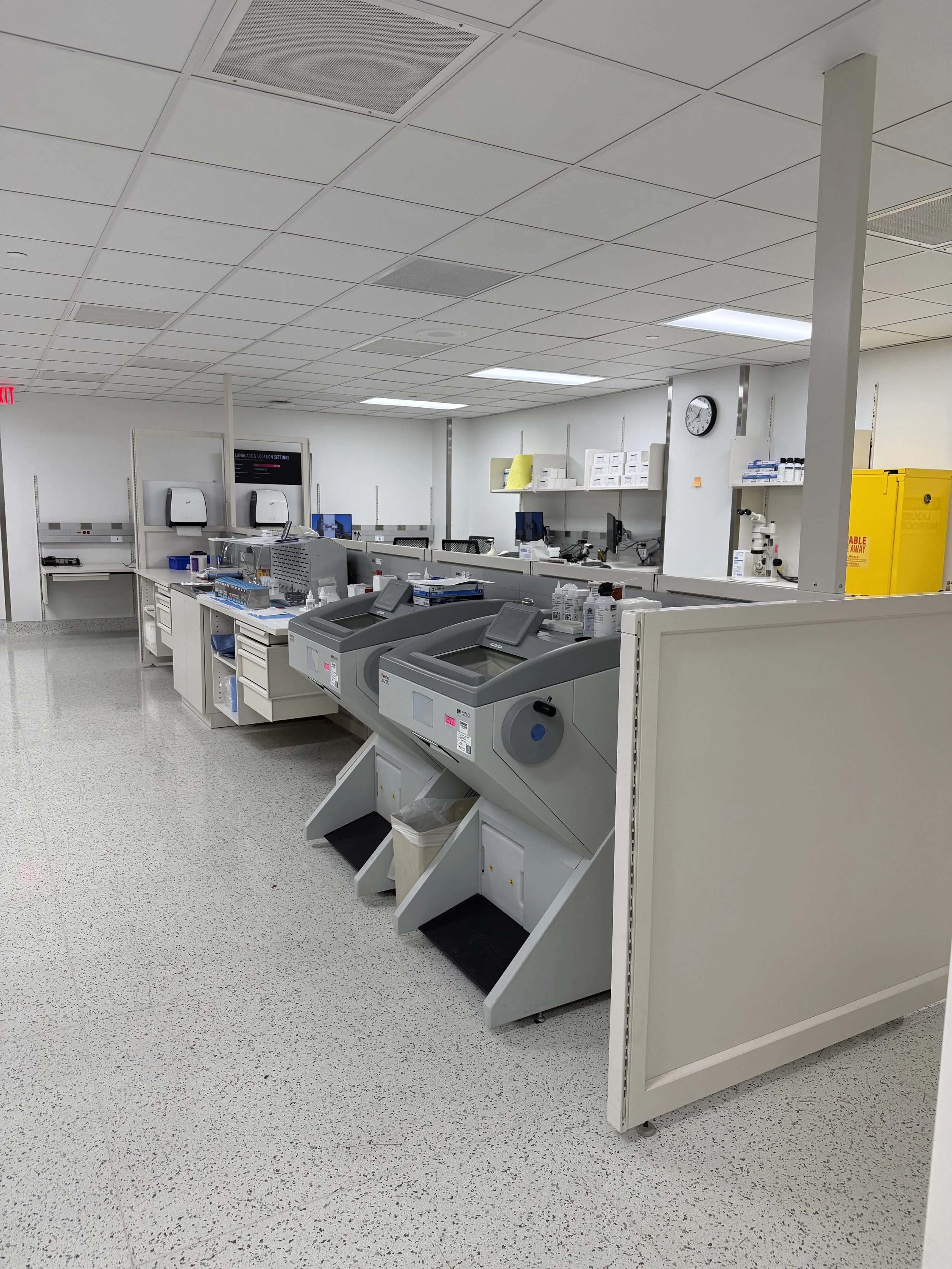
The new Central Laboratory space is designed to accommodate peak testing volumes, anticipated growth, and more standardized laboratory operations across Baptist Health Jacksonville. Images: Courtesy of Baptist Health Jacksonville
Designing with the frontline in the room
Robles is leading the project alongside committees focused on individual laboratory areas and equipment systems. Each committee includes leadership and technical expertise, but also frontline representation. Depending on the committee, participants can include a supervisor, CLIA director, LIS representative, quality team member, medical laboratory assistant, newer technician, and experienced technical specialist.
The goal is to capture perspectives from across the workflow. A medical laboratory assistant, for example, may identify issues that someone with years of technical experience might overlook.
Getting those employees involved requires a significant investment of time. The project established Tuesday afternoons as a regular design cadence, with staff participating in design reviews, equipment discussions, workflow exercises, and vendor proposal evaluations. Separate work-group meetings take place throughout the week.
Robles and her team also deliberately sought out employees who might not volunteer themselves.
“We sort of did ‘shoulder taps’ for people,” she says, explaining that some employees with valuable perspectives may not necessarily recognize how much they have to contribute.
She also encourages committee chairs to include employees who are willing to challenge the group.
“I always tell my chairs that you need to have the loud, cranky person on the team,” Robles says. “You absolutely need to know what that narrative is so that you could mitigate it, or at least explain it, because otherwise that becomes a complete poison.”
Turning preferences into requirements
The team's approach to vendor selection similarly focuses on defining needs before considering specific products. Rather than accepting statements such as “we want this equipment” at face value, Robles encourages her team to identify the underlying benefit and turn it into a neutral question for vendors.
For example, a desire to reduce the number of middleware systems becomes a question about platform integration and compatibility. A desire to consolidate specimen processing becomes an opportunity to rethink whether multiple processing areas are necessary in a centralized facility.
The team evaluates vendors using a structured voting matrix based on defined criteria, including integration capabilities and performance data. Robles says the approach helps minimize the influence of personal preferences and past experiences with particular vendors. Committee members also ask vendors to provide hard data, including uptime information and recent installations, allowing the team to evaluate each proposal on evidence rather than familiarity.
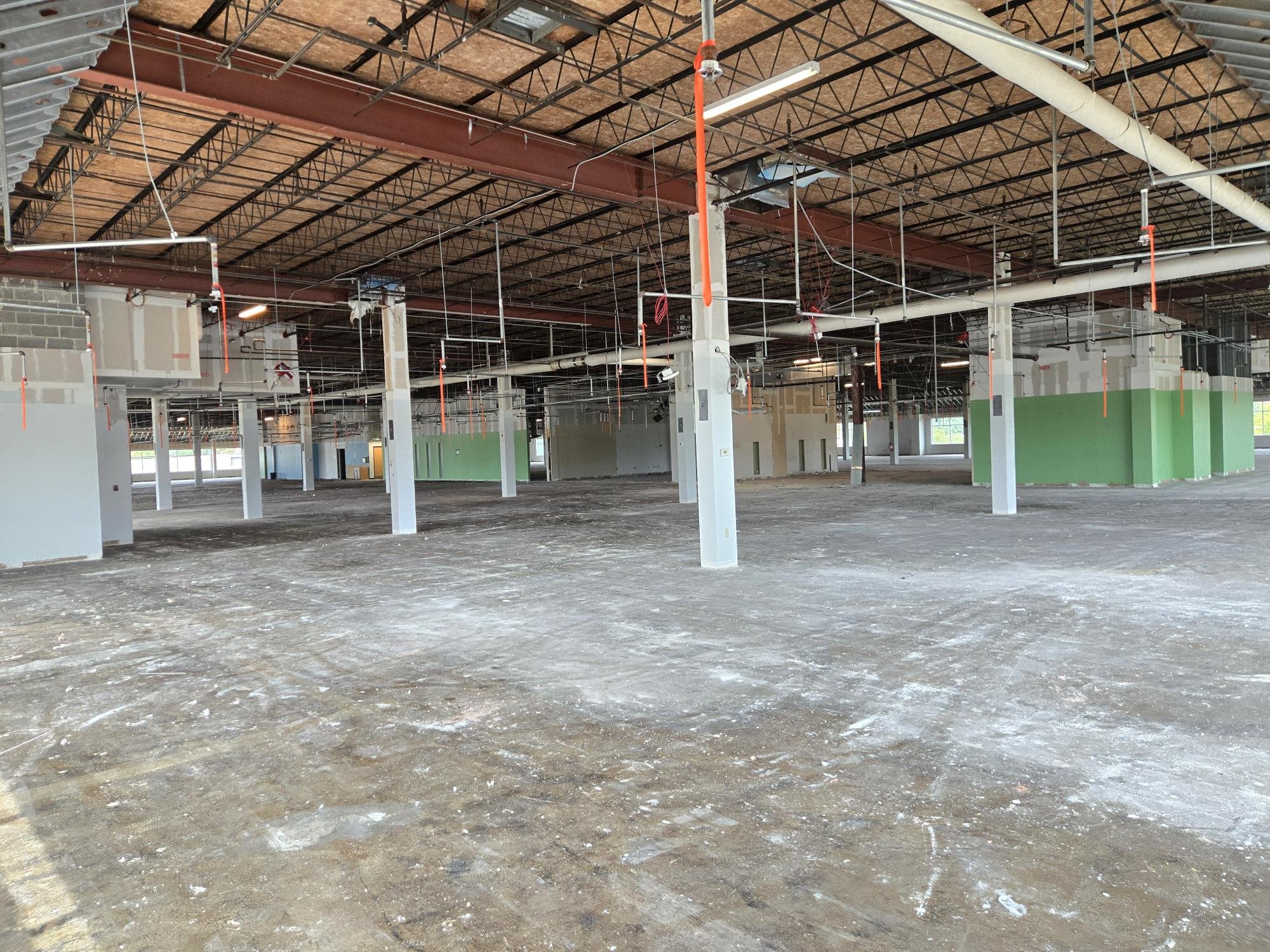
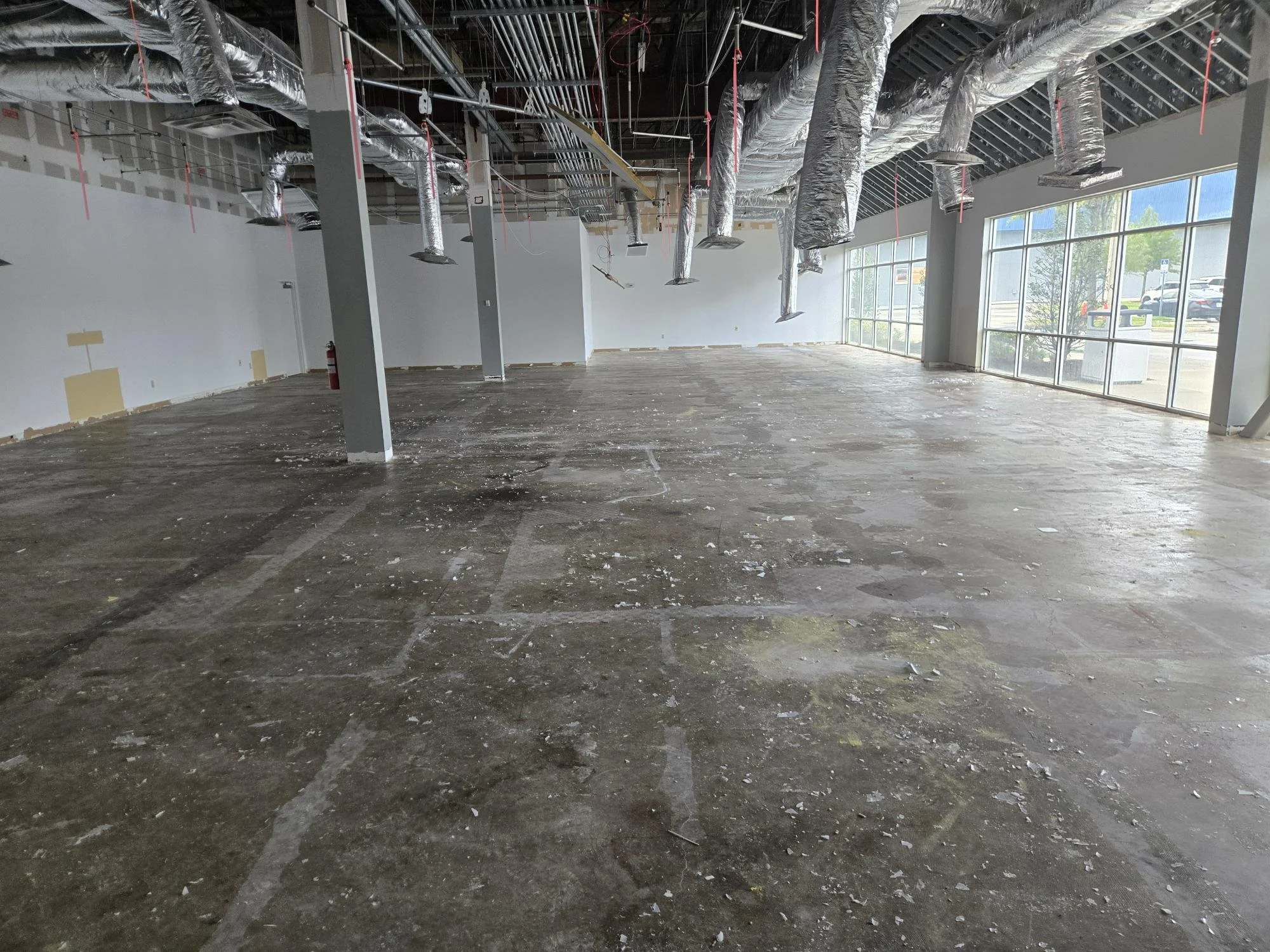
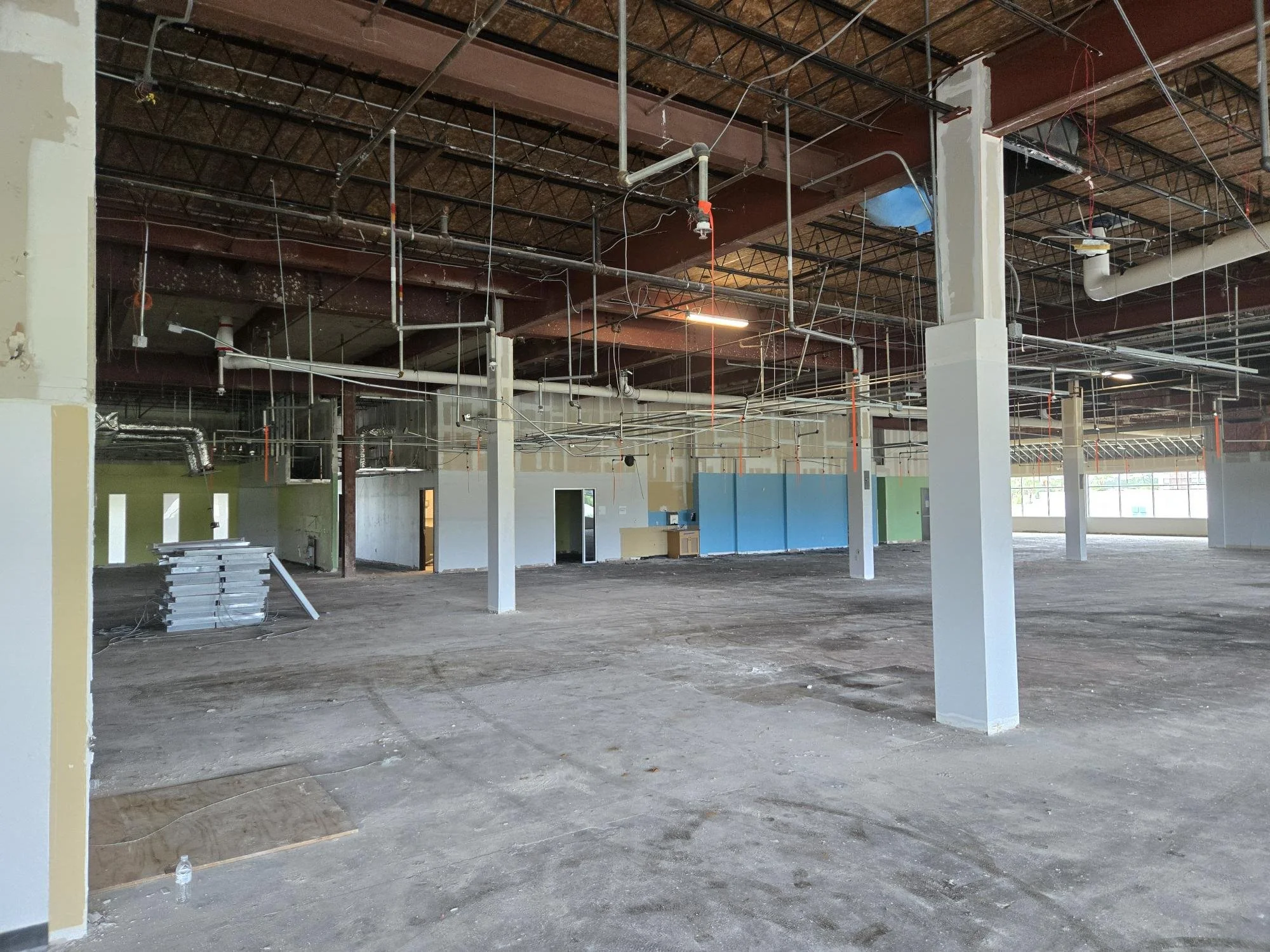
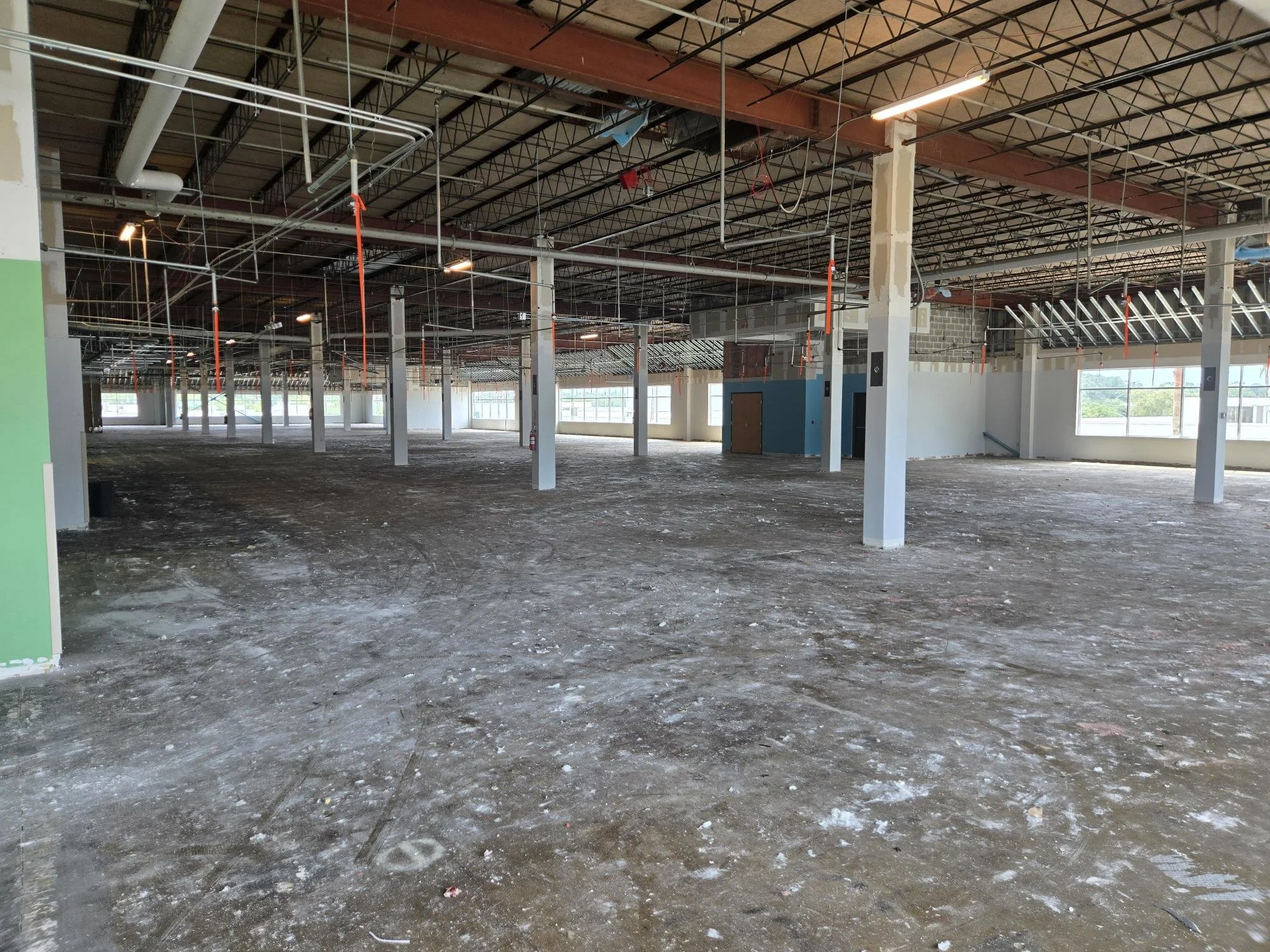
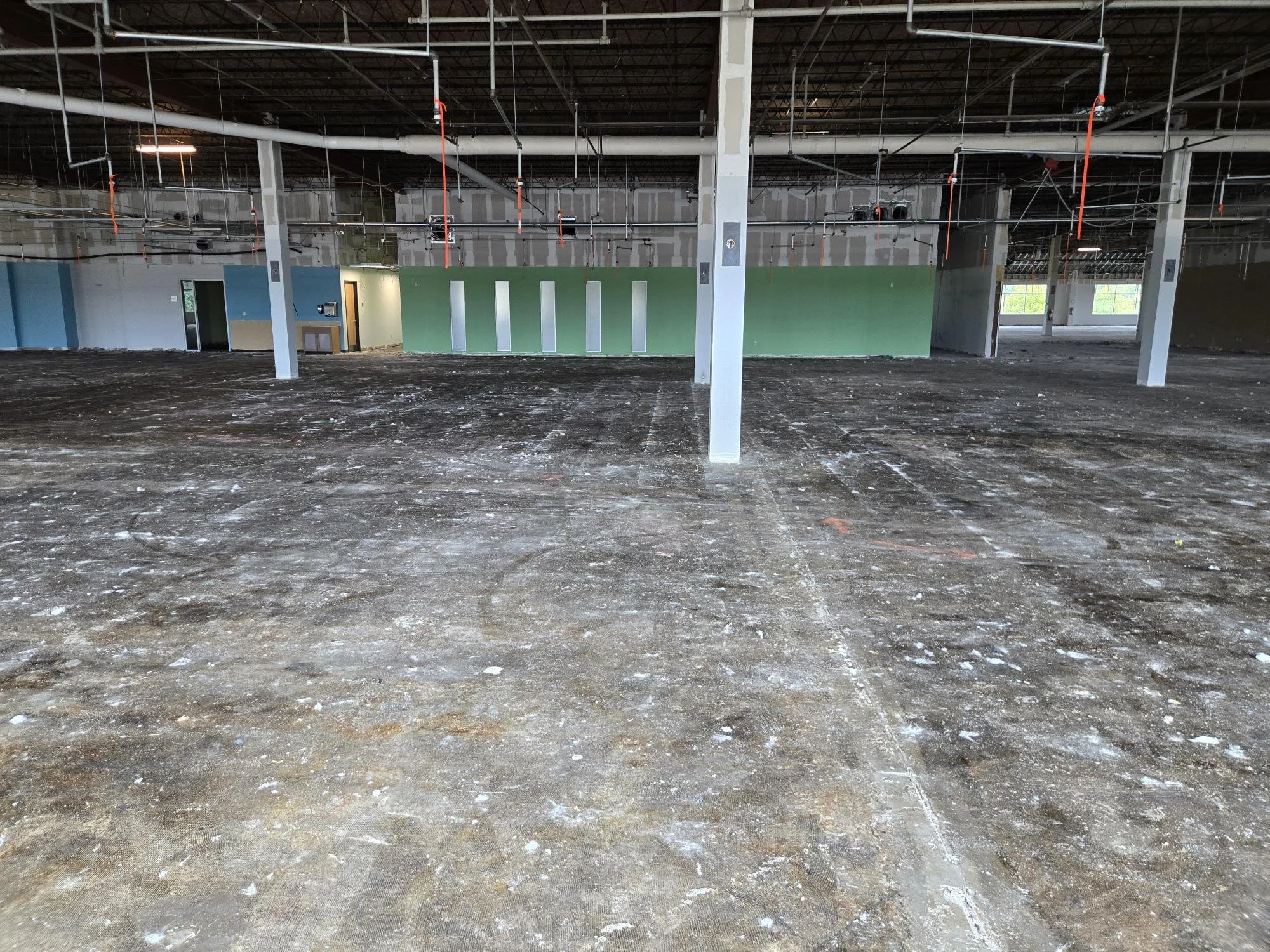
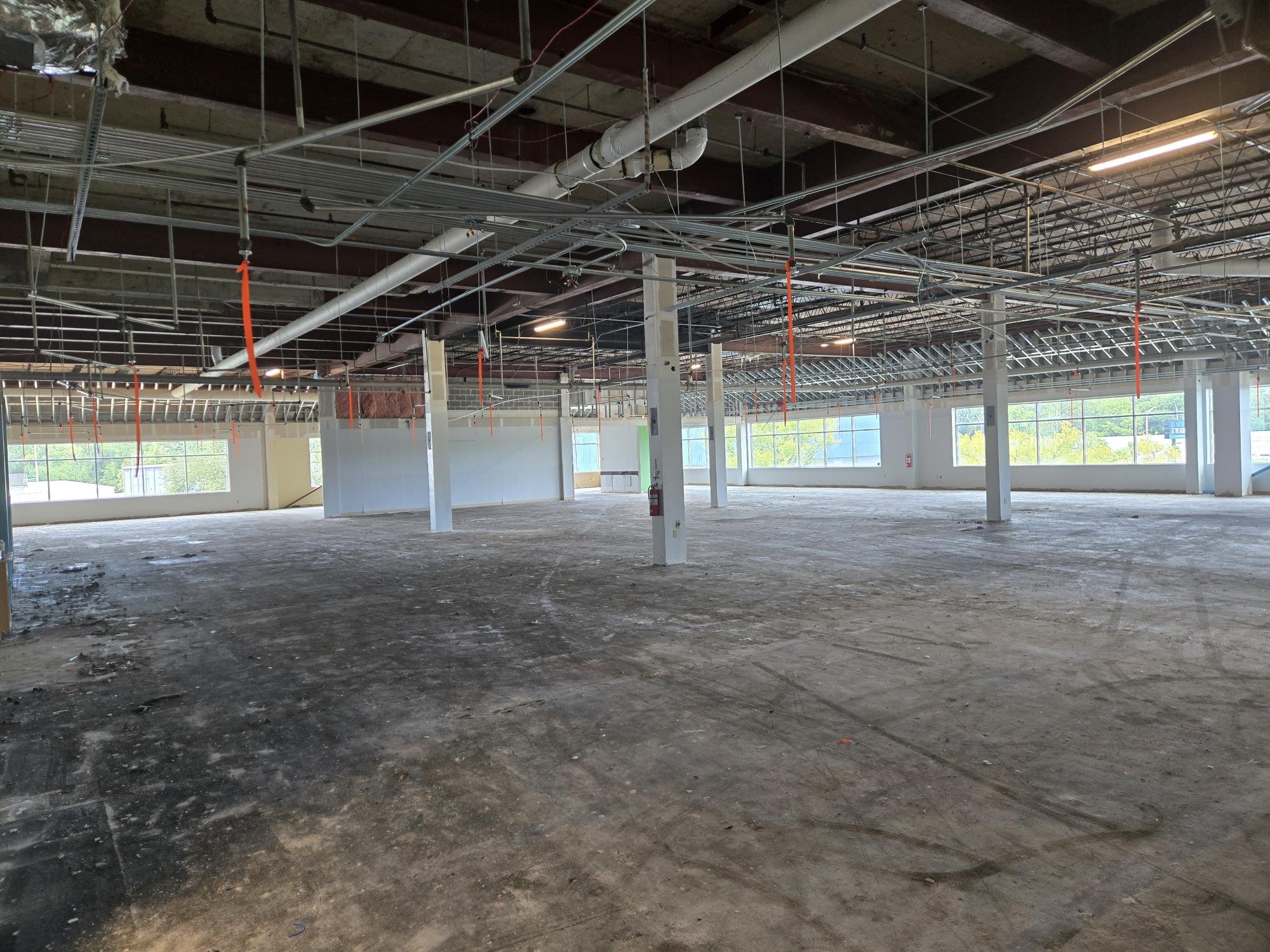
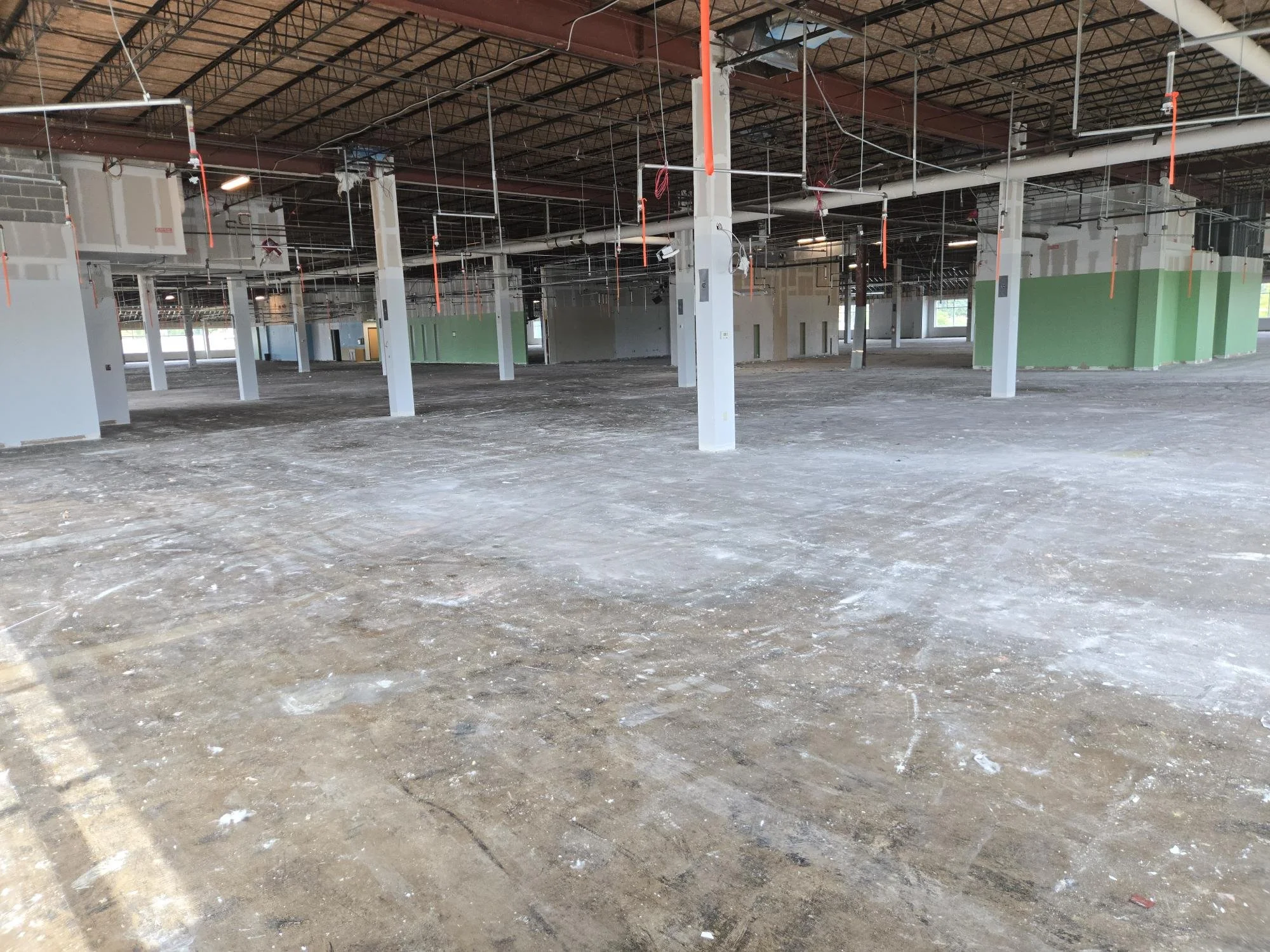
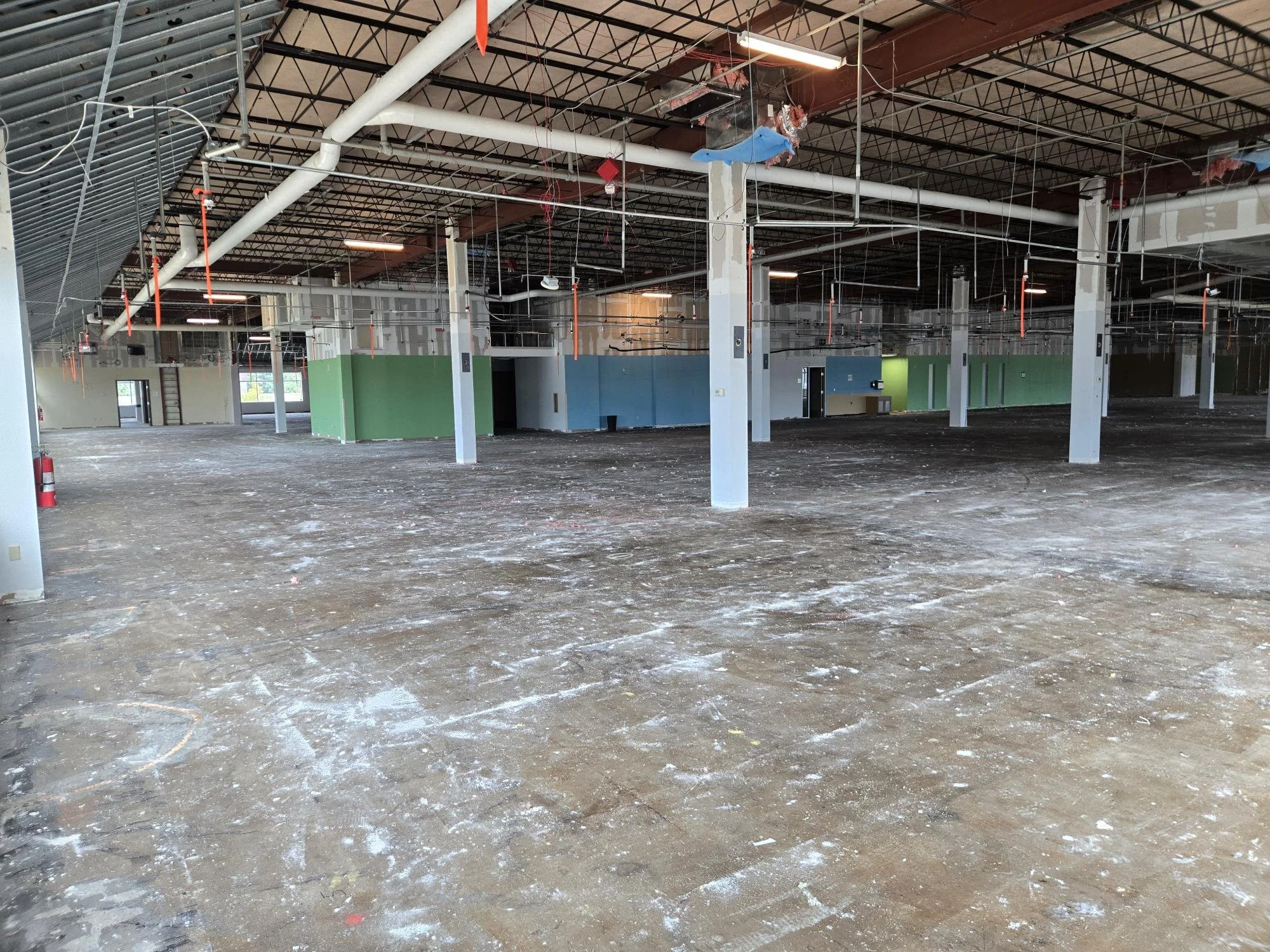
Demolition clears the way for renovations to Baptist Health Jacksonville’s Central Laboratory and its updated laboratory operations. Images: Courtesy of Baptist Health Jacksonville
Communication is part of the design
The physical laboratory is only one part of the project. The move will also change specimen-routing and receiving workflows, including how samples from Baptist Health's approximately 13 laboratories are divided between the new central facility and the Jacksonville campus.
Those changes make communication essential. Robles says the team has not relied on a formal change-management program. Instead, leadership has focused on continuous communication and staff involvement.
“The keys to it are just a obscene amount of communication and having them involved in the decision-making,” she says.
Robles discusses the project during regular rounds, asks employees what they have heard and how they are feeling about the changes, and uses those conversations to identify misinformation or unresolved concerns.
The same principle applies to executive leadership. Robles emphasizes keeping hospital leadership, finance, medical leadership, and executive sponsors informed through frequent, concise conversations rather than occasional lengthy presentations.
“No one wants to sit down and listen to an hour-long presentation on chemistry lines,” she says. “But if you have five minute conversations, a bunch of different times, you get that information in.”
Making time an investment
After roughly six months of planning, the project is entering its vendor down-selection phase, with the goal of narrowing choices before vendors return to refine physical designs. Robles expects the planning portion of the project to take approximately nine months.
That timeline is intentional, as it’s “shocking, the amount of time you have to spend on it to do it right,” Robles remarks.
For laboratory users embarking on a major construction or renovation project, Robles sees that protected planning time as an investment rather than a delay.
“It's an investment, though, because it's going to cost money to redo it later. It's going to cost money to have crummy workflows later.”
For the project team, the lesson is equally important: giving laboratory users time, structure, and a meaningful voice in the process can help ensure that the finished facility works not just on paper, but for the people who will use it every day.