
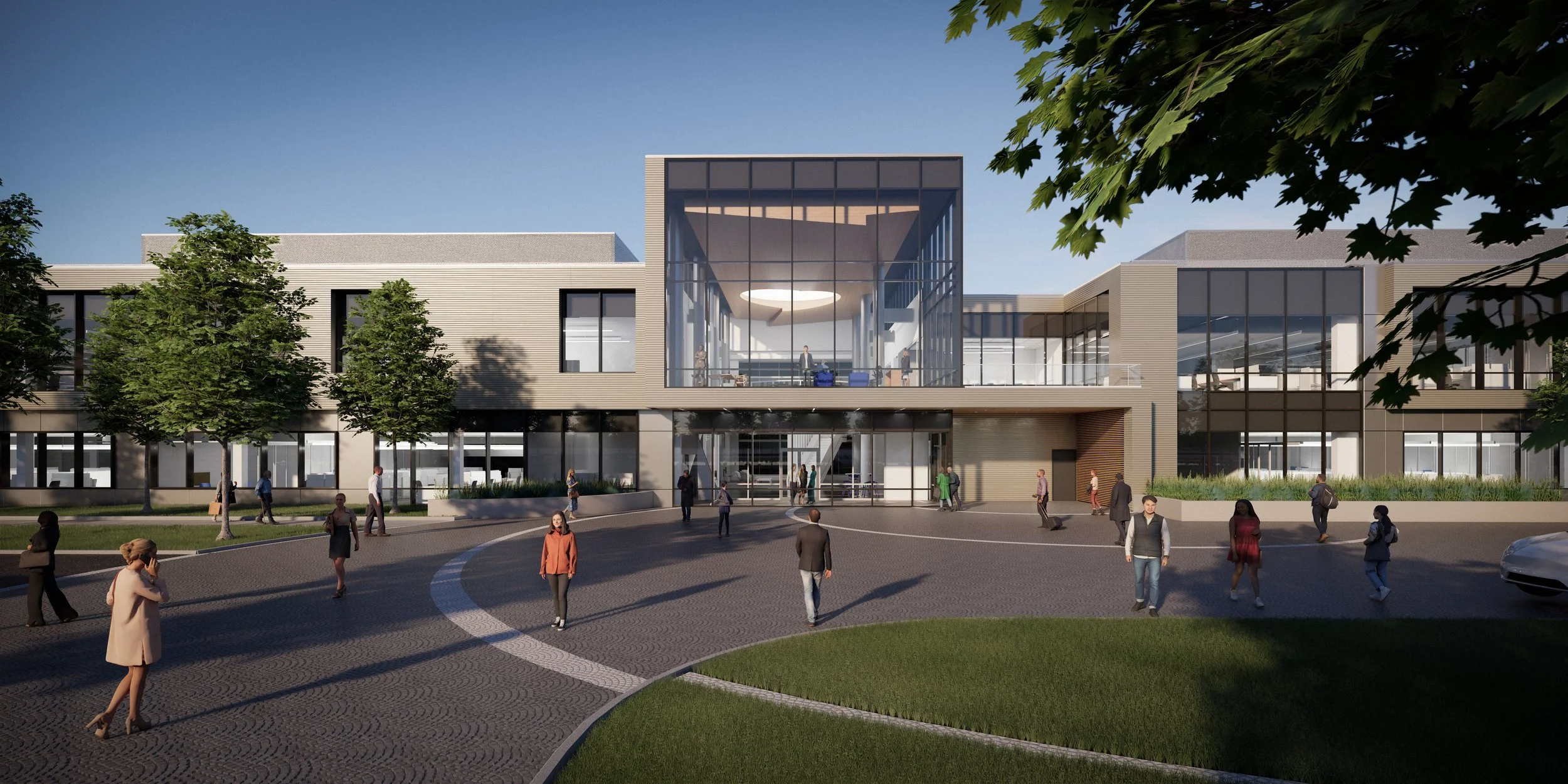
Labcorp’s planned campus in Brownsburg, IN, will add more than 500,000 square feet of laboratory and production space to support expanded capacity and future growth. Image: Labcorp
Labcorp is planning a new, purpose-built campus in Brownsburg, IN, to expand its Central Laboratory Services (CLS) operations while minimizing disruption to ongoing testing. The project will relocate operations from the company’s existing Indianapolis facility to a 50-acre site designed to accommodate growth, integrate multiple laboratory functions, and adapt to changing scientific and business needs.
Scheduled to begin construction in the second half of 2026, the project will encompass more than 500,000 square feet of laboratory and production space, increasing Labcorp’s current Indianapolis facility footprint by 40 percent. Completion is targeted for early 2030.
The project team includes BSA (lead architect), Scannell Properties (developer), and Pepper Construction (general contractor).
For Mark Slette, Labcorp’s senior vice president of global operations & strategic transformation, the decision to build rather than expand the existing facility came down to operational continuity and long-term flexibility.
“After evaluating expansion options at our current Indianapolis location we determined that expanding vertically would have required a complex phased construction effort and significant operational disruption,” Slette says. “A purpose-built facility offered the opportunity to create an environment designed for future growth without impacting ongoing operations.”
The existing facility is leased, making a company-owned campus another strategic consideration. Ownership gives Labcorp greater control over infrastructure investments, future expansion, and long-term planning.
Planning for integrated laboratory operations
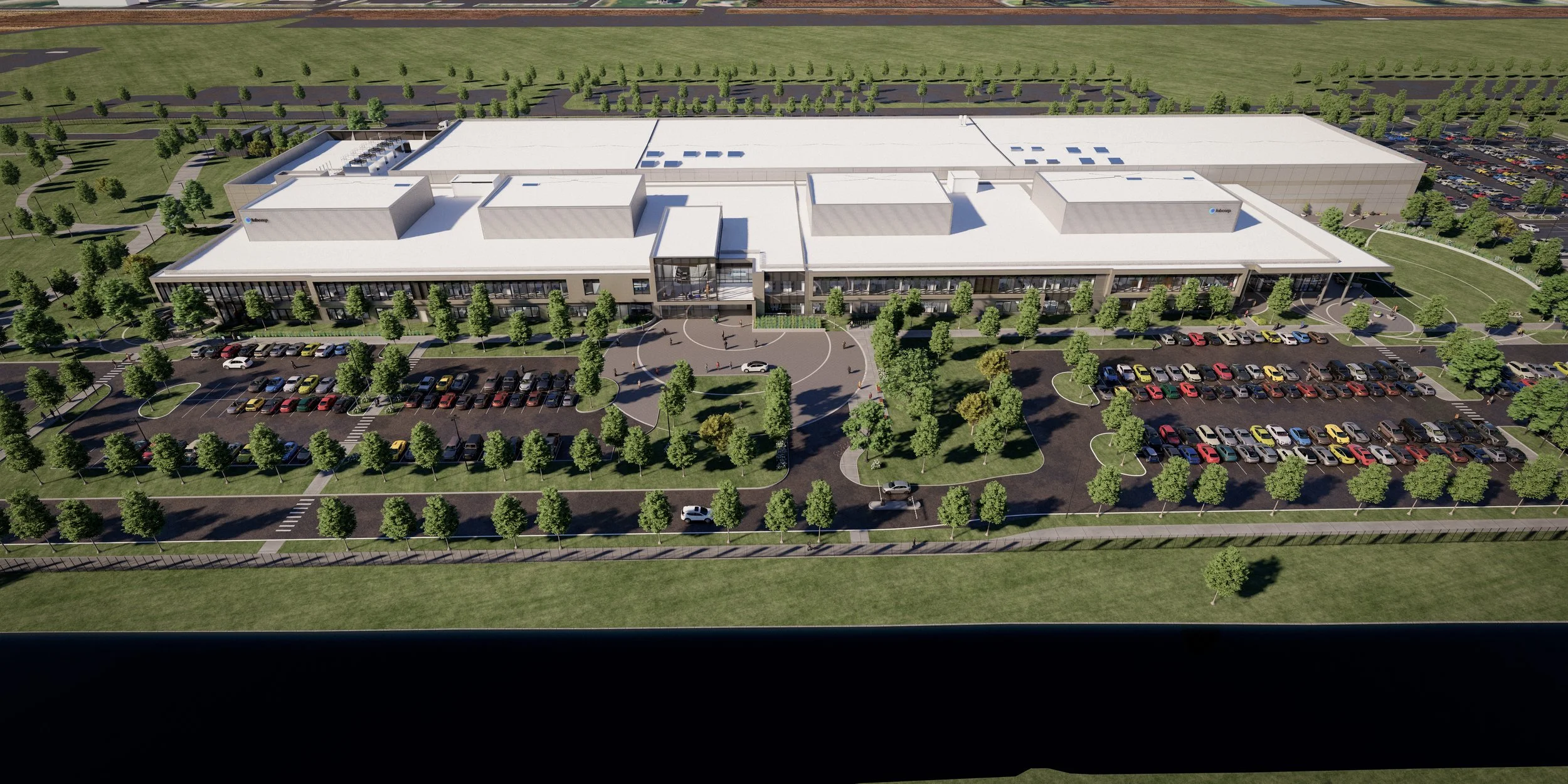
The Brownsburg campus will integrate Labcorp’s central laboratories, kit production, bioanalytical services, and diagnostics, with flexible infrastructure designed to support efficient workflows and future growth. Image: Labcorp
The Brownsburg campus will bring CLS laboratories, kit production, bioanalytical services, and Labcorp’s Indianapolis Diagnostics branch together on one site. Accommodating these distinct functions requires balancing individual operational requirements with shared resources and campus-wide efficiency.
Early planning focused on understanding how people, samples, materials, and information move through the organization. Labcorp mapped workflows across its operations to identify opportunities to improve efficiency, position shared services strategically, and reduce unnecessary duplication.
“One of the key challenges was balancing the specific needs of individual groups with the long-term objectives of the facility as a whole,” Slette says.
The team is also considering how the facility can respond to changes in testing volumes, technologies, and business priorities. Rather than designing around a fixed set of operational assumptions, Labcorp is incorporating a modular laboratory framework, centralized utilities, adaptable workspaces, and infrastructure intended to accommodate future needs with minimal disruption.
The approach reflects lessons from Labcorp’s existing central laboratory network: sufficient capacity and adaptable infrastructure can help organizations avoid constraints as demand changes. The new facility is expected to incorporate automation, data analytics, and smart laboratory technologies, supported by infrastructure designed to accommodate evolving scientific capabilities without requiring major reconfiguration.
Location and logistics shape the campus
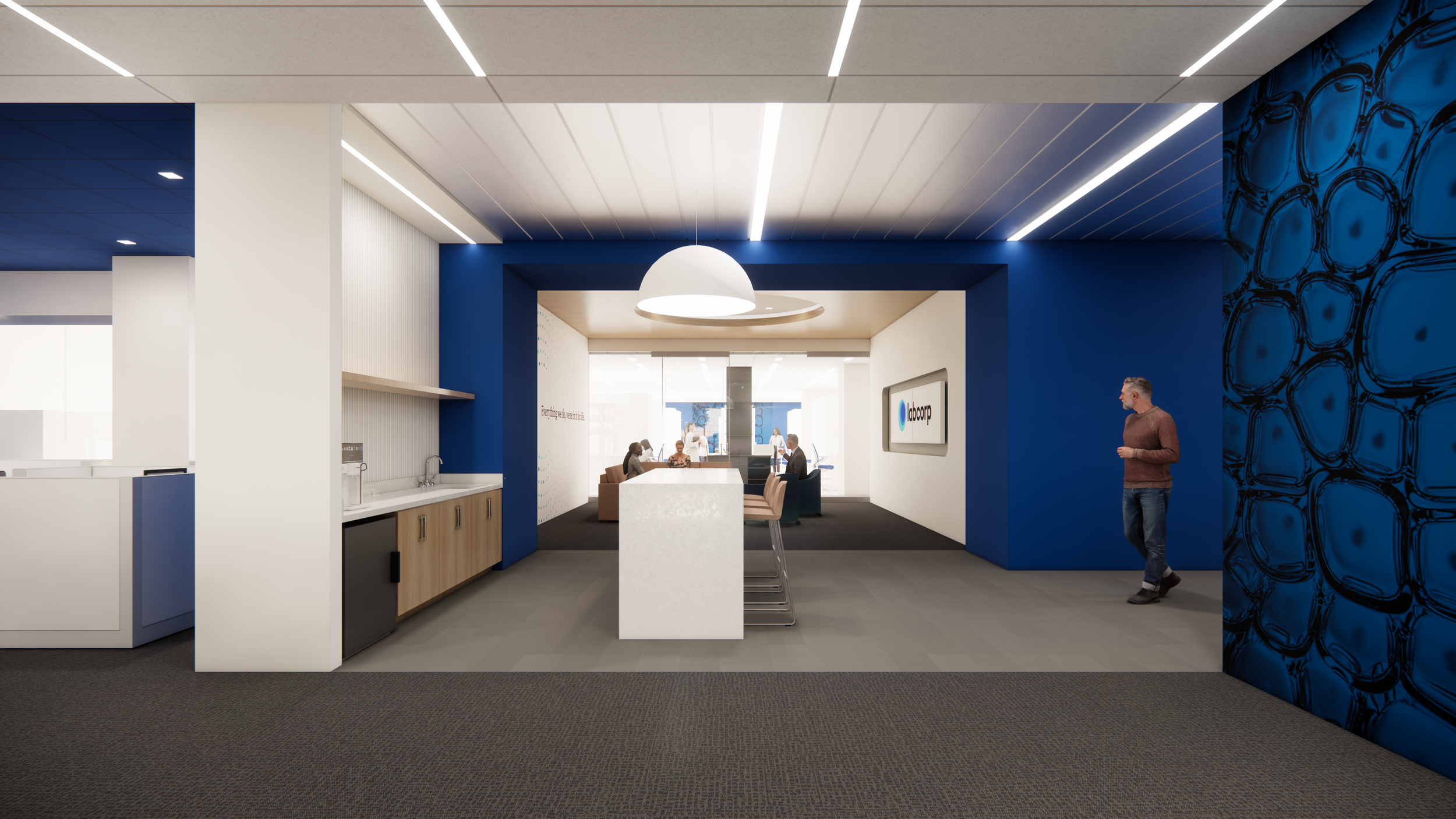
The Labcorp campus will leverage its proximity to major transportation hubs to streamline clinical trial sample shipments and support efficient laboratory workflows and global connectivity. Image: Labcorp
Site selection was driven in part by the demands of global clinical trial operations. The Brownsburg property sits near Indianapolis International Airport, a neighboring FedEx hub, and major transportation corridors, including Interstate 74 and Ronald Reagan Parkway.
These connections are intended to support overnight shipment of clinical trial samples from most major North American markets. Efficient sample receipt is important to maintaining testing workflows and supporting timely reporting of patient results.
Within the facility, physical adjacencies and operational processes were evaluated to reduce unnecessary sample movement and support efficient laboratory operations. Redundant technology infrastructure is also planned to help maintain reliable global connectivity and uninterrupted access to laboratory systems.
Although the relocation is local, the project supports Labcorp’s broader network of central laboratories across North America, Europe, and Asia-Pacific, with additional capabilities in Africa. The company's global operations rely on coordinated quality standards, processes, and data connectivity to support multinational clinical trials.
Managing the transition
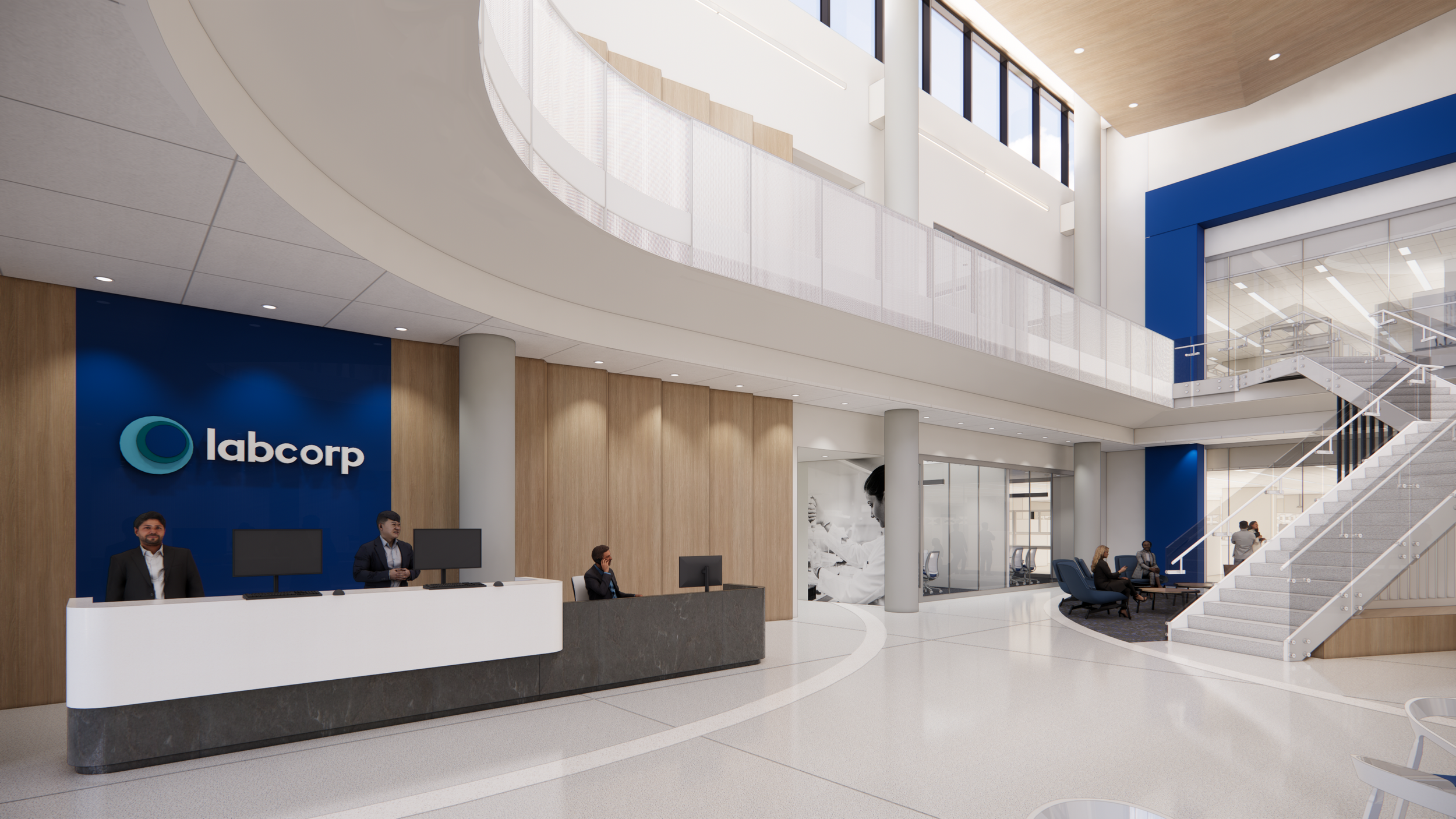
Labcorp plans to relocate its Indianapolis laboratory operations in phases to its nearby Brownsburg campus, prioritizing employee retention and uninterrupted testing throughout the transition. Image: Labcorp
Moving a large laboratory operation presents challenges beyond the physical building. Workforce retention and testing continuity are central considerations, particularly when operations must continue serving clients throughout construction and relocation.
The Brownsburg campus is approximately 15 minutes from the current Indianapolis location, helping limit commuting changes for employees. Labcorp also plans a phased transition, allowing operations to move over time while minimizing disruption to employees and clients.
For organizations undertaking similar projects, Slette emphasizes establishing clear priorities and maintaining communication throughout planning and implementation.
“Projects of this scale require dedicated resources and strong stakeholder engagement to support effective decision-making throughout the process,” he says.
He also cautions against treating future-proofing as a reason to overdesign. Planning for growth and flexibility remains important, but infrastructure investments should reflect operational requirements and long-term business objectives.
As construction approaches, the Brownsburg project offers a case study in planning a laboratory relocation around more than additional square footage. Integrating diverse functions, optimizing sample and material flows, retaining employees, and allowing for future changes are all part of creating a facility intended to support both current operations and long-term growth.