
[[bpstrwcotob]]
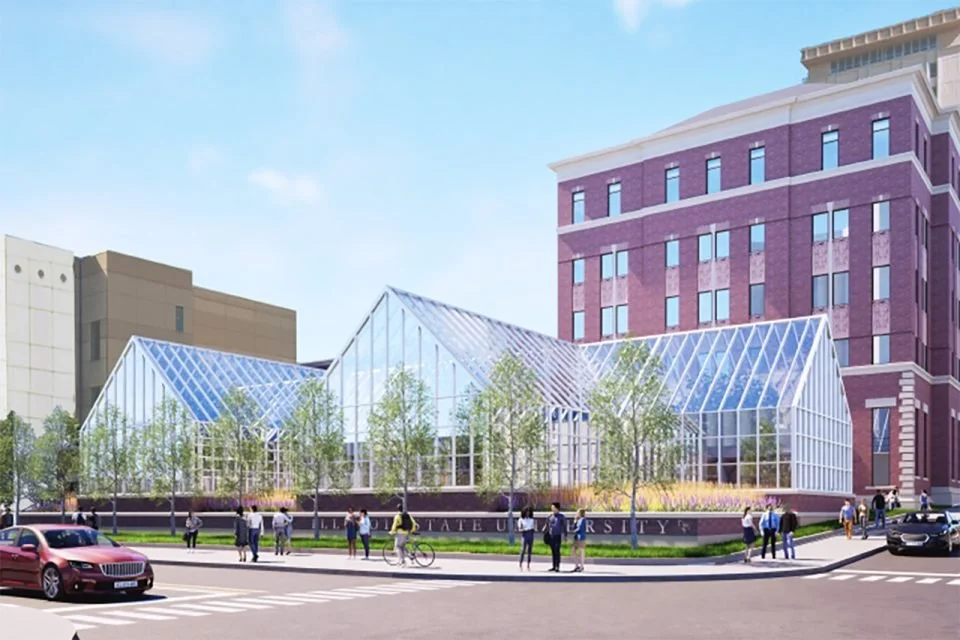
A Strategic Blueprint for Science Infrastructure: Inside a $100M+ Science Complex Expansion
From enrollment bottlenecks to modular lab design: How ISU is aligning institutional goals with flexible infrastructure for its 2027 groundbreaking
Mayo Clinic Labs Expands to Mississippi Logistics Hub
Mayo Clinic Laboratories will establish a new diagnostic facility in Southaven, MS, committing over $30 million to expand its national network—situated near Memphis International Airport and the FedEx World Hub, the site leverages turnkey building stock and transportation access to optimize high-throughput specimen processing
Designing Labs for an Uncertain Future
At the 2026 Lab Design Conference, Ballinger's Gregory Muth and Katherine Wohlsen shared how designing for uncertainty allowed Brown University's newest life sciences building to respond to changing research priorities, funding challenges, and evolving work styles without requiring major redesigns
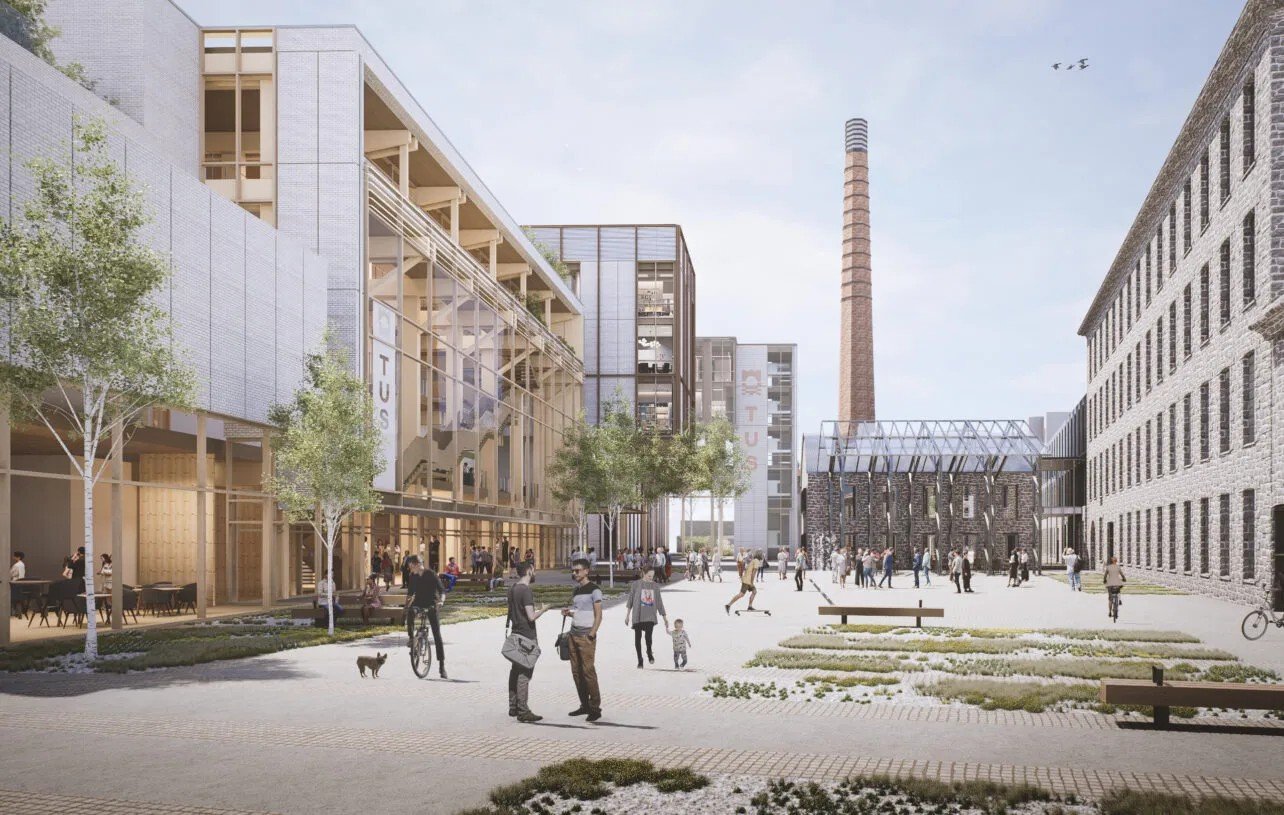
Designing Labs for What Comes Next: Inside a 15-Year Masterplan
Ireland’s Technological University of the Shannon is planning new research facilities, postgraduate hubs and industry-facing innovation spaces while using adaptive reuse and flexible planning to accommodate changing research needs

Harris-Stowe State University Breaks Ground on Flexible STEM Center
Harris-Stowe State University’s new $62 million STEM Center will combine flexible laboratories, research spaces, classrooms, and collaborative environments designed to support current programs and future workforce needs
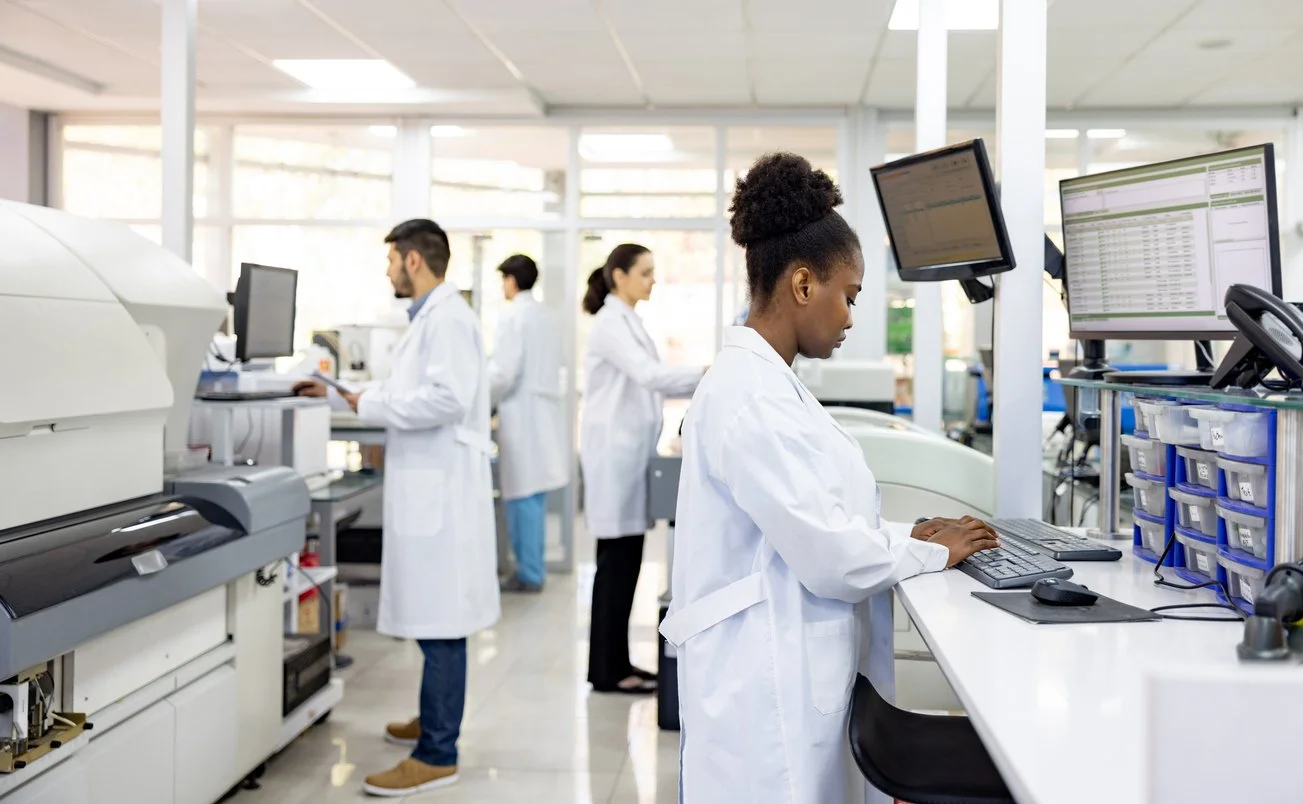
Lab Planning with Operations in Mind
Successful laboratory planning goes beyond square footage and equipment counts by incorporating operational workflows, maintenance needs, and user input early in the design process to create spaces that support efficient, compliant, and intuitive day-to-day laboratory operations
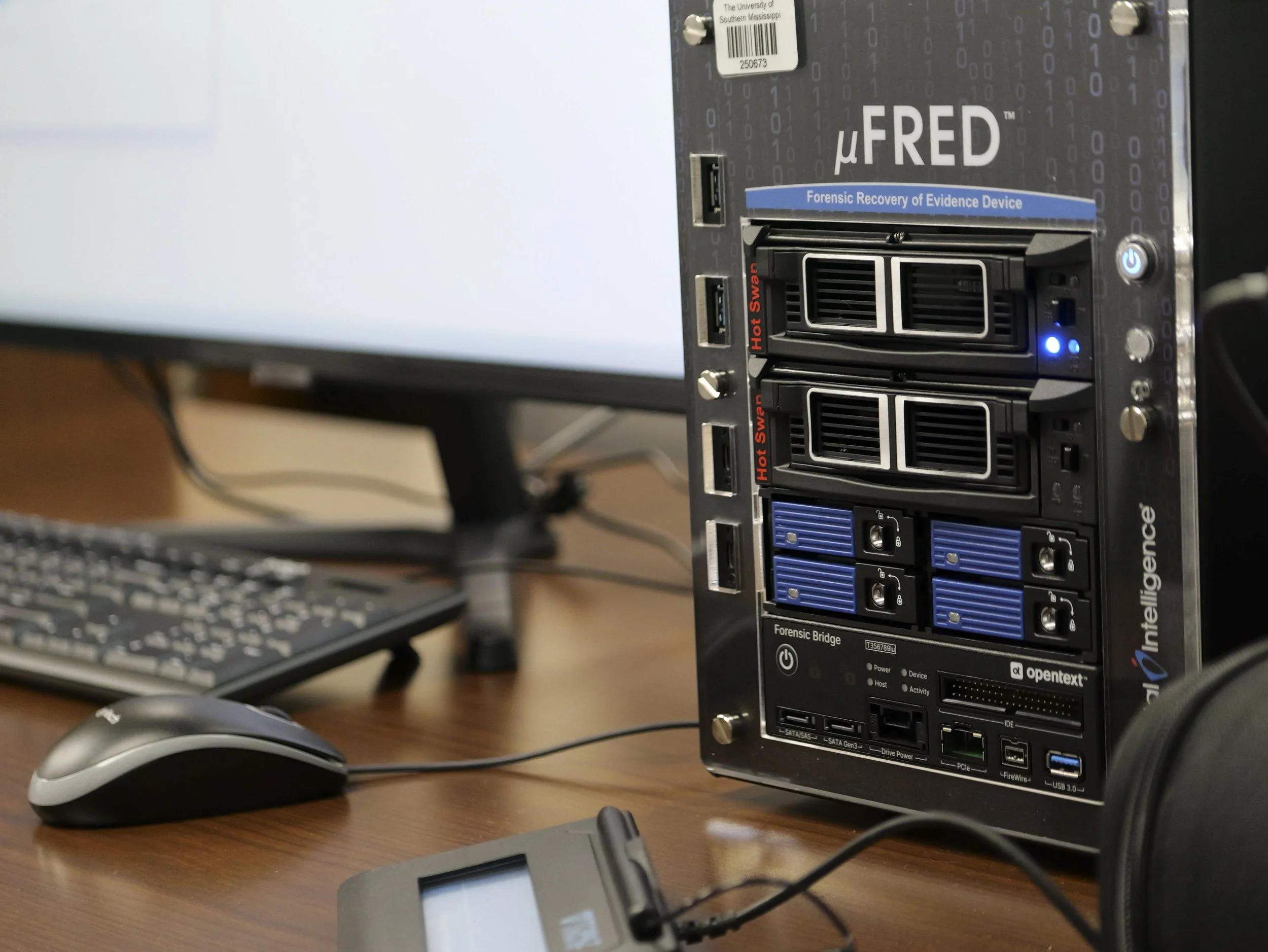
Secure Lab Expands Digital Forensics Access for Rural Agencies
The University of Southern Mississippi’s new Rural Digital Forensics Initiative laboratory balances secure evidence handling, forensic operations, and hands-on education within a renovated campus space designed to expand access for rural law enforcement agencies
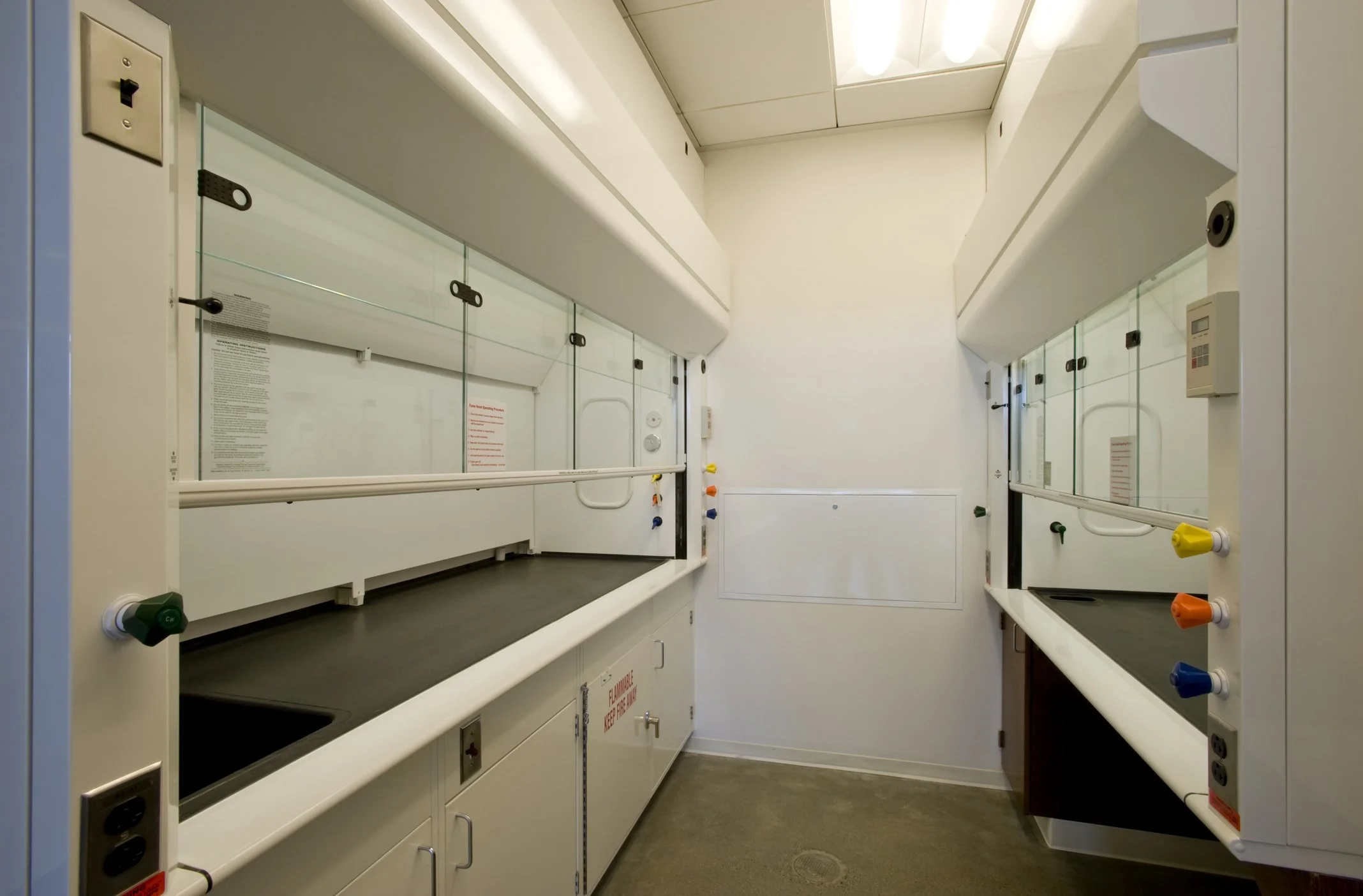
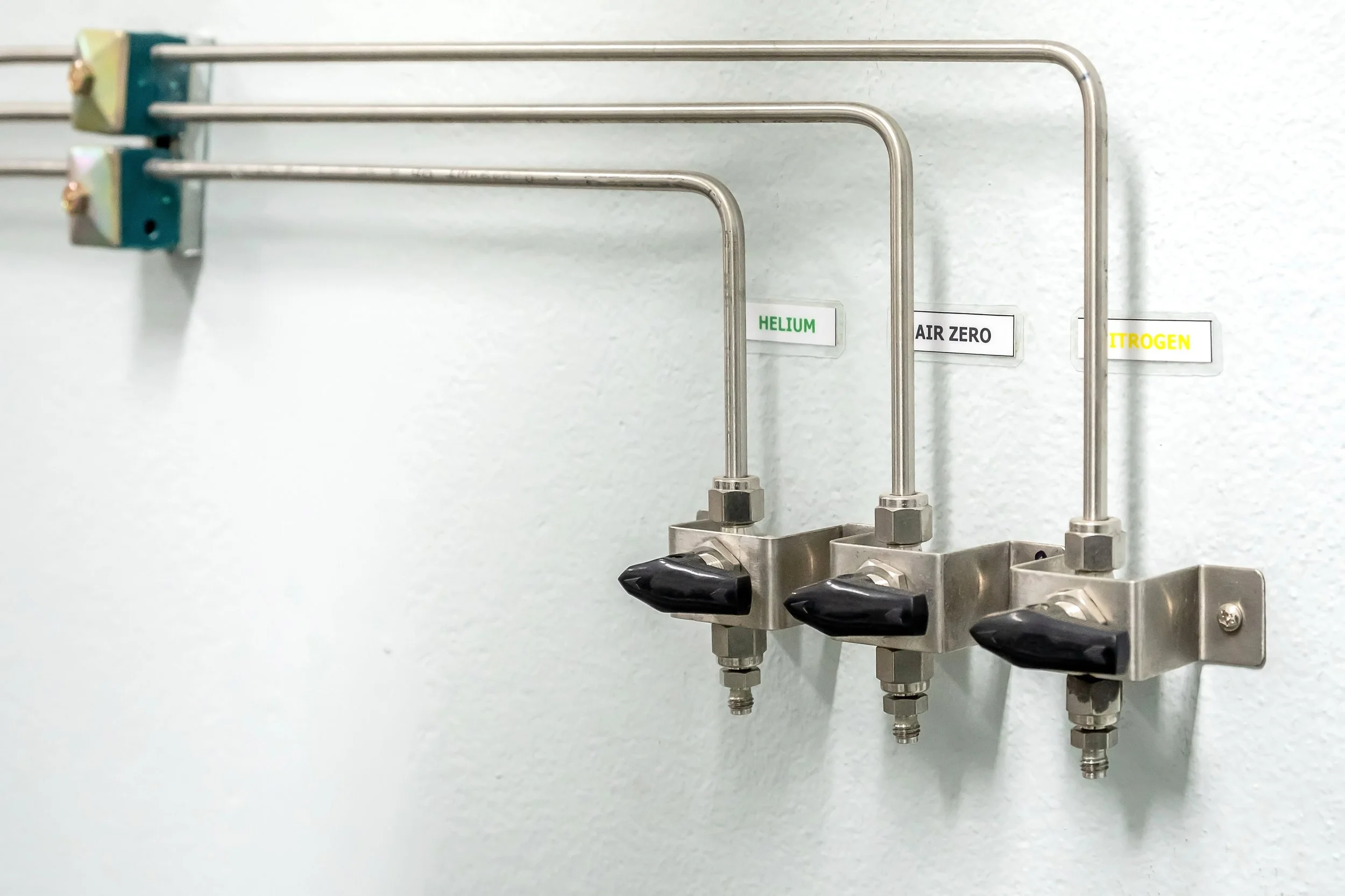
Beyond Equipment: The Hidden Impact of Laboratory Infrastructure
How integrated infrastructure helps laboratories improve safety and sustainability

Decarbonizing Labs Through Thermal Energy Networks
As laboratories face growing pressure to decarbonize, thermal energy networks offer a path beyond building-by-building electrification. Charlie Marino and Victor Sanchez shared how campuses can leverage shared infrastructure, heat recovery, and strategic planning to reduce emissions, during their 2026 Lab Design Conference session