
[[bpstrwcotob]]
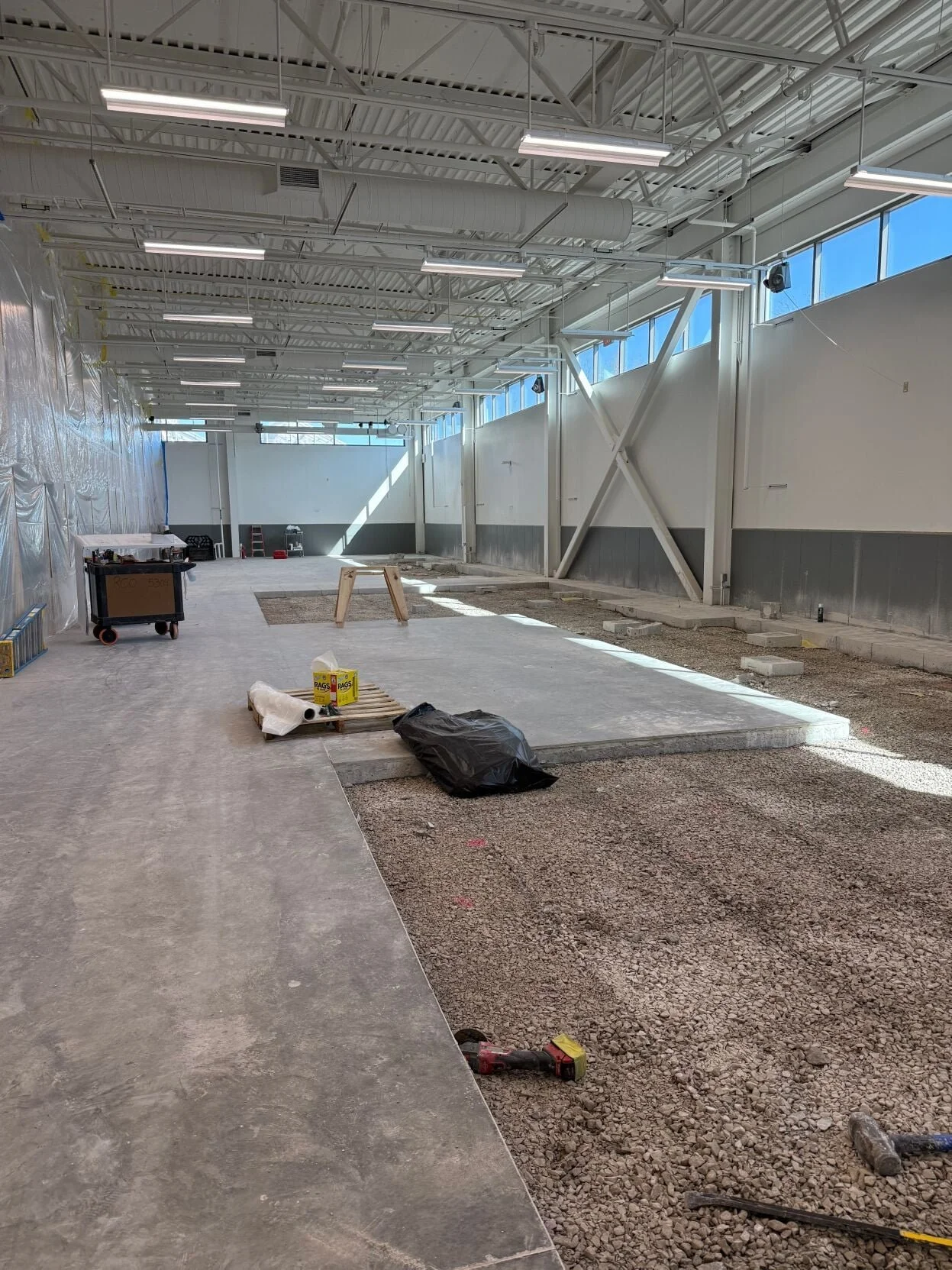
Translating Agricultural Science into Laboratory Design
The University of Missouri’s new Soybean Cyst Nematode Diagnostics Lab demonstrates how specialized research workflows, extensive end-user collaboration, and future-focused planning are shaping a facility designed to advance diagnostics, research, and student training while addressing one of agriculture’s most costly crop threats
From Warehouse to Scale-Up Facility
OMX’s retrofit laboratory and scale-up facility in Bristol, UK is designed to support growing deep tech companies and address the lack of mid-scale lab space in the region
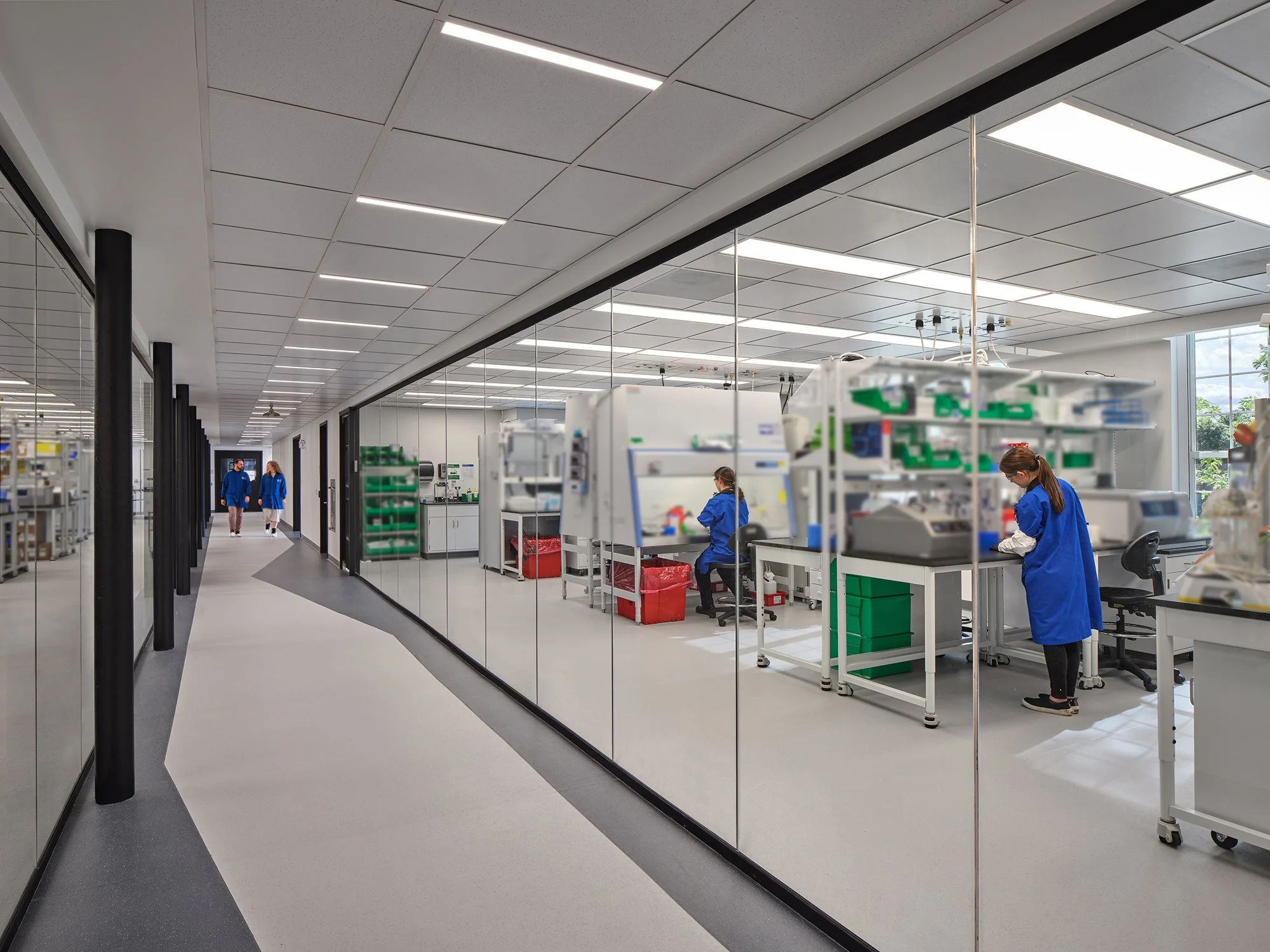
Hides to Hearts: Historic Mill Transformed into Advanced Biotech Engineering Facility
Manchester’s historic Seal Tanning Building is being reimagined as a state-of-the-art biotechnology facility where United Therapeutics is advancing technologies that could one day 3D print human organs
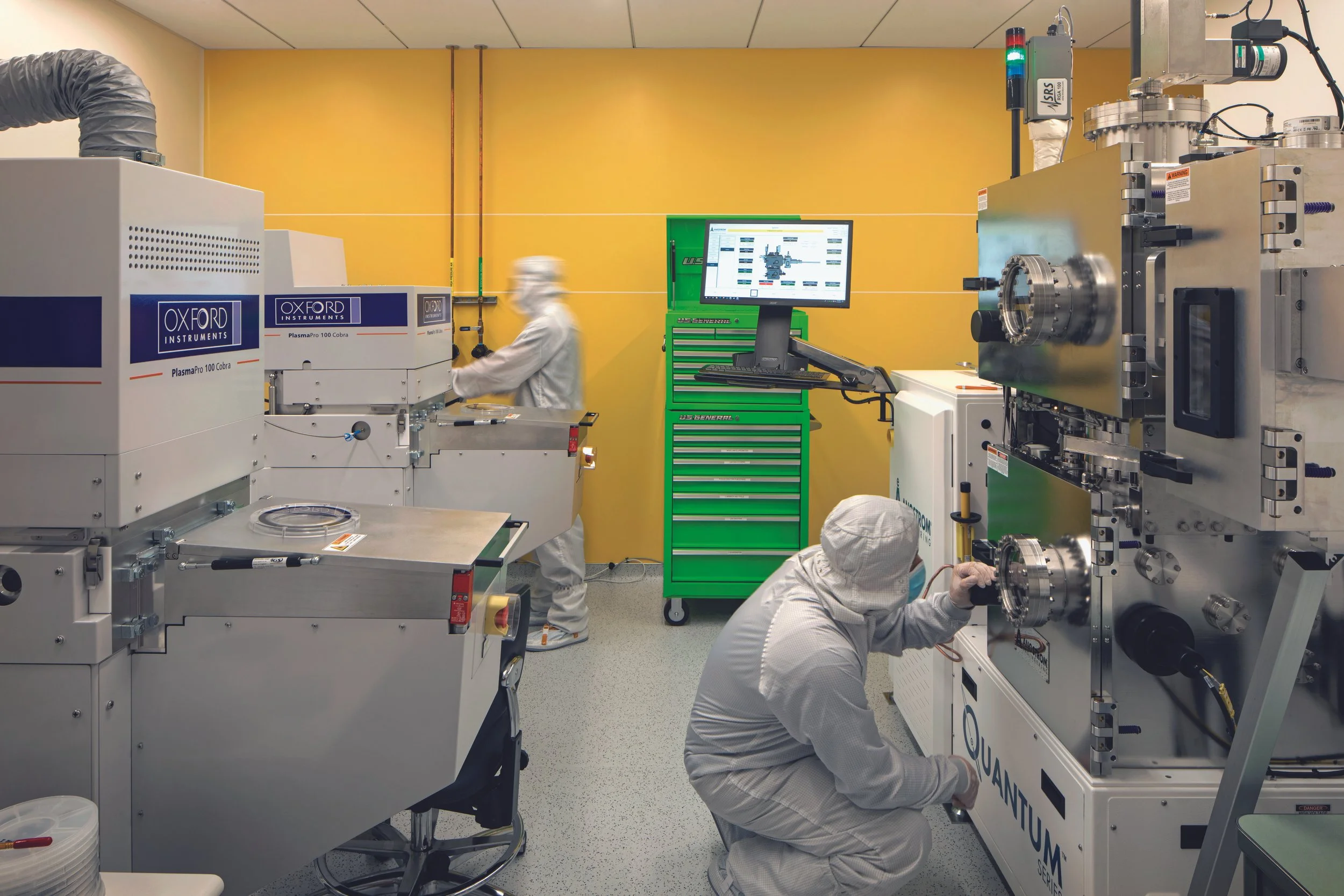
Custom University Labs: Attracting Top Talent with Design Collaborations
Universities are increasingly partnering with architects to design highly customized labs—often within aging buildings—to attract top-tier researchers, translating complex scientific needs into flexible, future-ready spaces that support cutting-edge discovery
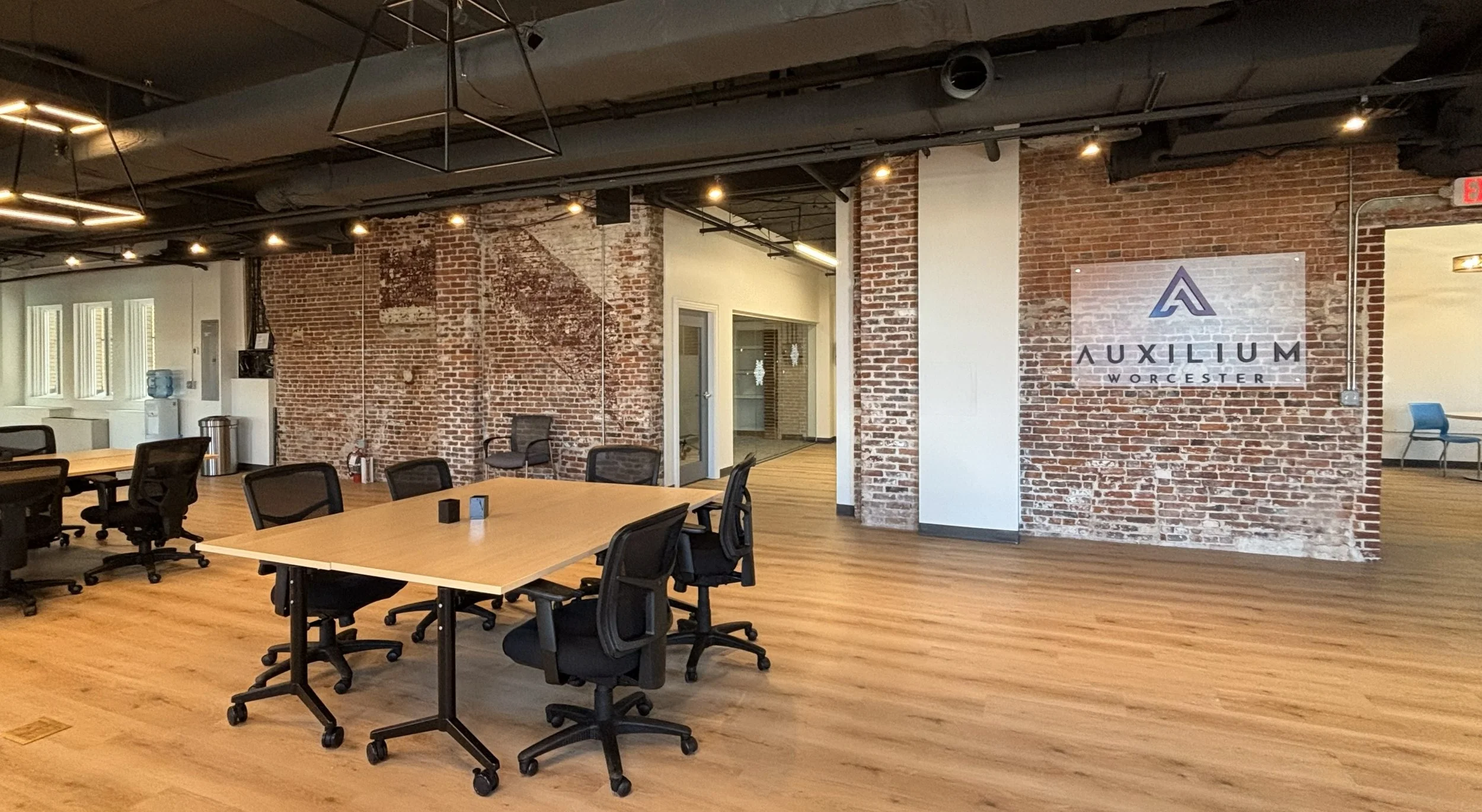
Worcester’s Innovation Revival Grows with New Startup Materials Lab
A new materials science lab planned for downtown Worcester will provide flexible, startup-focused research space and industry expertise to help early-stage companies advance from prototype development to commercial readiness while supporting the city’s innovation-driven revitalization

Optimizing Existing Labs for New Equipment and Workflows
As life sciences research rapidly evolves, existing laboratories require frequent, often urgent renovations, making close collaboration between designers, engineers, trade partners, and clients essential to efficiently and cost-effectively reconfigure lab spaces to meet changing scientific needs
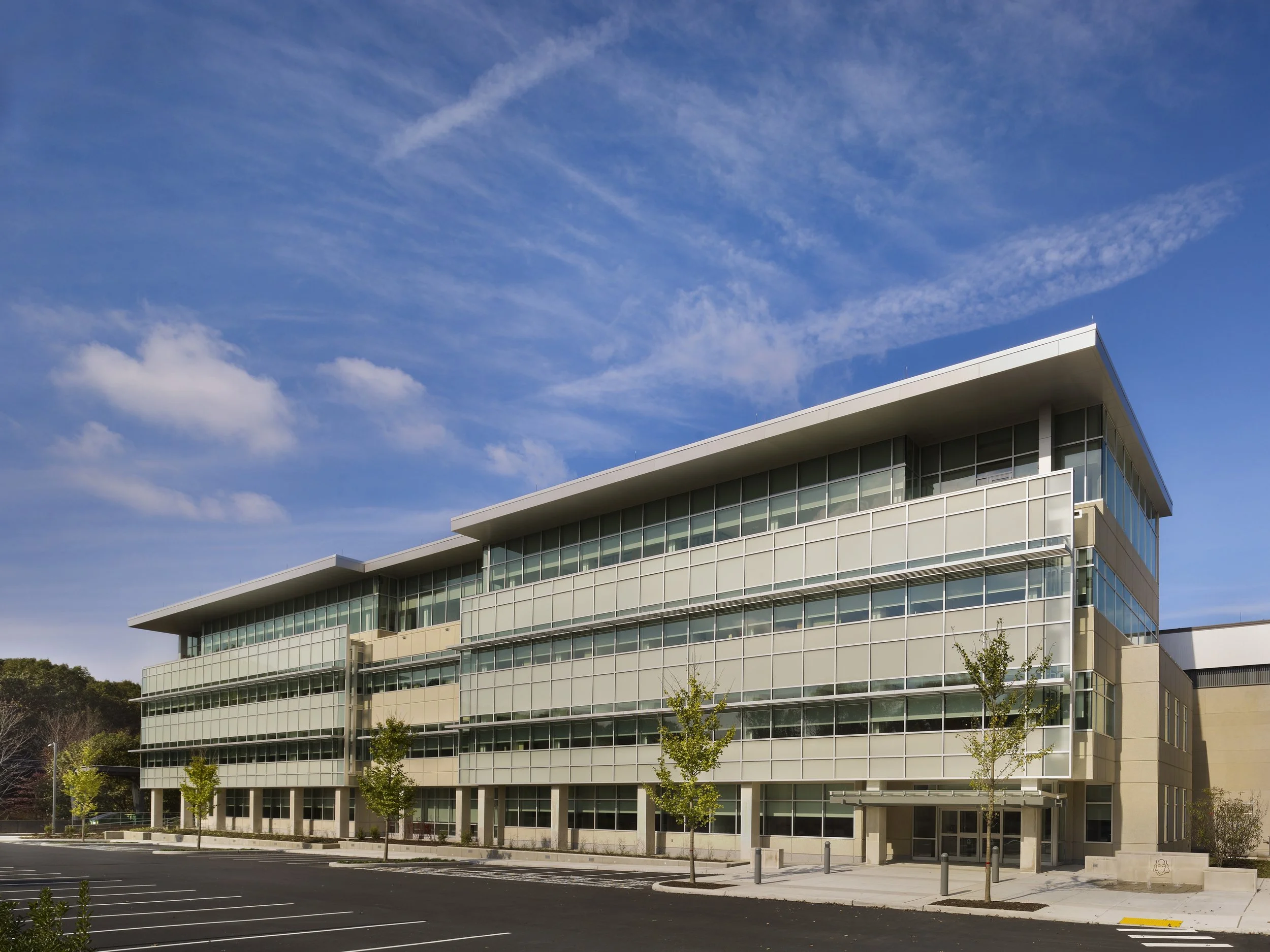
Expanding Lab Capacity Through a Flexible Retrofit Strategy
The expansion of Ben Franklin TechVentures in Bethlehem converts existing space into flexible wet and electronics labs, using a retrofit approach and upgraded infrastructure to meet rising cross-disciplinary demand from early-stage life sciences and microelectronics companies while strengthening the region’s innovation ecosystem
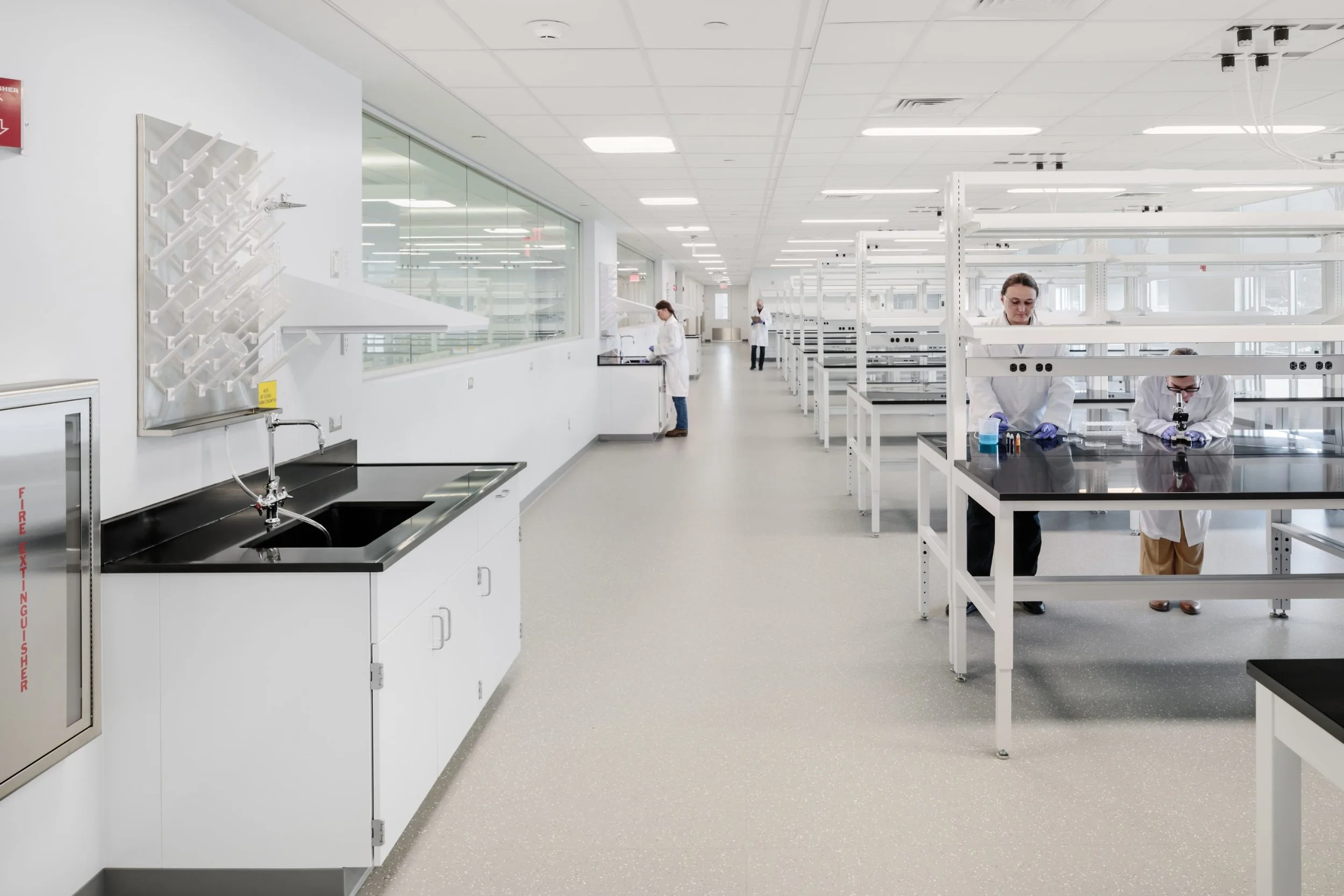
Peer Review as Risk Management in Lab Renovations
Peer review serves as a structured risk management tool in laboratory renovations—especially in aging buildings—by objectively evaluating infrastructure, safety, and design decisions early, helping teams identify hidden gaps, prevent costly changes, maintain alignment with owner goals, and ensure flexible, high-performing facilities
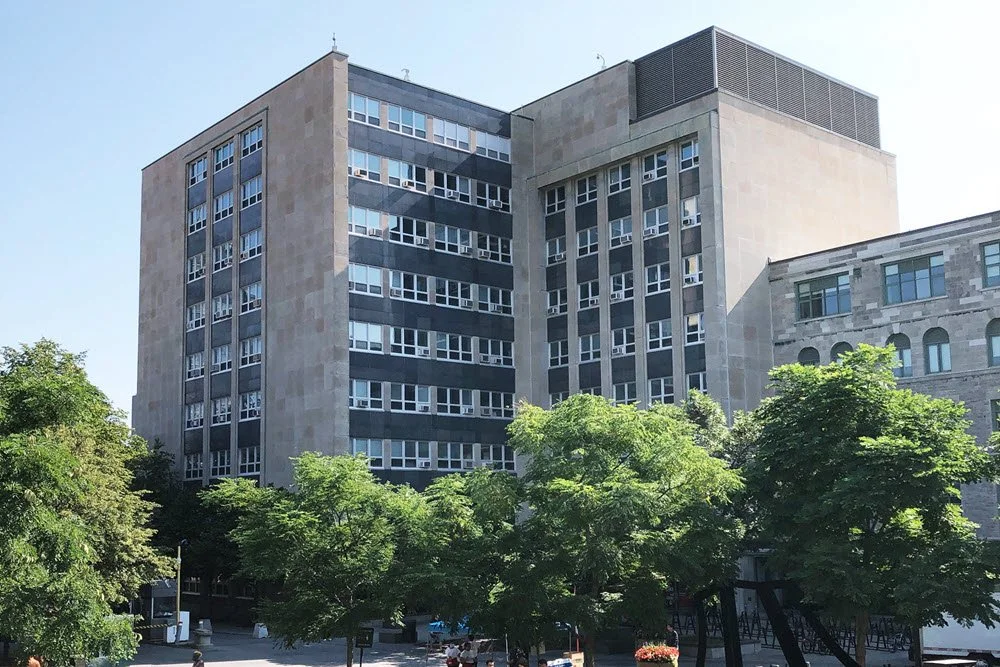
Planning for Sensitivity: Temperature, Vibration, and Power in Legacy Labs
Inside a 75-year-old, fully occupied academic building, McGill University is modernizing photonics labs while tackling challenges related to vibration, environmental control, and legacy infrastructure
Planning a Lab Renovation or Retrofit? Here’s Why You Should Attend the 2026 Lab Design Conference
The 2026 Lab Design Conference brings together real-world lessons, practical education, and peer insight to help renovation teams navigate the constraints, risks, and complexities of updating laboratory spaces—without disrupting the people and science that depend on them