
Translating Agricultural Science into Laboratory Design
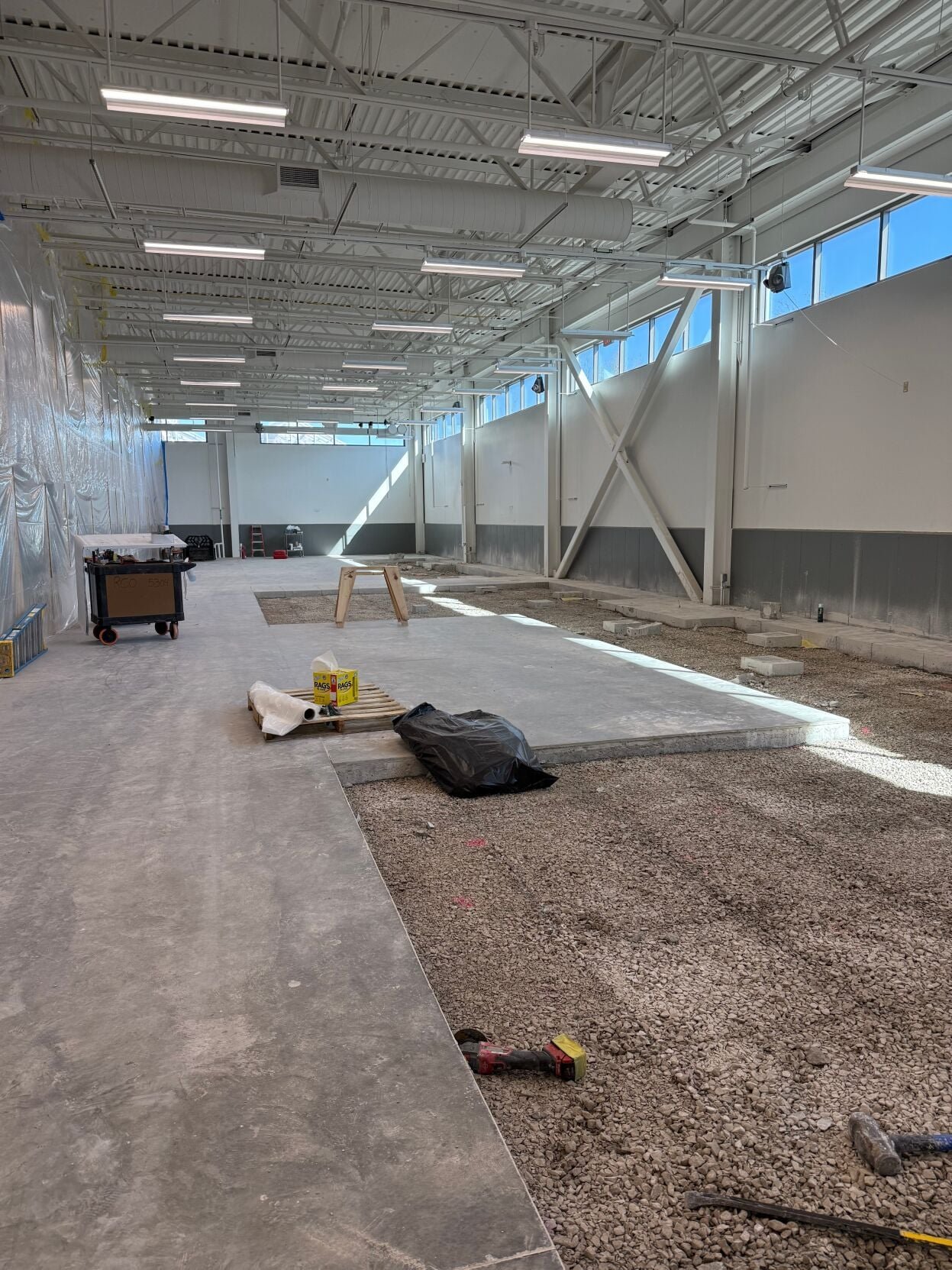
Construction is underway on the new Soybean Cyst Nematode Diagnostics Lab at the University of Missouri, with completion expected by July 2026. Work on the facility began in late February. Image: Courtesy of Mandy Bish
Construction is underway at the University of Missouri on a new laboratory dedicated to soybean cyst nematode (SCN) diagnostics, research, and training. Scheduled for completion in July 2026, the 3,200-sf facility represents a targeted investment in combating one of the most economically damaging pests affecting soybean production while providing an interesting case study in how highly specialized scientific workflows can drive laboratory design decisions.
Located within the university's East Campus Plant Growth Facility, the new SCN Diagnostics Lab is being developed through University of Missouri Extension and the College of Agriculture, Food and Natural Resources. The project received $2 million in state funding and is intended to expand the university's capacity for diagnostics, applied research, and workforce development related to plant pathology and crop protection.
The project team includes MU Design Services (architect/engineer), Crockett Engineering (structural engineer), and Reinhardt Construction (contractor).
Designing around a unidirectional workflow
One of the most notable aspects of the project is the degree to which the facility's layout is organized around the unique workflow requirements of nematode research and diagnostics. According to Mandy Bish, MU Extension state plant pathologist and director of the SCN Diagnostics Lab, establishing a clear and sequential sample-processing pathway was among the most important decisions made during programming and early design.
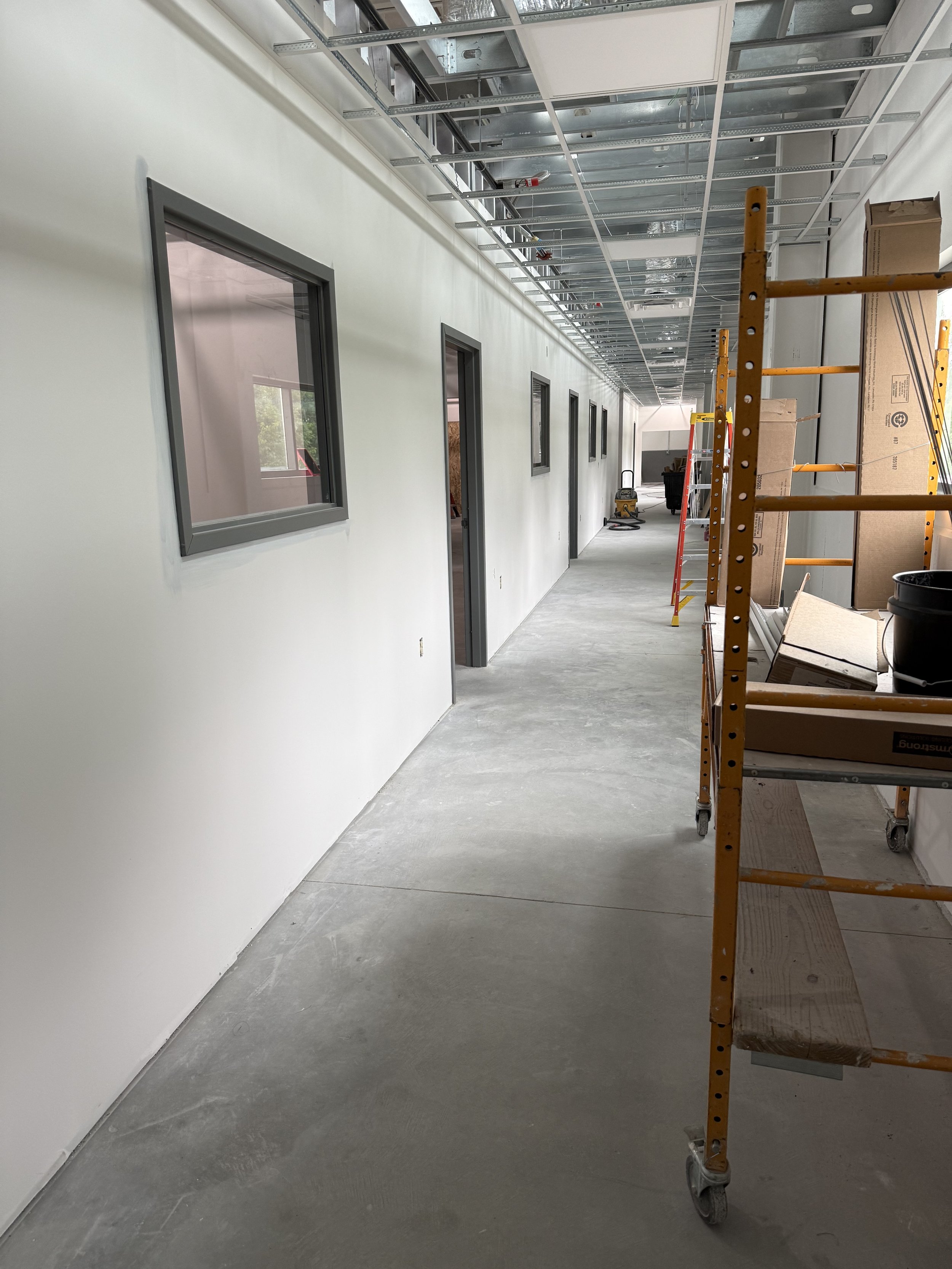
The facility’s layout is designed around the unique workflow of nematode research and diagnostics, with a clearly defined sequential sample-processing pathway established during programming and early design. Image: Courtesy of Mandy Bish
“A key decision was the commitment to a unidirectional workflow,” says Bish. “Our layout moves logically from sample intake, soil processing, data collection and finally analysis.”
That sequencing became so central to the project that revisiting it later would have required major changes to structural, plumbing, and mechanical systems already integrated into the design.
The workflow itself reflects the distinctive nature of soybean cyst nematode diagnostics. Unlike many laboratory operations that begin with prepared samples, nematode testing starts with large quantities of soil and water collected from agricultural fields. Those materials must be processed, washed, filtered, and reduced before researchers can perform microscopic examinations and molecular analyses.
“Nematode research often starts with large volumes of soil and water,” Bish says. “This requires drainage and wash stations and the ability to thoroughly clean between experiments.”
As a result, the facility transitions through several distinct environments. Soil processing areas utilize durable, moisture-resistant materials designed to withstand wet, abrasive conditions, while downstream spaces support increasingly sensitive analytical work.
Clear boundaries between dirty and clean operations
One of the defining features of the new laboratory is the separation between soil-intensive activities and analytical operations. The facility includes dedicated sample handling and processing spaces that feed into a controlled analysis area equipped with microscopes and molecular diagnostic tools. While project descriptions have referred to this area as a “clean zone,” Bish notes that contamination control requirements differ somewhat from traditional cleanroom environments.
“In our context, the ‘clean zone’ is not a sterile cleanroom; a more appropriate label might be ‘no-soil zone,’” she says.
Rather than focusing on sterility, the design emphasizes intuitive transitions between work zones. Physical boundaries help staff recognize when they are moving from areas where soil, dust, and moisture are present into spaces dedicated to data collection and molecular analysis. The project highlights the importance of understanding contamination risks specific to a scientific discipline rather than relying solely on conventional laboratory classifications.
End-user input shaped the design
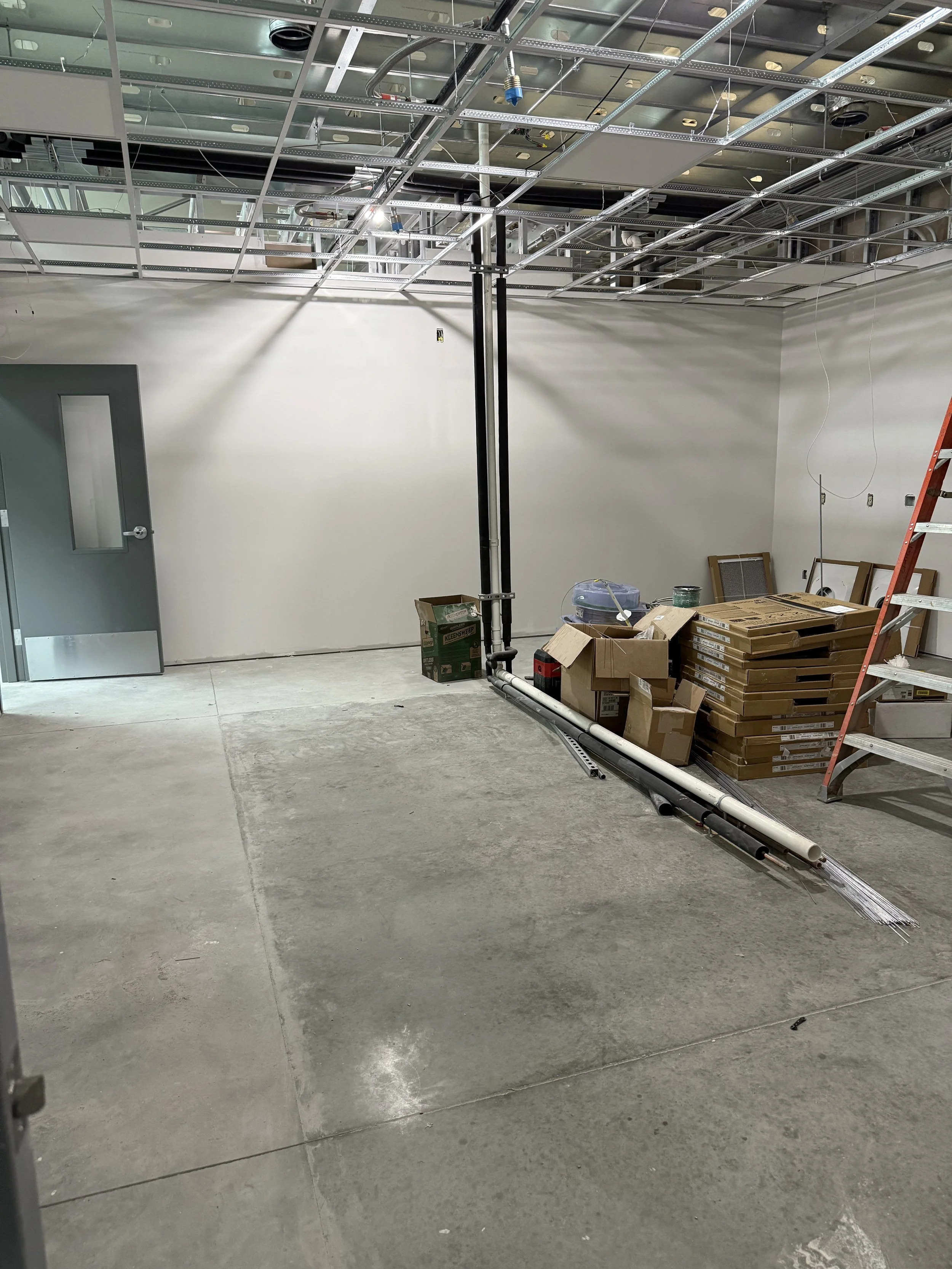
Close collaboration between designers and laboratory users—including site visits, iterative planning meetings, and engagement at key design milestones—helped ensure the facility’s layout accurately reflects real-world nematode diagnostic workflows while also supporting expanded undergraduate training opportunities. Image: Courtesy of Mandy Bish
A recurring theme throughout the project has been close collaboration between designers and laboratory users. To better understand operational requirements, the design team conducted multiple visits to the university's existing nematode clinic. Those observations allowed architects, planners, and engineers to experience firsthand the challenges associated with handling large soil samples, managing moisture, and maintaining efficient processing workflows.
“The design team conducted multiple site visits to our existing nematode clinic and this allowed them to see first-hand the demands of nematode work,” says Bish.
The SCN Diagnostics team also participated in routine planning meetings throughout the project. According to Bish, researchers and staff were included at every major design milestone, helping ensure that workflow assumptions and cleanliness standards accurately reflected day-to-day laboratory operations.
This level of engagement appears to have paid dividends. Bish describes the collaborative approach as “essential to developing a layout that we are all excited about.”
The facility will also support expanded undergraduate training opportunities, meaning future users were considered during planning. Dedicated teaching and hands-on learning opportunities are expected to help introduce students to plant pathology, crop protection, and modern diagnostic technologies.
Planning for future growth
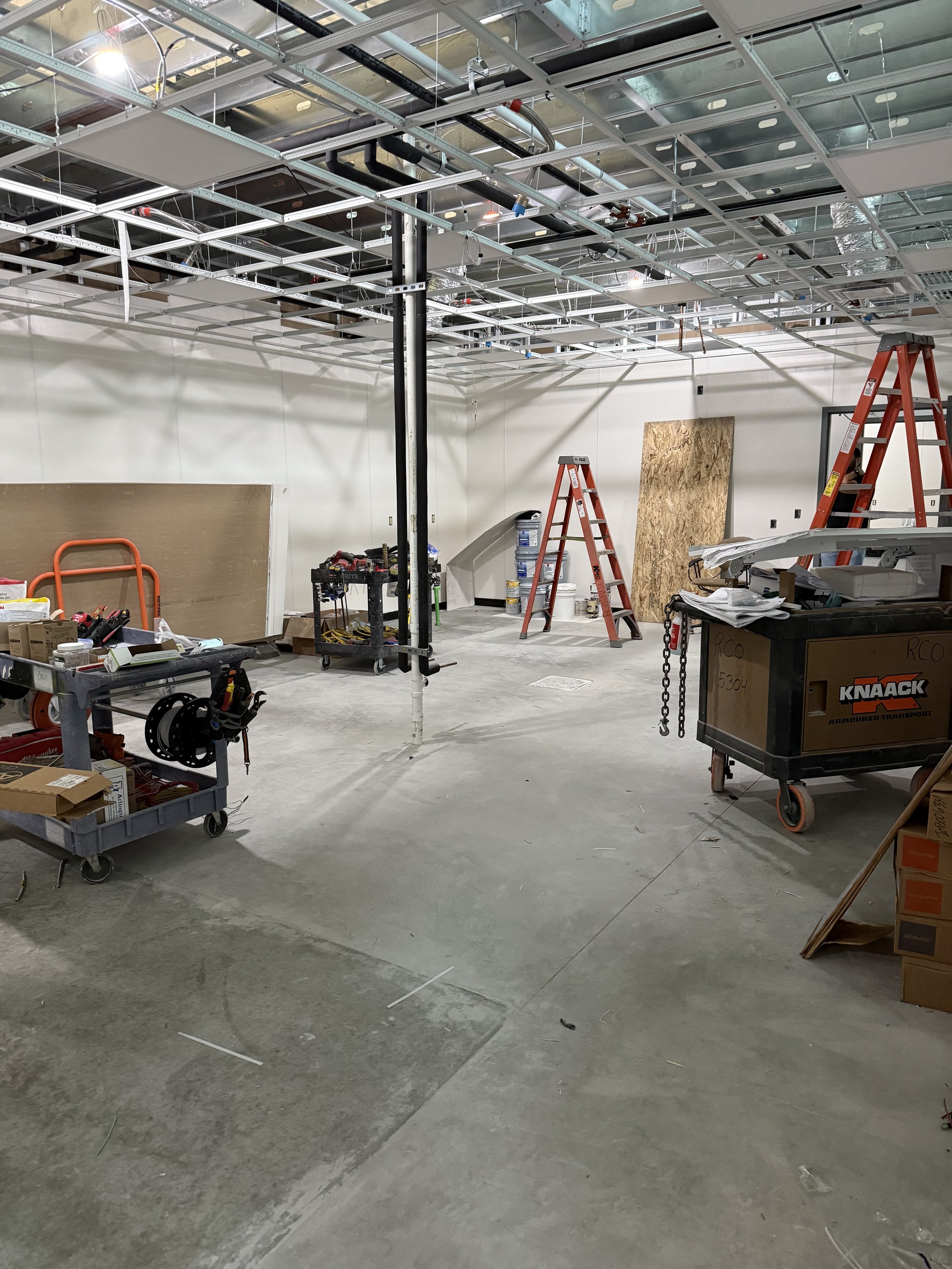
While designed to meet current soybean cyst nematode testing needs, the laboratory prioritizes flexibility and scalability through expanded bench space, utility hookups for future molecular diagnostics, and increased storage and processing capacity, despite space and budget constraints limiting optimal expansion of soil processing areas. Image: Courtesy of Mandy Bish
Although the laboratory is designed around current SCN testing needs, flexibility and scalability were major considerations. Demand for soybean cyst nematode diagnostics has increased substantially in recent years, and advances in molecular testing are expected to further accelerate throughput. To accommodate future growth, the project includes bench space and utility connections capable of supporting next-generation diagnostic technologies.
“We focused on scalability by ensuring that bench space and utility hookups are in place for next-generation molecular tools,” Bish says.
The design also expands sample storage, processing, and sterilization capacity compared with the university's existing facility.
As with many laboratory projects, however, tradeoffs were necessary. Bish notes that, given the opportunity, the team would have preferred additional square footage dedicated to primary soil processing operations but ultimately had to balance those needs against budget limitations and the building's fixed footprint.
Navigating retrofit challenges
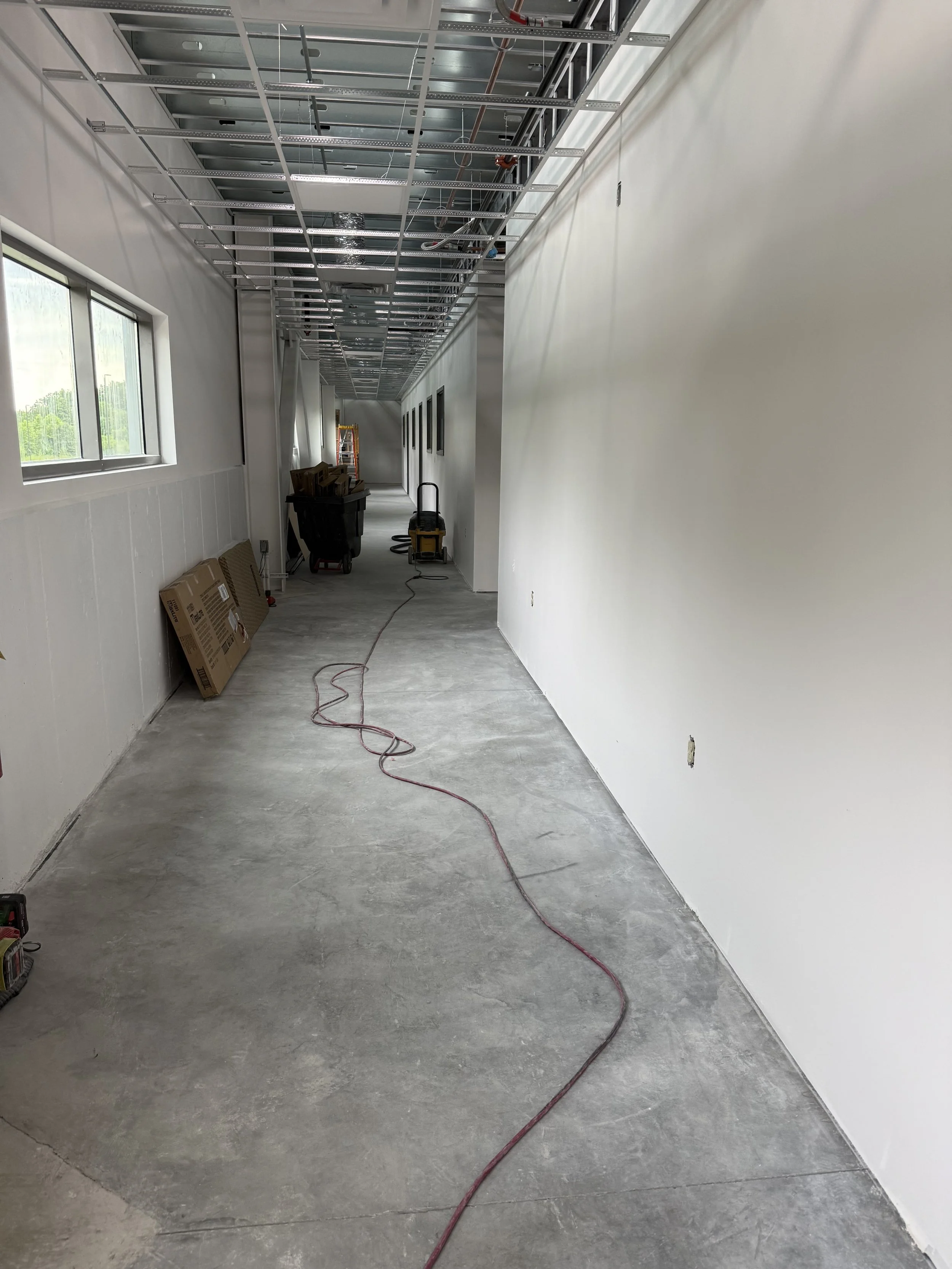
As a renovation project, the SCN Diagnostics Lab encountered unexpected site conditions—such as thicker-than-documented concrete slabs complicating utility installation—while also benefiting from existing infrastructure and enhancements like added daylighting windows and a centralized vacuum system, illustrating how adaptive design responds to both constraints and opportunities. Image: Courtesy of Mandy Bish
Because the project is a renovation within an existing building rather than a ground-up facility, construction has presented some predictable surprises.
One challenge emerged during demolition and infrastructure installation, when contractors discovered that portions of the existing concrete slab were thicker and deeper than original documentation indicated. The unexpected conditions complicated installation of new plumbing and drainage systems that are critical for soil-processing operations.
At the same time, the retrofit offered advantages. Existing utilities reduced infrastructure costs, while the project team was able to incorporate user-requested enhancements such as additional windows for natural daylight and a centralized vacuum system to manage the dust and grit generated during soil handling.
As construction progresses, the University of Missouri's new SCN Diagnostics Lab demonstrates how specialized scientific workflows, early stakeholder engagement, and careful attention to operational realities can shape laboratory environments that support both research excellence and practical diagnostic services. The project offers a compelling example of how understanding the nuances of a scientific process can directly inform successful facility design.