
[[bpstrwcotob]]
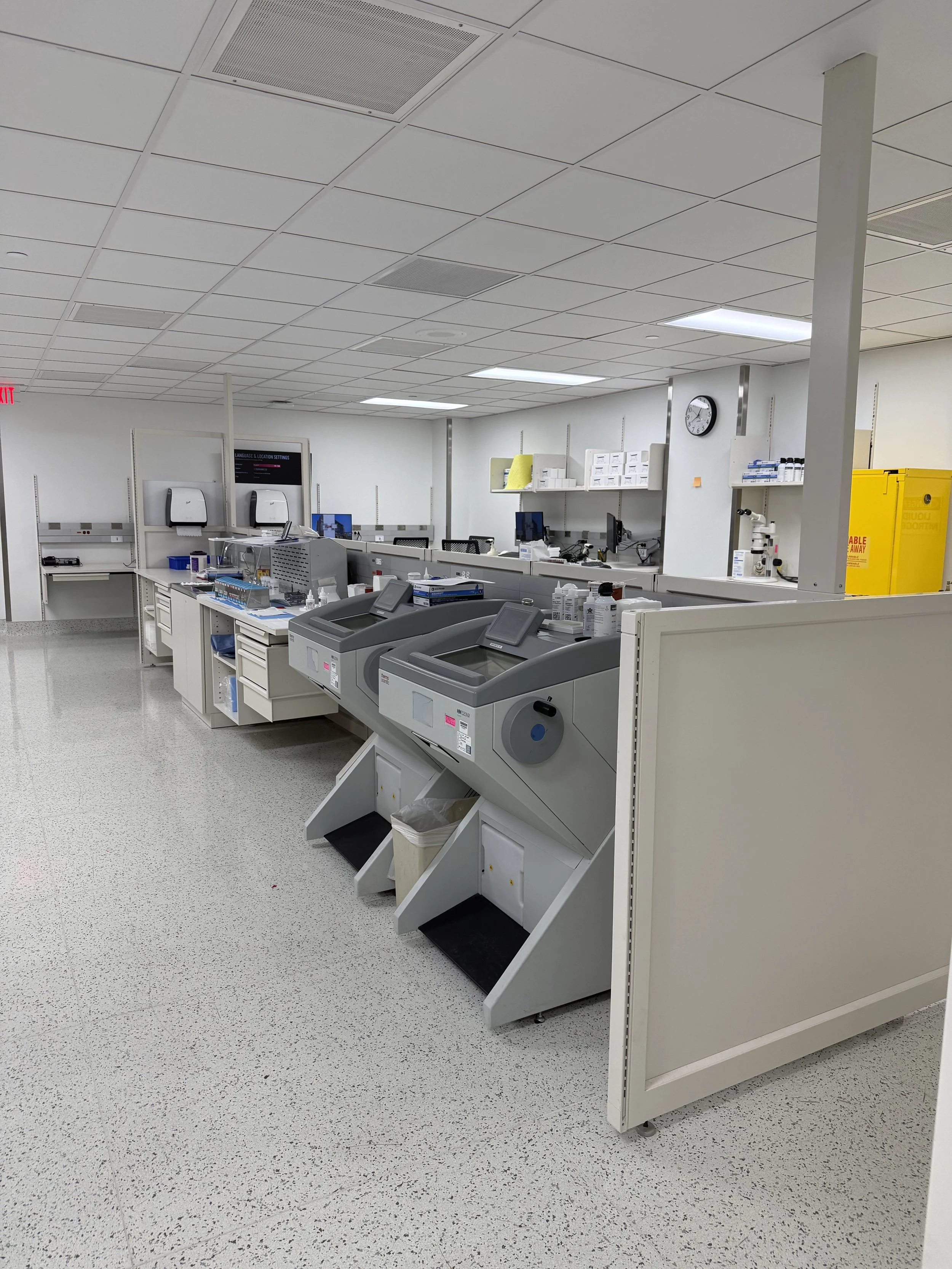
Building a Lab Around What Users Need
For Baptist Health Jacksonville’s Gwendolyn Robles, the process of planning a new central laboratory has meant challenging old assumptions, involving frontline staff, and giving the project team time to get it right
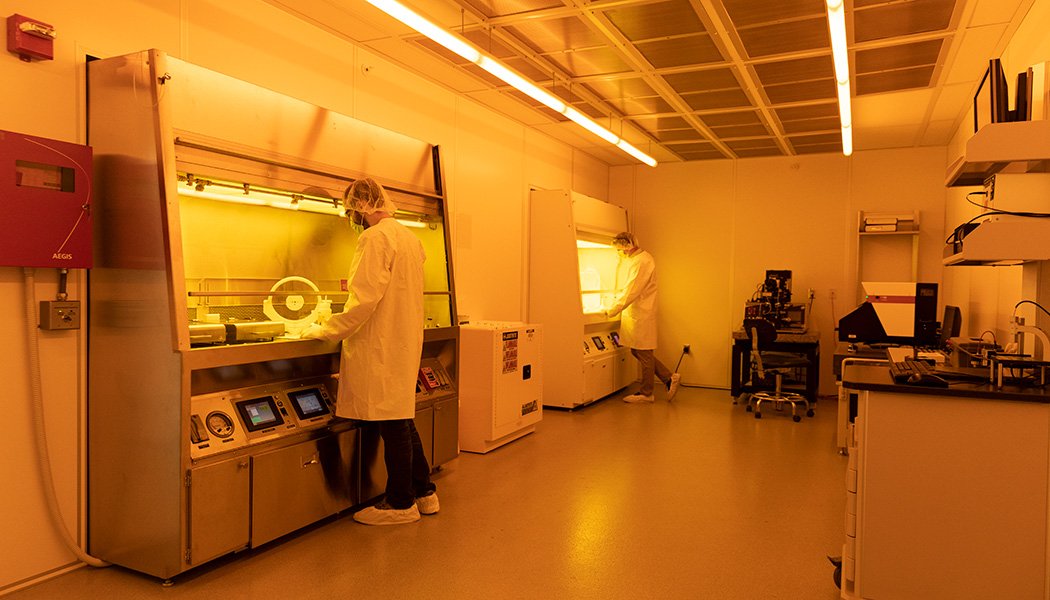
Modernizing a Cleanroom for Next-Gen Semiconductor Research
Binghamton University's upgraded Nanofabrication Laboratory demonstrates how careful planning, infrastructure modernization, and cross-disciplinary collaboration can transform an aging cleanroom into a flexible research and workforce development asset
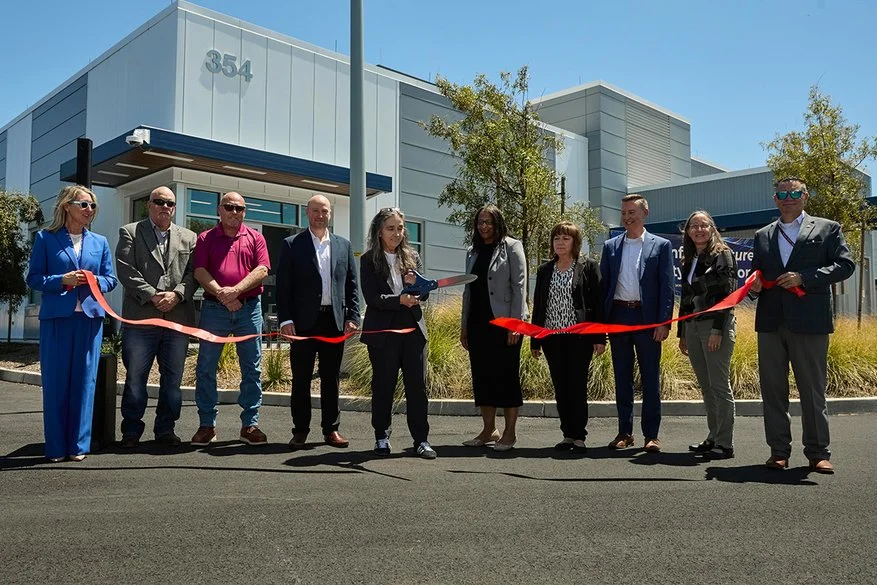
LLNL’s New Digital Backbone Positions National Security Lab for the AI Era
Lawrence Livermore National Laboratory's new Digital Infrastructure Capability Expansion facility delivers the resilient, scalable communications backbone needed to support AI, exascale computing, and the National Nuclear Security Administration's long-term infrastructure modernization strategy

USGS Fisheries Research Station Prepares for Move to Upgraded Facility
The relocation of a USGS fisheries research facility highlights how early planning and interagency collaboration can help maintain scientific operations during a laboratory transition
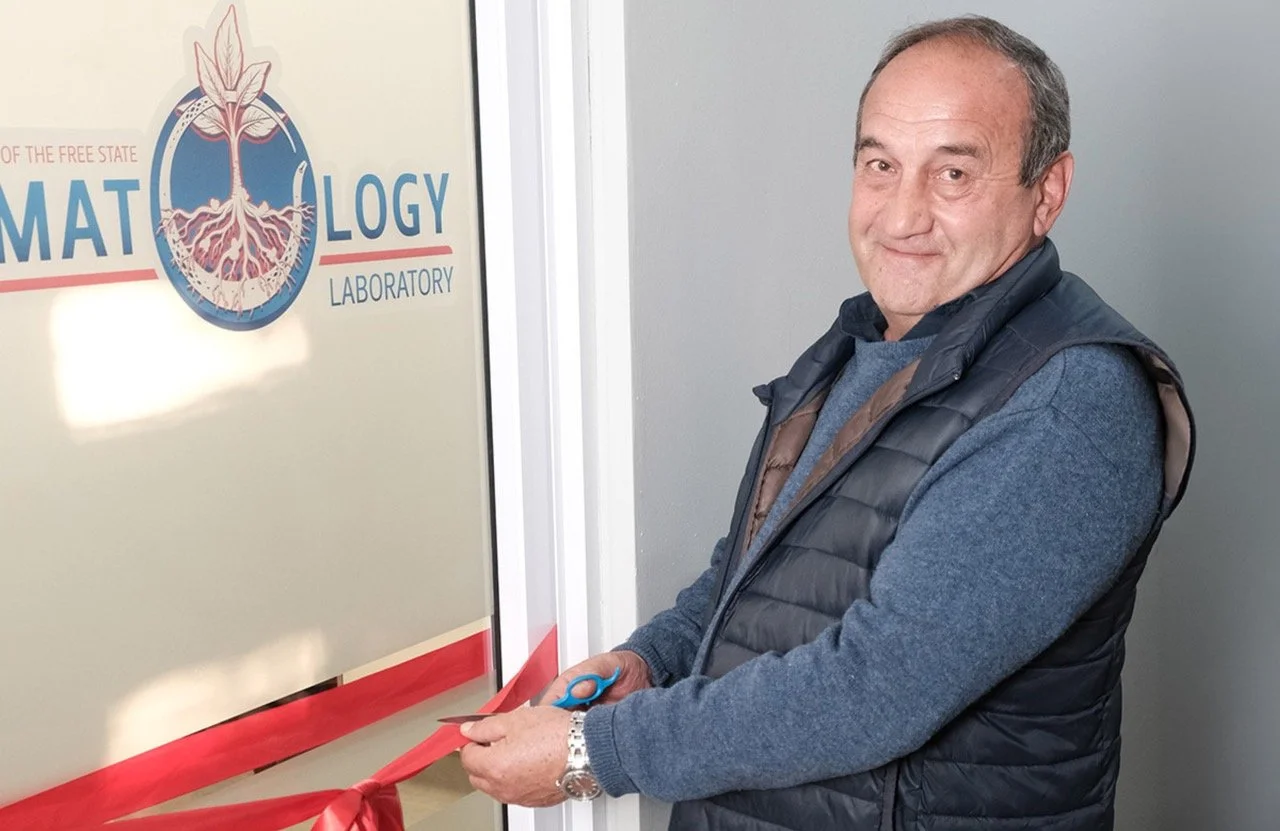
Workflow-Driven Design Positions Upgraded Nematology Lab for Advanced Research
The University of the Free State's upgraded Nematology Laboratory demonstrates how workflow-driven planning, researcher input, and flexible infrastructure can transform an existing research space into a high-performing facility
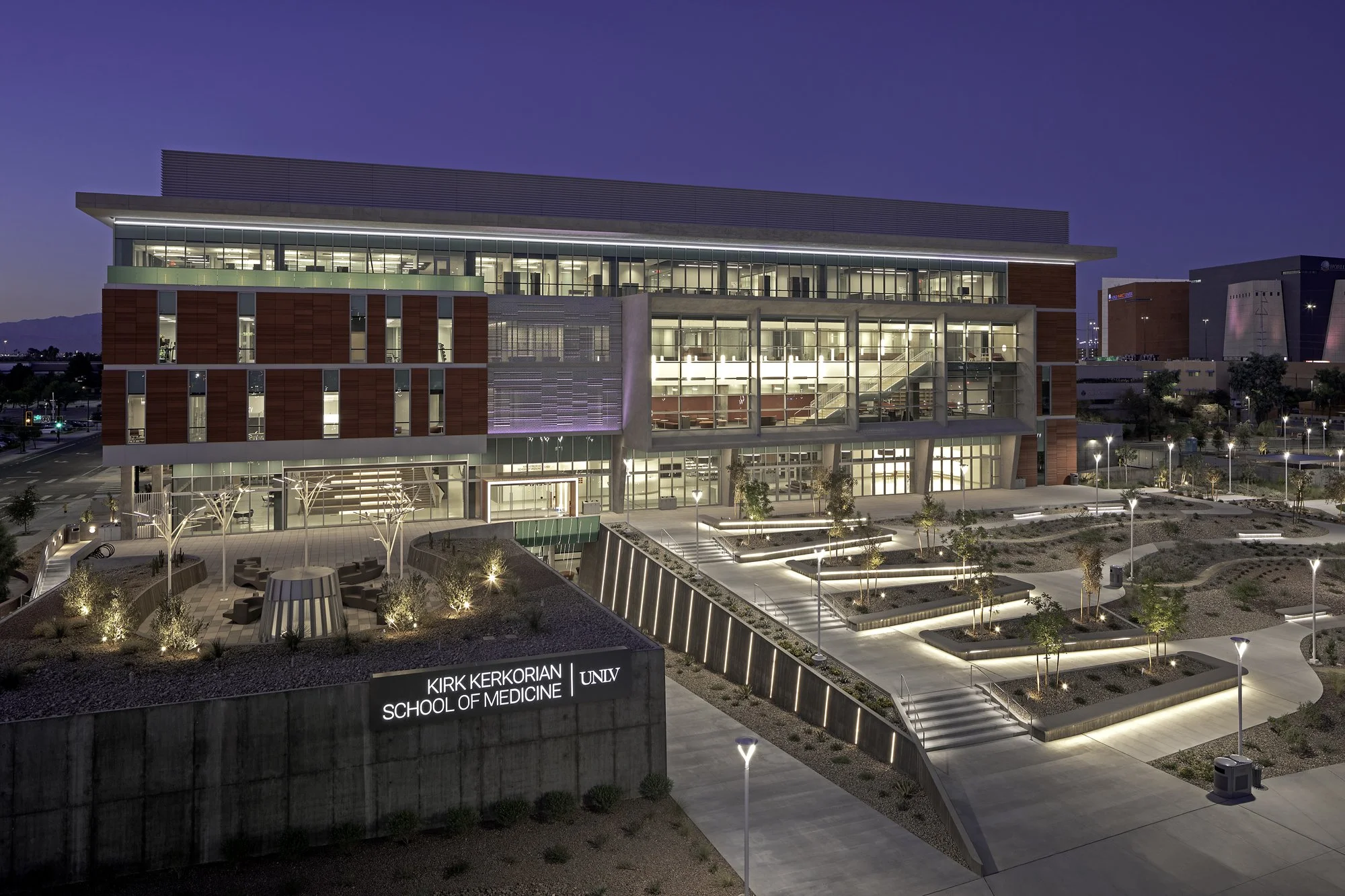
How Operational Excellence Elevated UNLV Facility to LEED Platinum
What transformed a LEED Silver medical education building into a LEED Platinum facility? The answer wasn't a redesign—it was what happened after occupants moved in
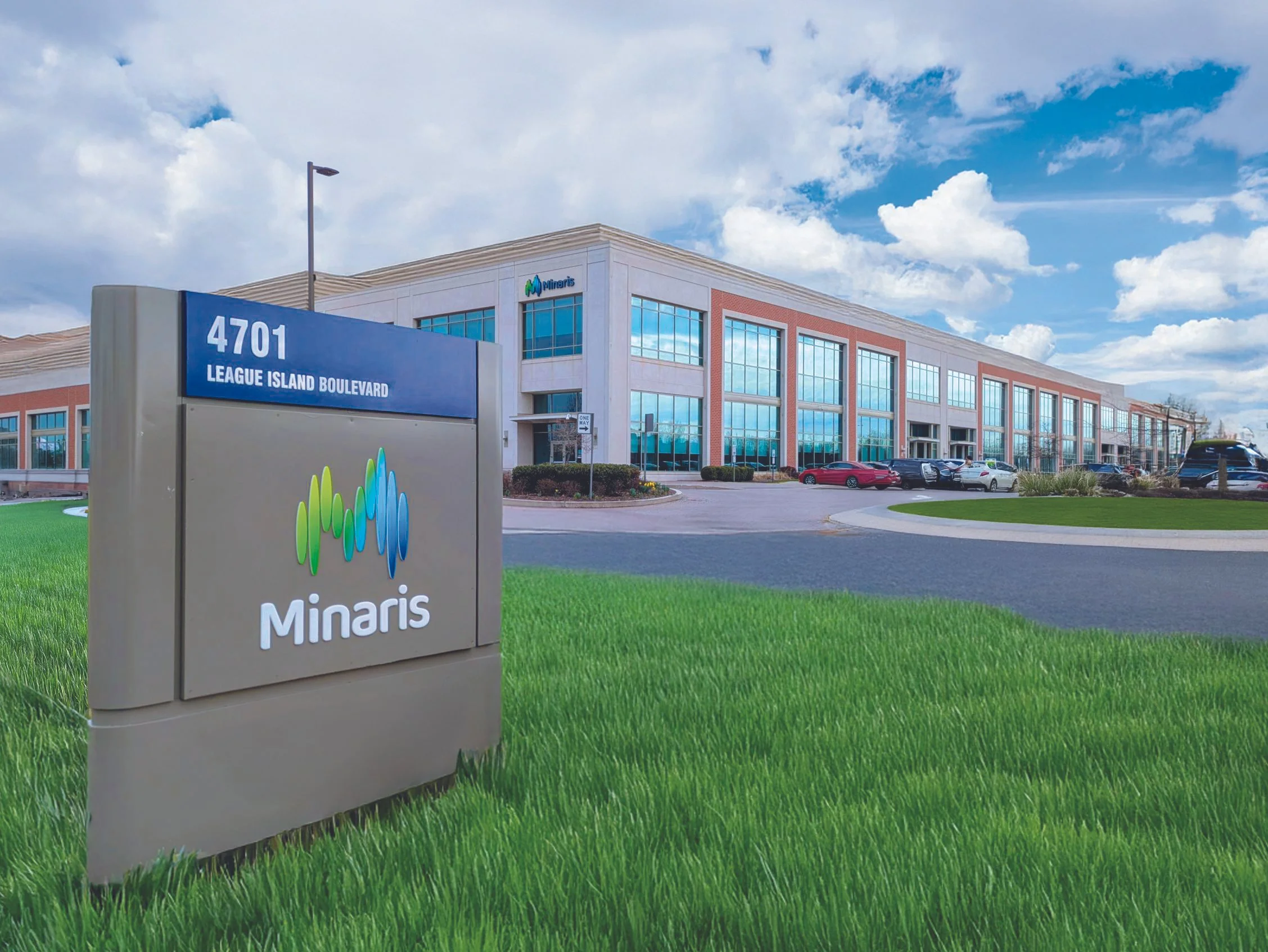
Upgraded Cell Banking Suites Support Growing CGT Demand
Minaris has upgraded its Philadelphia GMP cell banking suites to increase capacity, strengthen contamination control, and integrate manufacturing and testing workflows, providing advanced therapy developers with a more efficient and scalable path from cell banking through commercialization

Modernizing a Teaching Lab: Lessons from a Facility Upgrade
UMass Dartmouth’s Fluids Lab upgrade highlights how stakeholder input, modern equipment, and strategic funding can help institutions create more industry-relevant learning environments
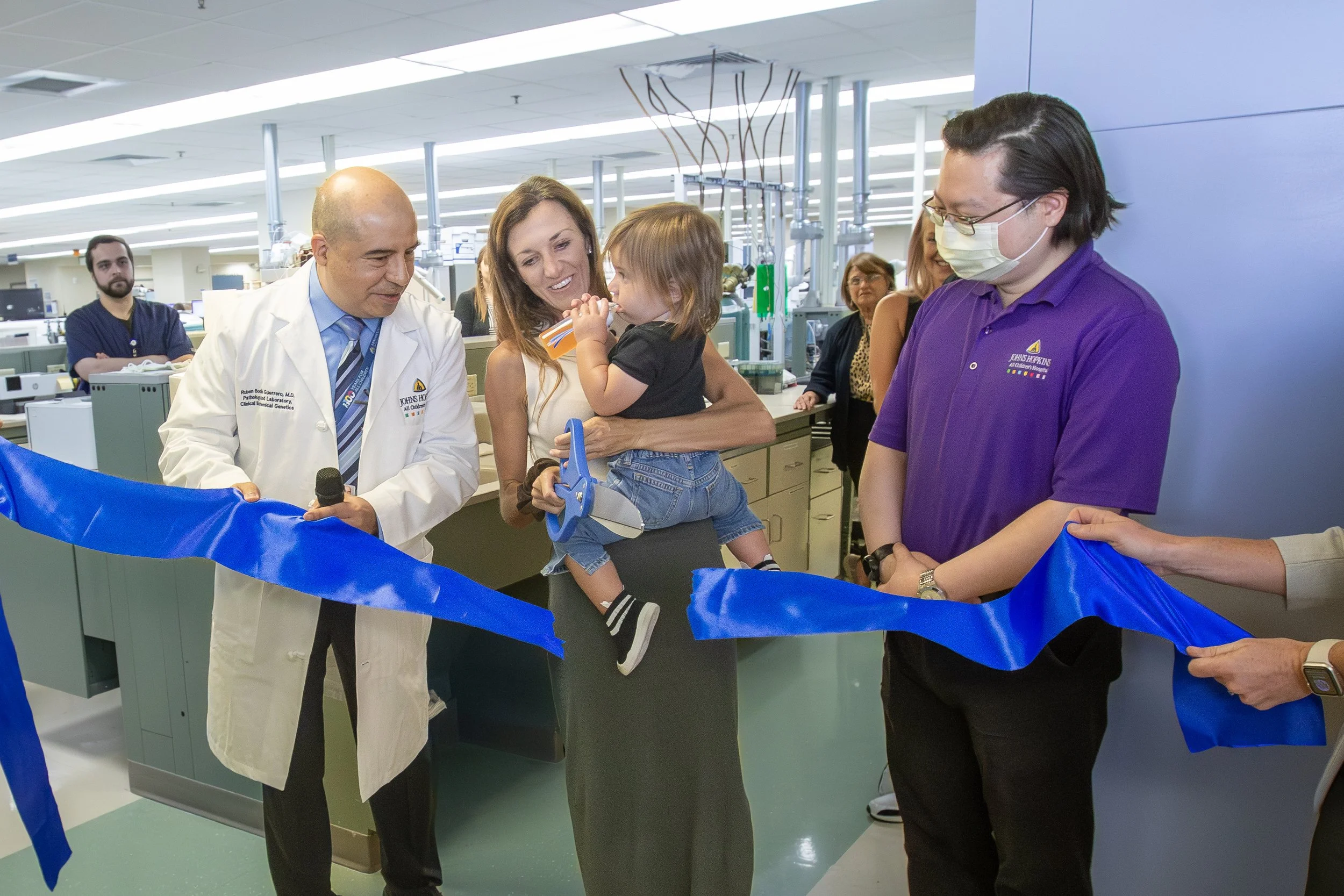
Faster Answers, Better Care: Inside Johns Hopkins All Children’s New Biochemical Genetics Lab
At Johns Hopkins All Children’s Hospital, a new Clinical Biochemical Genetics Laboratory brings metabolic testing in-house with an integrated, workflow-optimized design that cuts turnaround times from weeks to days or hours, enabling faster diagnosis and treatment decisions
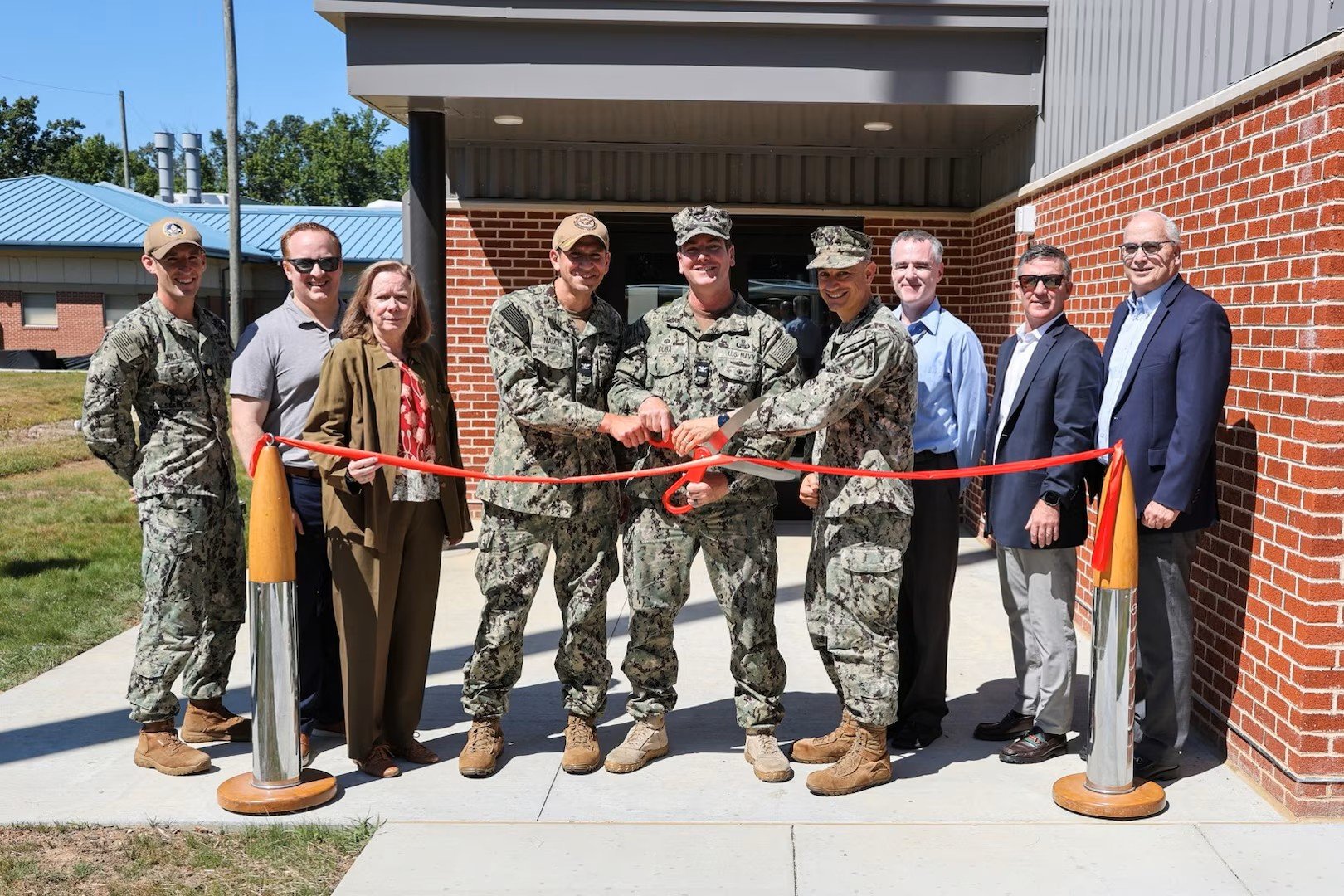
NSWC Indian Head Unveils State-of-the-Art Explosives Lab
The state-of-the-art facility replaces a 66-year-old laboratory, introducing precise climate and vibration controls necessary for molecular-level energetics research