
Upgraded Cell Banking Suites Support Growing CGT Demand
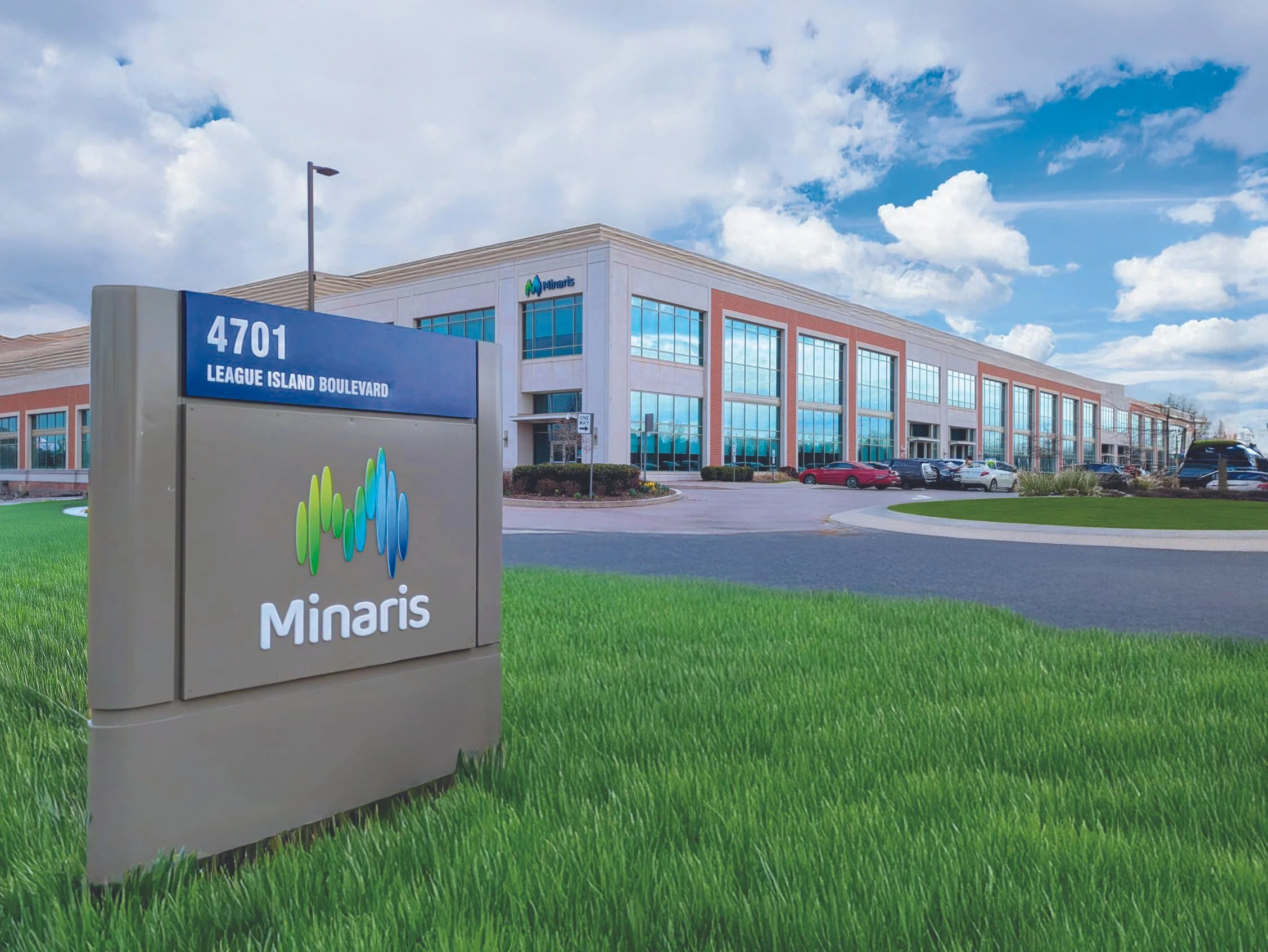
Minaris has upgraded its GMP cell banking suites in Philadelphia to support concurrent cell banking programs, streamlined characterization testing, and evolving global regulatory requirements for advanced cell and gene therapies. Image: Courtesy of Minaris
As cell and gene therapy programs continue to grow in complexity, the facilities that support them are being asked to do more than simply provide cleanroom space. They must accommodate evolving regulatory expectations, enable integrated workflows, and provide the flexibility needed to support increasingly sophisticated therapies.
To meet those demands, Minaris has enhanced its dedicated GMP cell banking suites at its Philadelphia, PA facility, strengthening its role as a centralized hub for cell banking and biosafety testing. The upgraded suites are designed to provide clients with an integrated pathway from GMP cell banking through characterization testing while supporting both clinical and commercial development programs.
The enhanced facility includes multiple dedicated cleanroom suites capable of supporting concurrent cell banking programs. Infrastructure and workflows have been aligned with EU GMP Annex 1 and other global regulatory requirements, incorporating controlled personnel and material flow, optimized cleanroom processes, and classified environments featuring ISO 5 (Grade A) critical zones within ISO 7 (Grade B) background cleanrooms.
Responding to growth and regulatory pressure
According to Minaris, several factors typically signal when a regulated laboratory environment requires investment.
“There are usually a few clear indicators,” says the cell banking team at Minaris, which includes Ilya Koltover, president, Minaris Advanced Testing; Dan Collier, director of manufacturing; and Molly Selk, PADI senior scientist. “Capacity is often the most obvious, whether that's increasing client demand, longer scheduling lead times, or difficulty accommodating multiple programs simultaneously.” The Minaris team adds that evolving regulatory expectations and increasingly complex therapies frequently require facilities to modernize infrastructure, containment strategies, and testing capabilities.
The Philadelphia upgrades were designed to address those challenges on multiple fronts. In addition to increasing dedicated cell banking capacity, the project strengthens contamination-control measures through enhanced environmental monitoring and quality oversight while supporting established technology transfer processes that help programs move from development through commercial manufacturing.
The facility's cleanroom environments are designed to support rigorous contamination control while meeting global regulatory standards, a growing priority as advanced therapies continue to enter clinical and commercial production.
Planning for flexibility, not just capacity
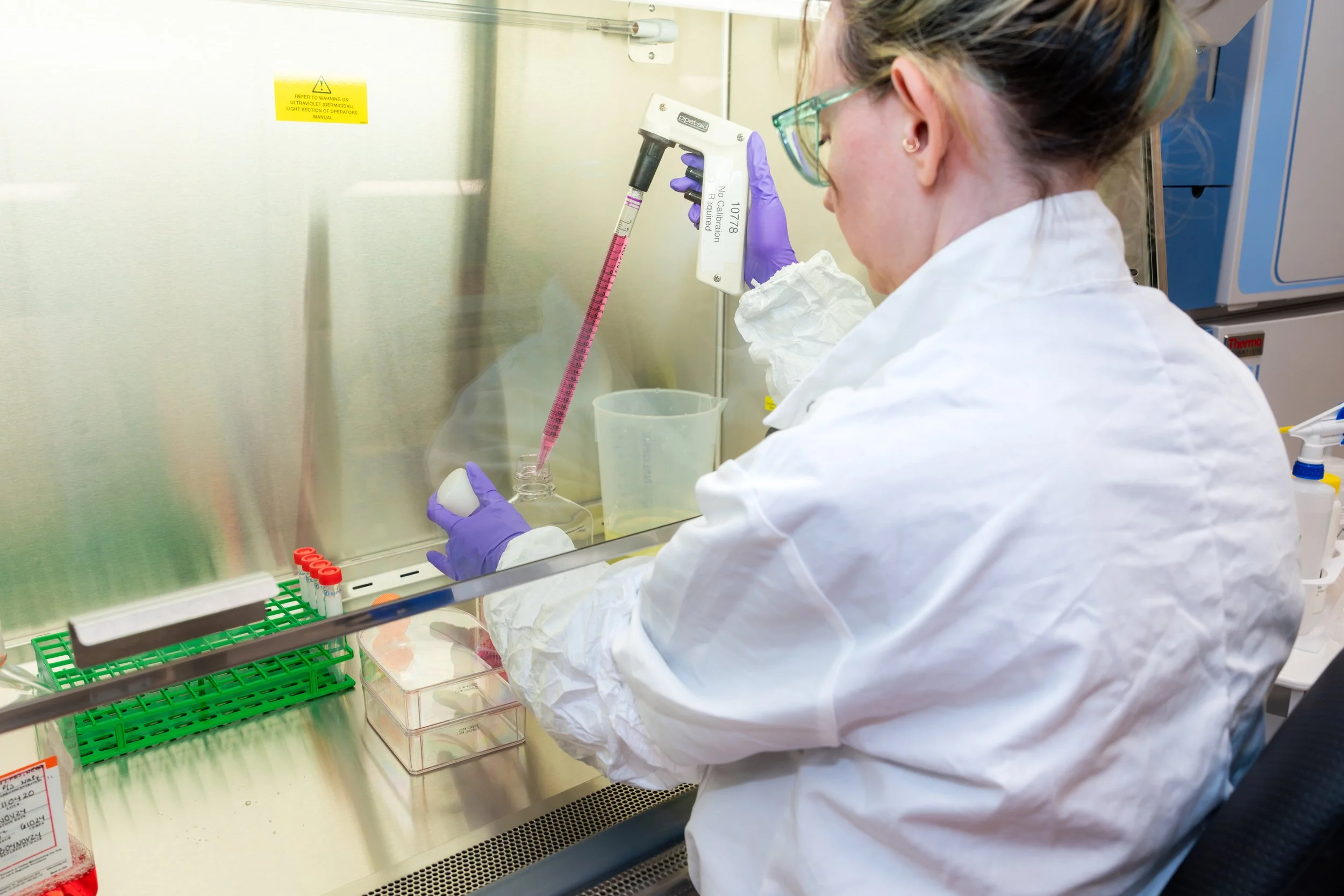
Designed with long-term adaptability in mind, Minaris’ upgraded GMP cell banking facility balances operational flexibility with the segregation and contamination-control requirements needed to support evolving cell and gene therapy programs. Image: Courtesy of Minaris
One of the recurring lessons for facility owners is that capacity planning should extend beyond simple growth projections.
“It's important to balance today's realities with tomorrow's opportunities,” the team says. “The goal isn't necessarily to build for a best-case scenario. It's to create enough flexibility so the facility can adapt as needs evolve.”
That philosophy is reflected in the facility's ability to support multiple concurrent workflows while maintaining the segregation and contamination control required in GMP environments. As therapy platforms evolve, facilities must often accommodate changing manufacturing processes, testing requirements, and regulatory expectations without requiring major redesigns.
According to Minaris, flexibility must be carefully balanced against cleanroom classification and contamination-control requirements.
“There's always a balance between maximizing operational flexibility and maintaining appropriate levels of segregation and contamination control,” the team says. “The most successful facilities strike a balance that protects product quality while still allowing teams to operate efficiently and adapt to changing program needs.”
Bringing manufacturing and testing together
A key feature of the upgraded Philadelphia operation is its integrated model, which combines GMP cell banking with characterization and biosafety testing capabilities under one roof.
The site offers testing services including sterility, mycoplasma, viral safety, and identity testing, allowing developers to manage banking and testing activities through a single organization. The goal is to reduce complexity, improve communication, and provide faster access to data throughout the development process.
From a facility-planning perspective, Minaris believes co-locating these functions can deliver significant operational advantages.
“One of the biggest lessons is the value of reducing handoffs between teams,” the team says. “When those groups operate within an integrated framework, data moves faster, communication improves, and potential issues can often be identified earlier.”
The spokesperson noted that facility design plays an important role in supporting this approach through thoughtful adjacencies, clearly defined personnel and material flows, and appropriate separation between activities. However, successful integration also depends on communication and project visibility among manufacturing, testing, and quality teams.
Capturing end-user workflows
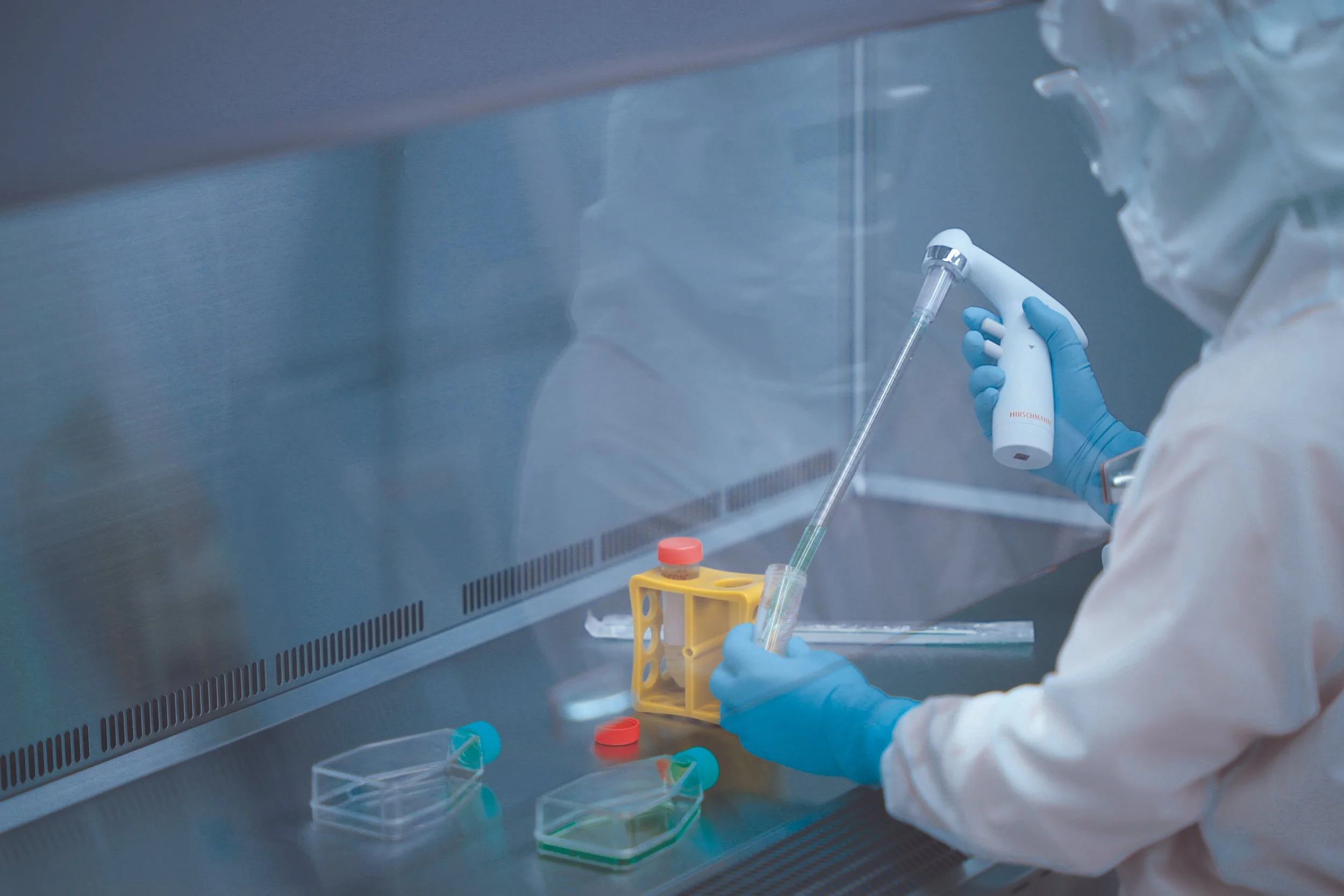
The Minaris GMP cell banking upgrade demonstrates how early end-user involvement, workflow-driven planning, and carefully managed renovations can create compliant, adaptable facilities capable of supporting the evolving demands of advanced therapy development and commercialization. Image: Courtesy of Minaris
The project also highlights the importance of involving end users early in planning and design discussions.
“The people who use the facility every day should be involved from the beginning,” the team says. “One of the most effective approaches is to map existing workflows and identify where inefficiencies or challenges occur.”
For laboratory planners and facility managers, workflow mapping can reveal operational bottlenecks that may not be apparent from drawings alone. Understanding how personnel, materials, and information move through a facility often leads to more effective design decisions than focusing solely on equipment layouts or room sizes.
Renovating GMP environments presents another challenge: maintaining compliance and productivity while construction activities are underway.
According to Minaris, successful upgrades require detailed risk assessments, clear separation between construction and GMP operations, and close coordination among quality, facilities, and operational teams. Organizations with established quality systems and technology transfer processes are often better positioned to manage renovation-related changes without disrupting ongoing programs.
Communication also plays a critical role. Project teams must provide stakeholders with visibility into schedules, potential impacts, and mitigation plans while ensuring ongoing client programs remain protected throughout the process.
As advanced therapies continue to evolve, facility upgrades such as those at Minaris demonstrate how GMP environments are increasingly being designed for both compliance and adaptability. By combining dedicated manufacturing infrastructure, integrated testing capabilities, and flexible workflows, organizations can position themselves to support future therapies while reducing complexity for sponsors navigating the path to commercialization.