
How Operational Excellence Elevated UNLV Facility to LEED Platinum
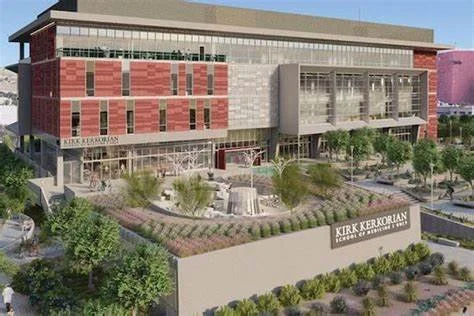
Originally designed to achieve LEED Silver, the Kirk Kerkorian School of Medicine at UNLV's Medical Education Building earned LEED Platinum through years of operational excellence, continuous performance monitoring, and sustainability improvements. Image: Courtesy of Nevada Health and Bioscience Corporation
The Kirk Kerkorian School of Medicine at UNLV has earned LEED Platinum certification for the operations and maintenance of its Medical Education Building, becoming the only academic facility in Nevada to achieve the highest level of certification under the US Green Building Council's green building rating system.
While many sustainability stories focus on design and construction, UNLV's achievement highlights another important lesson for laboratory and academic facilities: long-term operational performance can be just as critical as the original building design.
Originally designed to achieve LEED Silver certification, the Medical Education Building ultimately exceeded those expectations after years of monitoring, performance analysis, and continuous operational improvements.
“UNLV and the Nevada Health & Bioscience Corporation (NHBC) wanted this building to serve as a showcase for sustainable design while creating a world-class environment for medical education,” says Jason Andoscia, national market leader with TSK Architects. "The project was originally designed with the goal of achieving LEED Silver certification. However, after the building was occupied, GRN Vision—our local sustainability consultant—performed an extensive review of the building's operational performance."
As energy, water, indoor environmental quality, and operational data were collected, the project team discovered the building was performing well beyond its original targets.
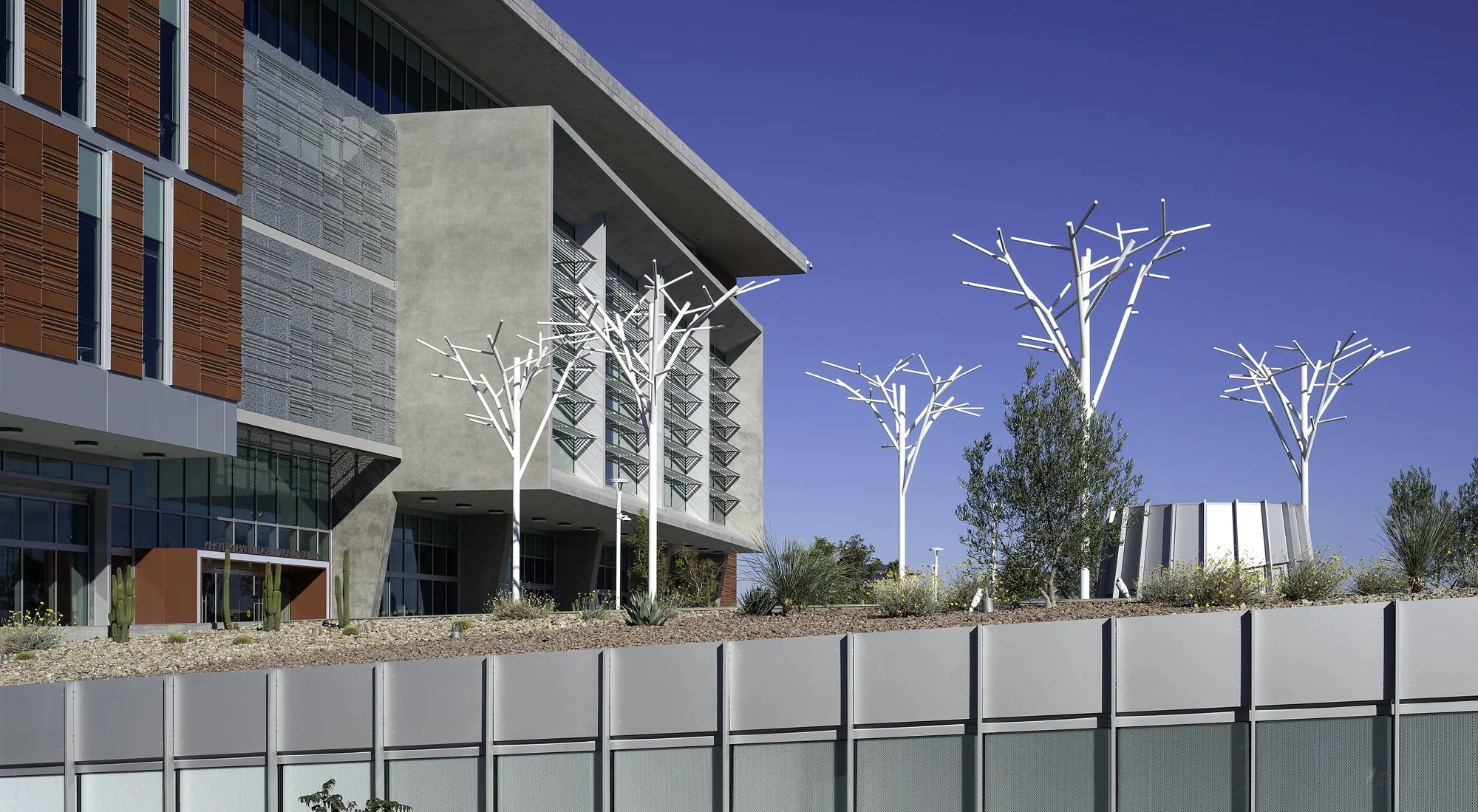
Integrated energy-efficient systems, water-saving features, and high-performance building design helped the facility earn LEED Platinum certification. Image: Courtesy of Nevada Health and Bioscience Corporation
“What makes this recognition particularly meaningful is that the building's performance was validated after occupancy,” Andoscia says. “Achieving LEED Platinum reflects both the quality of the original design and UNLV Facilities' commitment to operating the building at an exceptionally high level of performance.”
From the outset, sustainability strategies were integrated throughout the building rather than added as standalone features. The facility incorporates a high-performance building envelope, energy-efficient glazing, advanced building automation and monitoring systems, LED lighting with occupancy and daylight controls, energy recovery ventilation, low-flow plumbing fixtures, and drought-tolerant landscaping suited to Southern Nevada's climate.
The project also transformed a former parking structure site into landscaped outdoor spaces supporting native vegetation while creating gathering areas for students, faculty, and staff. Indoors, low-emitting materials, abundant daylight, occupant lighting controls, and carefully designed ventilation systems contribute to occupant health and wellness.
Specialized medical education spaces—including anatomy classrooms, simulation suites, and the prosection laboratory—presented unique sustainability challenges because of their demanding environmental requirements.
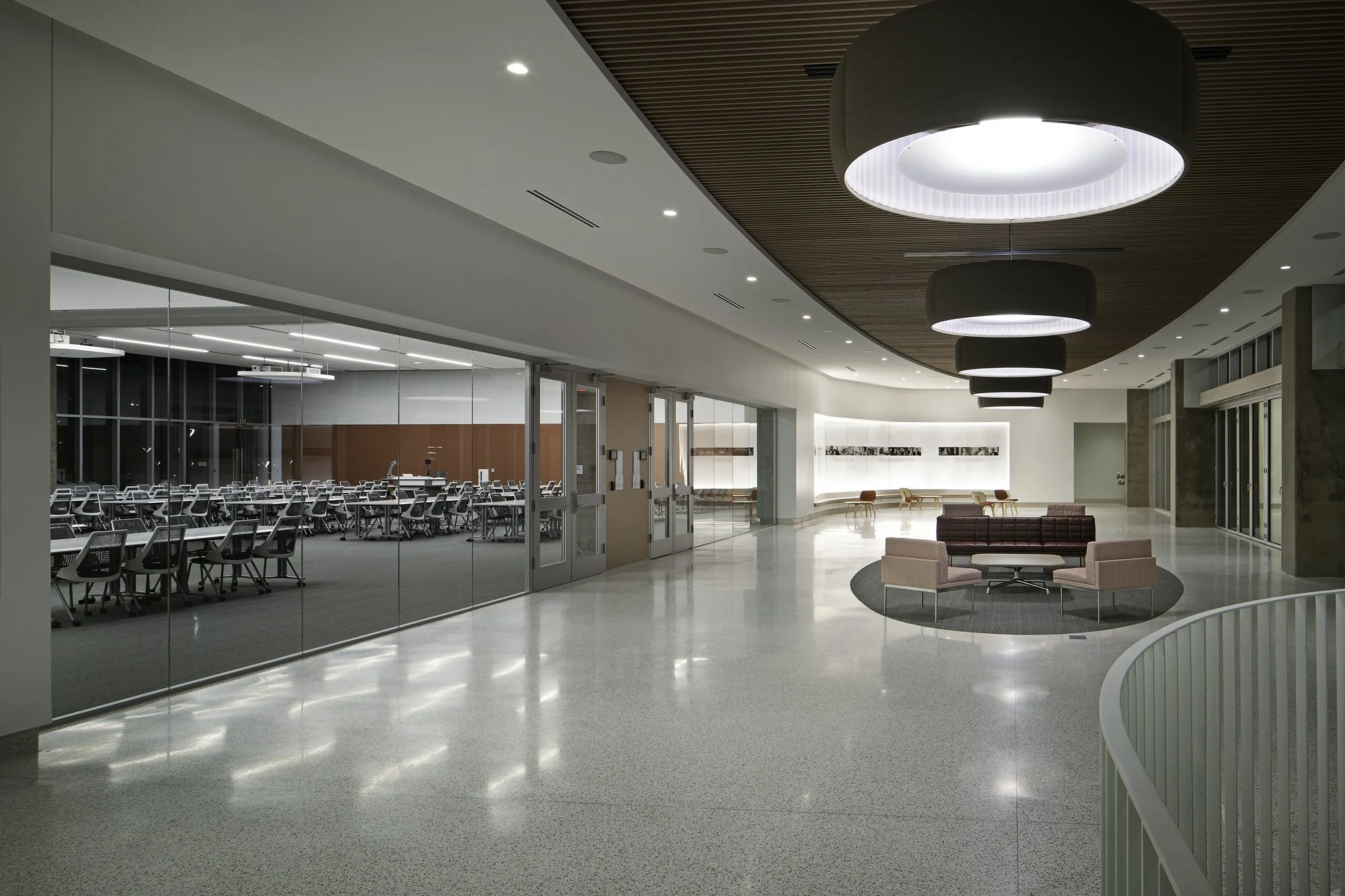
Architectural planning and advanced building systems work together to reduce energy use without compromising laboratory performance. Image: Courtesy of Nevada Health and Bioscience Corporation
Rather than treating these spaces as exceptions, the design team used architectural planning to improve efficiency. Locating the high-intensity learning environments below grade allows the surrounding earth and concrete structure to provide thermal mass that naturally moderates temperature fluctuations while reducing energy needed to maintain precise environmental conditions.
The facility also incorporates energy recovery wheels within laboratory ventilation systems to capture energy from exhaust air and transfer it to incoming outside air, reducing heating and cooling loads without compromising indoor air quality. Automated scheduling, occupancy-based controls, and coordinated building management systems further minimize unnecessary energy use by ensuring specialized equipment operates only when required.
Project stakeholders say collaboration with end users was equally important throughout planning and design.
Collaboration with end users played a central role in shaping the building's design. “Students, faculty and staff were critical participants and stakeholders in the building space programming and planning process,” says David Frommer, associate vice president of planning, construction, and real estate at UNLV. Through space programming, planning sessions, and design workshops, stakeholders helped refine everything from student lounges and study spaces to outdoor courtyards and the co-location of clinical skills, anatomy, and simulation spaces, ensuring the facility reflected the needs of its occupants.
Looking back, Frommer believes one opportunity for improvement would have been connecting the building's sustainable features more directly to the medical school's educational mission.
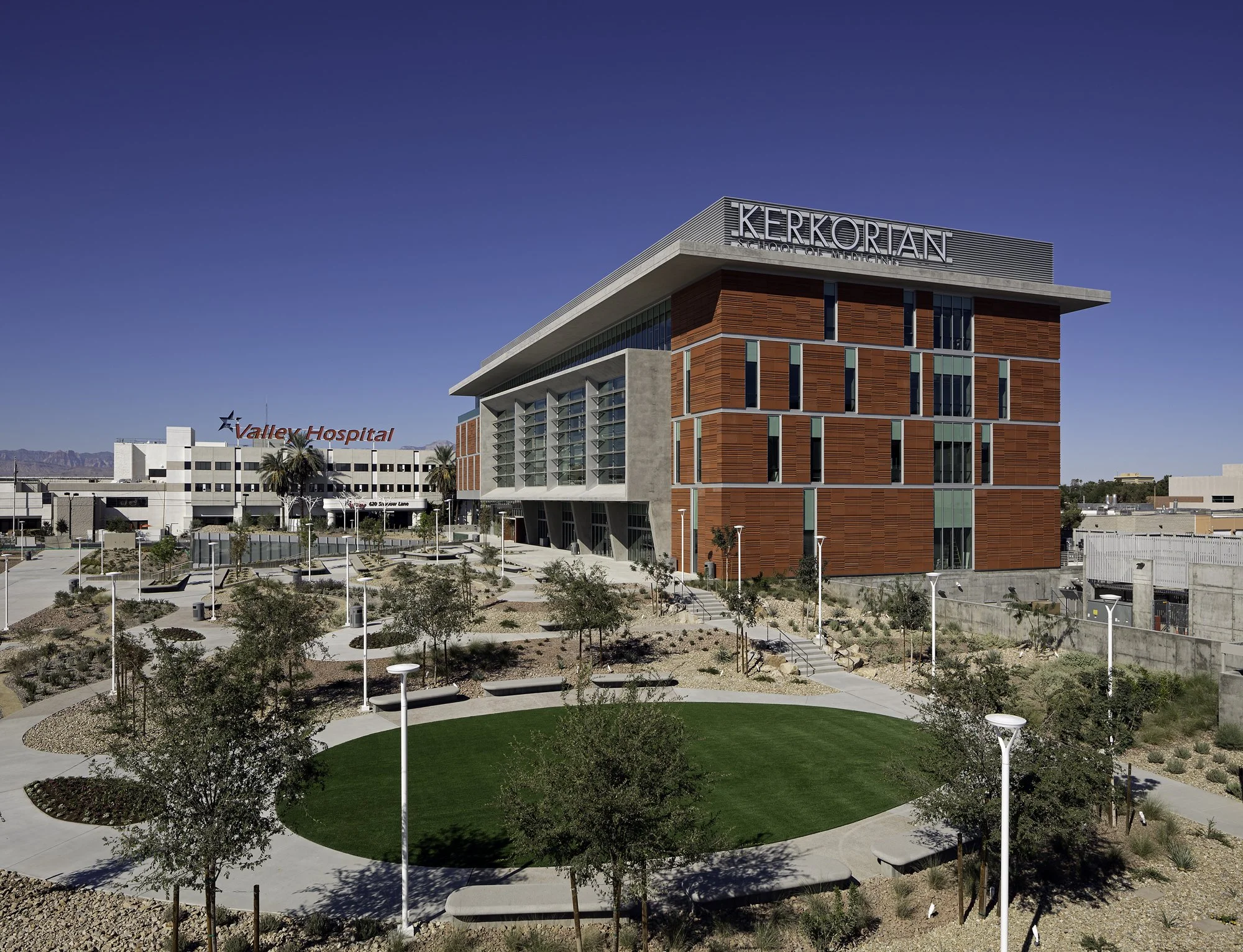
LEED Platinum was achieved not only through sustainable design, but through ongoing building stewardship, occupant feedback, and continuous operational improvements. Image: Courtesy of Nevada Health and Bioscience Corporation
He said additional discussion about how sustainable building features contribute to occupant wellness could have helped students better understand “how the building and environments that people spend time in can contribute to their wellness and health,” allowing those lessons to extend into future patient care.
Perhaps the biggest factor in achieving LEED Platinum, however, came after the building opened.
“As the building owner, NHBC brought together the facilities team, faculty, building users, and our design, commissioning, and sustainability partners,” says Kim Case-Nichols, chief operating officer of the Nevada Health and Bioscience Corporation. “Throughout the retro-commissioning process, the team regularly reviewed building performance, monitored energy and water use, and made adjustments as operations evolved.”
Faculty and occupants also provided feedback about comfort and building performance, allowing operational adjustments to continue well after occupancy.
“I think what really made the difference was everyone's commitment to being good stewards of the building,” Case-Nichols says. “Instead of saying, ‘The project is finished,’ we kept asking, ‘How can we make it even better?’“
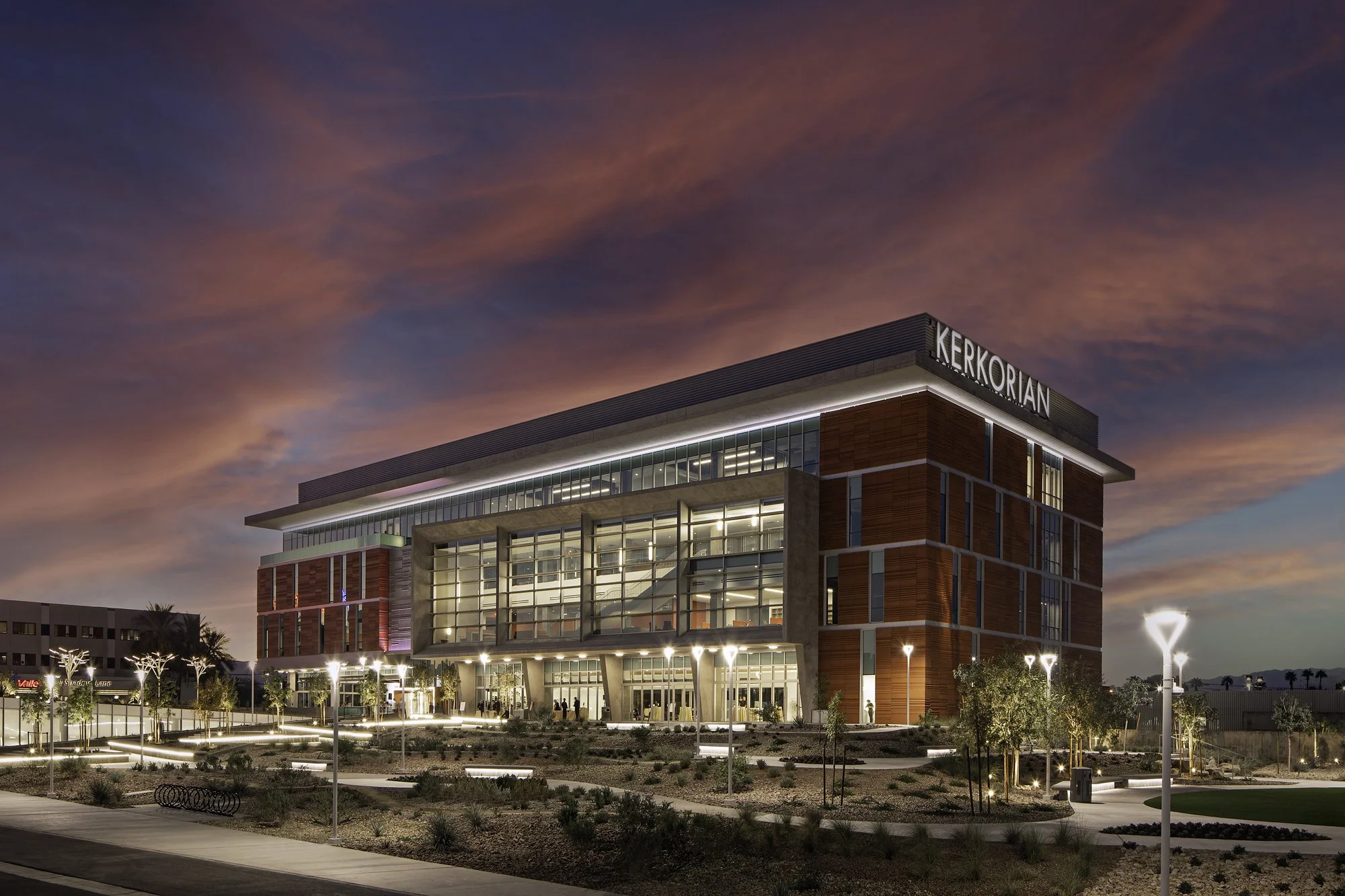
Long-term operational stewardship and continuous collaboration helped elevate the building from its original LEED Silver goal to LEED Platinum. Image: Courtesy of Nevada Health and Bioscience Corporation
Case-Nichols notes that pursuing LEED for Operations and Maintenance introduced new concepts beyond those associated with design and construction.
“After receiving LEED Silver for design and construction, we quickly learned that LEED for operations and maintenance is very different from designing a sustainable building,” she says. “It's really about how you operate and care for the building every day.”
For other universities, research institutions, and laboratory owners considering LEED certification, she recommends involving facilities personnel from the earliest stages of a project and maintaining that collaboration throughout the building's life cycle.
“A building doesn't stop evolving once it's occupied or receives a plaque,” Case-Nichols says. “Continue monitoring performance, listen to your building users, and be willing to make adjustments as you learn what works best.”
UNLV's experience demonstrates that achieving high levels of sustainability depends not only on thoughtful design but also on long-term operational stewardship. Rather than viewing certification as the finish line, the project team treated occupancy as the beginning of an ongoing process of measurement, collaboration, and continuous improvement—an approach that ultimately elevated the building from its original LEED Silver goal to LEED Platinum performance.