
[[bpstrwcotob]]

What Makes a Lab Building Competitive Today?
Why are some research buildings attracting tenants while others remain vacant?
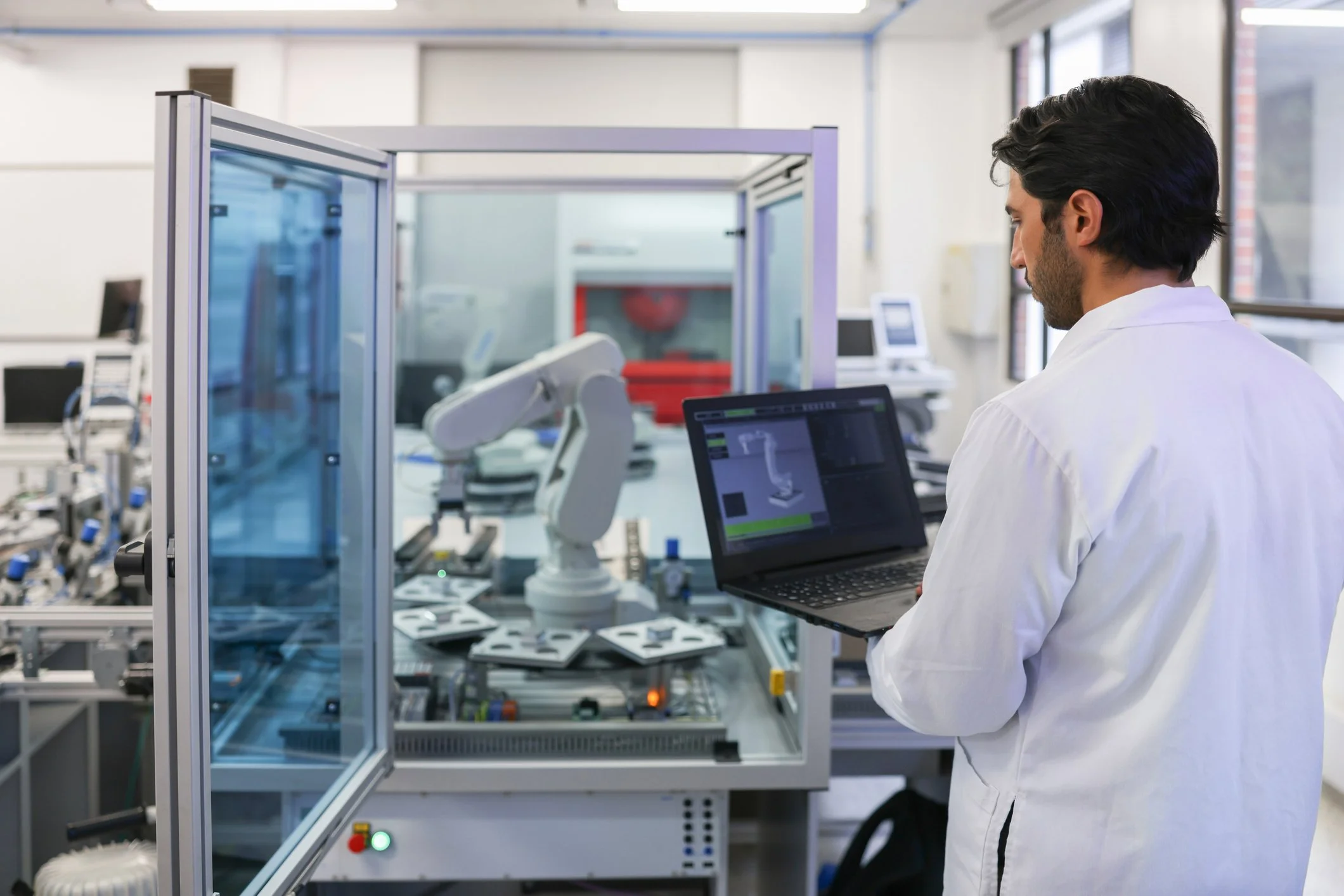
What Robotics-Driven Research Means for Future Laboratory Spaces
Autonomous labs are moving research beyond traditional workflows, requiring new approaches to flexibility, infrastructure, and collaboration. Learn how robotics, AI, and automation are influencing the design of next-generation laboratory environments

The Conversations That Make or Break a Research Building
Early planning and design decisions shape the long-term success of research buildings, making clear communication and stakeholder input essential to creating laboratories that perform for decades
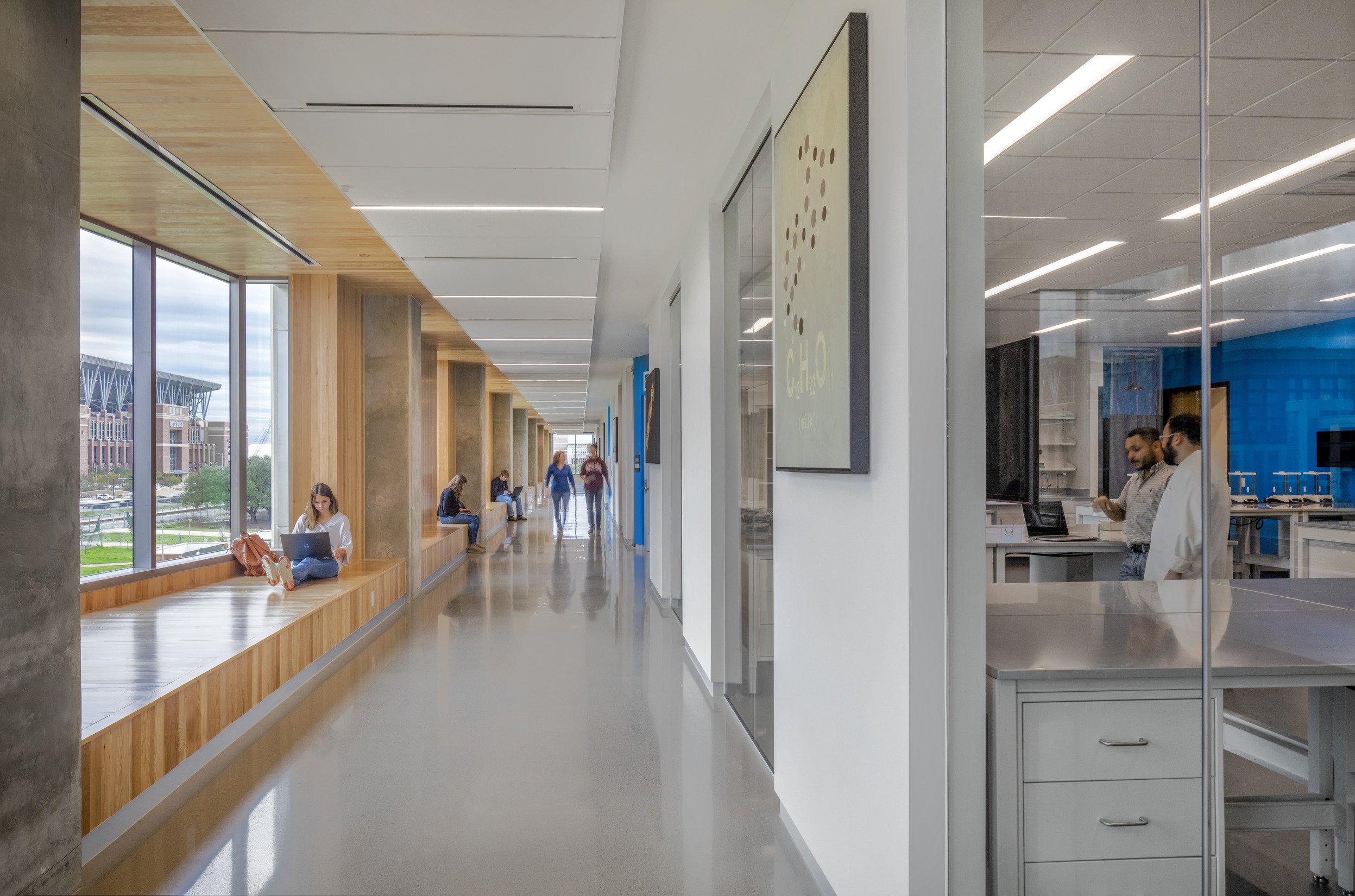
Lab Flexibility and Scalability: A Holistic Approach to Future-Ready Research Environments
As funding uncertainty and evolving research demands increase pressure on institutions, laboratory flexibility must extend beyond modular furniture to include shared resources, adaptable infrastructure, and strategic planning that support long-term resilience and efficiency
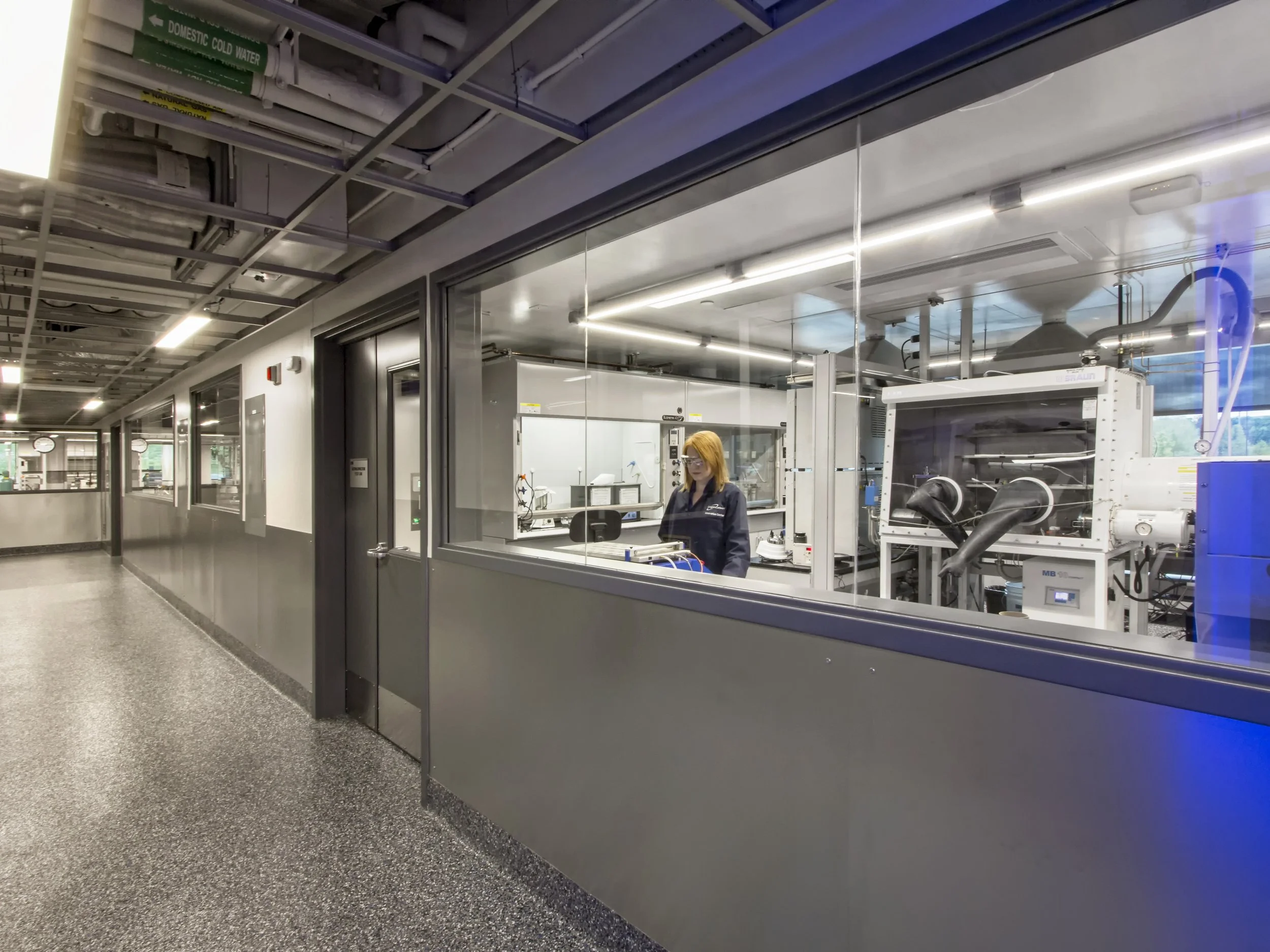
An Operations-First Framework for Lab Renovations
Renovating active laboratories offers a cost-effective alternative to new construction but requires a highly strategic, operations-centered approach to upgrade facilities and integrate new technologies while minimizing disruptions to critical, ongoing work
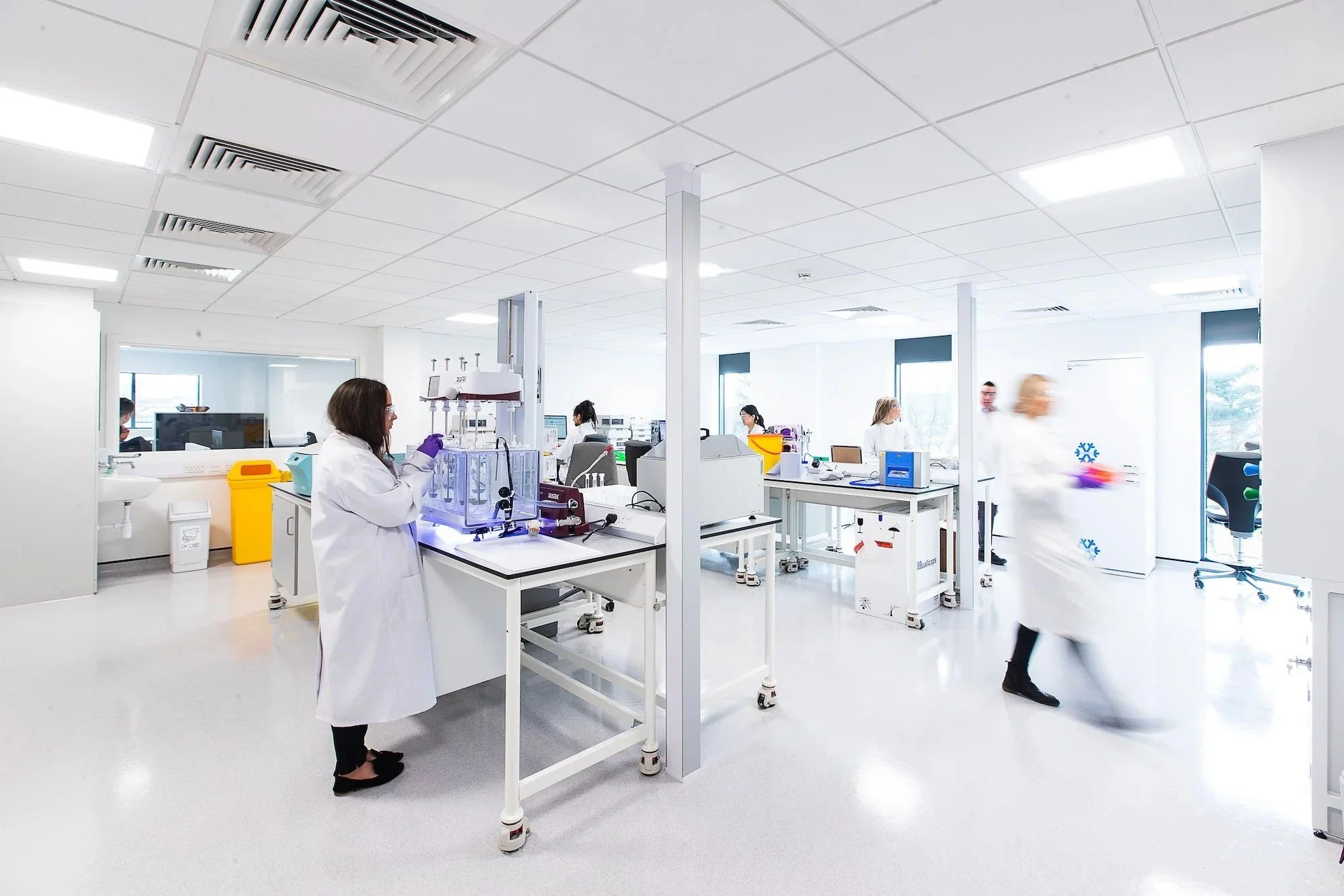
Lab Space That Works: Lessons for Start-Ups and Incubators
Start-up labs and incubators face a unique challenge: building spaces that support groundbreaking research while meeting real-world operational and leasing demands
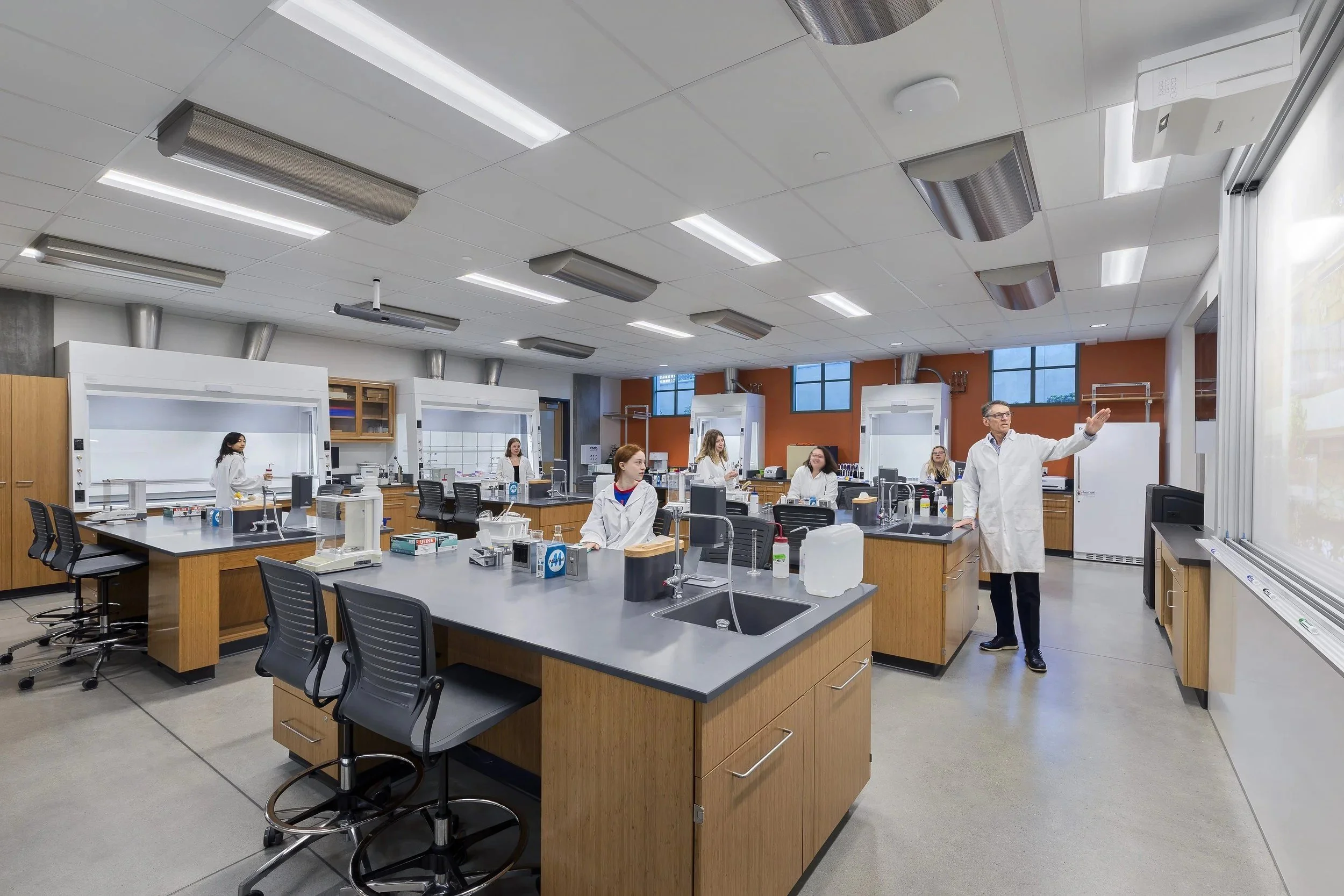
Shared Lab Spaces: Designing for Collaboration, Flexibility, and Innovation
Shared laboratory spaces are increasingly being adopted across academia, start-ups, and industry as flexible, collaborative environments that support innovation, sustainability, and human-centered design while meeting technical and regulatory requirements
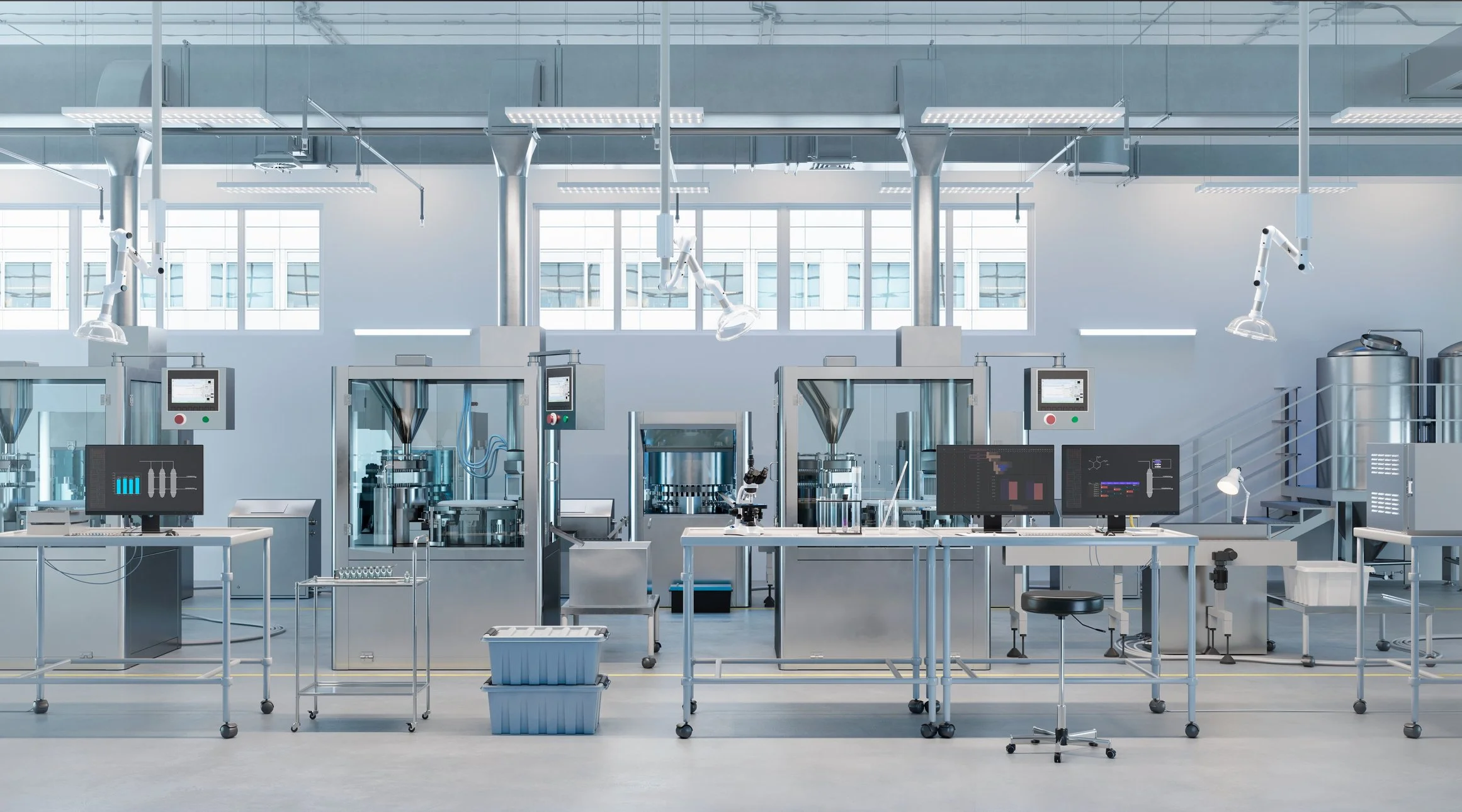
Designing for Automation: Lessons Learned from the Next Generation of Smart Laboratories
Automation is transforming labs across every sector, but the real success factor isn’t the robots themselves—it’s how thoughtfully facilities are designed to support workflows, infrastructure, data, sustainability, and people

How Turnkey Managed Services Can Help R&D Facilities Meet Net-Zero Goals
Turnkey managed services offer research laboratories an integrated, data-driven approach to achieving net-zero goals—simplifying complex projects, improving efficiency and resiliency, and delivering measurable sustainability and financial outcomes

Strategic Considerations in Laboratory Relocation and Expansion
As laboratory environments become more specialized and technology-driven, relocation and expansion projects demand careful planning to maintain research continuity, regulatory compliance, and scalability while creating flexible, future-ready spaces