
Lab Space That Works: Lessons for Start-Ups and Incubators
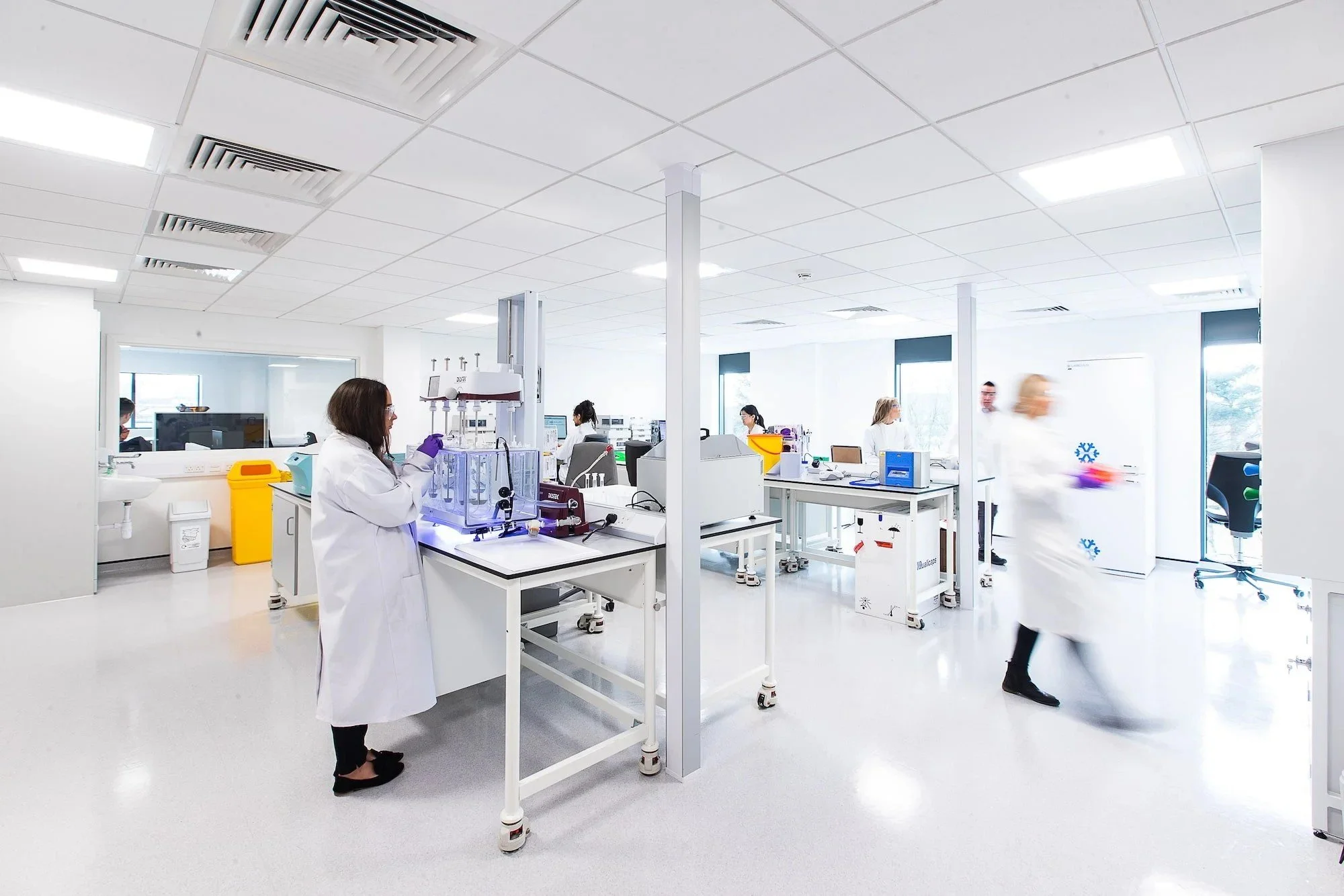
Alderley Park Open Access Lab features a collaborative laboratory with shared equipment. Images: Courtesy of Bruntwood SciTech
For start-ups and incubators, designing, building, or renovating laboratory space is more than a construction project; it’s a strategic exercise that balances scientific needs with real estate realities. Whether planning a new build, a major renovation, or a routine upgrade, understanding how to collaborate with architects, lab planners, contractors, and equipment providers is critical to creating flexible, scalable, and efficient spaces that accelerate innovation—especially for early-stage organizations working with limited budgets or new to the lab development process.
Start-up labs are spaces where early-stage companies can launch research and development projects, often with small teams and constrained resources, while incubator laboratories are structured programs or facilities that provide not only lab space but also shared resources, mentorship, and operational support to help multiple fledgling companies grow. Incubator labs originated in universities, where professors and scientists needed spaces to develop discoveries or technologies derived from research. Today, the model has evolved into developer-driven markets that balance the entrepreneurial goals of scientists with the leasing and operational objectives of property owners.
The challenge is inherently symbiotic: scientists need spaces that support research, collaboration, and experimentation, while developers aim to maximize rentable space, occupancy, and operational efficiency. The most successful incubator and start-up labs achieve a careful balance between flexibility, shared resources, and operational support, helping organizations make smart decisions about building, renovating, optimizing, and customizing their labs without overspending or overcommitting.
Lab designers and planners start by asking key questions: Which stage of development will the space support—early-stage research, development, or production? How much shared versus private space is required? What amenities and infrastructure are essential for daily operations? Answers to these questions shape layouts, utilities, and the overall tenant experience, providing guidance for organizations new to the lab environment.
Further reading: Steps to Leading a New Lab Setup
Phases of incubator lab development
Primary incubator labs are small, flexible spaces for early-stage startups. They typically range from 121 to 726 square feet, supporting one to 10 scientists. Spaces are modular, often including shared equipment, cold rooms, conference areas, and common autoclave and shipping zones. Facilities like North Florida Incubator Laboratory in Tallahassee, FL, provide examples of small, adaptable suites that can expand as tenants grow.
Graduate incubator labs or development-focused labs cater to established businesses, offering larger contiguous spaces for pilot production, small cleanroom modules, or R&D blocks. Projects like Foundation Park in Alachua, FL, illustrate how larger blocks of lab and office space can support a tenant’s growth from research to production, while maintaining flexibility for future expansion.
Further reading: Opportunities and Challenges Associated with Biotech Incubators
Flexible and turnkey spaces
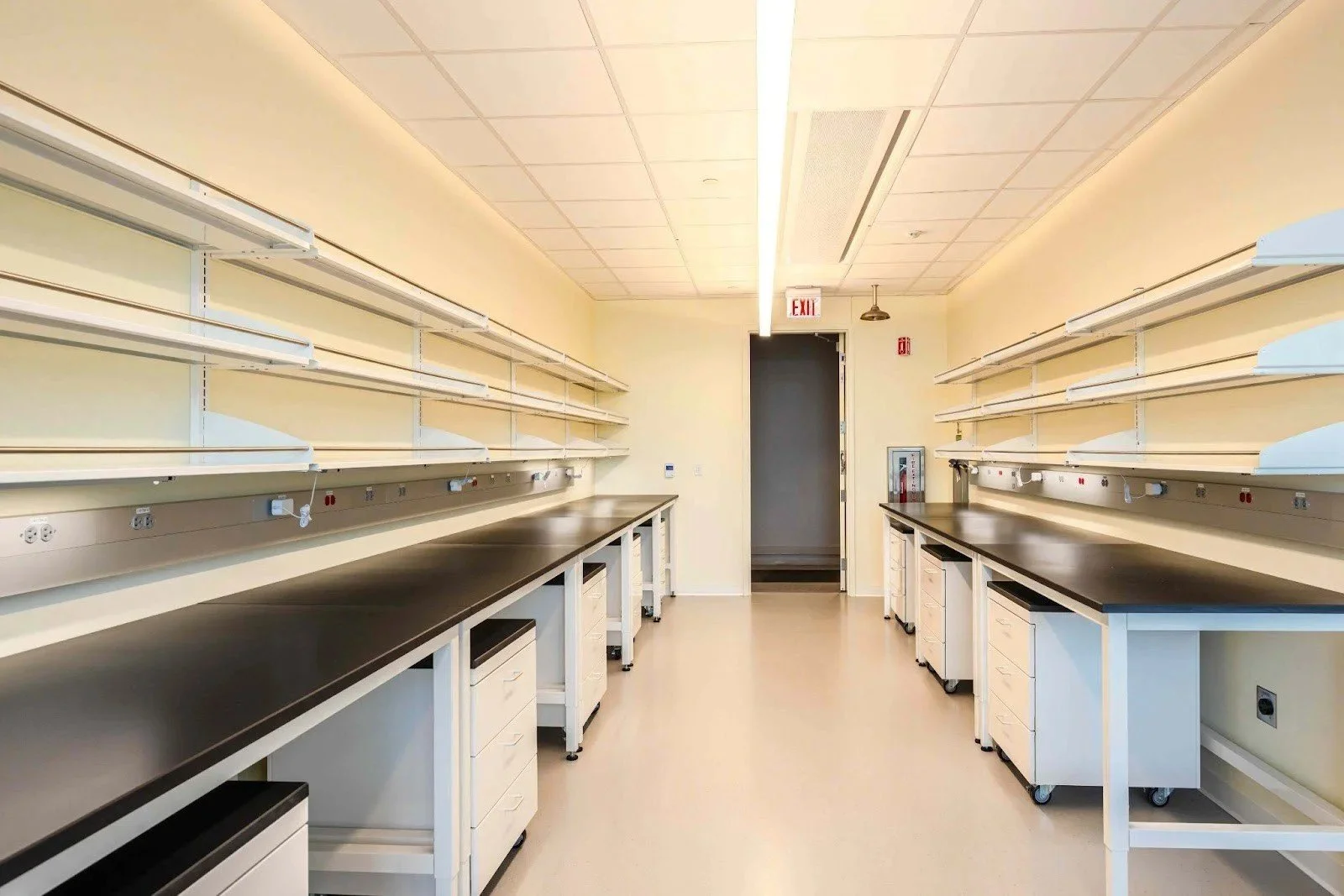
Flexible bench layouts, utilities, and safety systems can be customized or upgraded as companies grow, keeping research running smoothly. Image: © Hatch.Bio Labs
Hatch.Bio Labs in Somerville, MA, demonstrates the power of a fully integrated environment. Their 50,000-sf facility provides private lab suites, vivarium access, and co-located core equipment, eliminating the logistical hurdles of relying on external CROs or academic labs. Key to Hatch.Bio’s success is flexibility: bench layouts, utilities, and safety systems can be configured or upgraded as resident companies scale, minimizing downtime and operational disruption.
Similarly, the Gastronomica incubator at Colworth Science Park in the UK blends food and beverage innovation with incubation. Flexible lab benches, shared high-tech equipment, and a commercial kitchen allow start-ups to experiment, prototype, and refine products. Collaboration with Unilever, Cranfield University, and the Midlands Food Alliance ensures that tenants gain access to expertise, networks, and mentorship alongside physical lab space.
Adaptive reuse: making historic buildings work
Not all incubators are new builds. Adaptive reuse projects, such as MBC Biolabs at 135 Mississippi in San Francisco, show how older structures can be transformed into vibrant, modern labs. Challenges included low ceilings, structural constraints, and integrating lab-specific mechanical systems. By incorporating modular layouts, operational support, and amenities like shared conference areas and All-Hands spaces, the design preserved character while delivering state-of-the-art facilities.
These projects illustrate that adaptive reuse can be both cost-effective and sustainable, but success depends on meticulous planning and collaboration with engineers, contractors, and manufacturers to ensure compliance, functionality, and flexibility.
Support services and ecosystem
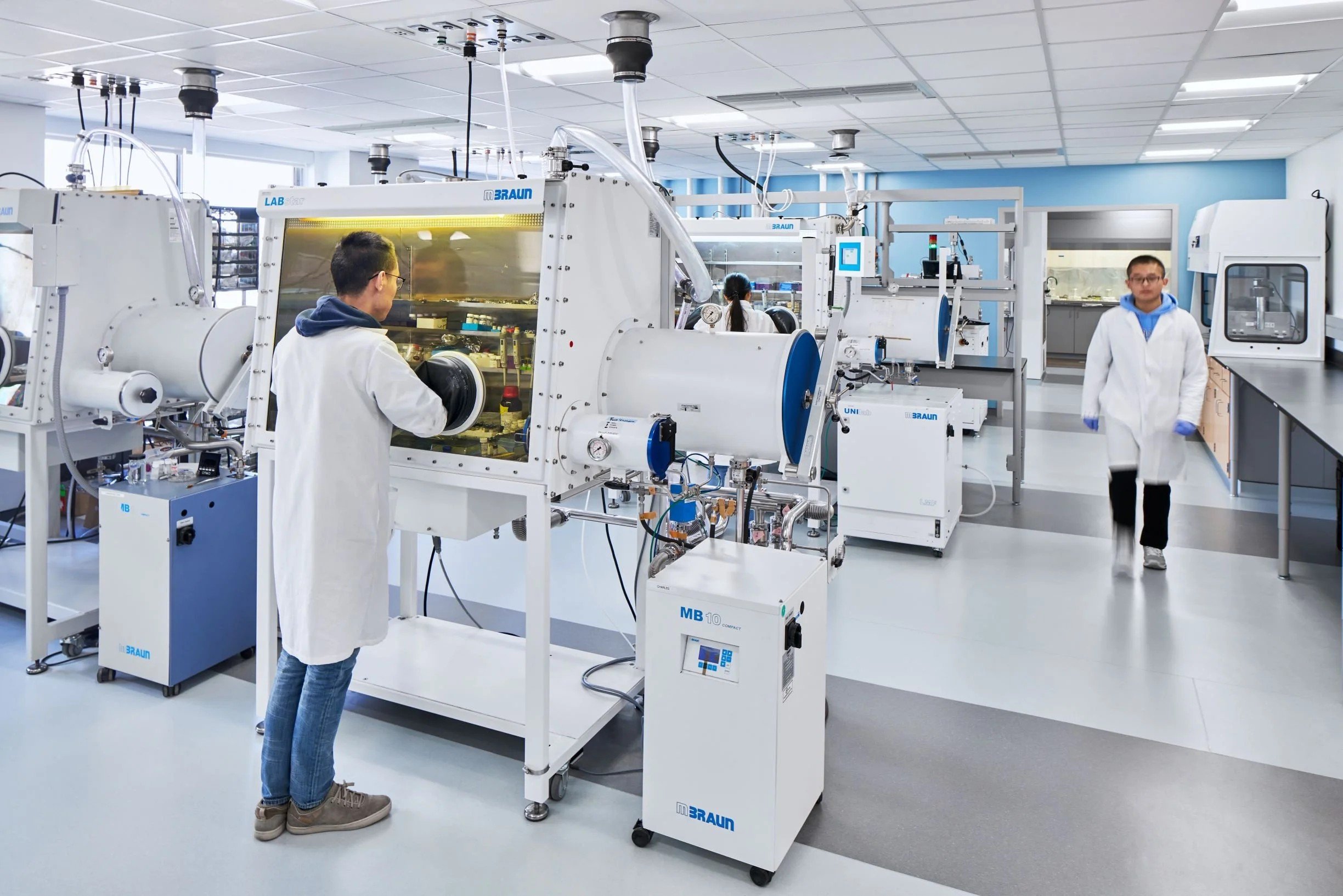
University of North Carolina at Chapel Hill Kenan Labs provides access to specialized shared equipment. Image: Courtesy of BHDP Architecture
Beyond physical infrastructure, the incubator’s ecosystem is critical. The Open Access Lab at Alderley Park provides an excellent model: shared wet labs, tissue culture facilities, and access to advanced instruments like NMR and mass spectrometry, coupled with mentorship, funding guidance, and professional services support. Start-ups benefit not only from the equipment but also from engagement with alumni networks, investor readiness programs, and operational guidance.
Equally important is the incubator’s approach to flexibility and scalability. Start-ups and early-stage companies often operate on tight budgets and may be new to laboratory operations, so the ability to quickly expand bench space, reconfigure utilities, or access specialized equipment without major disruptions can be a game-changer. Coupled with guidance from lab planners, architects, and service providers, this adaptive approach helps start-ups optimize their space, accelerate research, and avoid costly mistakes as they grow.
Start-ups evaluating incubators should consider:
Facilities and equipment: Are they fit-for-purpose, and is there room for growth?
Support services: Are mentoring, networking, and business development resources available?
Contract flexibility: Are leases, shared-use terms, and equipment access adaptable to changing needs?
Community and ecosystem: Does the incubator connect tenants to a broader network of talent, funding, and expertise?
Further reading: Start-Up Lab “Must-Haves”
Budgeting and finding vendors
Projects like the MBC Biolabs, Hatch.Bio, Gastronomica, and Alderley Park labs underscore that collaboration is essential. Architects, lab planners, contractors, and end-users must work closely to balance operational needs, safety compliance, sustainability, and tenant experience. Multidisciplinary collaboration ensures seamless integration of utilities, HVAC, fume hoods, and shared equipment while maintaining aesthetics and functional flow.
Start-ups and lab managers often underestimate the complexity of lab construction and renovation. Budgeting should include:
Construction and design fees (architects, engineers, contractors)
Lab-specific utilities and mechanical systems (HVAC, gas, water, waste)
Equipment acquisition, installation, and maintenance
Permitting, regulatory compliance, and certifications
Vendors can be identified through:
Industry networks and incubator associations
References from similar projects
Conferences, trade shows, and publications focused on life sciences infrastructure: The 2026 Lab Design Conference in Orlando, FL on May 11-14 will feature an exhibit hall of vendors, as well as networking opportunities with lab planners, engineers, interior designers, and equipment and furniture providers who can help get your lab space started. Click here for more information and to register.
A transparent conversation about needs, growth projections, and flexibility with vendors and designers ensures realistic budgeting and avoids costly surprises.
Further reading: Three Strategies for Picking the Right Vendor for Your Lab Build or Renovation
Designing for the future
The most successful incubator labs are flexible, scalable, and supportive of the tenant’s growth trajectory. From modular bench layouts to co-located core facilities, shared equipment, and adaptive reuse of historic buildings, these spaces accelerate innovation while mitigating logistical hurdles. Operational support, mentorship, and connections to funding and industry partners amplify the value of the physical space.
Start-up labs and incubators must approach design and renovation with a holistic perspective: combining flexible infrastructure, ecosystem integration, and thoughtful planning to create spaces where science, innovation, and entrepreneurship thrive.