
[[bpstrwcotob]]
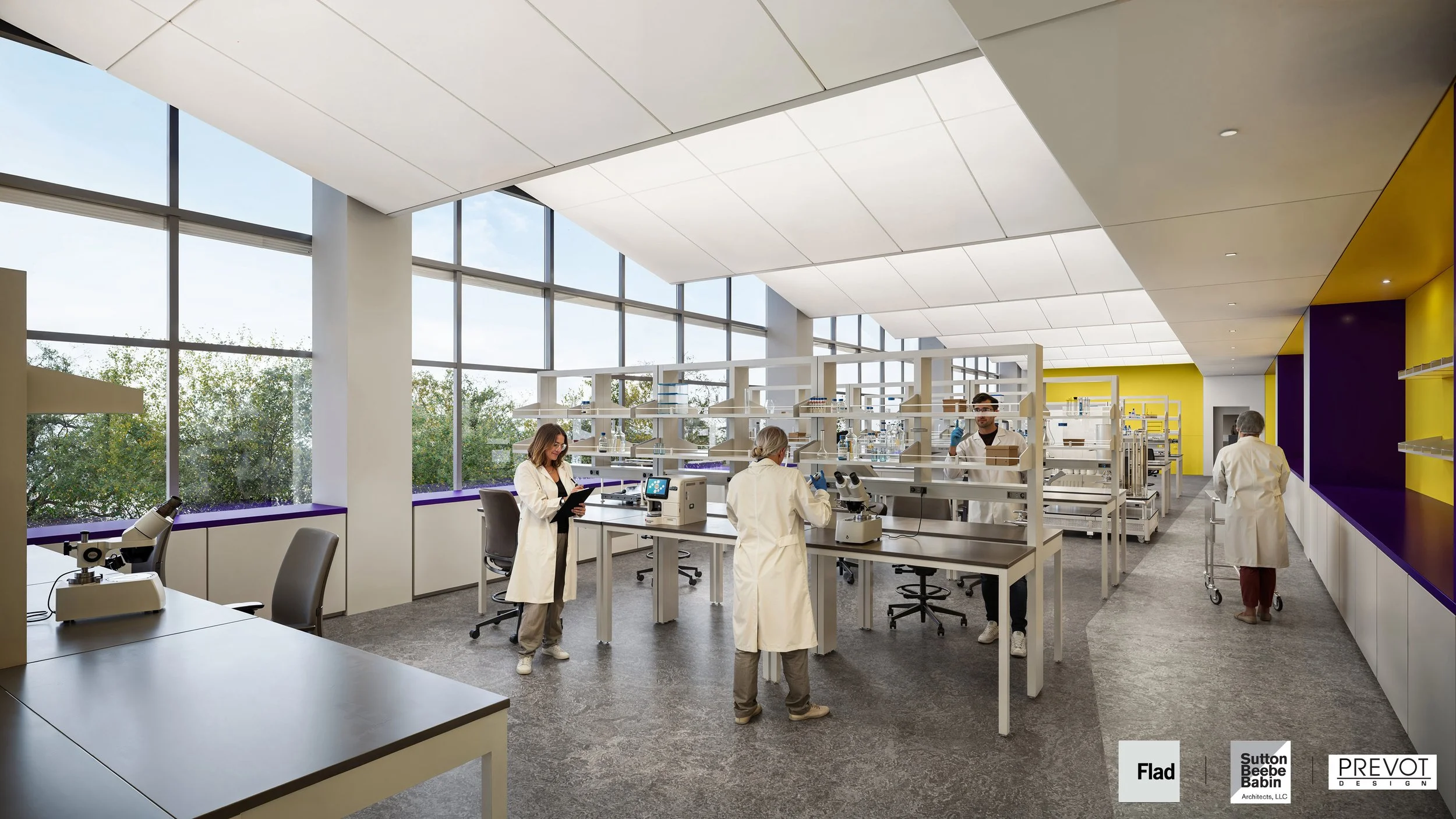
Stakeholder-Driven Planning Transforms Former Sears into Research Hub
LSU Health Shreveport is engaging researchers early in the planning process as it transforms a former Sears building into 181,000 sf of flexible research space
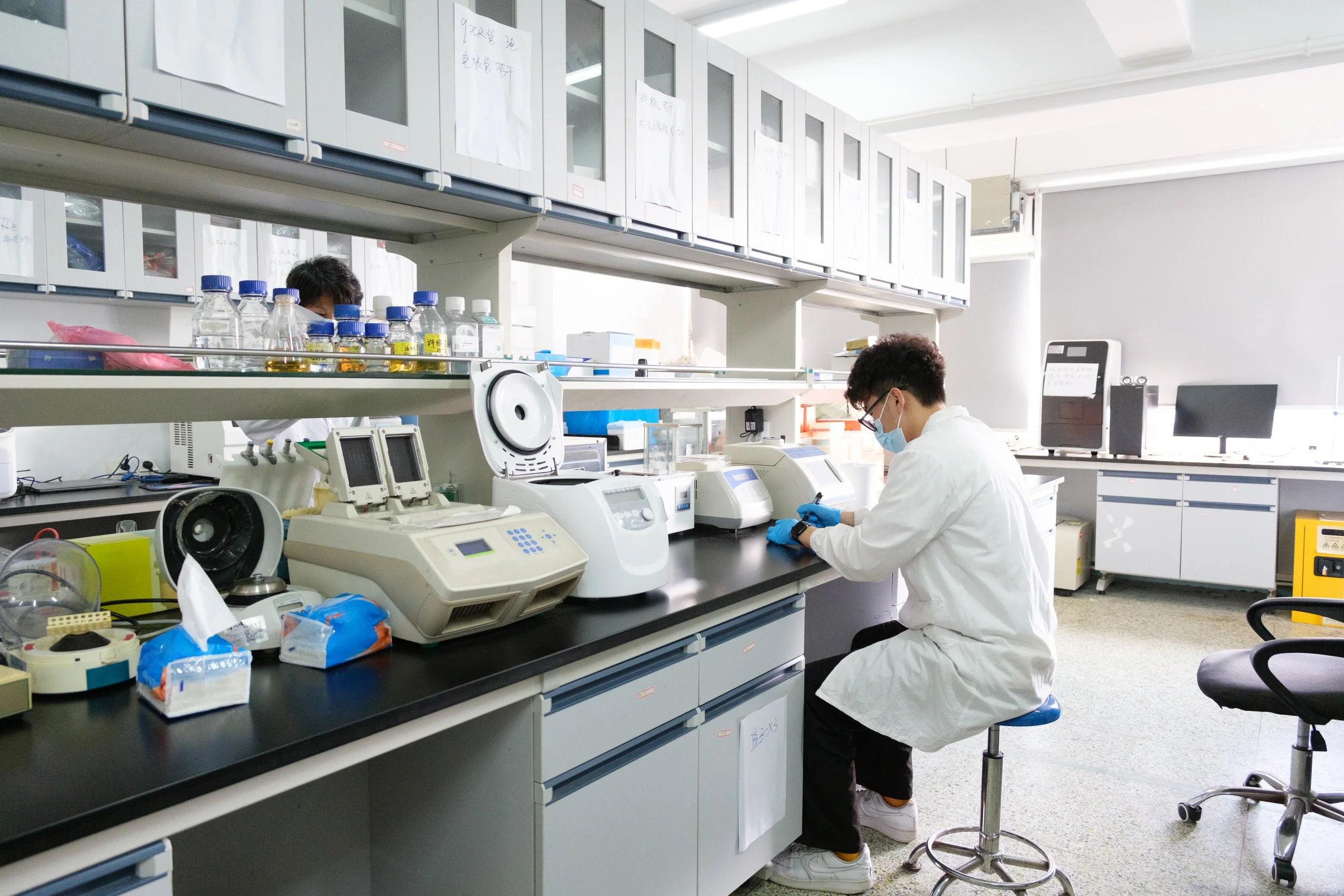
Best Practices in Building Flexible and Affordable Labs
Identify ways to reduce costs, improve flexibility, and shorten delivery times on lab renovations and new builds
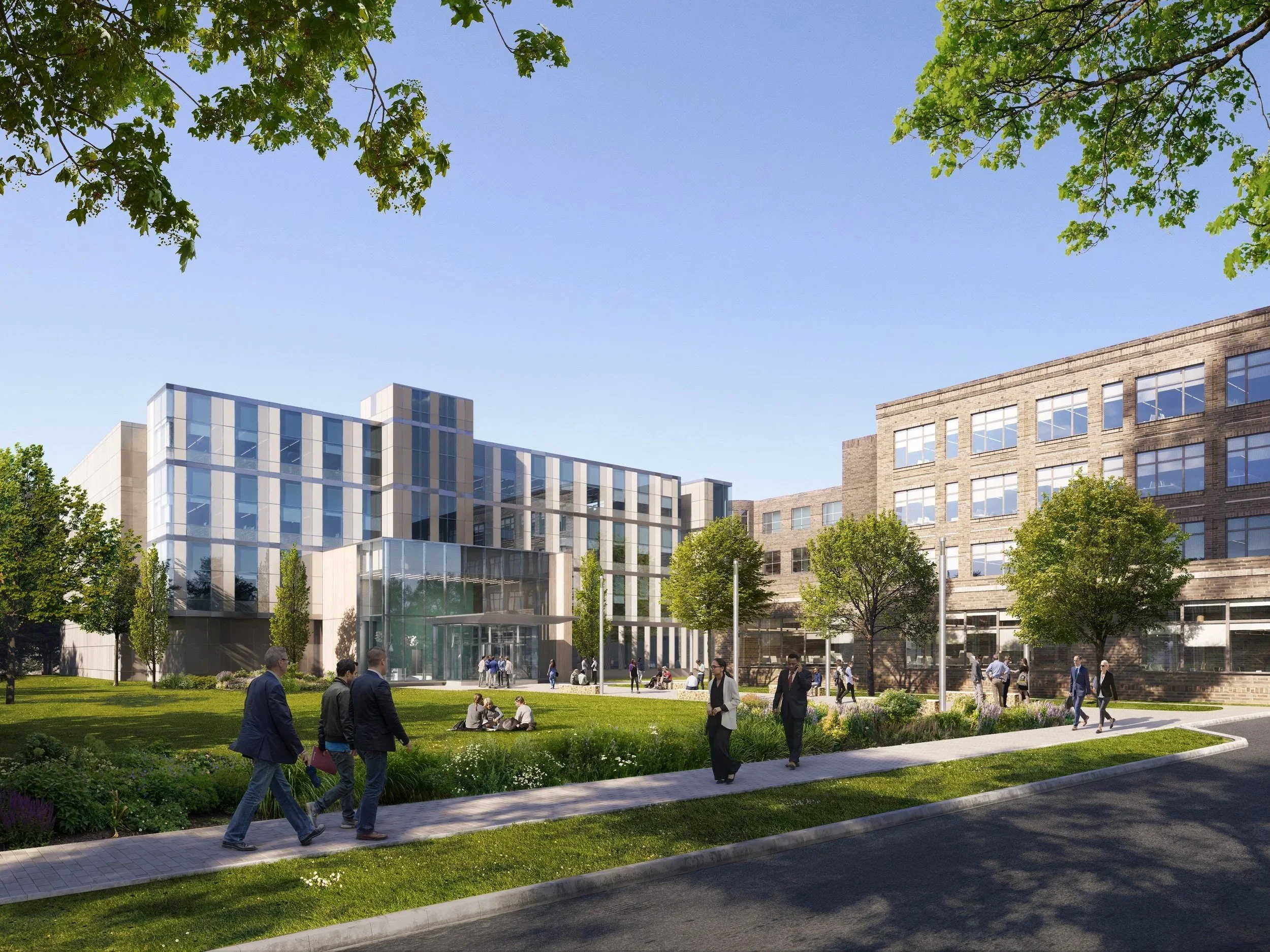
What NJIT Learned from Moving into a Former Merck Lab
As NJIT settles into its new home at the NEST Center, the university's experience offers valuable lessons on how repurposed pharmaceutical labs can provide flexible, cost-effective research space for academic institutions without the time and expense of new construction
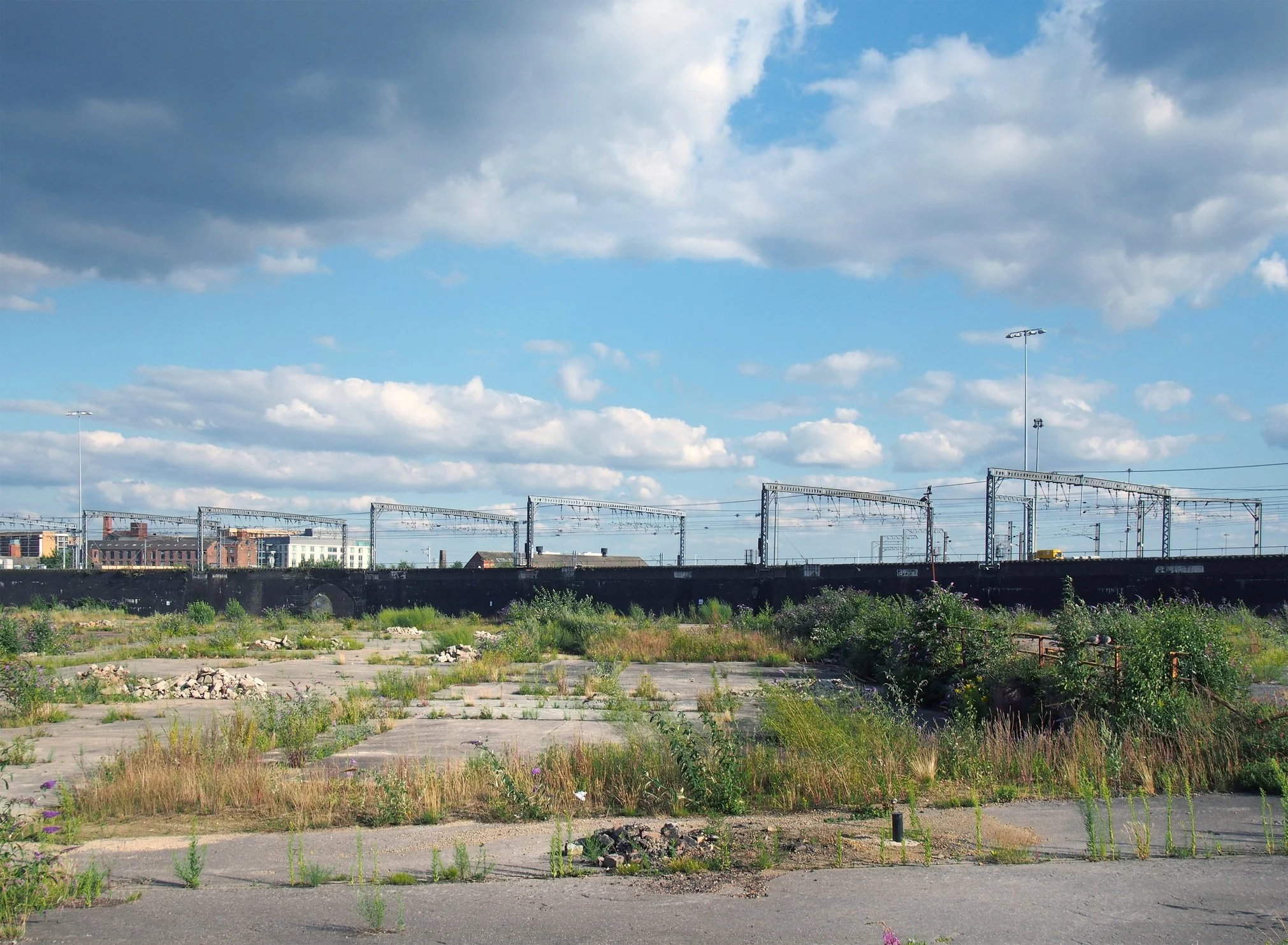
An Architect’s Role in Brownfield Site Selection: What You Should Know
Involving architects early in brownfield site selection helps identify structural, infrastructure, compliance, and operational challenges before purchase, reducing risk, avoiding costly redesigns, and ensuring the facility can support current and future cGMP operations
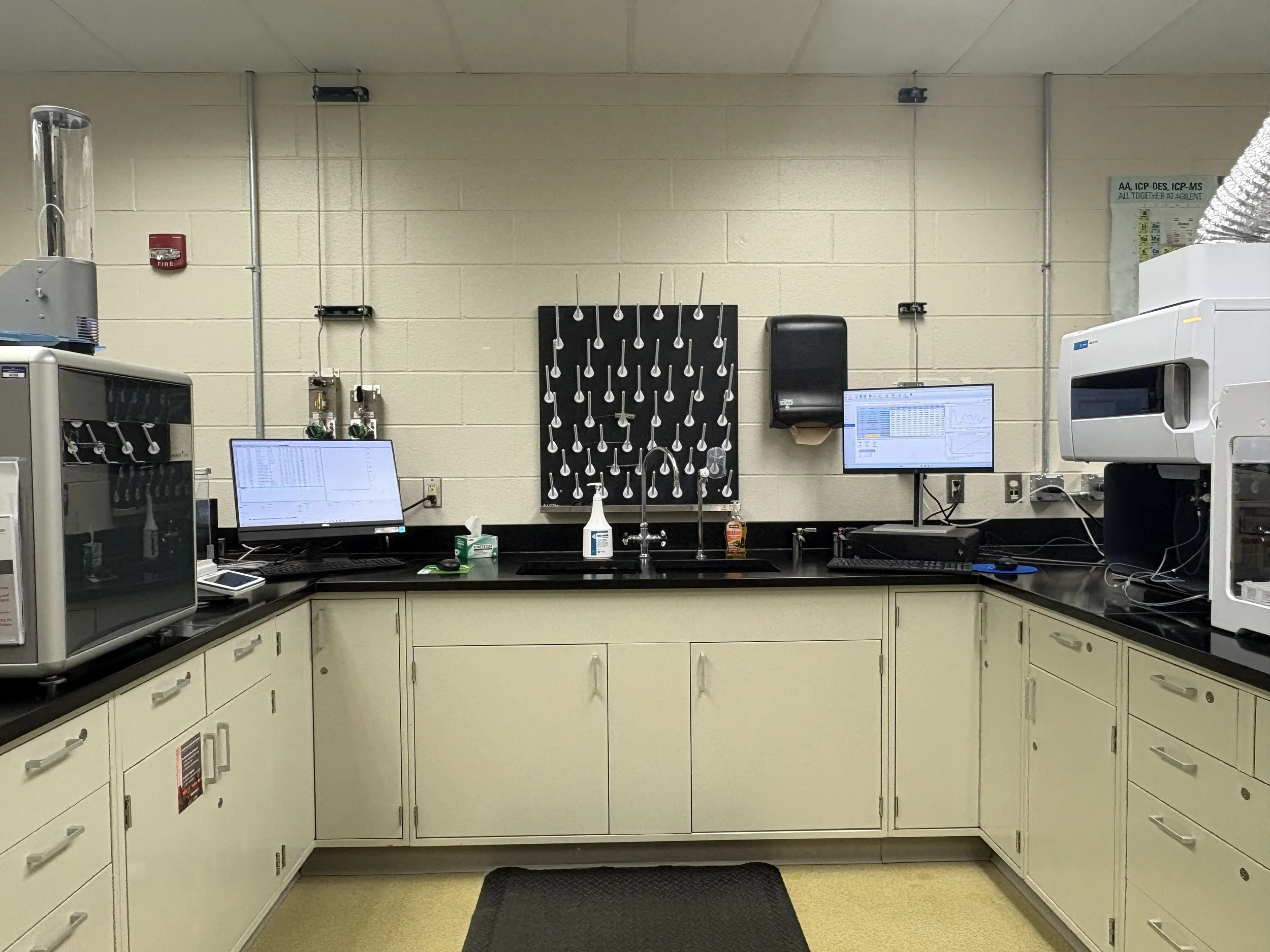
Supporting the Circular Economy with a Next-Gen Testing Lab
Driven by lessons learned from inefficient workflows, UW–Stevens Point's new Compostability Testing Laboratory combines user-centered design, flexible infrastructure, and specialized testing environments to create a more efficient and adaptable research facility
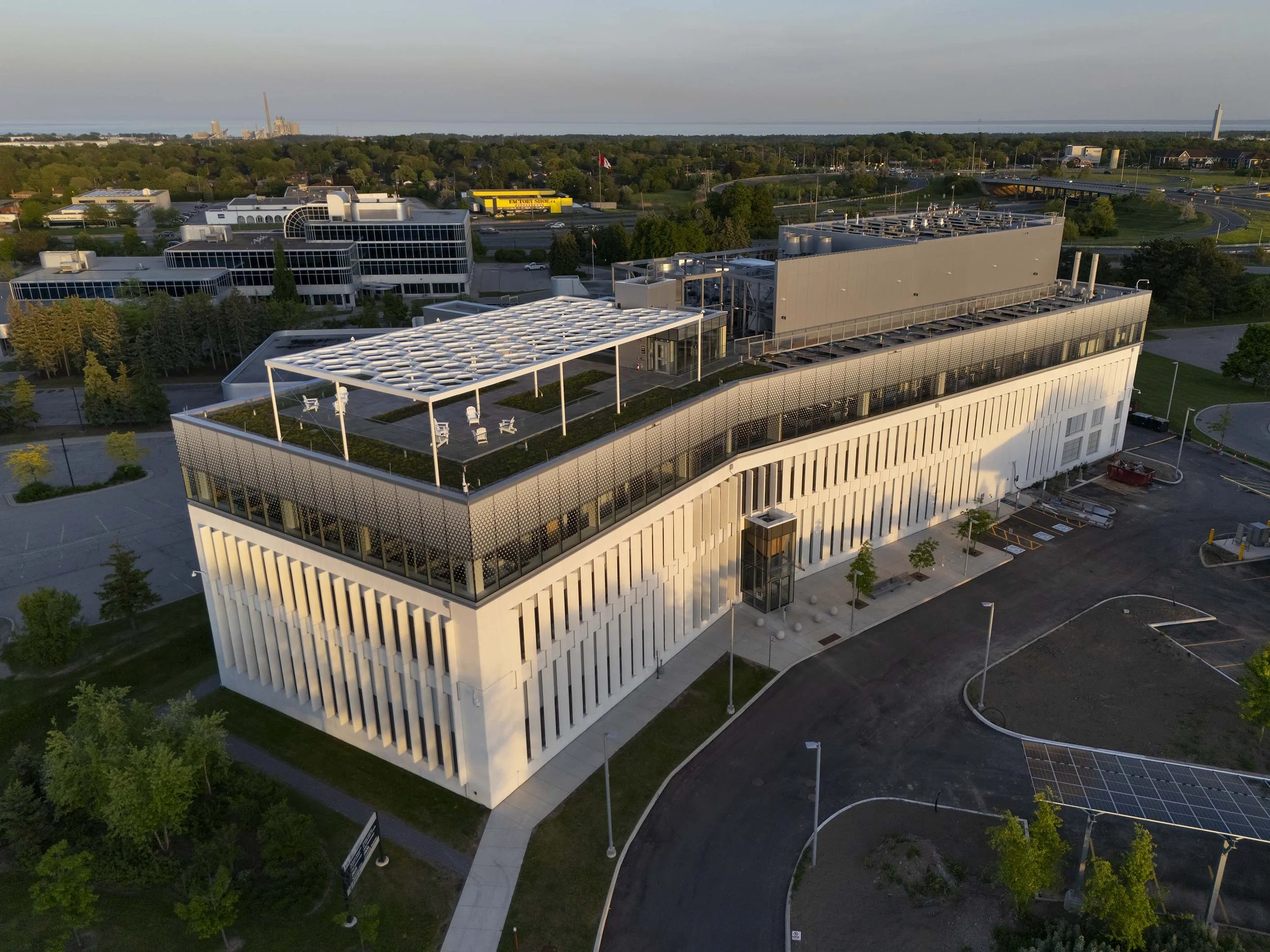
Elevating Lab Design: AMRF Earns Special Mention for Sustainable Renovation
The NRC’s $77 million AMRF project in Ontario transforms an occupied, conventional lab building into a vertically expanded, LEED Gold, highly flexible, and electrified research facility—earning a 2026 Design Excellence Special Mention while serving as a scalable model for modern, low-carbon laboratory design
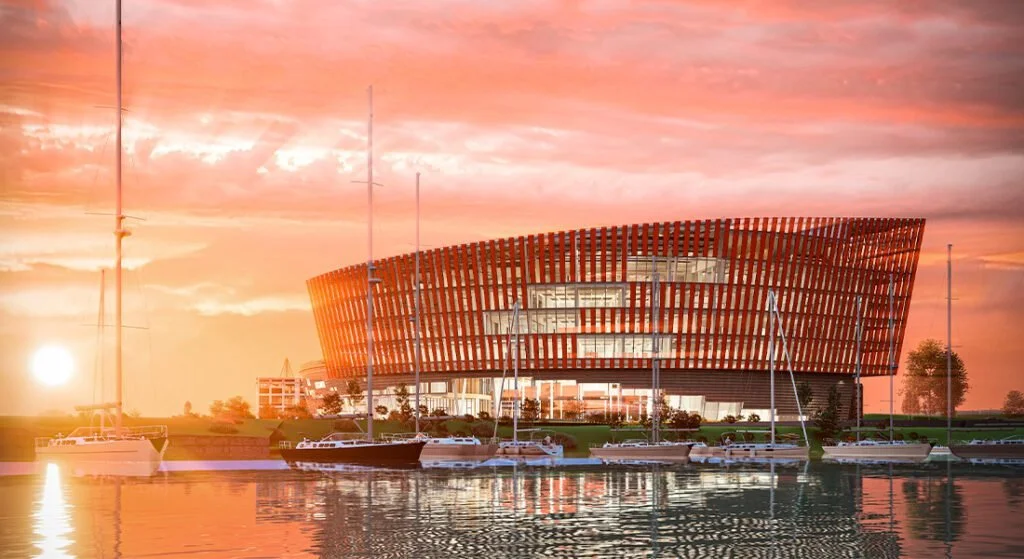
From Baked Beans to Scientific Breakthroughs: Northeastern’s Roux Institute
The Roux Institute project transforms Portland’s historic B&M Baked Beans factory into a flexible, all-electric research campus by combining adaptive reuse, advanced digital design, and Maine-sourced building materials to support evolving needs in digital engineering and life sciences
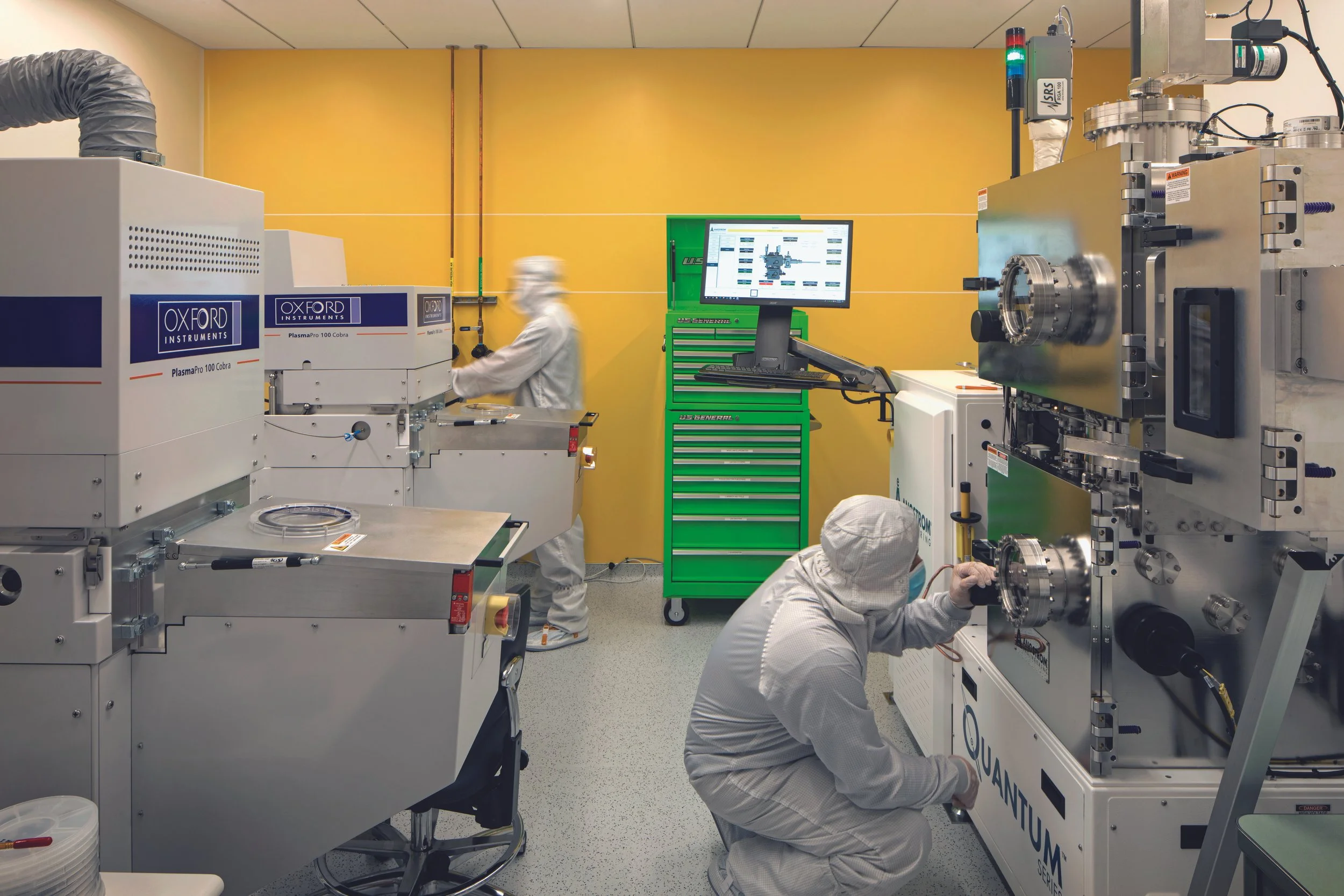
Custom University Labs: Attracting Top Talent with Design Collaborations
Universities are increasingly partnering with architects to design highly customized labs—often within aging buildings—to attract top-tier researchers, translating complex scientific needs into flexible, future-ready spaces that support cutting-edge discovery
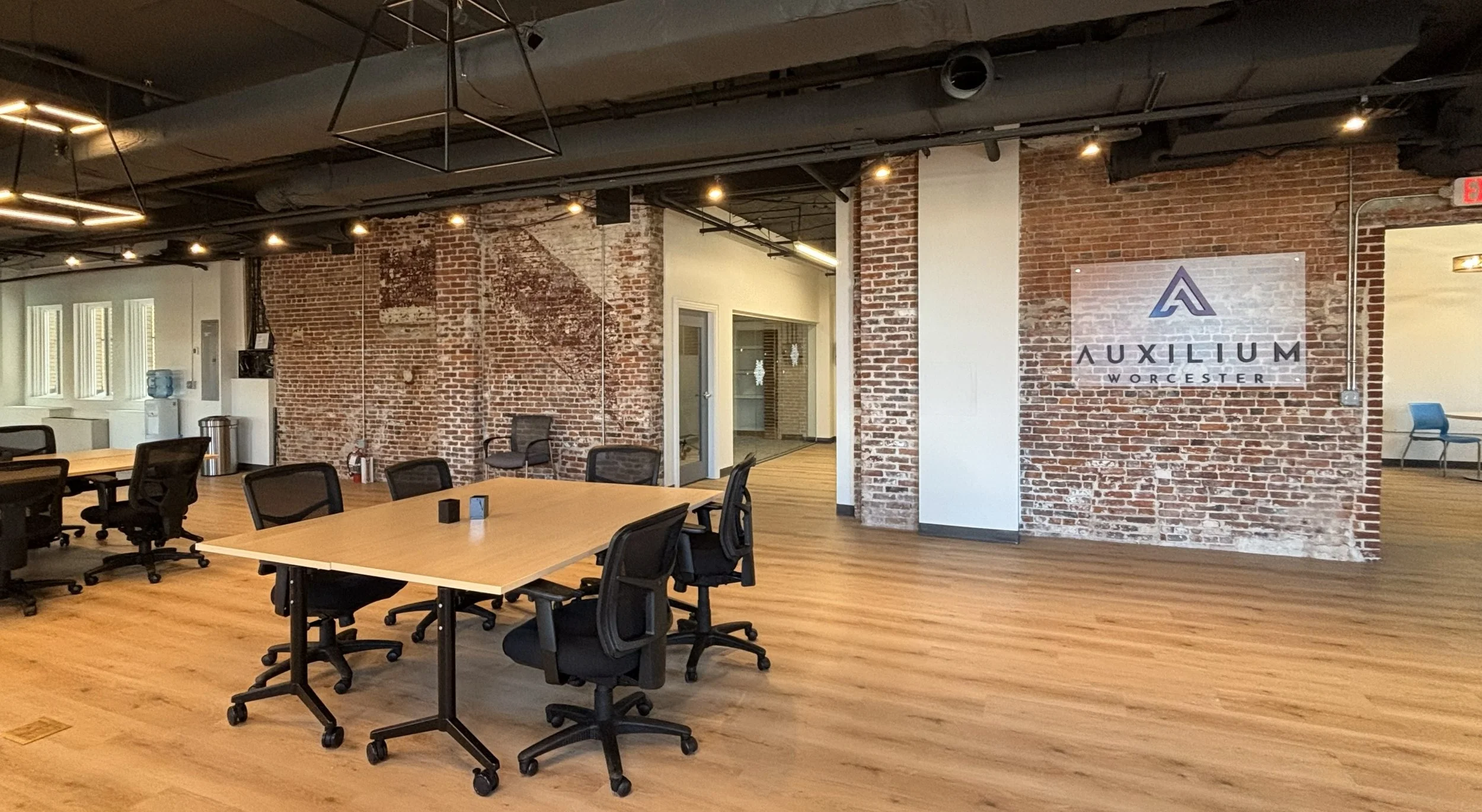
Worcester’s Innovation Revival Grows with New Startup Materials Lab
A new materials science lab planned for downtown Worcester will provide flexible, startup-focused research space and industry expertise to help early-stage companies advance from prototype development to commercial readiness while supporting the city’s innovation-driven revitalization
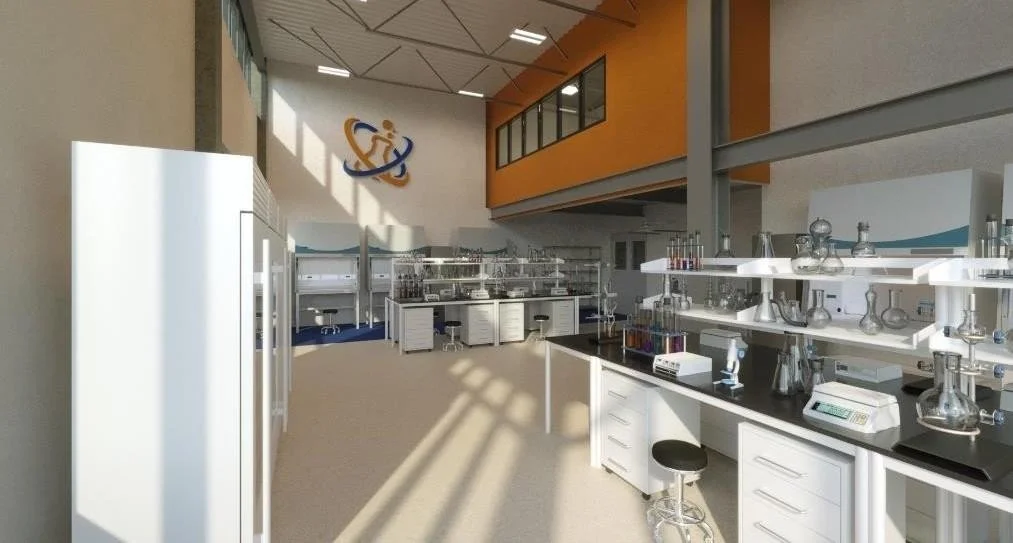
Project Profile: Pilot Biomanufacturing Center at Massachusetts Biomedical Initiatives
MBI’s Pilot Biomanufacturing Center in Worcester, MA is a highly utilized, purpose-built expansion that bridges the gap between lab-scale R&D and early manufacturing, enabling life science startups to scale efficiently within a single integrated ecosystem while avoiding the cost and disruption of premature relocation