
Building Tomorrow's Lab Design Leaders
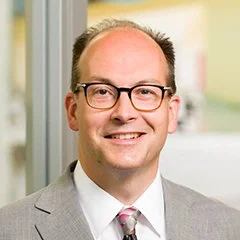
Chris Ertl of DLR Group emphasizes the importance of developing the next generation of leaders early through mentorship, project experience, and intentional knowledge transfer. Image: Courtesy of DLR Group
As laboratory projects become increasingly complex and multidisciplinary, the firms that design them face another challenge of equal importance: ensuring the next generation of leaders is ready to guide clients, mentor teams, and preserve institutional knowledge.
Succession planning has long been associated with executive retirements and organizational charts. But within today's science and technology design practices, many firms are taking a broader view. Rather than treating succession as a leadership handoff, they are embedding leadership development into everyday project work, mentoring emerging professionals early, and creating intentional opportunities to transfer both technical expertise and client relationship skills.
For firms specializing in laboratory planning and design, the stakes are particularly high. Laboratory projects require years of accumulated experience navigating research workflows, safety requirements, stakeholder engagement, and highly specialized building systems. Passing along that knowledge cannot wait until senior leaders are preparing to retire.
Chris Ertl, AIA, LEED AP, global science+technology leader with DLR Group, believes succession planning begins much earlier than many organizations realize.
“Succession planning should never be viewed as a single event, a retirement conversation, or a leadership transition that begins a few years before someone steps away,” Ertl says. “The most successful firms I have observed treat succession planning as a continuous process of developing people, building trust, and creating opportunities for future leaders long before a leadership change is required.”
Making mentorship part of everyday practice
Many firms offer mentoring programs, but Ertl says the greatest impact comes when mentorship is woven directly into project delivery rather than treated as a separate initiative. DLR Group, he says, emphasizes mentor-mentee relationships that extend beyond technical instruction. Experienced professionals help emerging staff develop judgment, navigate client relationships, understand laboratory planning principles, and appreciate the broader purpose behind science facility design.
Within the firm's Science+Technology practice, one strategy stands out: what Ertl calls the “+1 mentality.”
“No matter the size or complexity of a project, we intentionally structure our teams so that knowledge is shared across generations and experience levels,” he explains.
Rather than assigning junior staff only production responsibilities, emerging professionals participate throughout the entire project lifecycle—from proposal development and client pursuits through project delivery and closeout.
“This approach allows mentorship to occur in real time,” Ertl says. “Emerging professionals are not simply observing; they are actively contributing while receiving guidance from more experienced team members.”
The approach benefits both generations. Senior leaders pass along institutional knowledge while newer staff introduce fresh ideas, making mentorship a two-way exchange instead of a one-directional transfer of experience.
Leadership extends beyond technical excellence
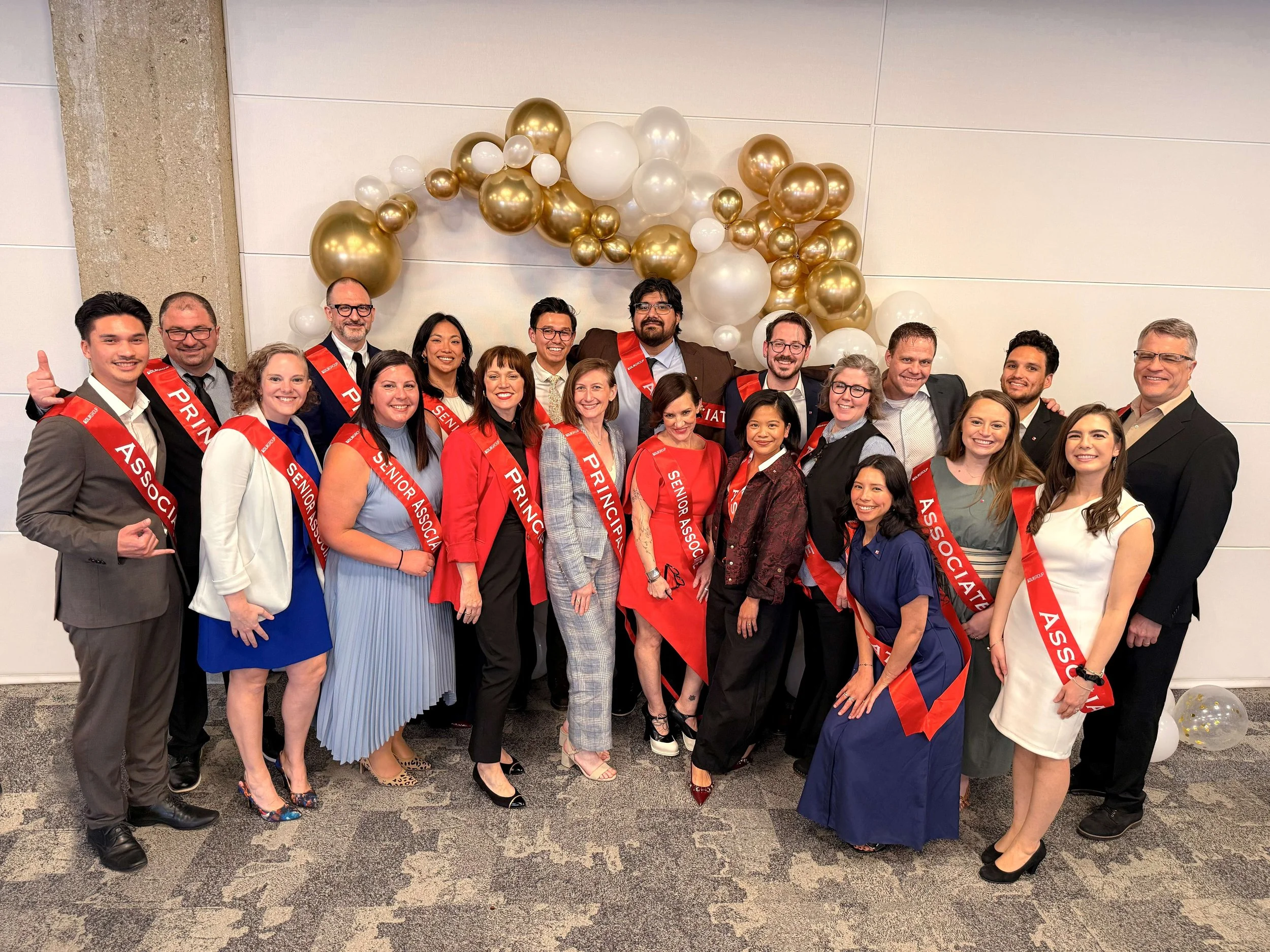
Leadership development programs help emerging laboratory design professionals build the communication, collaboration, and business skills needed to lead multidisciplinary teams and projects. Image: Courtesy of DLR Group
Technical expertise alone is no longer enough to prepare future leaders for science and technology practice. Laboratory planning increasingly requires collaboration among architects, engineers, researchers, facility managers, safety professionals, and equipment specialists. As a result, firms are placing greater emphasis on communication, collaboration, emotional intelligence, and business development alongside design skills.
This growth can be supported through regular professional development opportunities, conferences, workshops, laboratory planning education, and formal leadership training programs designed to prepare employees for senior leadership roles. The firm's Leadership Development Program combines workshops, mentorship, team projects, and peer learning focused on self-development, team leadership, organizational leadership, and change management, Ertl says.
The goal is to expose future leaders to the broader business of design—not simply how projects are executed, but how work is won, relationships are maintained, and organizations grow.
Giving emerging leaders real responsibility
Perhaps the most significant lesson Ertl has learned is that leadership cannot develop without meaningful responsibility. Too often, he says, senior leaders unintentionally protect important client relationships instead of helping others build them.
“I find it fulfilling to let others run meetings, present work, and handle tough conversations while I am still there to support them behind the scenes,” he says. “Confidence only comes from repetition, and the trust that you have their back.”
Similarly, leadership development requires more than delegation.
“Delegating redlines and coordination isn't leadership development,” Ertl says. “Giving our team ownership of schedules, budgets, a client, or a market sector will change how people think about their work and their commitment to growing the firm.”
This philosophy also extends to feedback. Monthly one-on-one conversations provide opportunities for coaching while project experiences are still fresh, allowing leaders to reinforce successes, address challenges, and shorten the learning curve for developing professionals. Team culture meetings, project presentations, and informal sharing sessions further reinforce communication and collaboration across experience levels.
Fresh perspectives strengthen firms
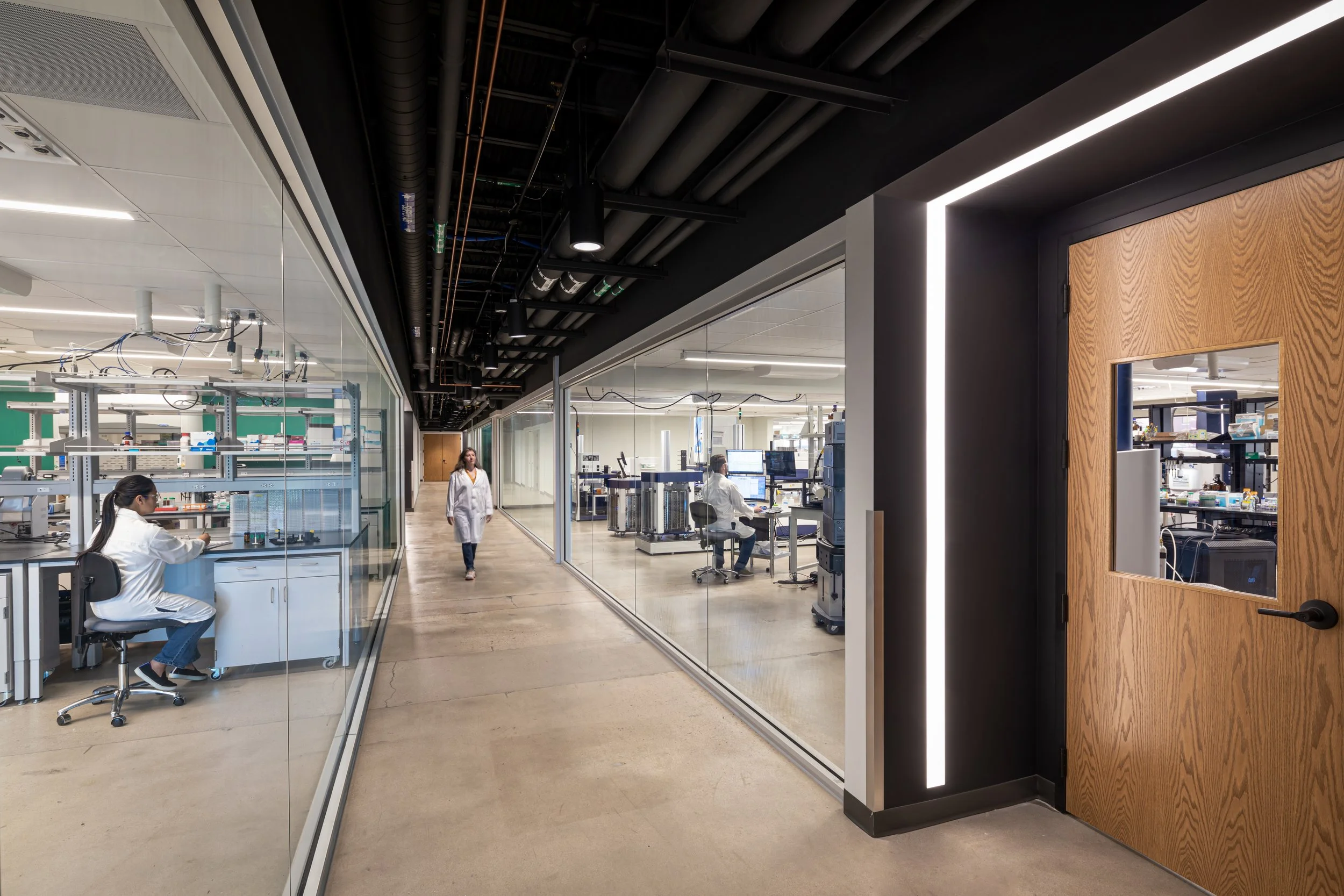
Emerging professionals bring new perspectives and digital expertise to science and technology design, helping shape how firms approach collaboration, innovation, and leadership. Image: Courtesy of DLR Group
Succession planning is not only about preserving existing knowledge—it is also about allowing emerging professionals to influence the future direction of the organization. According to Ertl, younger professionals bring strengths that are reshaping science and technology practice, including fluency with digital tools, data-driven decision-making, visualization technologies, and evolving approaches to collaboration. They are also helping firms place greater emphasis on equity, inclusion, workplace wellness, and interdisciplinary thinking.
DLR Group's Emerging Professional Experience (EPX) program is designed to expose interns and recent graduates to multiple disciplines and business units, allowing them to gain experience across various phases of the design process.
Rather than expecting future leaders to mirror today's leadership style, Ertl encourages firms to embrace new perspectives.
“The goal is not to create the next version of yourself,” he says. “The goal is to help the next generation become something even better.”
Building a leadership pipeline
For firms beginning their own succession planning efforts, Ertl recommends starting well before leadership transitions appear on the horizon. His advice centers on creating a culture where mentorship is expected, knowledge is openly shared, and emerging professionals gain exposure to both technical practice and business leadership. That includes allowing employees to participate in client meetings, pursuits, thought leadership initiatives, and decision-making opportunities that carry genuine accountability.
Perhaps most importantly, firms must create environments where learning includes the freedom to make mistakes.
“Organizations that develop strong future leaders create environments where people are allowed to fail, learn, and grow, with mentorship and support available every step of the way,” Ertl says.
Ultimately, succession planning is less about replacing retiring leaders than about continuously investing in people.
“For firms that want to build a legacy, invest as much energy in developing people as you do in developing projects,” Ertl says. “Create a culture where mentorship is expected, where knowledge is openly shared, and where leaders aren't just accessible—they attentively listen.”
As science and technology projects continue to evolve, firms that intentionally develop future leaders today may be the ones best positioned to serve both clients and the laboratory design/build industry itself for decades to come.