
[[bpstrwcotob]]
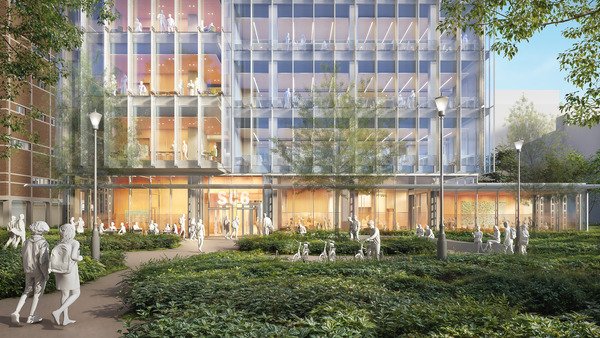
How Early Collaboration Shapes High-Performance Research Facilities
Early, intentional collaboration—through stakeholder alignment, iterative engagement, and thoughtful programming—enables lab projects to move beyond basic requirements and deliver flexible, high-performing research environments that stay on schedule, on budget, and aligned with user needs
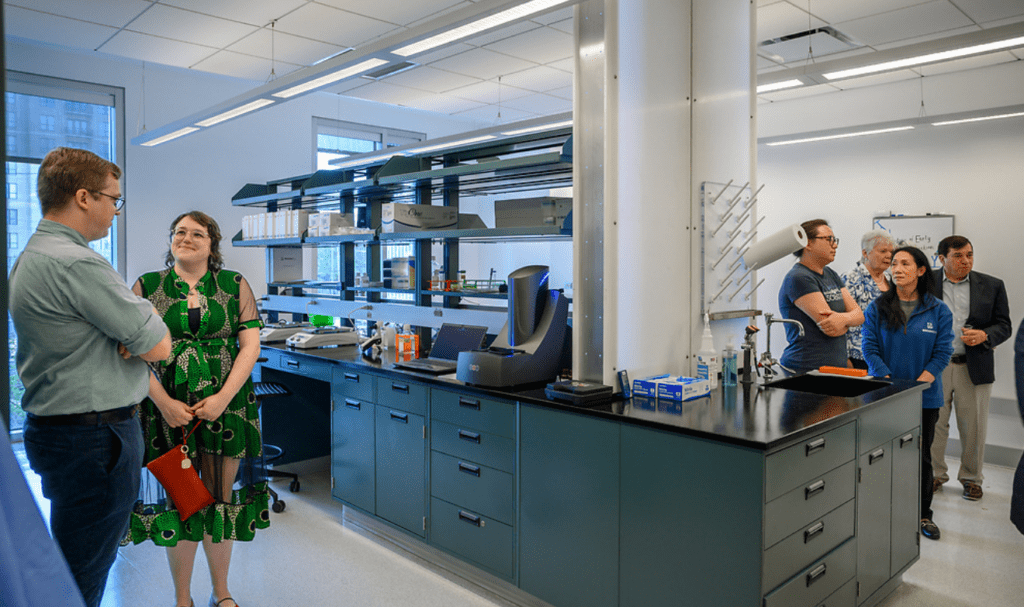
Engineering a CLIA-Ready Lab for Next-Gen Cancer Testing
Beken Bio’s newly opened laboratory at the New Orleans BioInnovation Center integrates a CLIA-ready, workflow-driven design within an incubator environment to advance its blood-based ovarian cancer test, prioritizing flexibility, reduced variability, and close collaboration between R&D, clinical, and quality teams to accelerate assay development and future commercialization
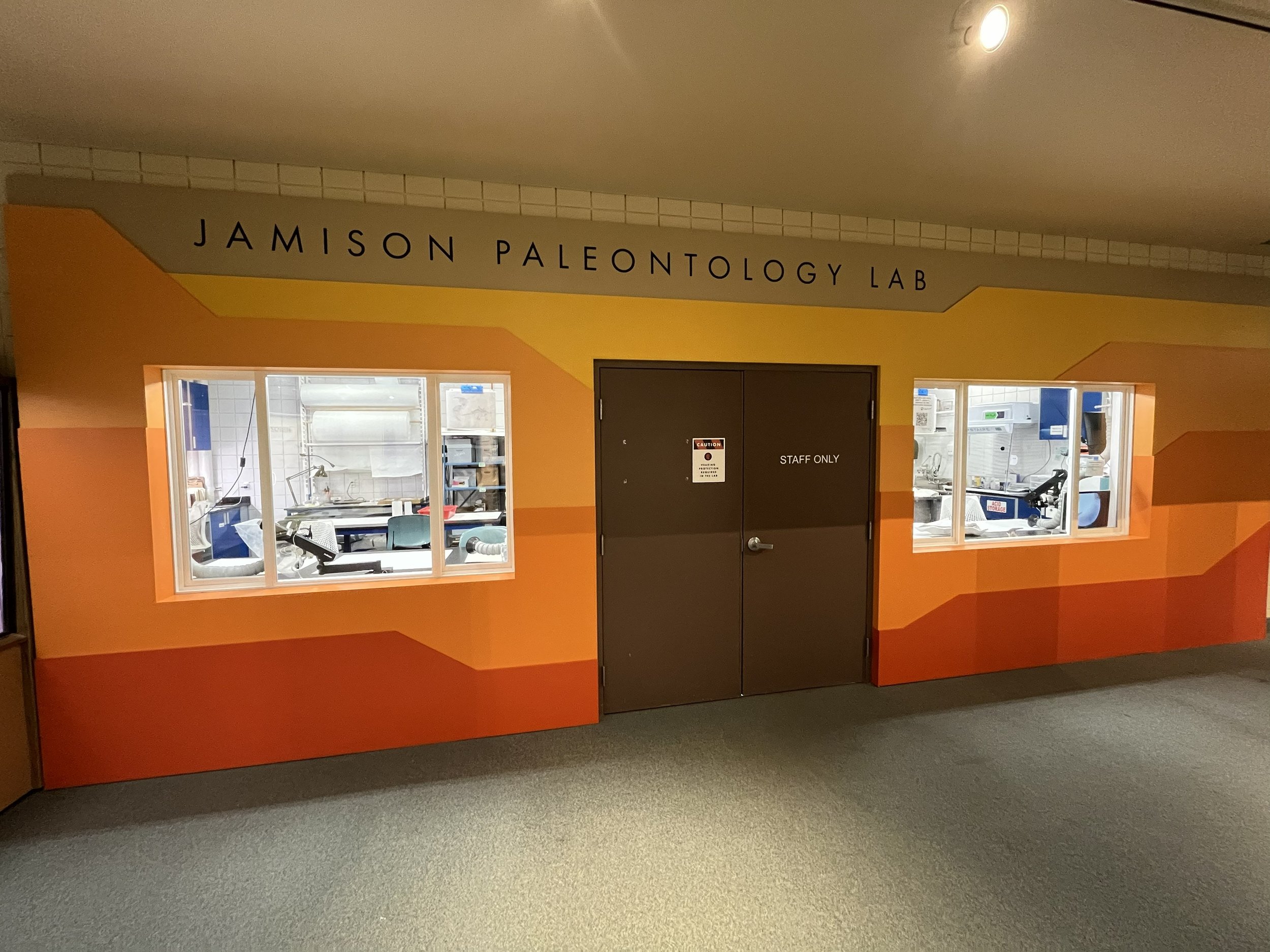
From Vision to Reality: USU Eastern Opens New Paleontology Lab
USU Eastern’s lab management team led a largely hands-on, user-driven renovation that transformed an outdated fossil preparation space into a modern, flexible, safety-focused laboratory that actively engages both users and public observers while strengthening scientific workflow and visibility

After the Webinar: What Owners Should Know About Occupied Lab Renovations
Occupied lab renovations succeed when owners prioritize early validation of existing conditions, integrate design and construction planning (especially for phasing and temporary systems), and maintain constant communication to minimize downtime and protect ongoing research

Design Decisions That Protect Critical Environments
By integrating contamination control into early design decisions, laboratories can better align human behavior, facility performance, and operational resilience
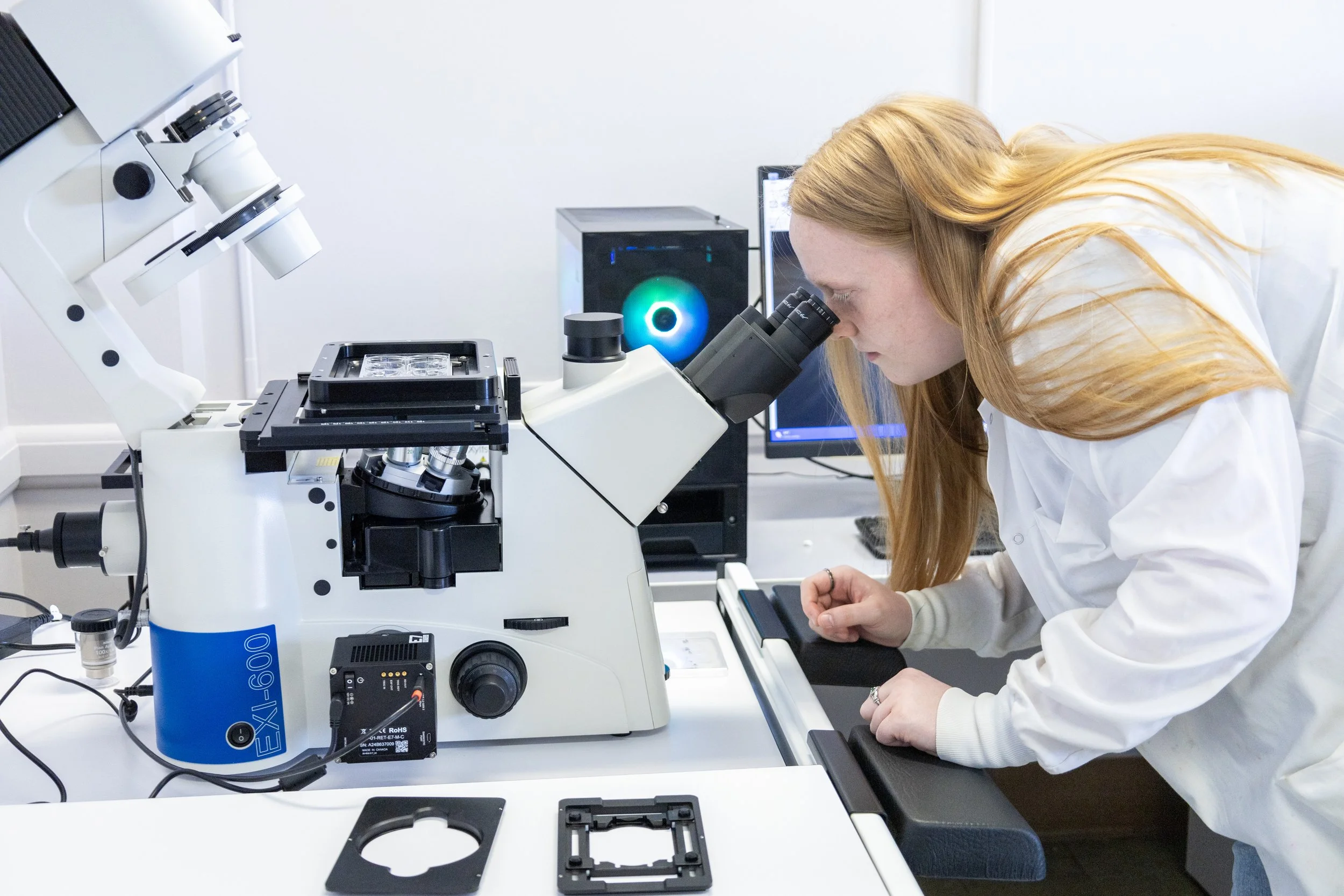
Bridging Education and Innovation at Niagara University’s Research Institute
Through flexible planning, clear zoning, and infrastructure upgrades, Niagara University’s new Biomedical Research Institute Laboratory supports both hands-on student training and advanced biomedical research in a highly collaborative setting

In Memoriam: Alyssa Moore
Lab Design and LabX Media Group honor the life and legacy of Alyssa Moore, whose work and relationships helped shape our community and events
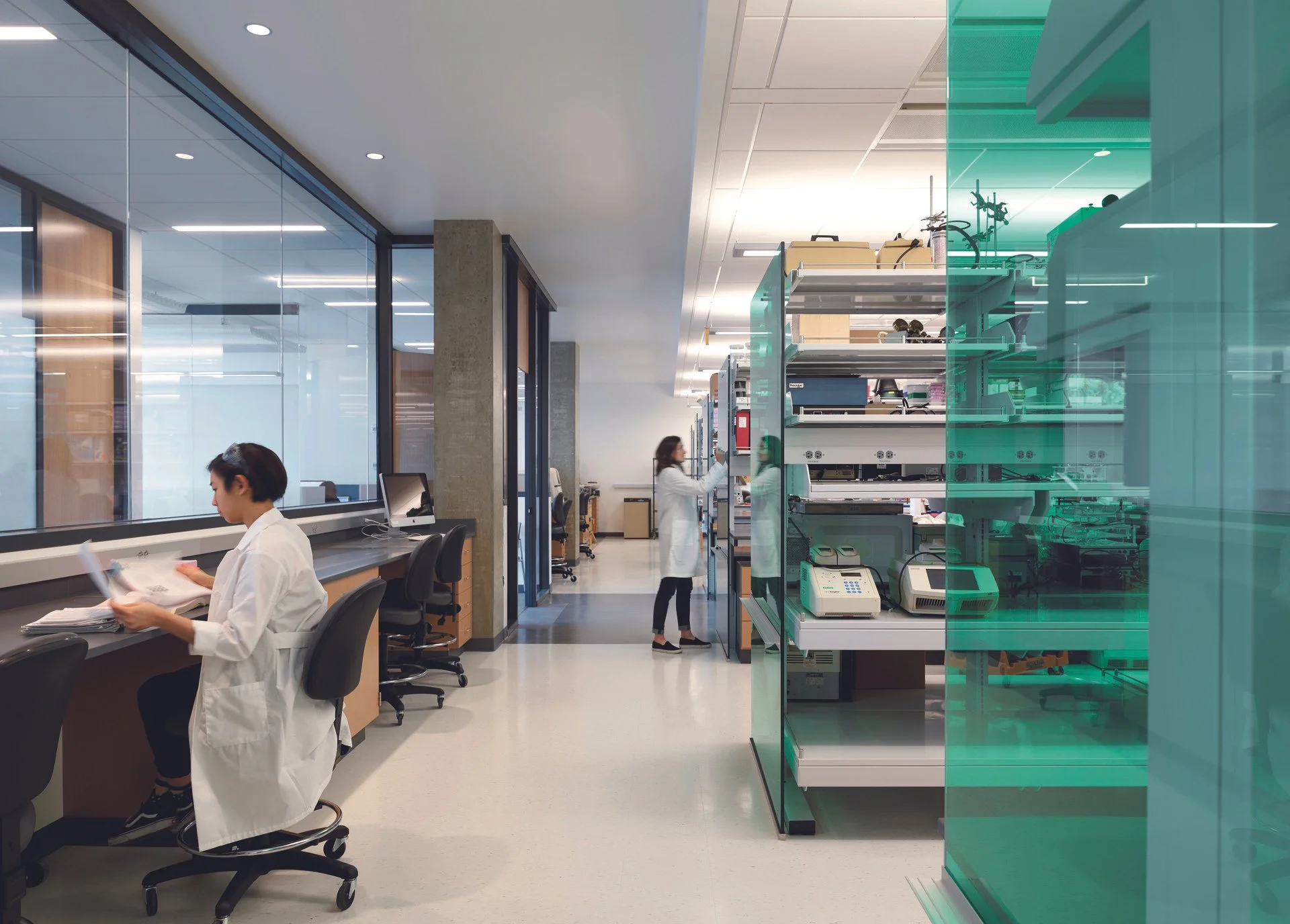
Casework and Benches as Strategic Infrastructure in Lab Design
Casework and bench systems are increasingly treated as core lab infrastructure rather than interchangeable furnishings, with early design decisions around flexibility, compliance, and right-sizing playing a critical role in determining whether laboratories can adapt efficiently over time or become constrained by costly, hard-to-correct limitations

Connecting Campus and Community at George Mason University: Special Mention—Campus to Community Integration
The Life Sciences and Engineering Building at George Mason University redefines academic lab design by using transparency, shared interdisciplinary spaces, and community-facing features to seamlessly connect campus research with public engagement and regional innovation
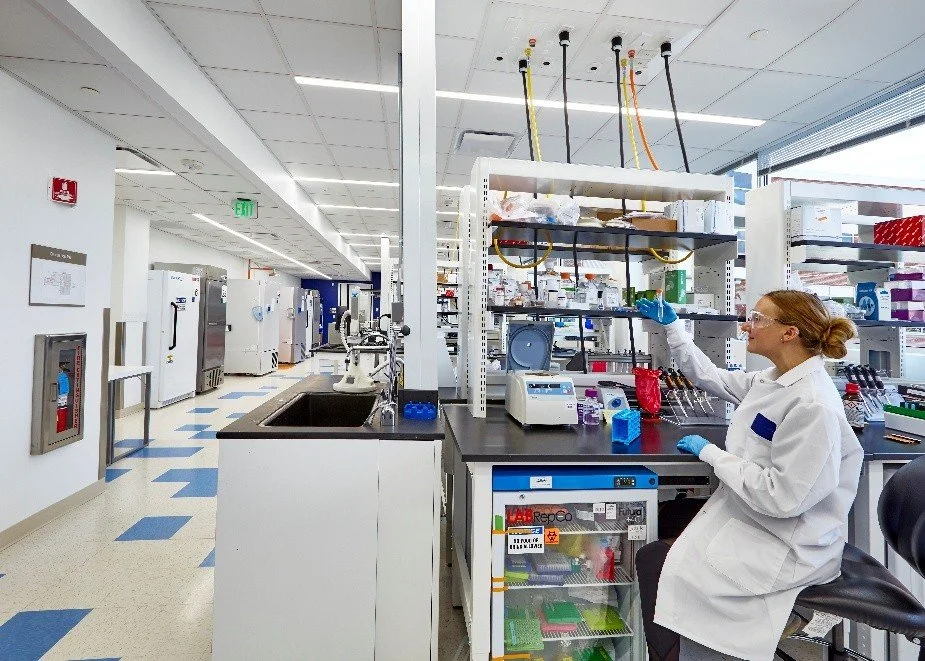
High-Performance Labs, Right-Sized Budgets: The Value Design Approach
Replacing traditional cost-cutting value engineering with a proactive, collaborative value design approach enables science and technology facilities to optimize performance, flexibility, and lifecycle costs from the outset