
[[bpstrwcotob]]

Explore Real Labs at the 2026 Lab Design Conference
Step inside actual labs at the 2026 Lab Design Conference and gain firsthand insights you simply can’t get from presentations—reserve your limited-seat tour before it sells out
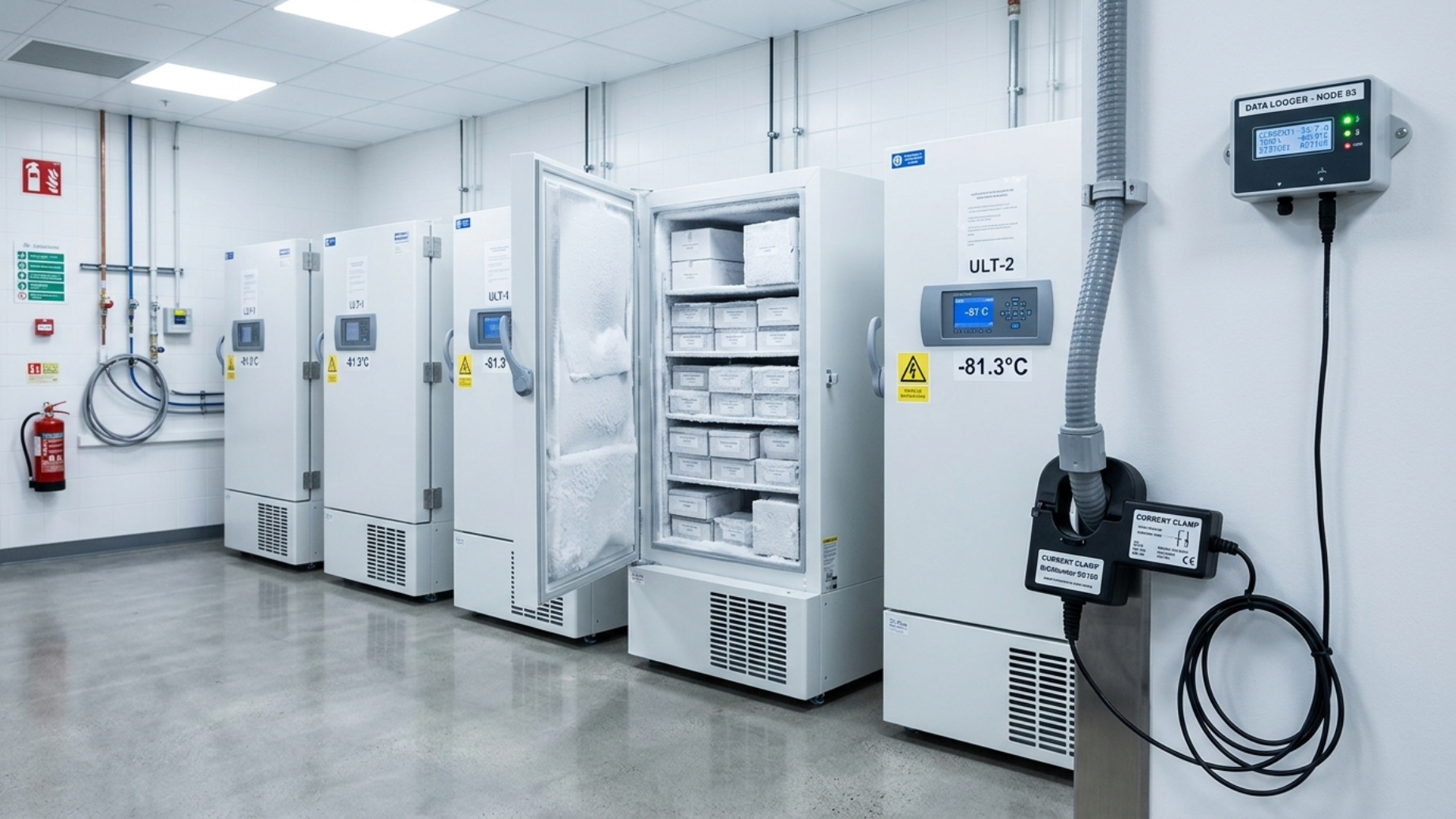
Predictive Maintenance: Listening to Freezer Motors
How current transducers and equipment monitoring systems predict ULT freezer failure weeks before it happens—and what that means for lab design.
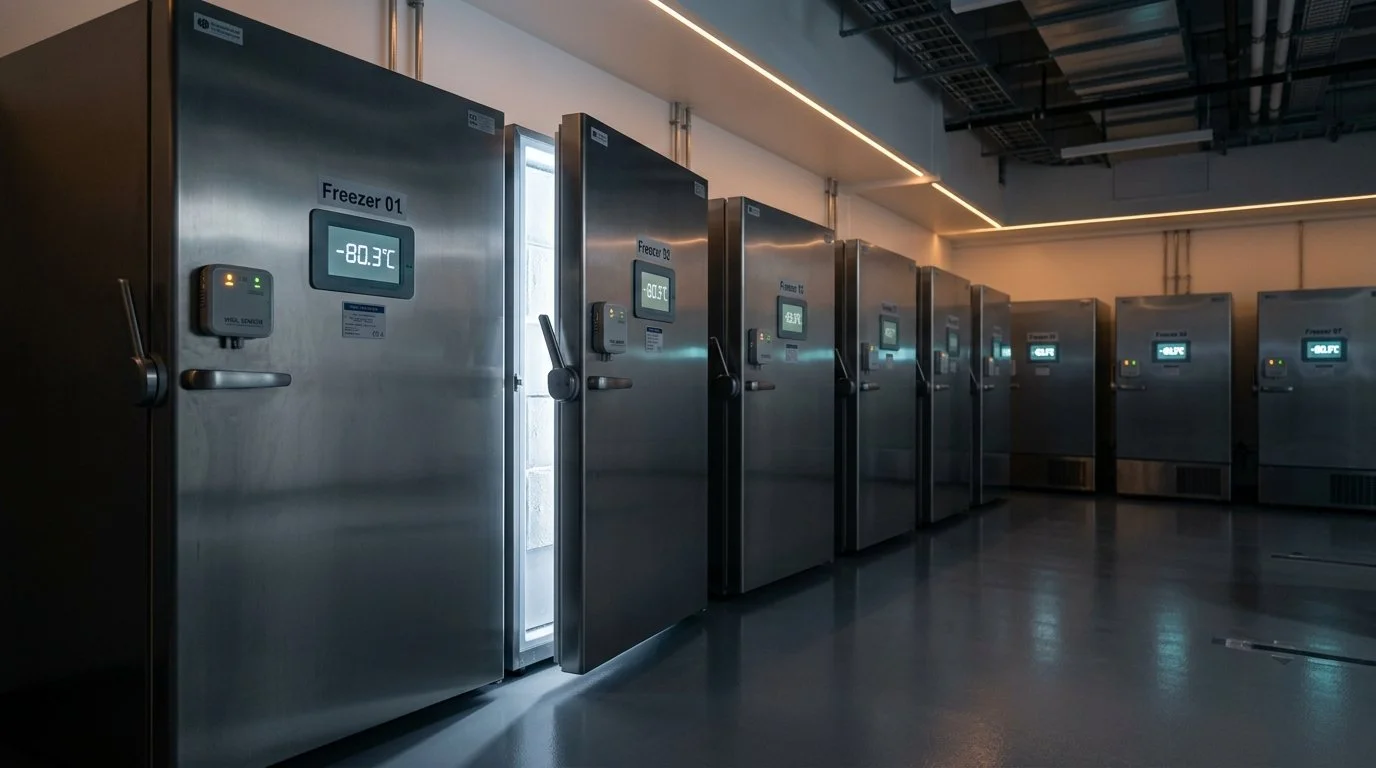
Cold Chain Monitoring: Automated Compliance for the Modern Lab
The clipboard on your freezer door is not a compliance strategy. Automated digital data logging does the same job with fewer errors, no gaps in the record, and a report that holds up to an FDA inspection
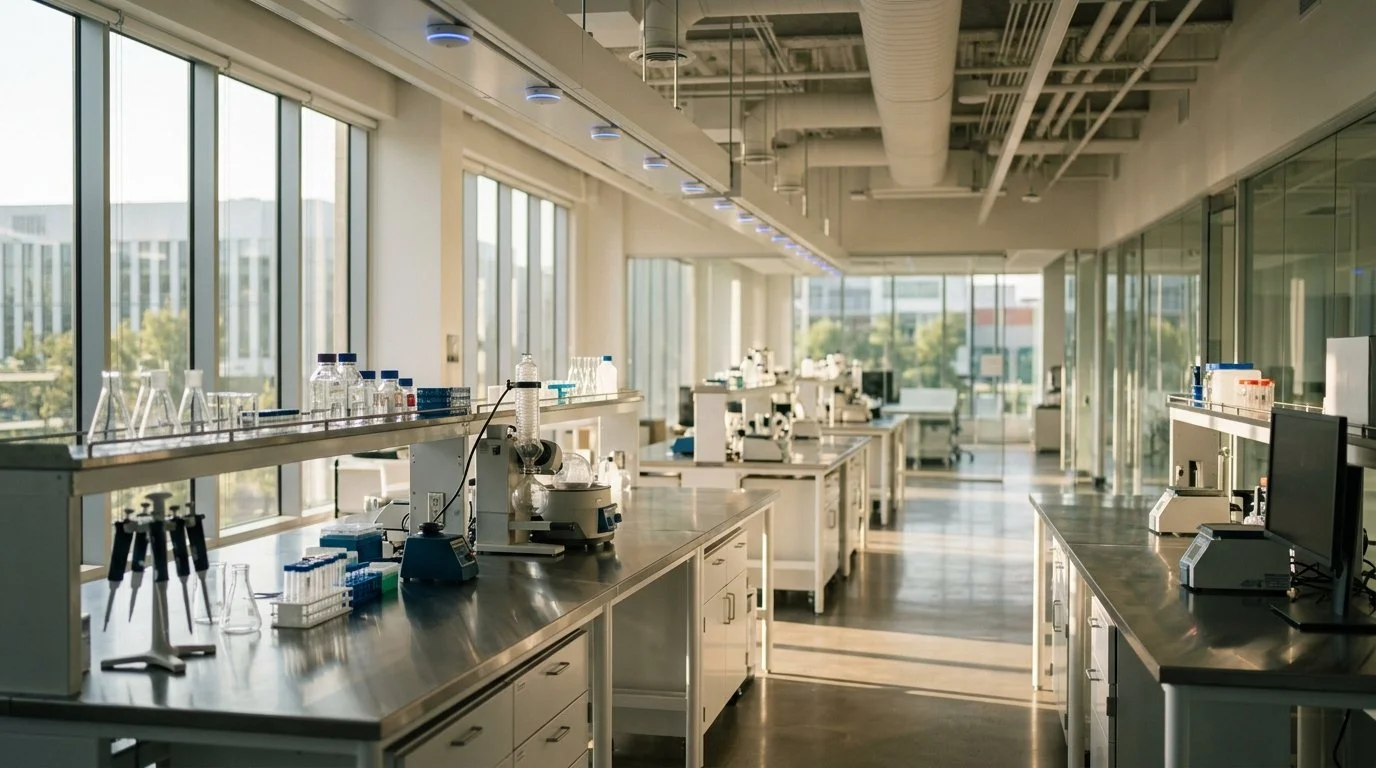
Lab Utilization Tracking: Who Is Actually Using That Bench?
Before you approve a capital project for a new lab wing, check the data. Occupancy sensors may reveal that the facility you already have is quietly sitting empty—and that the real problem is optimization, not square footage.
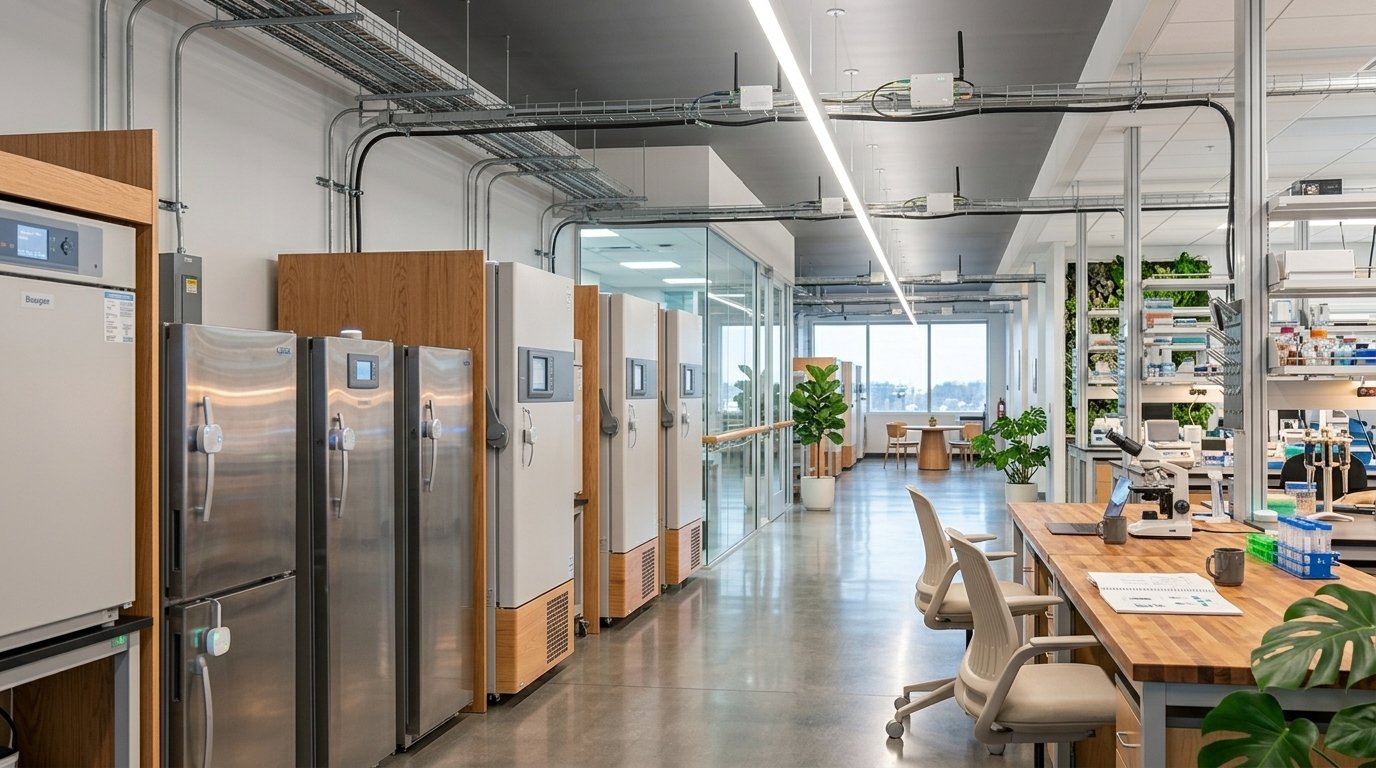
Smart Lab Sensors: The Internet of Things in Research
From freezer door alerts to real-time ambient monitoring, the connected lab is no longer a future concept—it's a design decision you make today. A guide to the IoT ecosystem for lab designers, architects, and facility managers.
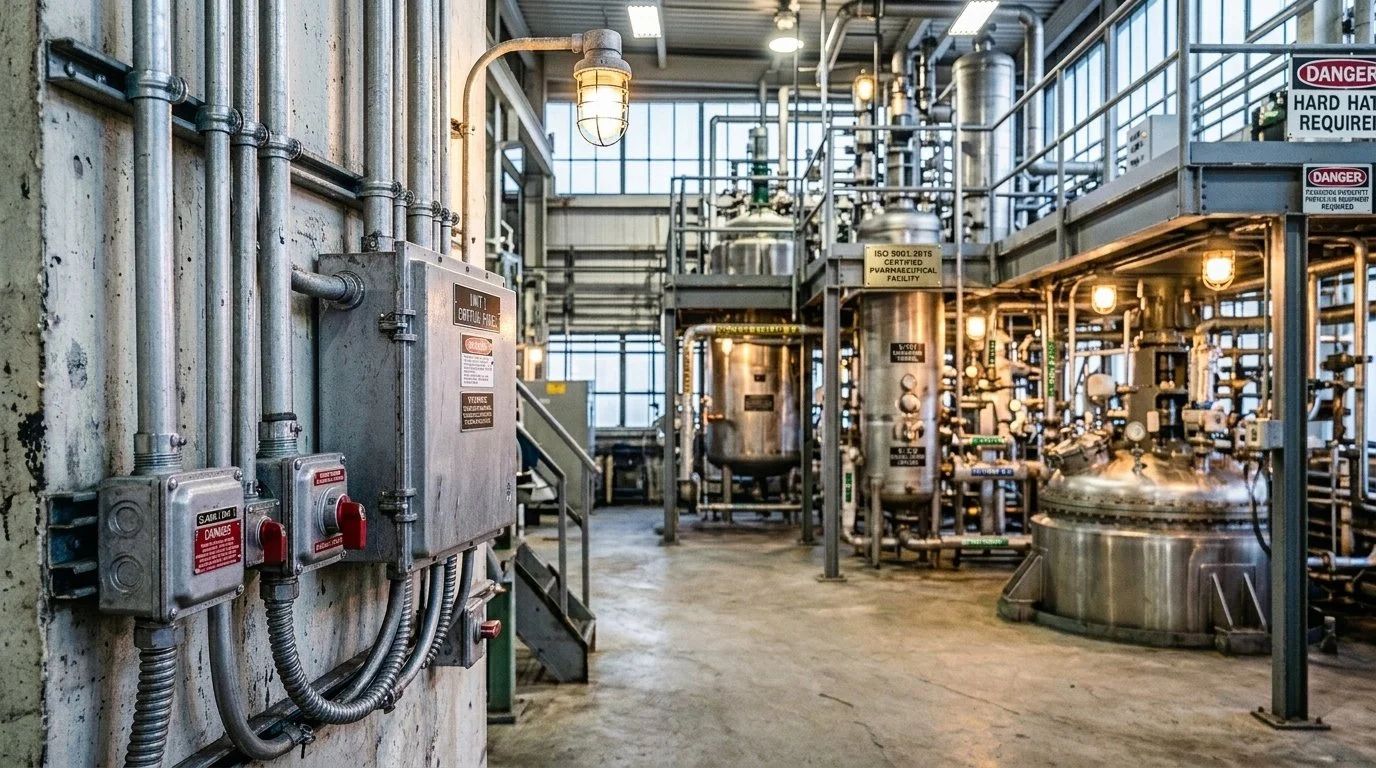
Explosion-Proof Lab Design: Electrical Classifications for Pilot Plants
When your process scales up from milliliters to gallons, a standard laboratory outlet can become a detonator. Here's what architects, engineers, and lab managers need to know about hazardous location electrical classifications before breaking ground on a pilot plant.
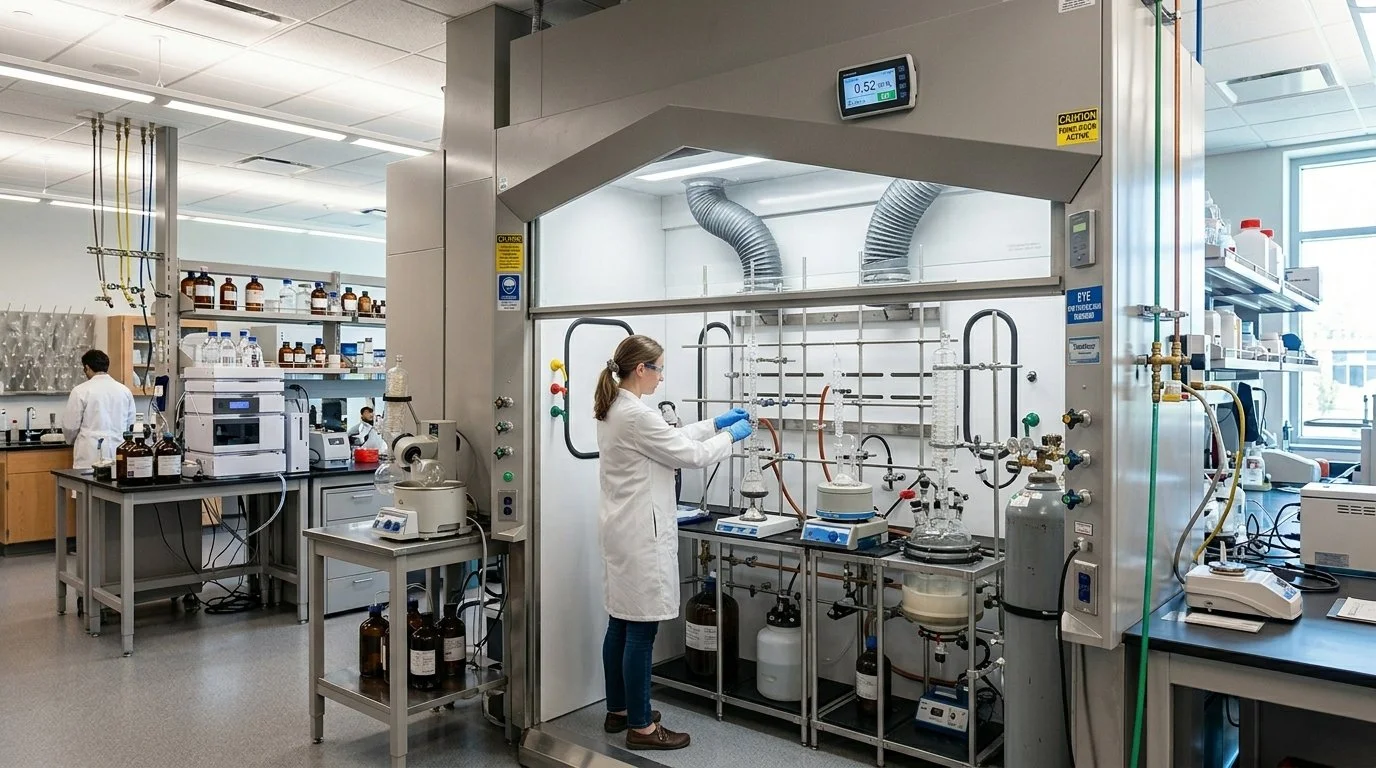
Walk-In Fume Hood Design: Distillation & Scale-Up Safety
By utilizing floor-mounted architectures, laboratory planners can safely enclose massive distillation columns and pilot-scale reactors, ensuring proper airflow dynamics while containing hazardous vapors during chemical scale-up.

Life Science Center Vienna: A Convergence Hub for AI and Biomedical Research
The €170-million Life Science Center Vienna will create a research hub near the Vienna BioCenter that integrates wet-lab life sciences and AI computing infrastructure to strengthen Vienna’s growing ecosystem for data-driven biomedical research
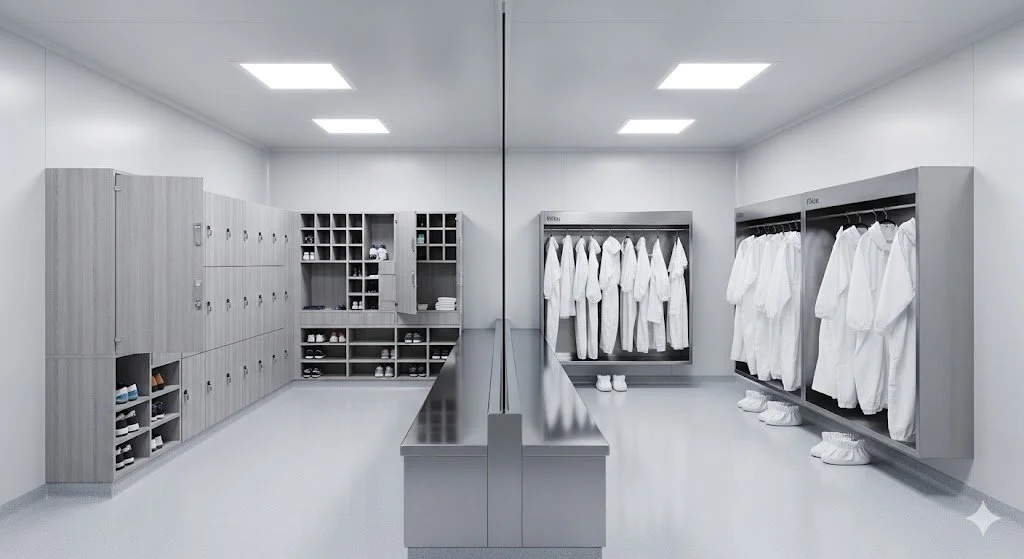
GMP vs. Non-GMP Zones: Managing Personnel Flow
By designing rigorous airlocks and unidirectional gowning rooms, architects can enforce strict personnel flow, bridging the gap between uncontrolled office environments and classified GMP manufacturing zones.

Bioreactor Facility Design: Ceiling Heights and Utility Needs
By engineering high bay lab designs with scalable overhead utility drops, facility planners can safely accommodate the immense vertical and infrastructural demands of 500L+ skid-mounted bioreactors.