
[[bpstrwcotob]]
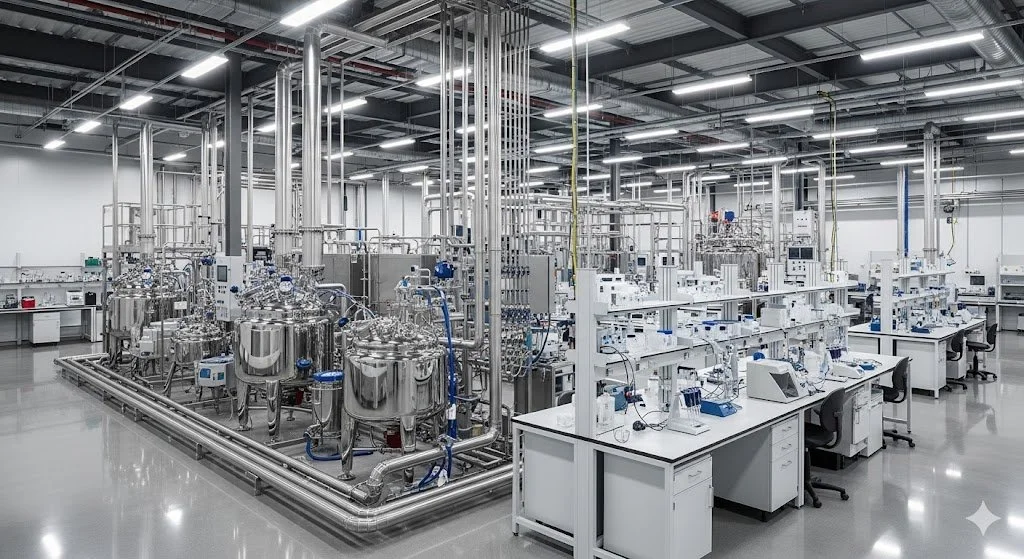
Pilot Plant Design: Bridging the Gap Between R&D and Manufacturing
By engineering flexible, hybrid spaces that accommodate both bench-scale analytics and industrial-sized equipment, facility planners can accelerate the transition from successful R&D to full-scale commercial production.
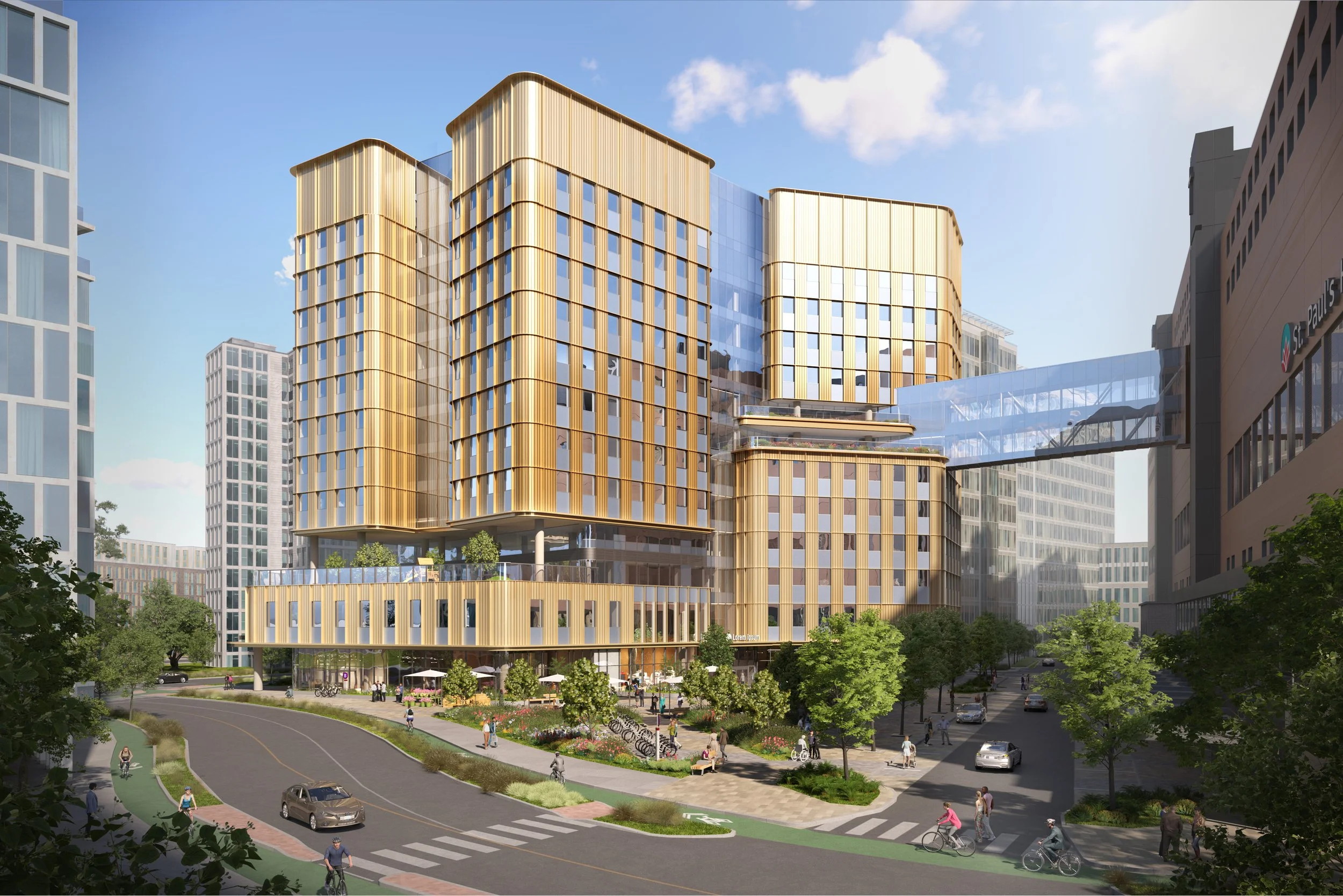
Bumping Into Breakthroughs
Tall research buildings tend to fragment collaboration, so successful “vertical campuses” must intentionally design circulation, shared spaces, and social hubs that encourage frequent cross-disciplinary encounters and conversations across floors
Watch On Demand: Expert Insights on Cleanroom Design
Lab Design’s on-demand webinar, How to Build a Cleanroom, guides viewers through the full cleanroom lifecycle, showing how to design and maintain adaptable facilities that meet evolving research, manufacturing, and regulatory needs

Lab Design Conference Speaker Profile: Chen Qin
At the 2026 Lab Design Conference, DLR Group’s Chen Qin will co-lead an interactive roundtable focused on how strategic material selection and chemical transparency can improve occupant health and environmental sustainability in laboratory design

Transforming Office into Innovation: Inside Avantor’s New Jersey Center
Avantor’s new Innovation Center in Bridgewater, NJ, transforms a traditional office building into a cutting-edge, collaborative lab ecosystem—combining BSL-2 labs, cleanrooms, pilot production, and integrated office and training spaces—to accelerate next-generation biopharmaceutical and materials research
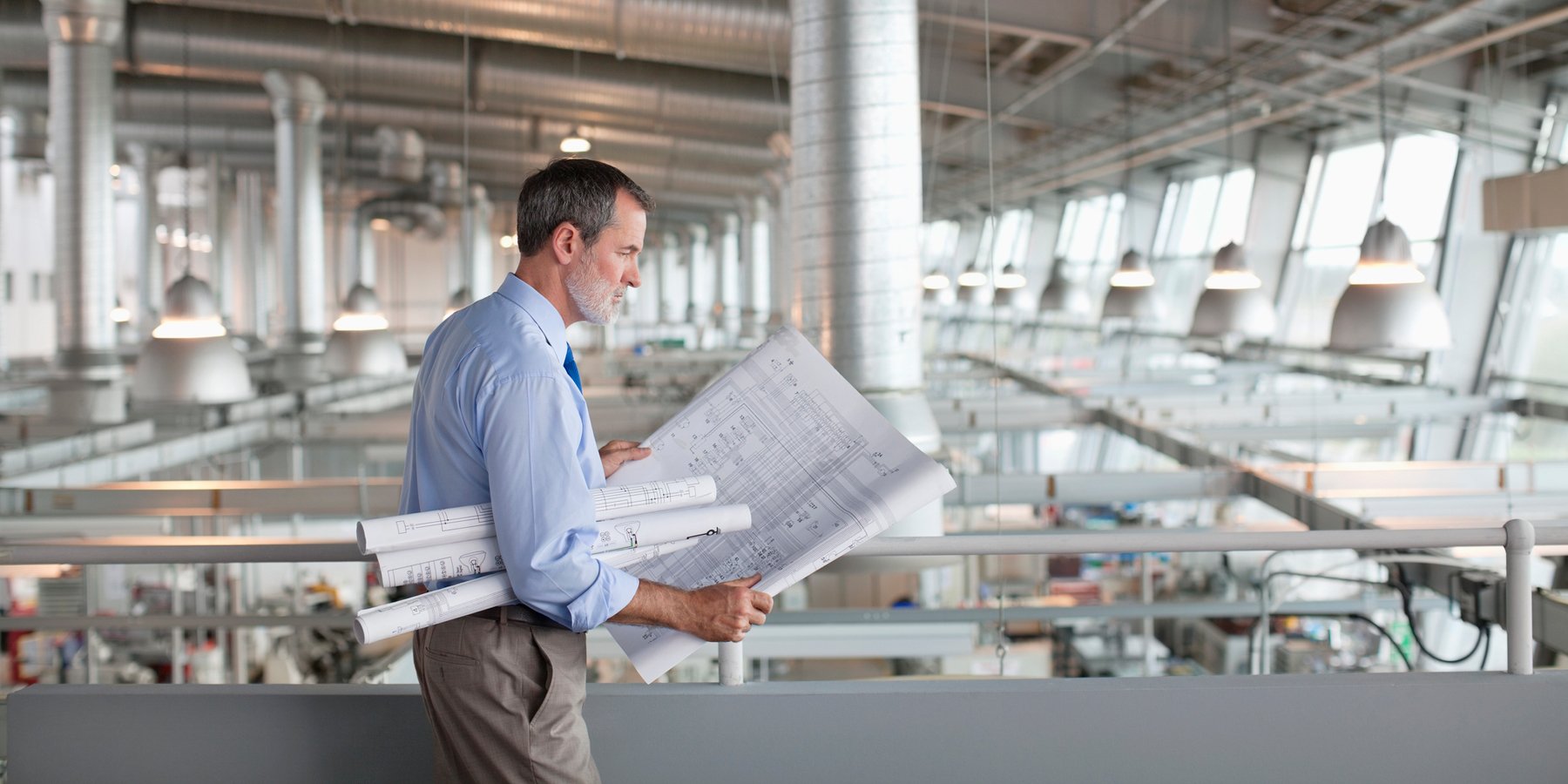
The Importance of Early Planning for Laboratory Equipment and Instrumentation
Laboratory expansions and relocations succeed only when facility planning fully accounts for the interdependence of intellectual property, people, and especially instrumentation, since overlooked equipment requirements can compromise workflows, data quality, and overall scientific productivity
Smarter Labs: AI, Compliance, and Energy in Sync
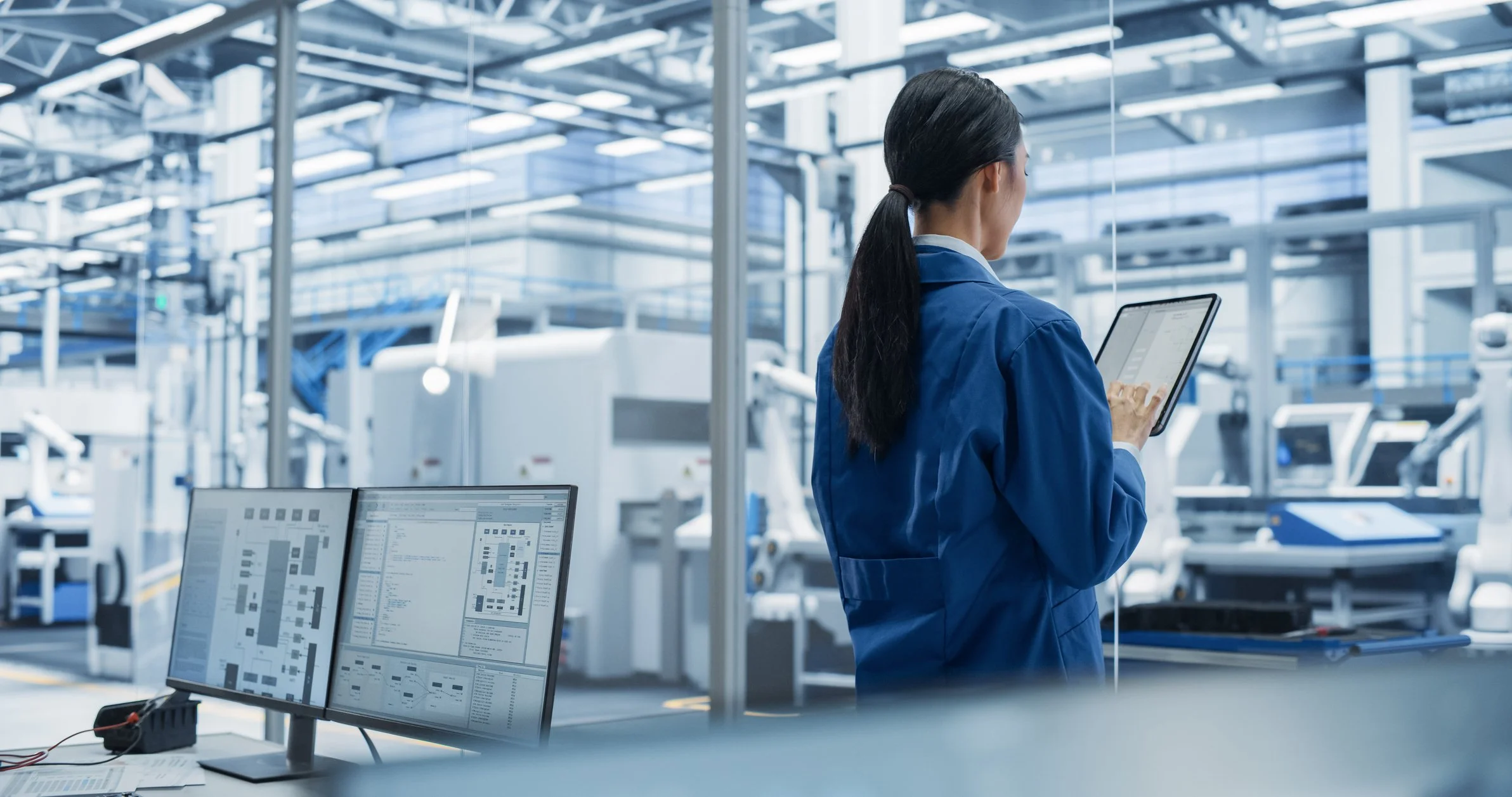
independent data layers, continuous monitoring, and AI-driven analytics are transforming laboratory facilities by improving transparency, detecting operational drift, sustaining lifecycle performance, and enabling safer, more energy-efficient, and data-informed design decisions
2026 Lab Design Conference Lab Tour Preview: Florida Polytechnic University
Attendees of the Lab Design Conference can join a guided tour to explore the Barnett Applied Research Center and the Innovation, Science and Technology Building at Florida Polytechnic University, gaining behind-the-scenes insight into two architecturally striking, high-performance facilities designed to support advanced STEM education, applied research, and industry collaboration
Where Sustainability Meets Scientific Discovery
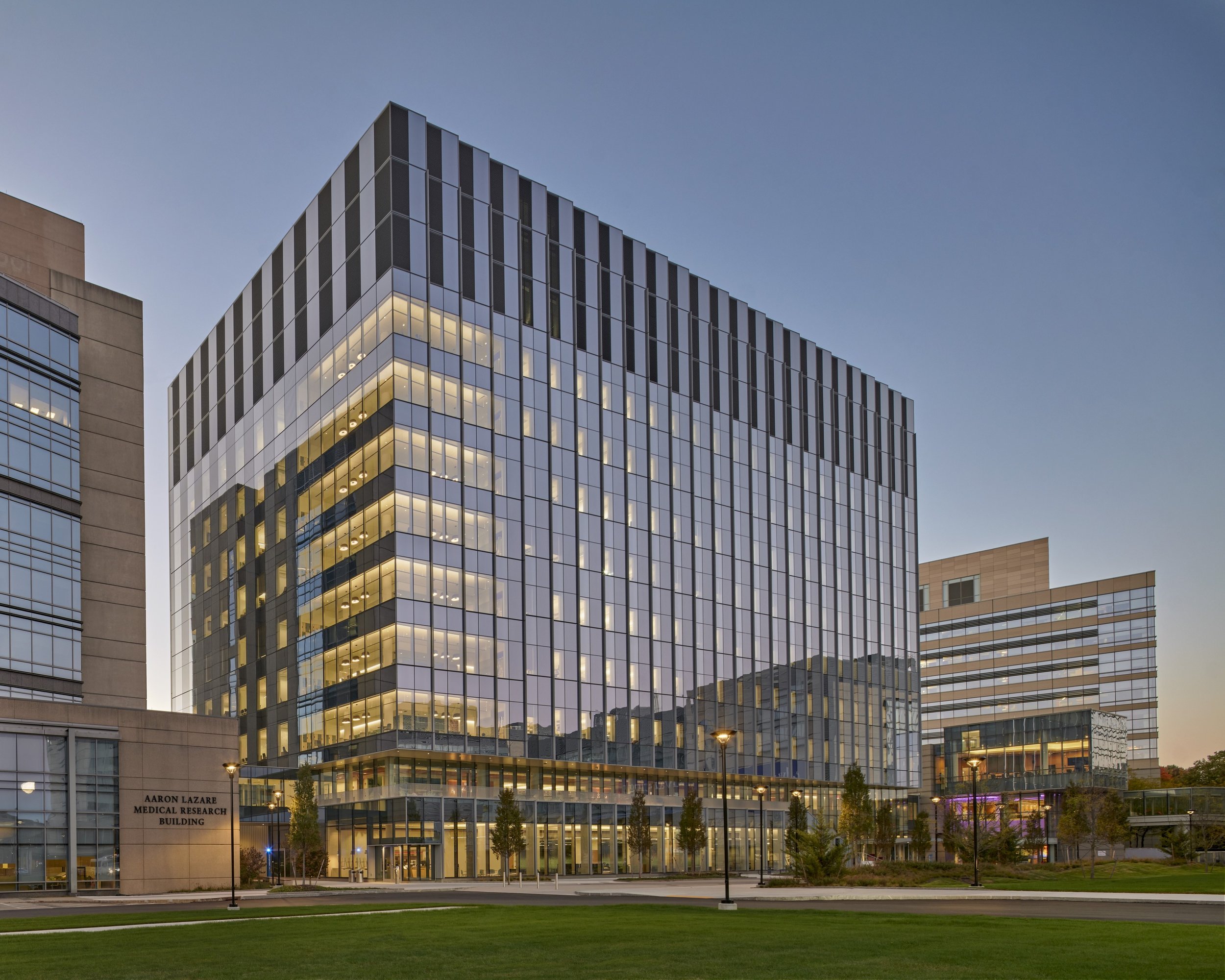
The Paul J. DiMare Center at the University of Massachusetts Chan Medical School sets a new benchmark for sustainable, flexible laboratory design, supporting more than 70 research teams while demonstrating strategies for integrating high-performance systems and adaptable infrastructure within a dense campus environment
Peer Review as Risk Management in Lab Renovations
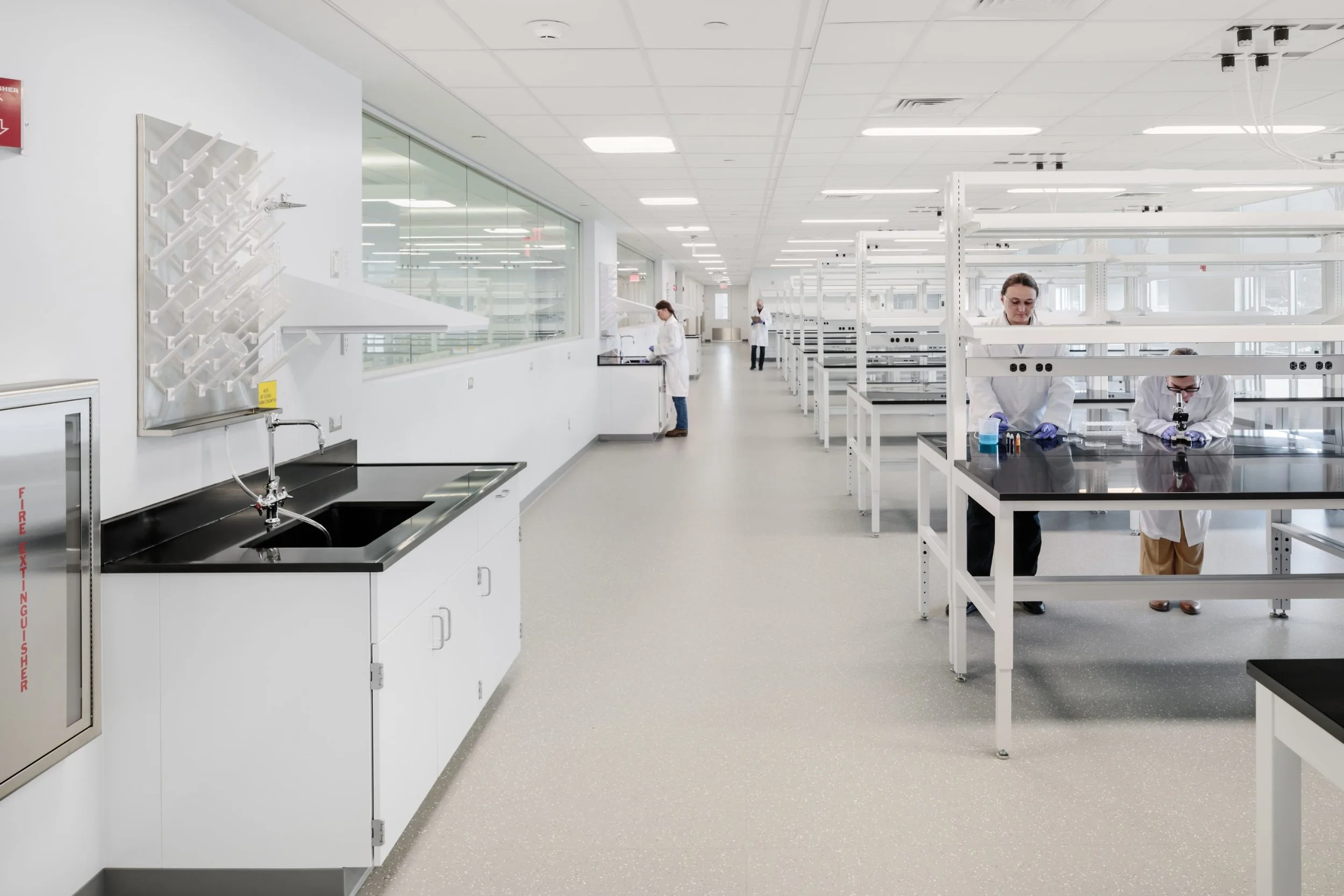
Peer review serves as a structured risk management tool in laboratory renovations—especially in aging buildings—by objectively evaluating infrastructure, safety, and design decisions early, helping teams identify hidden gaps, prevent costly changes, maintain alignment with owner goals, and ensure flexible, high-performing facilities