
Explore Real Labs at the 2026 Lab Design Conference
On May 14, 2026, attendees of the Lab Design Conference in Orlando will have a rare opportunity to step beyond presentations and into real, working laboratory environments.
These exclusive lab tours—available only as add-ons to a standard conference registration—offer a deeper, more practical perspective on how facilities actually function day to day.
With limited capacity and strong demand expected, these tours are designed for those who want to go beyond theory and see how design decisions perform in the real world. Spots for these tours are limited, so be sure to register soon to secure your place!
Participants can tailor their experience by selecting from two morning tours and one afternoon option. Attendees may choose either the Siemens Energy Orlando Innovation Campus or Florida Polytechnic University for the morning session, followed by the afternoon tour of the Iron Bridge Regional Water Reclamation Facility. This flexible format allows participants to visit up to two distinct facilities in a single day.
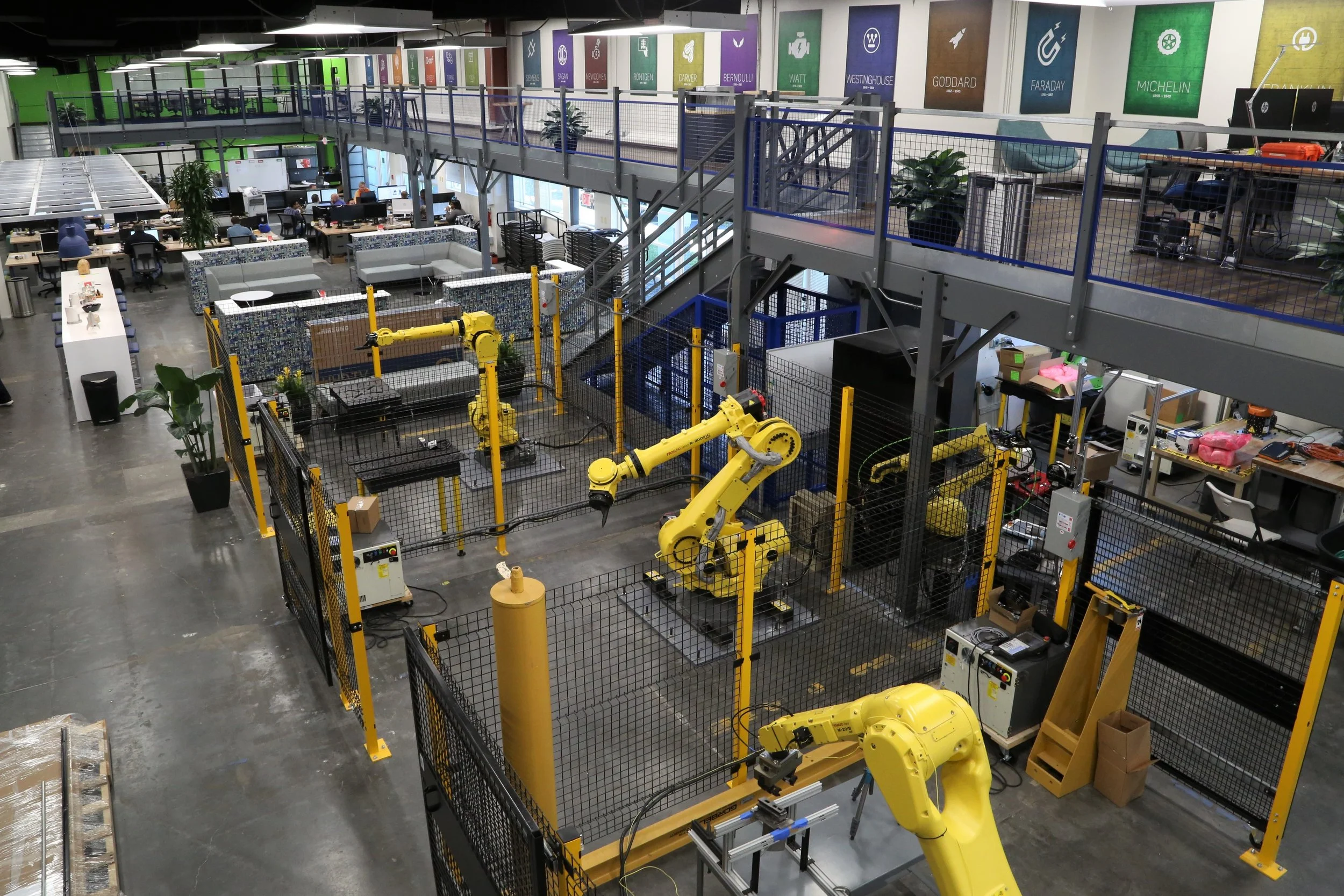
The Siemens Energy Orlando Innovation Campus brings engineering, technology, and design together under one roof to accelerate innovation, collaboration, and real-world problem-solving. Image: Courtesy of Siemens Energy
Each site represents a different sector—industrial R&D, academic research, and municipal environmental testing—offering a well-rounded view of how laboratory design adapts to varying needs, constraints, and goals.
Why seeing labs in action matters
For lab managers, end users, architects, and design/build professionals, there is no substitute for experiencing a facility firsthand. Drawings and case studies can illustrate intent, but they rarely capture how spaces actually perform under real conditions.
Walking through a lab reveals critical details: how teams move through the space, how equipment is positioned and used, where bottlenecks occur, and how collaboration unfolds organically. These observations can inform smarter decisions around layout, infrastructure, and workflow—insights that are difficult to gain any other way.
Each tour highlights a different aspect of high-performance lab design.
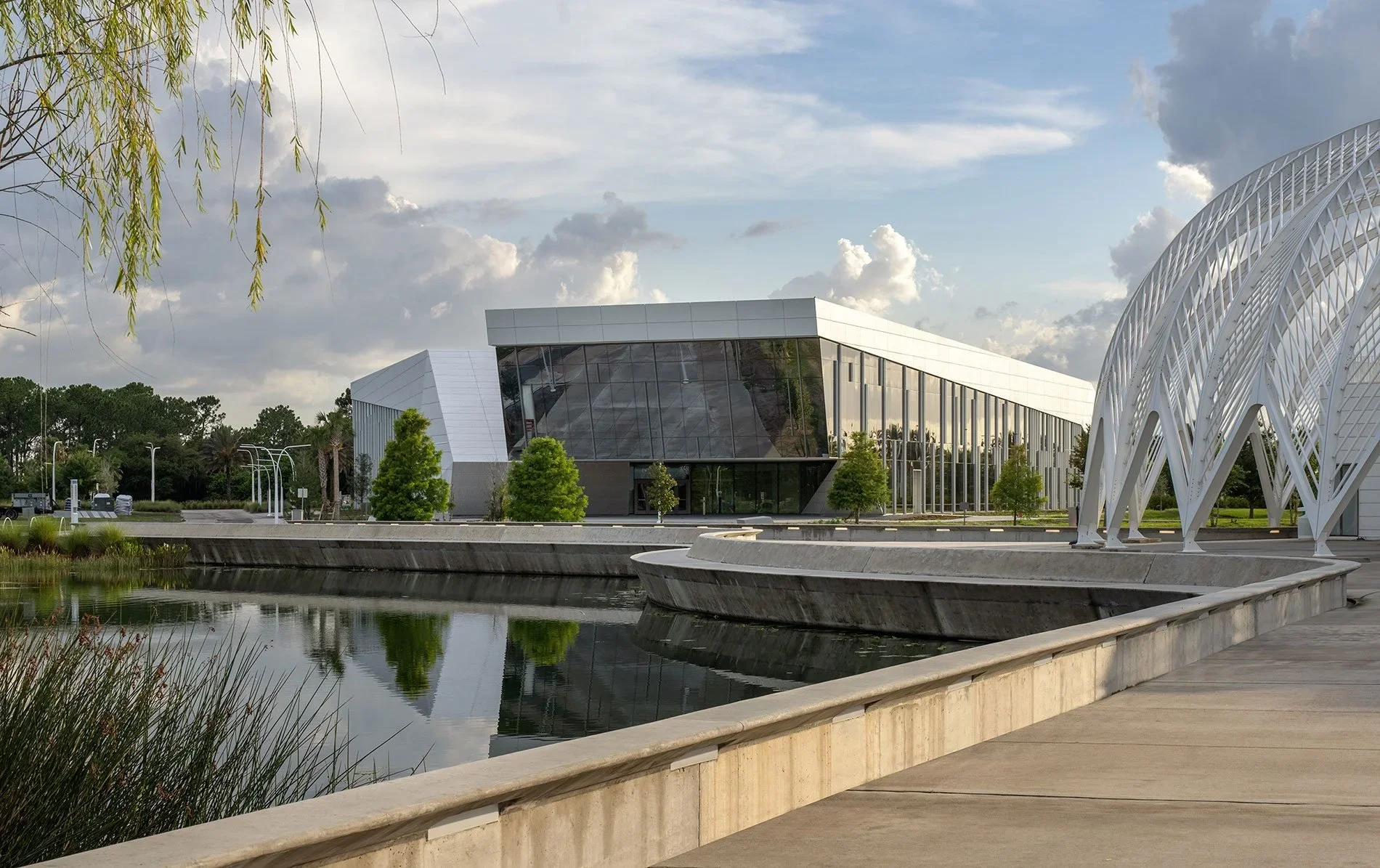
At Florida Polytechnic University, the Barnett Applied Research Center and iconic IST Building create a light-filled, future-ready hub where flexible labs, bold design, and collaboration drive innovation and STEM discovery. Image: Courtesy of HOK
At the Siemens Energy Orlando Innovation Campus, attendees will see how a multidisciplinary engineering environment integrates research, prototyping, and testing into a single, collaborative ecosystem. The facility demonstrates how open layouts, shared tools, and advanced technologies can accelerate innovation and foster cross-functional teamwork.
Meanwhile, the Florida Polytechnic University tour explores two architecturally distinct yet complementary facilities that emphasize flexibility and long-term adaptability. From modular lab planning to daylight-driven design, the campus illustrates how thoughtful architecture and infrastructure can support evolving research needs while enhancing user experience.
The Iron Bridge Regional Water Reclamation Facility offers a different kind of lesson—one grounded in longevity and operational efficiency. This compact municipal lab shows how decades of incremental changes can optimize workflow, improve productivity, and extend the life of an existing facility. For those involved in renovations or upgrades, it provides a practical roadmap for continuous improvement.
Valuable insights for all those in the design/build field
One of the most rewarding aspects of these tours is the opportunity to hear directly from the people who design, manage, and operate the spaces. Attendees will gain insight into the decision-making processes behind each facility, from initial planning through ongoing adjustments.
These firsthand perspectives help translate design concepts into real-world outcomes. Why was a layout chosen? How has it evolved? What lessons were learned after occupancy? These are the kinds of questions that can only be answered on-site—and they often lead to the most meaningful takeaways.
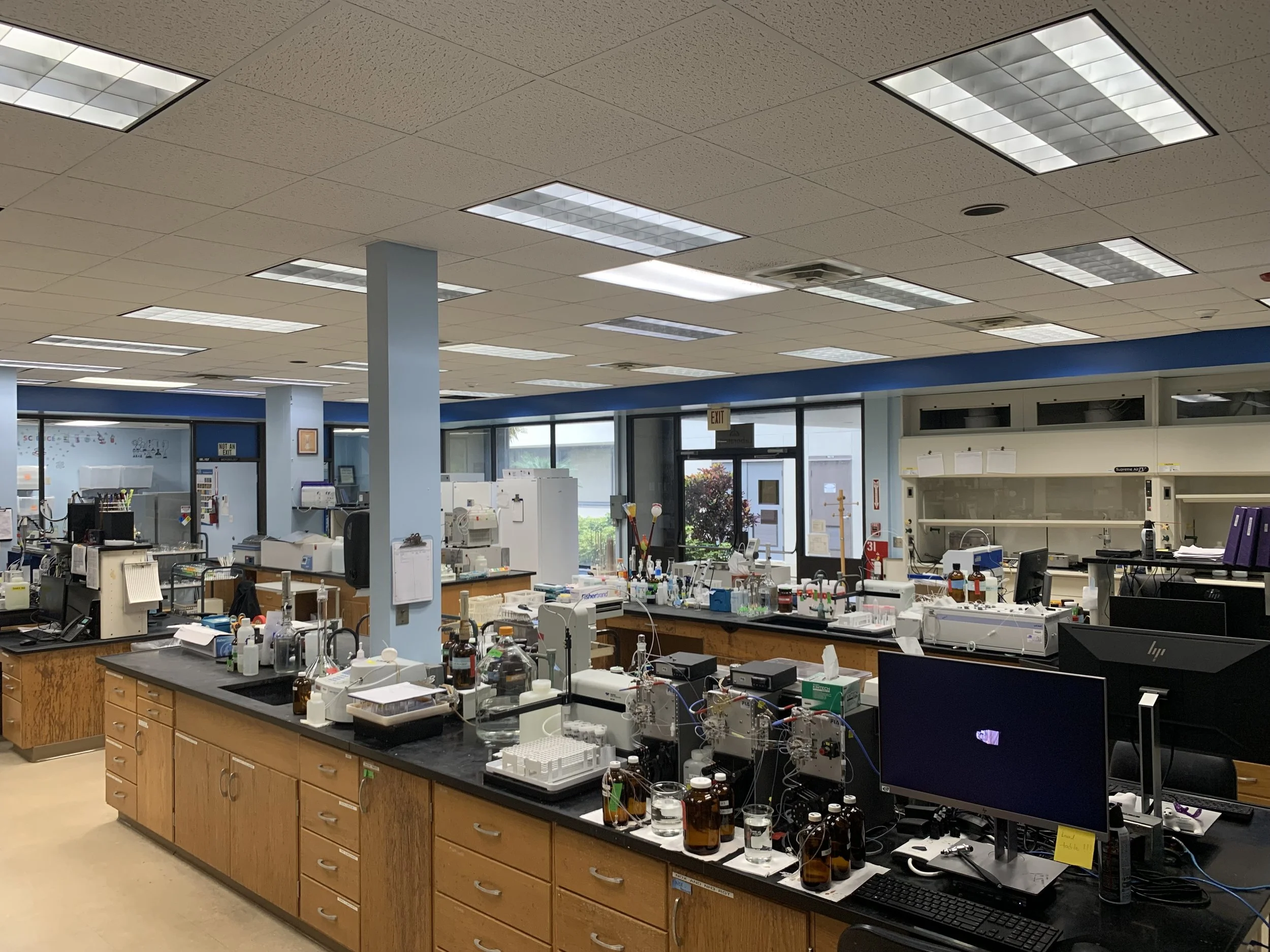
The Iron Bridge Regional Water Reclamation Facility houses a high-performing environmental lab that delivers rapid, data-driven testing to safeguard Orlando’s water systems while continuously evolving to meet modern demands. Image: Courtesy of Iron Bridge Regional Water Reclamation Facility
The benefits of these tours extend across the entire lab design ecosystem. Architects and planners can validate strategies and gather ideas for future projects. Lab managers and end users can benchmark their own facilities and identify opportunities for improvement. Equipment and furniture suppliers can better understand how products function in real environments, informing more effective solutions.
Even seasoned professionals often find that seeing a working lab sparks new ideas—whether it’s a small workflow adjustment or a major design strategy.
Reserve your spot soon
Because lab tour tickets must be purchased in addition to regular conference registration—and space is limited—early planning is key. Register now to secure your spot.
For anyone involved in the planning, design, construction, or operation of laboratory environments, the lab tours at the 2026 Lab Design Conference offer something truly valuable: the chance to see design in action, learn from real-world applications, and return with insights that can immediately inform future projects.