
[[bpstrwcotob]]

The Question Your Lab Design Kickoff Is Missing
More client input doesn’t necessarily lead to better lab design—an operational gatekeeper can help design teams get the right information, from the right people, at the right time, before critical decisions are locked in

Harris-Stowe State University Breaks Ground on Flexible STEM Center
Harris-Stowe State University’s new $62 million STEM Center will combine flexible laboratories, research spaces, classrooms, and collaborative environments designed to support current programs and future workforce needs
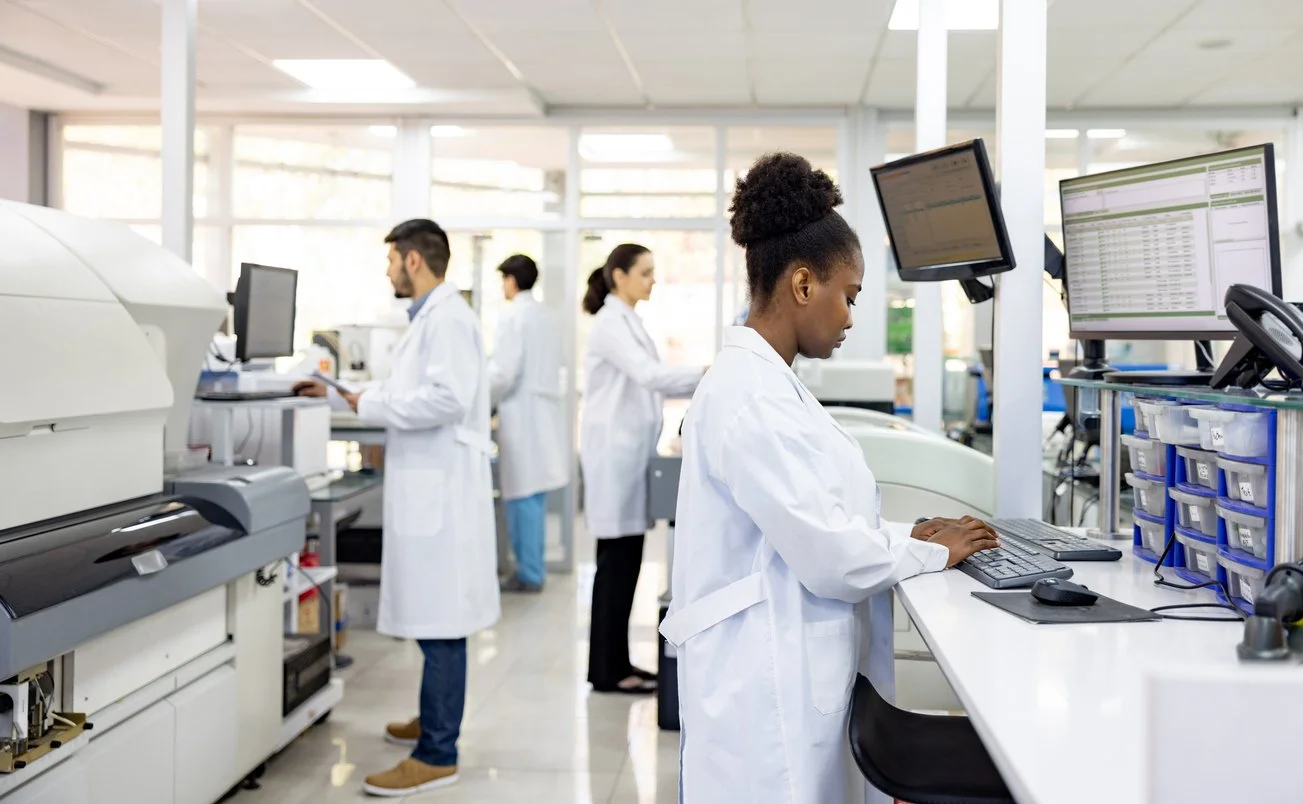
Lab Planning with Operations in Mind
Successful laboratory planning goes beyond square footage and equipment counts by incorporating operational workflows, maintenance needs, and user input early in the design process to create spaces that support efficient, compliant, and intuitive day-to-day laboratory operations
Creating the Lab of the Future for Advanced Manufacturing
Adam Denmark’s 2026 Lab Design Conference presentation highlighted how ASU’s ISTB 12 uses flexible infrastructure, interdisciplinary planning, and industry partnerships to create a next-generation manufacturing research ecosystem
Why Lab Users Belong at the Lab Design Conference
The 2027 Lab Design Conference is seeking practical, non-commercial presentations from lab users, facility stakeholders, and project teams willing to share honest lessons learned—and attendees will gain valuable insights to help guide their own laboratory projects
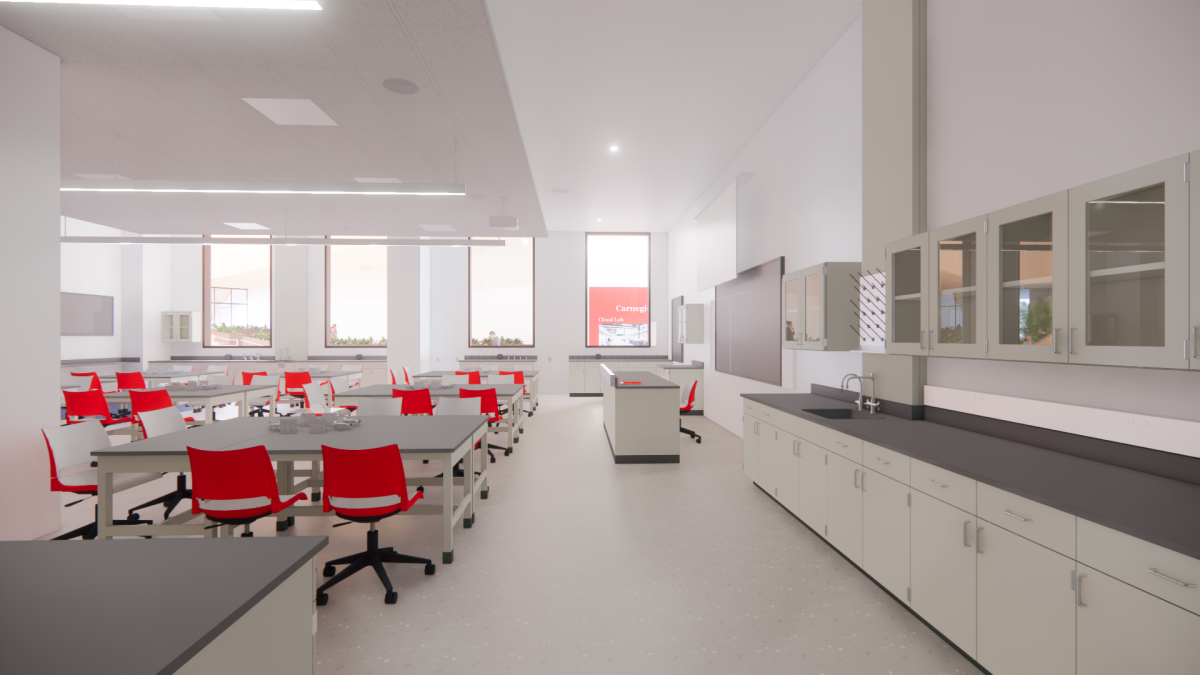
Lab Users Shape Carnegie Mellon’s New Labs
By involving teaching faculty and laboratory users throughout planning, Carnegie Mellon transformed years of experience in outdated spaces into a new learning environment designed around student workflows, collaboration, and flexibility
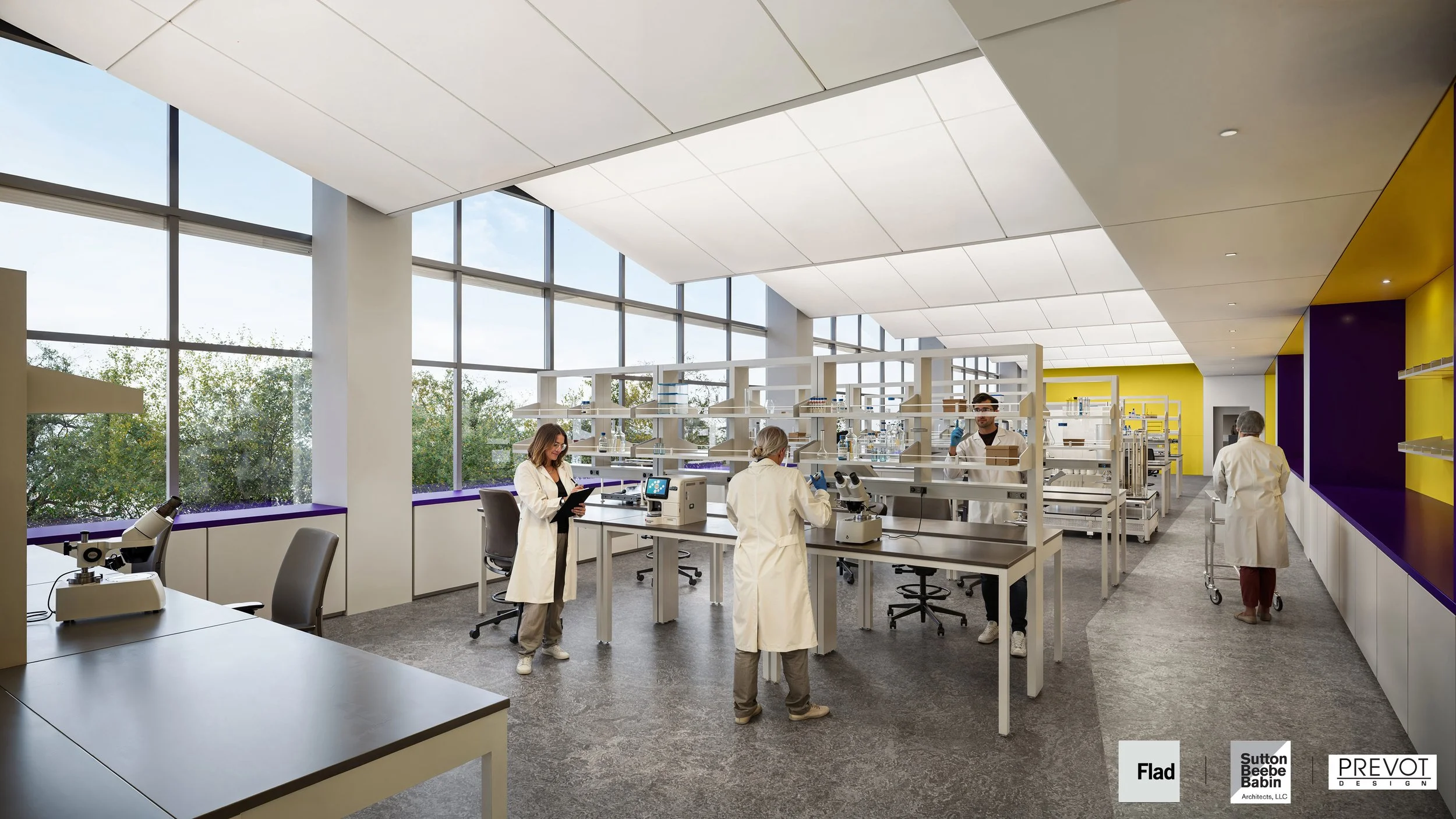
Stakeholder-Driven Planning Transforms Former Sears into Research Hub
LSU Health Shreveport is engaging researchers early in the planning process as it transforms a former Sears building into 181,000 sf of flexible research space
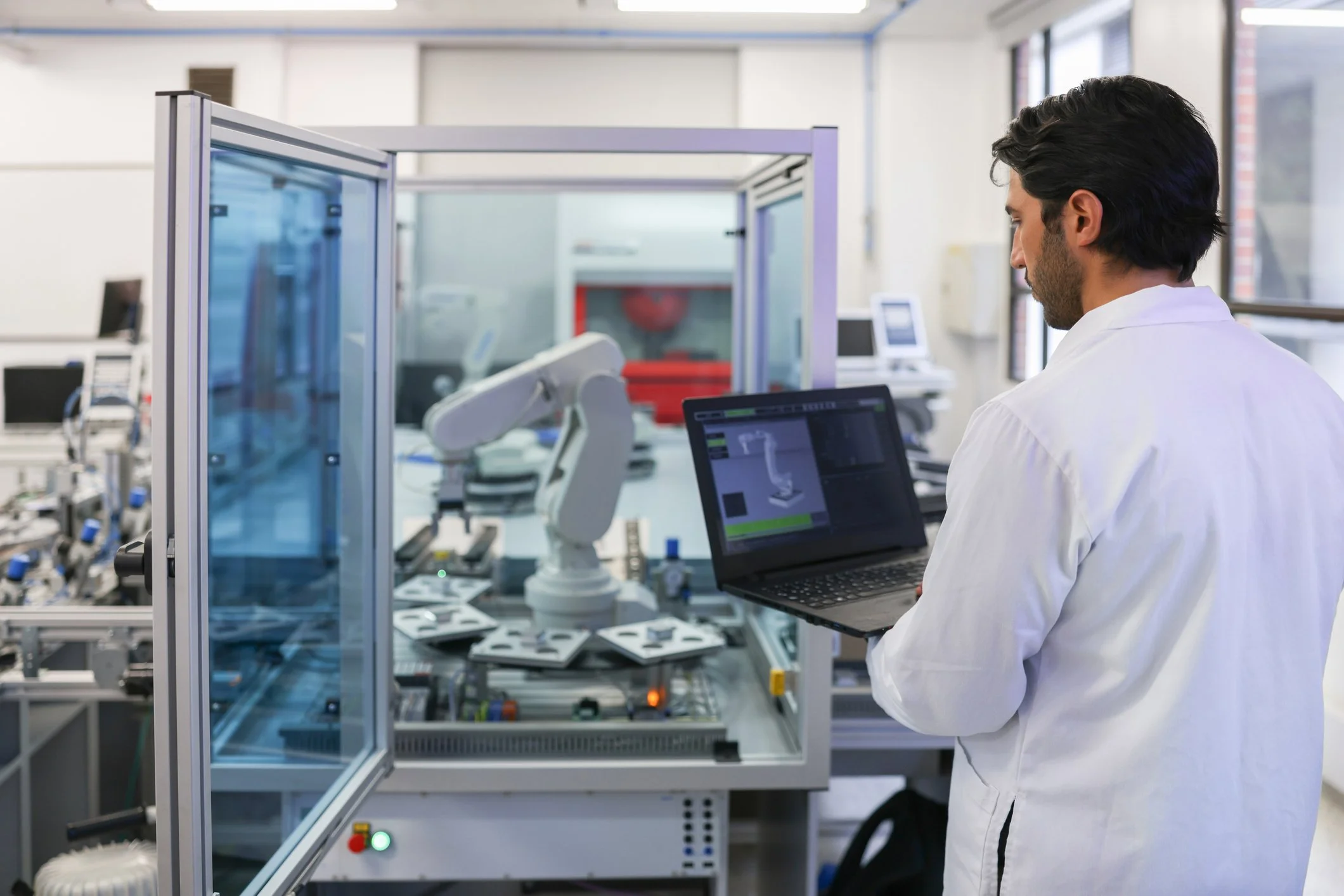
What Robotics-Driven Research Means for Future Laboratory Spaces
Autonomous labs are moving research beyond traditional workflows, requiring new approaches to flexibility, infrastructure, and collaboration. Learn how robotics, AI, and automation are influencing the design of next-generation laboratory environments
From 'No, We Can't Put It on a Barge' to a Better Blood Bank: Lessons from a Landlocked Lab Renovation
During the 2026 Lab Design Conference, Baptist Health System lab staff shared how rethinking workflows, engaging end users, and embracing flexibility helped transform a decades-old blood bank laboratory into a modern, future-ready facility

The Conversations That Make or Break a Research Building
Early planning and design decisions shape the long-term success of research buildings, making clear communication and stakeholder input essential to creating laboratories that perform for decades