
[[bpstrwcotob]]
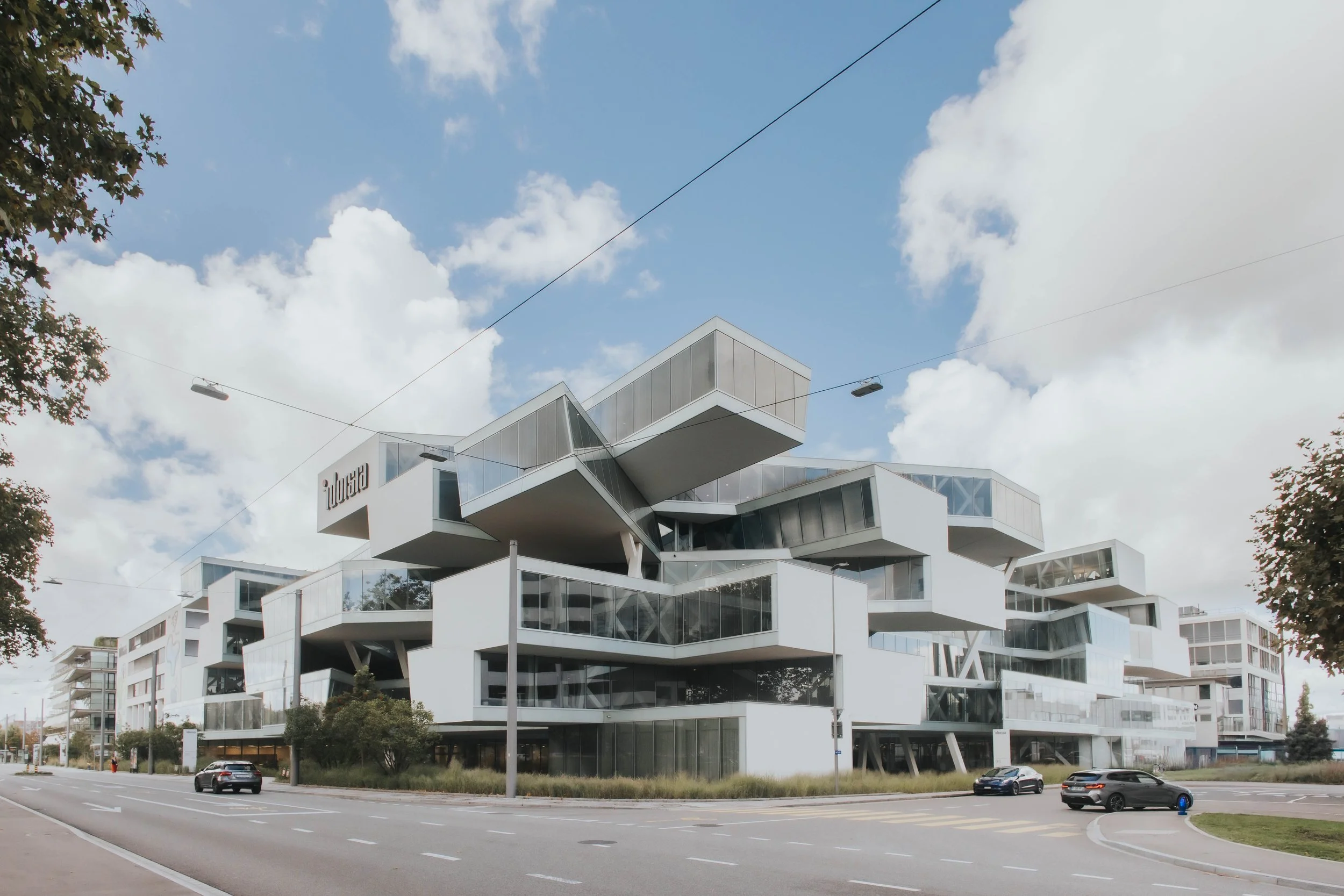
Why Biotech Startups Are Rethinking Lab Location
As biotech startups look beyond funding, site selection is increasingly driven by access to talent, laboratory infrastructure, and innovation ecosystems that can support growth from discovery through commercialization

Designing Life Sciences Real Estate for Growth and Talent
As life sciences companies evolve and competition for talent intensifies, developers are rethinking laboratory campuses with adaptable infrastructure, faster occupancy, and employee-focused environments

What the Life Sciences Market Means for Your Next Lab
In a rapidly evolving life sciences market, designing for change may be the most important investment a lab owner can make

Professional Profile: Mark Seliskar
Lab Design News spoke to Mark Seliskar, head of life sciences operations in Canada at JLL, about how his career in life sciences facilities management has shaped his approach to multi-tenant operations, the importance of designing flexible, expansion-ready laboratory spaces, and the growing role of AI-enabled capabilities in future facility partnerships
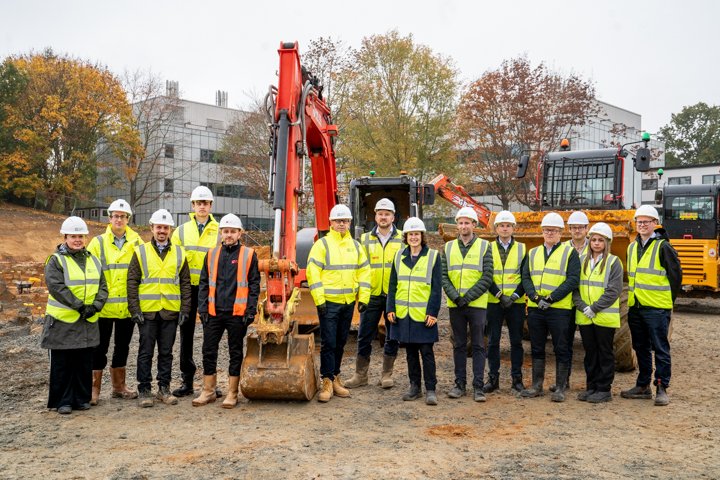
A Major First Step in a Decade-Long Vision
Construction has begun on Project GB1 at Norwich Research Park in the UK, a flexible 63,000-sf lab and office building marking the start of a £200+ million, 10-year expansion to support growth in agri-food, health, and environmental sciences
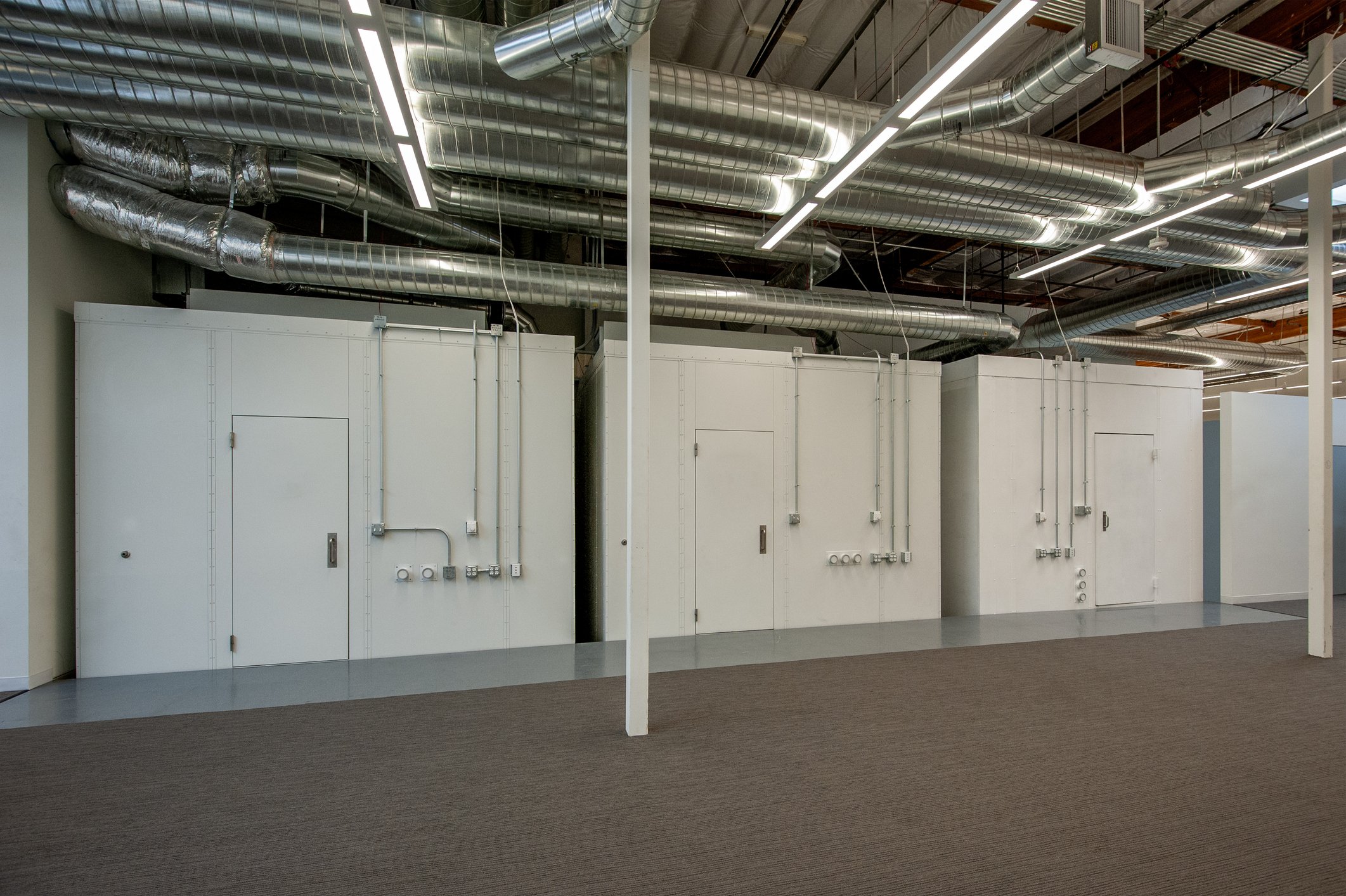
Understanding Key Cost Drivers for Lab Construction Projects in 2026 and Beyond
Lab construction costs are driven largely by complex MEP systems, specialized design and equipment, regulatory and sustainability requirements, and location factors, with prices expected to continue rising due to material costs and trade policies
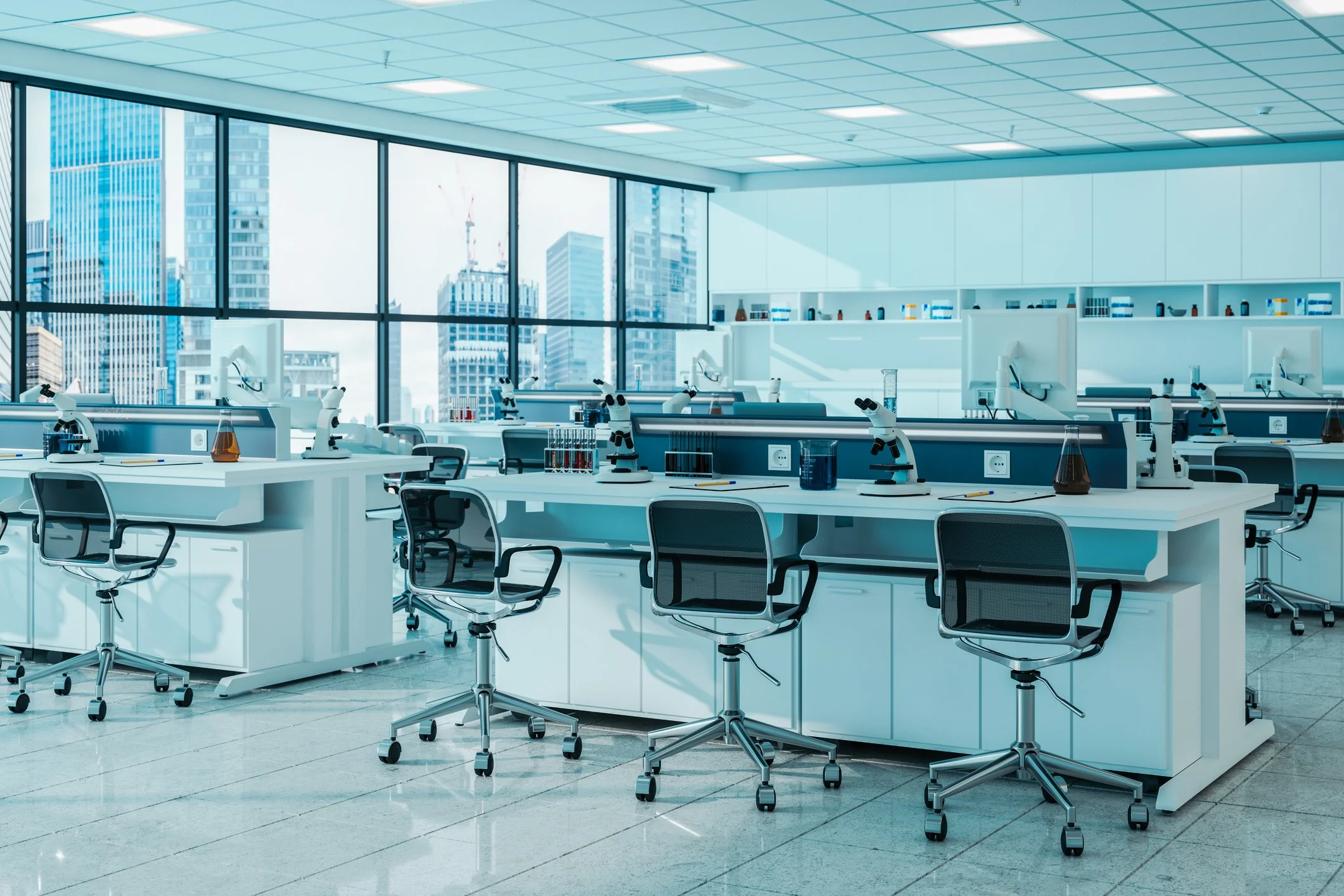
Why Reuse Is Becoming a Strategic Choice
Amid tighter funding and heightened scrutiny of capital spending, life sciences organizations are increasingly treating lab reuse not as a compromise but as a strategic way to preserve cash, accelerate timelines, and keep investment focused on science rather than real estate
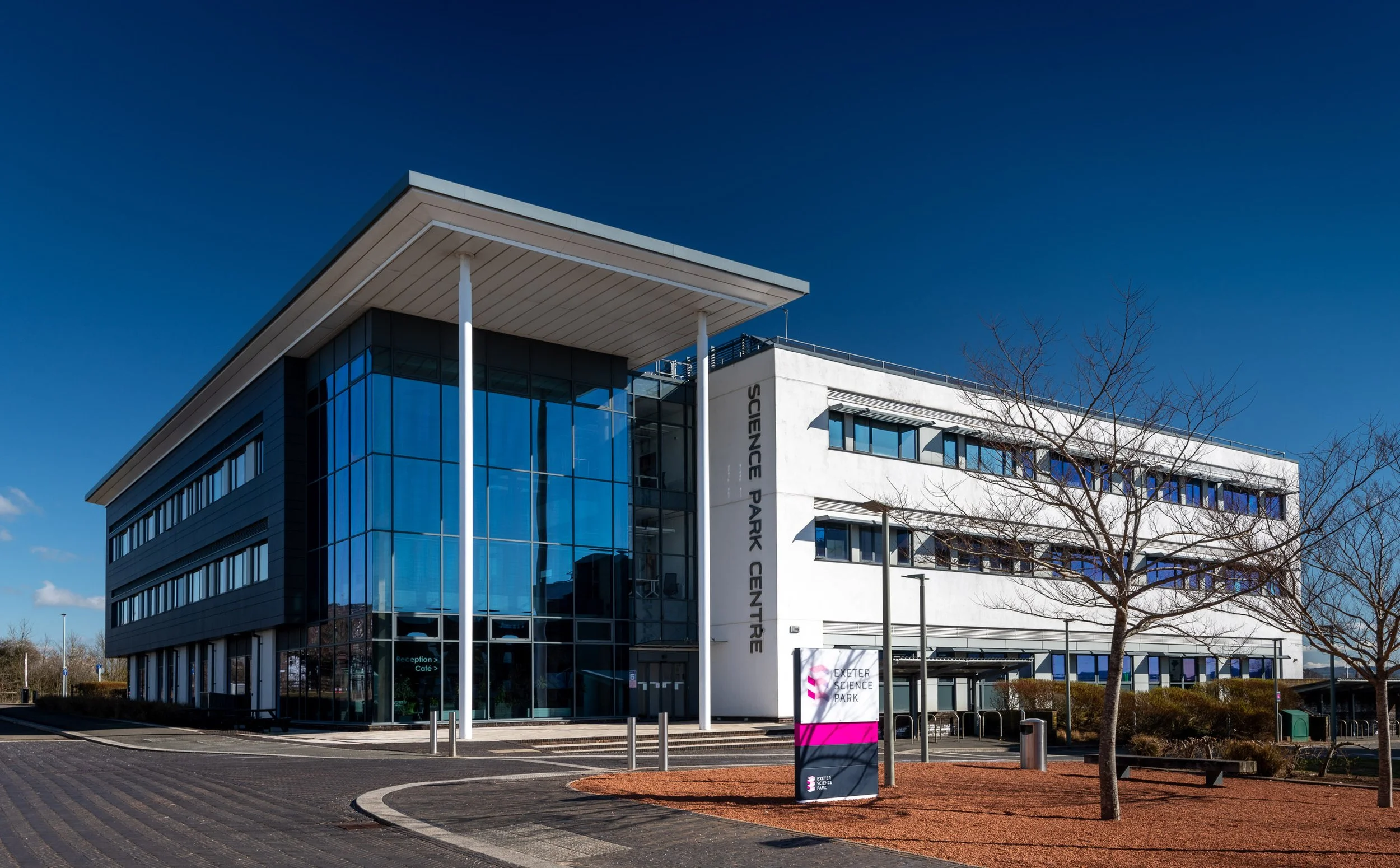
How One Biotech Start-up Approached Its First Laboratory
The design and location of HyphaPRO’s first laboratory reveal how start-up biotech companies prioritize adaptability, containment, and community support in their earliest facility plans

Life Sciences Real Estate: Adjusting to a More Disciplined Market
After a period of rapid expansion and correction, the US life sciences real estate market is beginning to stabilize in a tenant-favored environment, with recovery led by major biotech hubs and demand increasingly concentrated in high-quality, purpose-built lab spaces that meet the specific needs of established pharmaceutical companies and emerging AI-driven biotech firms
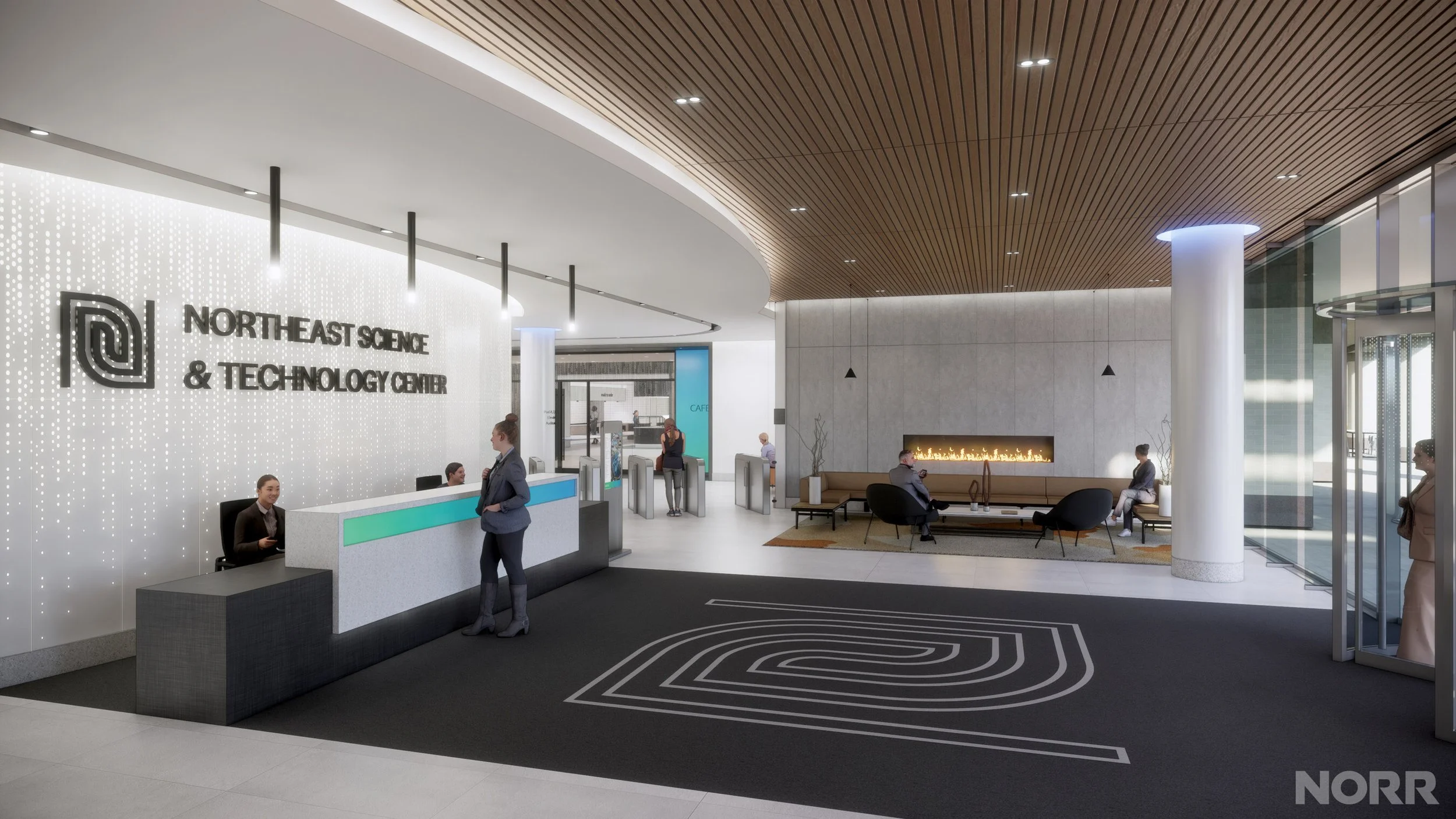
Renovation Elevates Life Science Campus Experience
The NEST Center is renovating over 75,000 sf of amenity and common space at its 15 NEST building in New Jersey to enhance collaboration and tenant experience, while partnering with a polytechnic university and other tenants to advance research, innovation, and high-spec laboratory operations