
Renovation Elevates Life Science Campus Experience
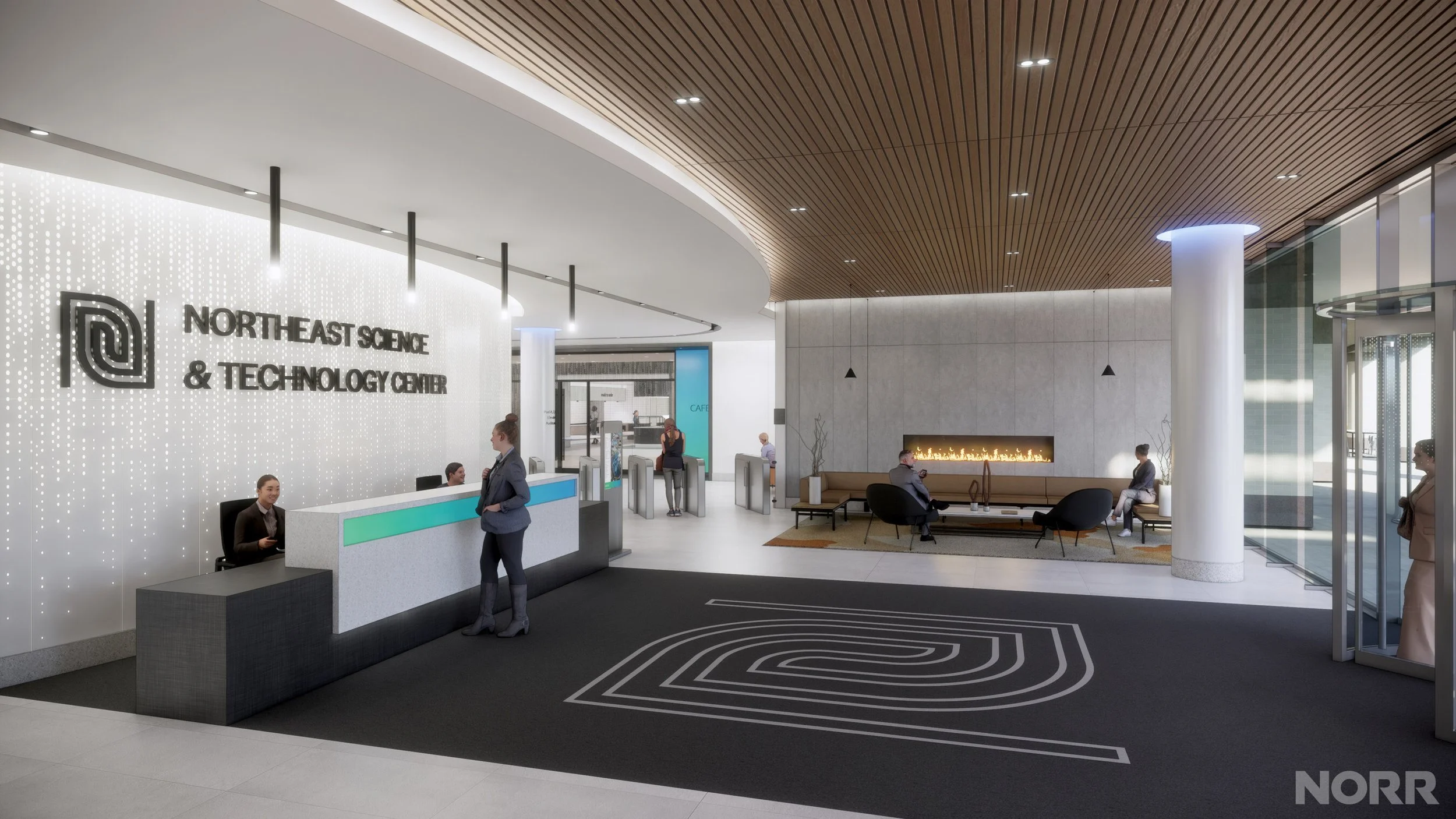
Renovations at the 15 NEST building in Kenilworth, NJ will modernize more than 75,000 square feet of amenity and common space, enhancing shared areas while complementing the campus’s existing laboratory and biomanufacturing facilities. Image: Courtesy of Northeast Science and Technology (NEST)
The Northeast Science & Technology (NEST) Center is entering a transformative phase with the renovation of more than 75,000 square feet of amenity and common space at its 15 NEST building in Kenilworth, NJ. The multi-million-dollar project is designed to foster collaboration, innovation, and a sense of community while complementing the campus’s existing high-spec laboratories and biomanufacturing spaces.
The NEST Center has named the New Jersey Institute of Technology (NJIT) as its first academic partner, launching the NJIT @ NEST Center for Translational Research. This partnership supports NJIT’s strategic goal of advancing impactful research while reinforcing New Jersey’s leadership in technology and life sciences. NJIT will occupy lab space formerly used by Merck, with CRB providing lab planning and design services. The collaboration builds on recent NEST developments, including CoreWeave’s AI co-location data center at 11 NEST and Revlon’s Science and Innovation Lab at 15 NEST. Together, these tenants strengthen NJIT’s work in machine learning, computer vision, natural language processing, and robotics, positioning the university as a leader in AI-driven innovation in higher education.
Further reading: NJIT Partners with NEST to Drive Life Science and Tech Advancements
Focus on amenities and shared spaces
The renovation prioritizes shared spaces such as the central lobby, auditorium, corridors, cafeteria, fitness center, tenant lounges, private dining areas, high-end coffee bar, outdoor glass dome conference rooms, and a spa-like mother’s suite. Phase 1, focused on the lobby and auditorium, is expected to be completed by mid-2026, while Phase 2 will address additional common spaces and conclude by the end of the year.
“The upgrades underway are focused specifically on amenities and shared common spaces, rather than on the laboratory or biomanufacturing environments themselves. However, one of 15 NEST's greatest strengths is that Merck left behind an exceptionally well-maintained and recently modernized infrastructure. Because of this, our capital project can focus on elevating the aesthetics of the common spaces, ensuring they reflect the same level of quality as the labs they support,” says Matthew Flath, senior vice president of asset management at Onyx Equities.
The goal, Flath tells Lab Design News, is to create a cohesive campus experience where the quality of shared spaces mirrors the advanced laboratory environments, enhancing the overall tenant experience.
Maintaining operational excellence
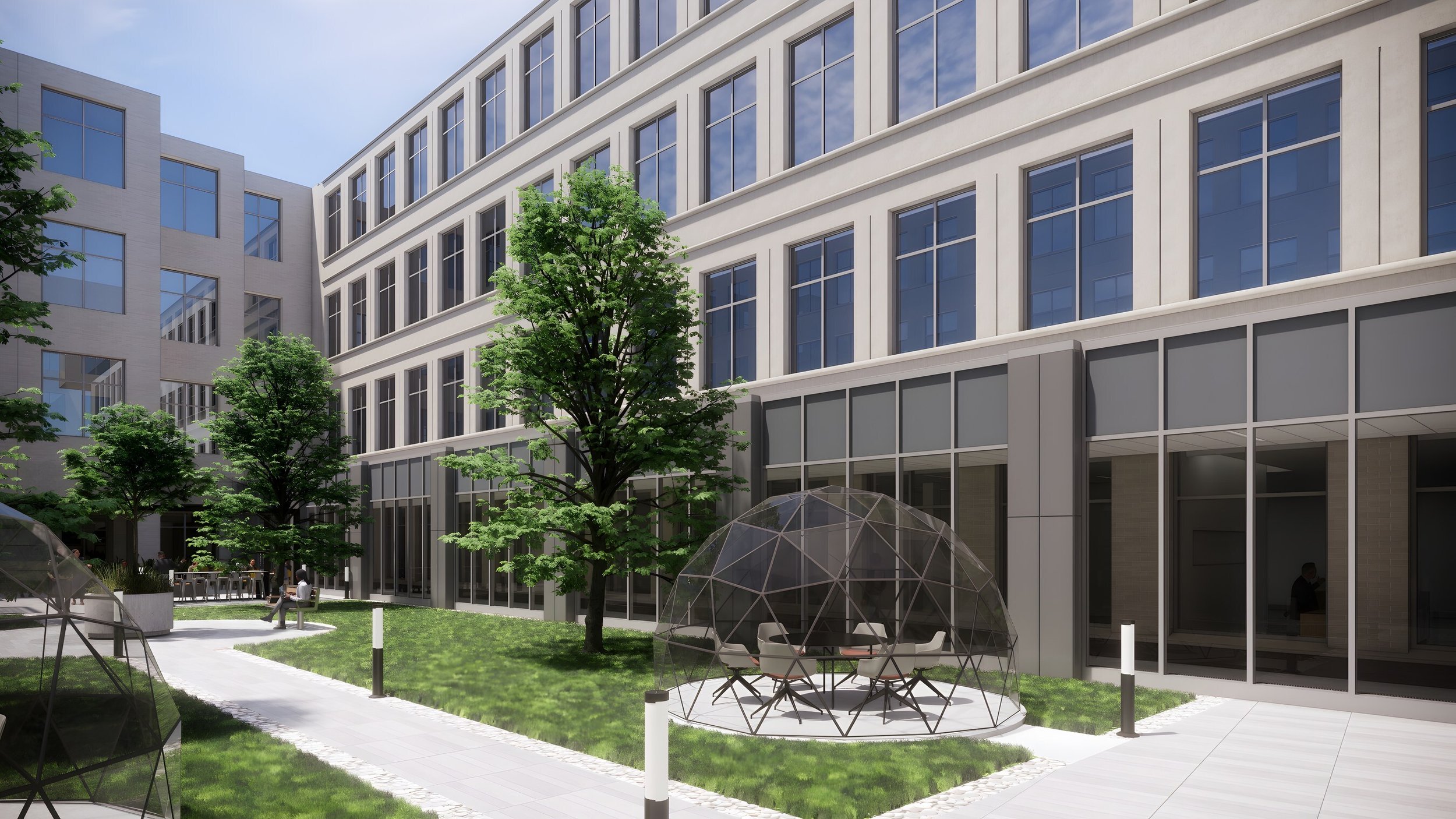
The amenity renovation is carefully scoped to modernize shared spaces without disrupting adjacent laboratory or GMP operations, alongside ongoing investment in campus utilities and base building systems. Image: Courtesy of Northeast Science and Technology (NEST)
Although the renovation does not directly impact laboratory infrastructure, NEST is committed to preserving and enhancing the building’s technical capabilities. “Outside of this specific capital project, our operations team has taken significant steps to continue Merck’s legacy of high standards. We have a rigorous, ongoing program for preventative maintenance, repairs, and operational excellence across the building’s infrastructure. Merck invested heavily to build and upkeep these systems, and we are committed to that same level of stewardship for our current and future tenants,” Flath says.
The renovation is intentionally scoped to avoid disrupting research workflows. “The areas being renovated do not have the same technical or regulatory requirements associated with labs or GMP manufacturing spaces,” Flath says. “These upgrades do not impact lab workflows or infrastructure. The project is intentionally scoped to modernize the building's experience without interfering with research operations.”
Further reading: Revlon Transforms Former Merck Lab into Cosmetics Innovation Hub
Even as amenities are upgraded, the campus continues to invest in utilities and base building systems. “Given the size and complexity of the campus, there is always an ongoing need to maintain this world-class facility,” Flath adds.
Tenant collaboration drives planning
Tenant feedback is central to shaping both current renovations and future laboratory planning. NEST works closely with NJIT and Revlon, as well as leasing and advisory partners, to ensure that upgrades meet tenant expectations and market trends. “Tenant input plays a significant role in shaping future planning. We collaborate closely with JLL, our leasing and advisory team, who provide real-time insights into life science market demand and the features that most attract R&D users. In addition, we’ve benchmarked NEST against leading life science campuses nationwide. Our team has toured marquee facilities in San Diego, Boston, and San Francisco, ensuring our offerings reflect best-in-class trends,” Flath says.
Current tenants are also investing in their own spaces. “We’re seeing some exciting renovations from our tenants at NEST. The New Jersey Institute of Technology is completing renovations to its lab space for its translational research facility. And Revlon is finishing up work on its pilot plants and consumer insight testing areas. So, there’s plenty of excitement both inside and outside of the labs,” Flath says.
Preparing for future lab and biomanufacturing needs
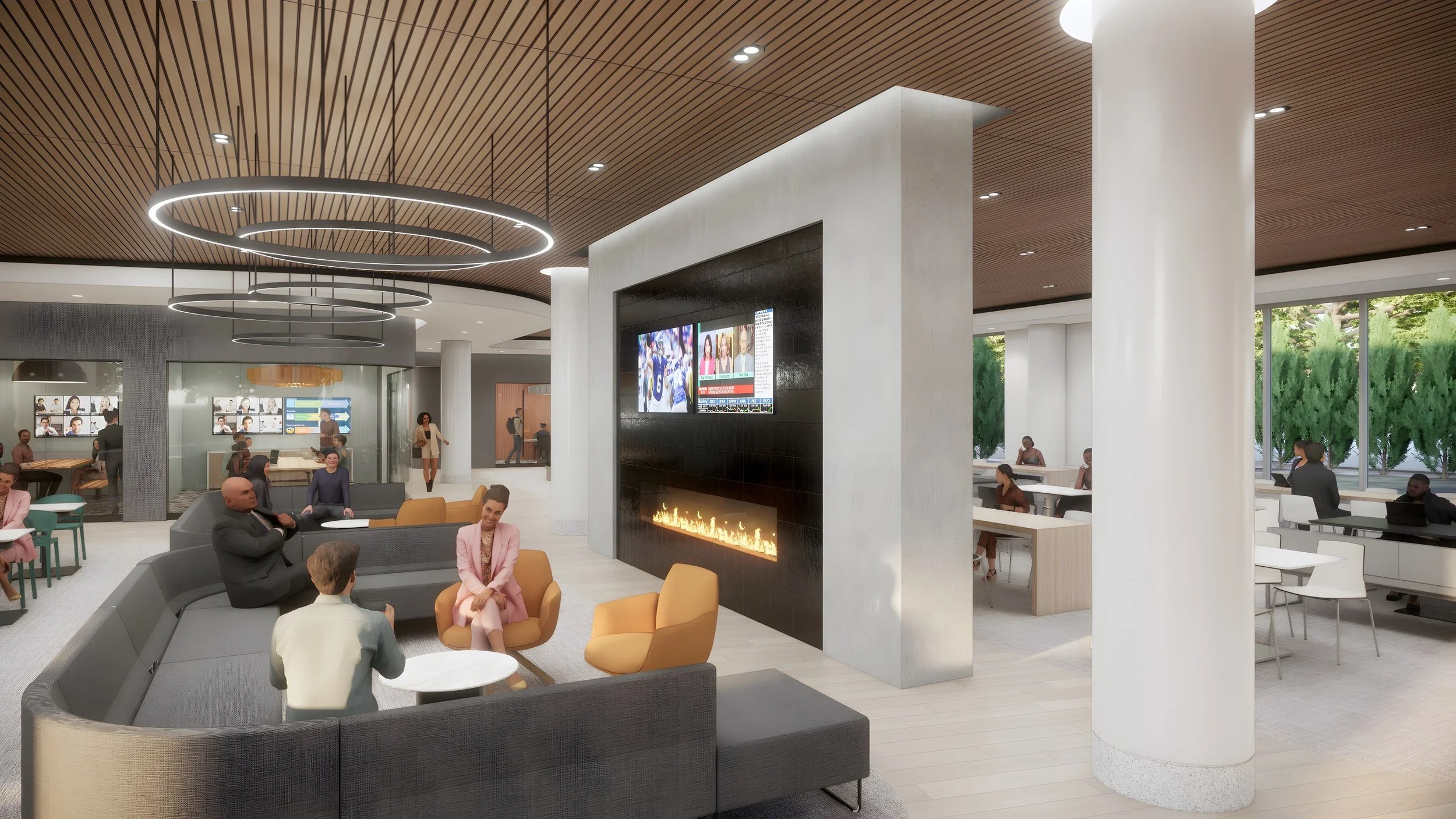
NEST is evaluating future lab and biomanufacturing conversions, including portions of its vivarium, as part of a longer-term strategy to adapt the campus to evolving research and manufacturing needs. Image: Courtesy of Northeast Science and Technology (NEST)
Looking ahead, NEST is exploring new lab-focused development opportunities to meet growing demand for specialized research and manufacturing spaces. “We’re seeing a growing demand for biomanufacturing, aseptic production, and GMP-ready environments. Less than eight years ago, Merck converted one research pod into a biologics manufacturing facility at 15 NEST. We are currently evaluating other areas of the building, including the 300,000-sf vivarium, for potential conversion to GMP manufacturing or warehouse space—both of which are in higher demand,” Flath says.
The campus’s flexible infrastructure enables NEST to respond to evolving tenant needs and broader industry trends. The renovation reflects a measured approach to life science campus design, integrating functional improvements to shared spaces with the operational requirements of a research-focused environment. By updating common areas to better align with adjacent laboratory spaces, the project supports day-to-day research activities while accommodating future changes across the campus.
“With the robust campus infrastructure, we’re well-positioned for these conversions. As the market evolves, we remain flexible and let tenant and future-tenant needs steer renovation decisions,” says Flath.