
Professional Profile: Mark Seliskar
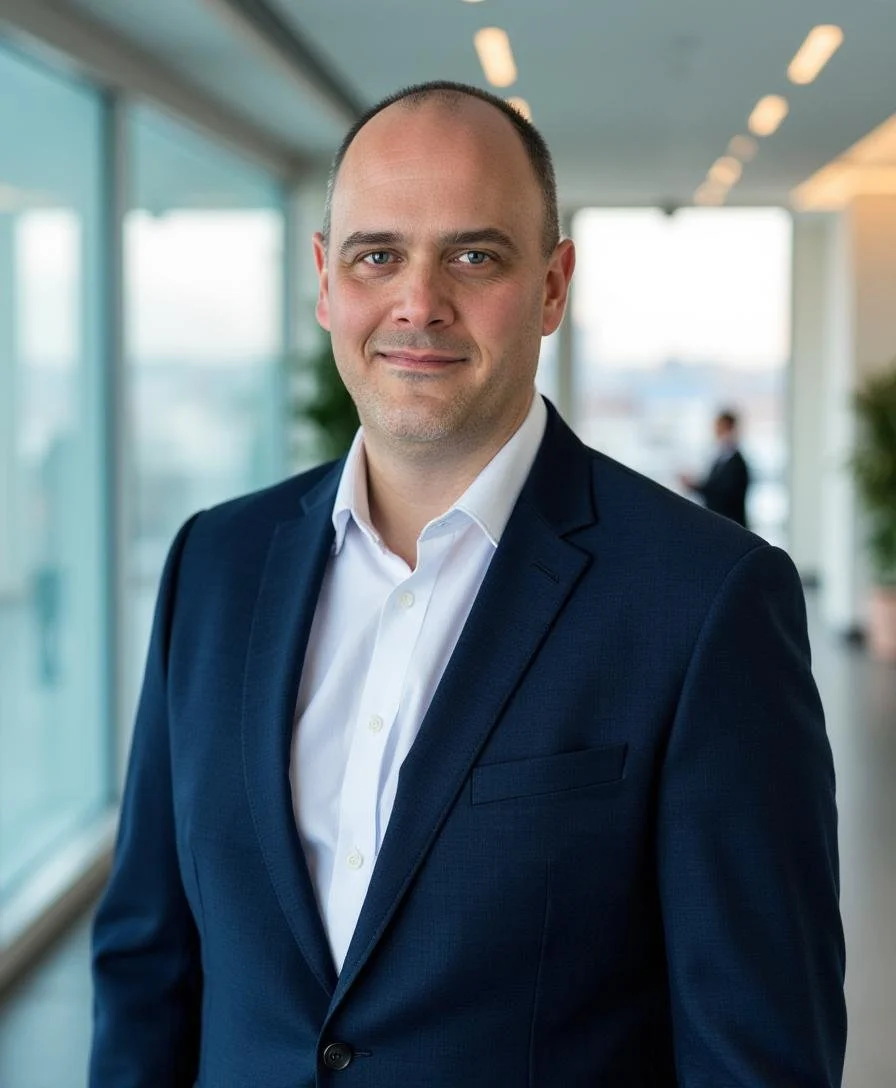
Mark Seliskar, PEng, head of life sciences operations in Canada for JLL’s Work Dynamics division
Mark Seliskar, PEng, has joined JLL as head of life sciences operations in Canada for JLL’s Work Dynamics division, based in Montreal. Lab Design News spoke to Mark about his career path across life sciences and real estate and how it has shaped his view of facilities today, the operational and design considerations that are often underestimated in early planning but have major long-term impacts, and the capabilities clients will increasingly expect from real estate and facilities partners in the years ahead.
Q: What experiences within the life sciences and real estate landscape most shaped how you think about facilities today?
A: I have spent my entire career in life sciences. I transitioned into the world of outsourced facilities management several years ago but still within the life sciences industry; however, my most recent role prior to joining JLL is what brought it all together. One of my main clients was a US-based real estate investment firm that leased laboratory space to growing life sciences companies. When they expanded their operations into the Canadian market, they sought support to manage their Canadian sites. This experience added a layer of tenant needs and expectations management to the facilities management expertise I had developed over the years.
Serving multiple tenants expanded our scope well beyond traditional facilities management into broader site operations, which delivered consistency and cost savings across different groups. This showed how FM capabilities can extend far beyond just the mechanical rooms! Vendor management, standardized safety practices, and preferred pricing agreements are just a few of the benefits that any department within a facility can leverage, including laboratory operations.
Q: From your experience, what operational or design considerations are often underestimated early on but have significant implications later?
A: Flexibility and adaptability of space. Whether it's manufacturing, laboratory, or office space, we see facilities being redeployed or reconfigured at an impressive rate. We need to strive to develop facilities that meet today's needs while remaining nimble enough to adapt to changes without requiring a complete tear-out.
Sites should be developed anticipating expansion from day one. Consider a new laboratory facility designed with a 60/40 lab-to-office split. While this meets immediate needs, experience tells us lab space requirements typically grow over time. Smart design anticipates this by building office areas with conversion potential already embedded, including extra utilities stubbed in for easy connection, independent HVAC systems, surfaces, and finishes easily converted to meet lab requirements, and spatial segregation that enables isolated construction zones.
This forward-thinking approach makes future expansion dramatically more cost-effective and operationally feasible. The difference between adapting a conversion-ready space and retrofitting a facility built without flexibility can be significant costs and months of downtime saved. Yet this consideration is routinely underestimated during initial planning when budget pressures focus attention on immediate needs rather than lifecycle value.
Q: What types of feedback from clients or end users have been most rewarding or impactful in your career?
A: Early in my career, while still relatively junior in my role as the maintenance/engineering lead for my site, we underwent a site licensing audit by the FDA. This was the very first time I was responsible for answering auditors directly. I’m not sure if I was more excited or scared to be in that position. As proud as I was that the audit was successful, the most memorable moment came when an auditor referred to me as a "natural technical lead" in their closing remarks to our quality lead.
Q: What are you most looking forward to in your current role or in the next phase of your career?
A: I'm looking forward to establishing JLL as the go-to partner for pharmaceutical and life sciences clients in Canada seeking to outsource facilities management. From my experience in in-house facilities management within the industry, I have a keen understanding not only of client needs but also of the concerns sites have about the outsourcing process. Handing over control of your facility is difficult to accept. I want clients to trust that partnering with JLL means working with a firm that truly understands and prioritizes their needs.
Q: Looking ahead, what capabilities do you think clients will increasingly expect from their real estate and facility partners?
A: Definitely the integration of AI. I'm not convinced we fully understand yet all the ways AI will support what we do in the future. This is one aspect that really impressed me after joining JLL, which has been advancing AI integration in its operations for several years now. I'm excited to leverage this technology to deliver even greater value to our clients.