
Why Biotech Startups Are Rethinking Lab Location
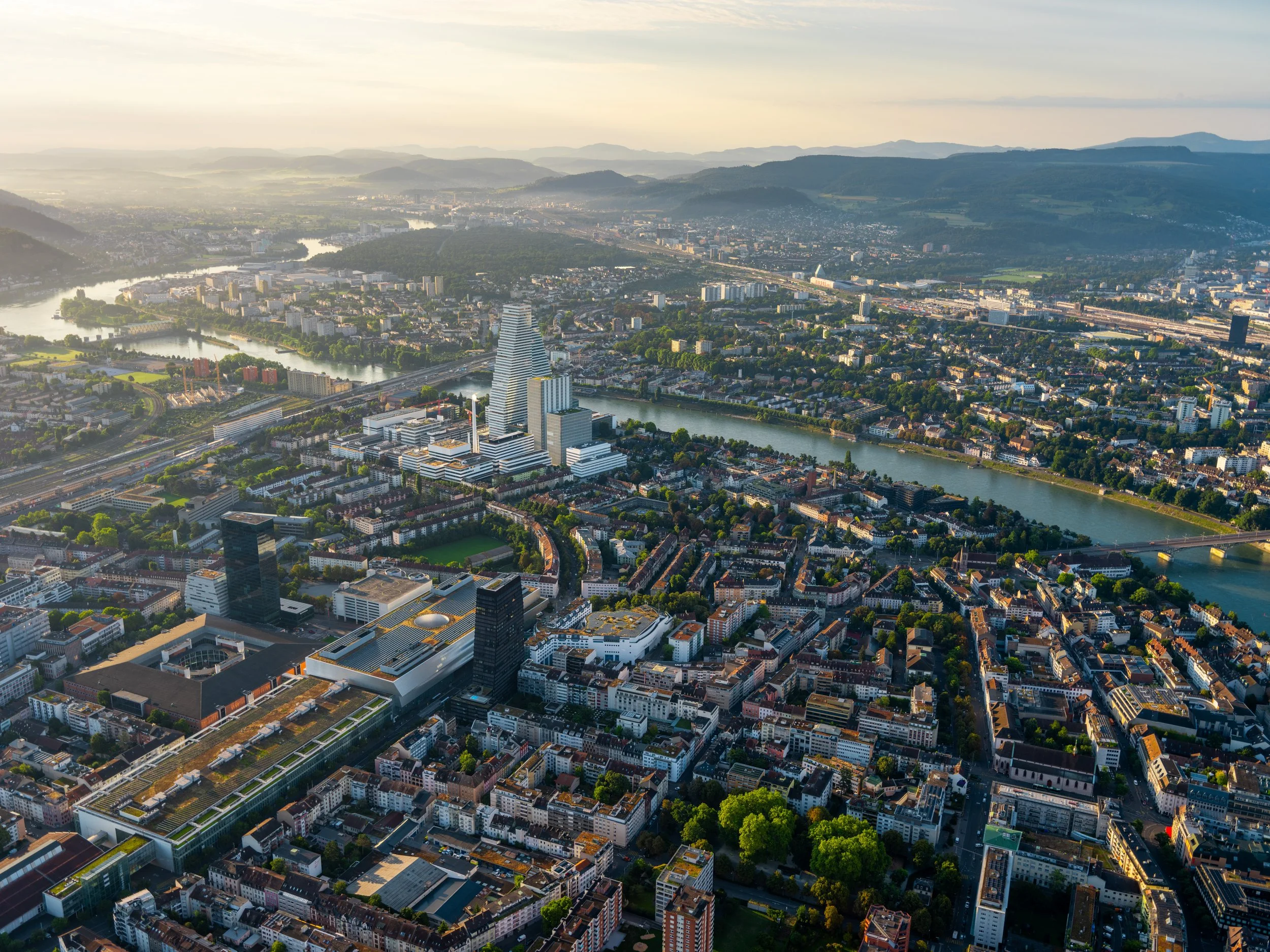
Biotech startups are increasingly choosing established life sciences clusters that offer talent, laboratory infrastructure, and strategic partnerships alongside access to funding. Image: Basel Area Life Sciences Supercluster; Photography by AviaticFilms
For years, biotech startups have chosen locations based largely on access to venture capital, research grants, or affordable laboratory space. While those factors remain important, today's emerging life sciences companies are taking a broader view of site selection. As investment becomes more selective and the journey from scientific discovery to commercialization grows increasingly complex, founders are seeking locations that offer the infrastructure, expertise, and partnerships needed to support long-term growth.
That shift is elevating the importance of established life sciences clusters, where startups can tap into experienced talent, specialized laboratory infrastructure, and a network of collaborators. Among the regions drawing increased attention is the Basel Area Life Sciences Supercluster, which spans Switzerland, France, and Germany and brings together more than 800 life sciences companies, 1,000 research groups, and nearly 35,000 life sciences professionals.
Rather than asking simply where they can secure funding or lease laboratory space, startup leaders are evaluating whether a location can support every stage of the company's evolution.
“Site selection today is about much more than funding or laboratory space,” says Christof Klöpper, CEO of Basel Area Business & Innovation. “It's about access to the right ecosystem, and above all, the right talent.”
For early-stage companies, scientific expertise alone is no longer enough. As therapies advance toward clinical trials and commercialization, startups require professionals with experience in regulatory affairs, clinical development, licensing, financing, manufacturing, and commercialization. Building those capabilities internally can be difficult and expensive, making proximity to an experienced ecosystem increasingly valuable.
According to Klöpper, startups should evaluate potential locations by asking three questions that have direct implications for laboratory planning and construction: “Can I find the right talent? Can I scale here? And can this ecosystem support me all the way to commercialization?”
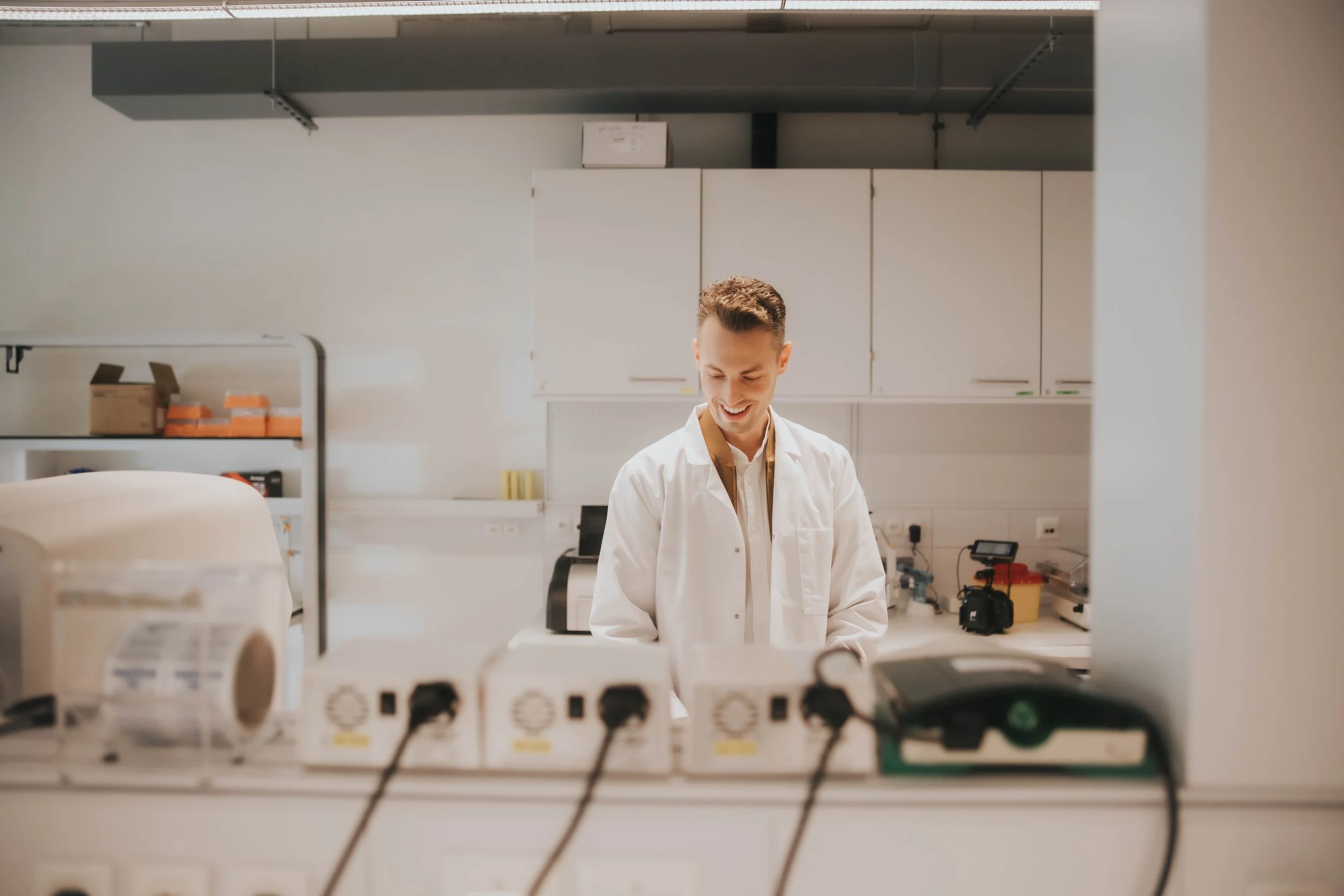
Access to experienced laboratory designers, builders, and service providers can help biotech startups establish new labs more quickly while preserving flexibility for future growth. Image: Basel Area Life Sciences Supercluster; Paul Tait Photography
Instead of designing facilities in isolation, companies located within mature innovation clusters often have access to experienced laboratory architects, engineers, contractors, equipment suppliers, and laboratory service providers that understand the unique technical requirements of life sciences facilities. This can shorten project timelines and reduce the challenges associated with building or renovating specialized laboratory space.
“In the Basel Area Life Sciences Supercluster, companies benefit from specialized laboratory providers with deep expertise in designing and building life sciences facilities,” Klöpper says. "As a result, it's often much easier and faster for startups to establish a new lab or move into existing laboratory space than in many other locations."
For many startups, speed to occupancy can be just as important as the design itself. Rather than investing heavily in permanent facilities too early, many companies are choosing flexible laboratory environments that allow them to begin research quickly while preserving the ability to expand as their science and workforce grow. That flexibility has become especially important as biotechnology research evolves.
Artificial intelligence, automation, robotics, and increasingly digital research workflows are changing what laboratory space looks like. While some organizations require smaller wet lab footprints because computational biology and data analysis now play a larger role in discovery, others need larger or differently configured laboratories to accommodate automation equipment and robotic systems.
“Today's biotech startups need laboratory environments that are flexible and ready to evolve,” Klöpper says. “We're seeing that the traditional lab is changing.”
Designing for adaptability means considering not only current research programs but also how the company may operate in the future. Modular layouts, scalable infrastructure, flexible utilities, and access to shared laboratory resources can help startups avoid costly renovations as scientific priorities shift.
Klöpper encourages founders to think beyond today's immediate requirements.
“One of the biggest lessons for founders is not to plan only for today's needs, but for how the company will evolve over the next five to 10 years,” he says.
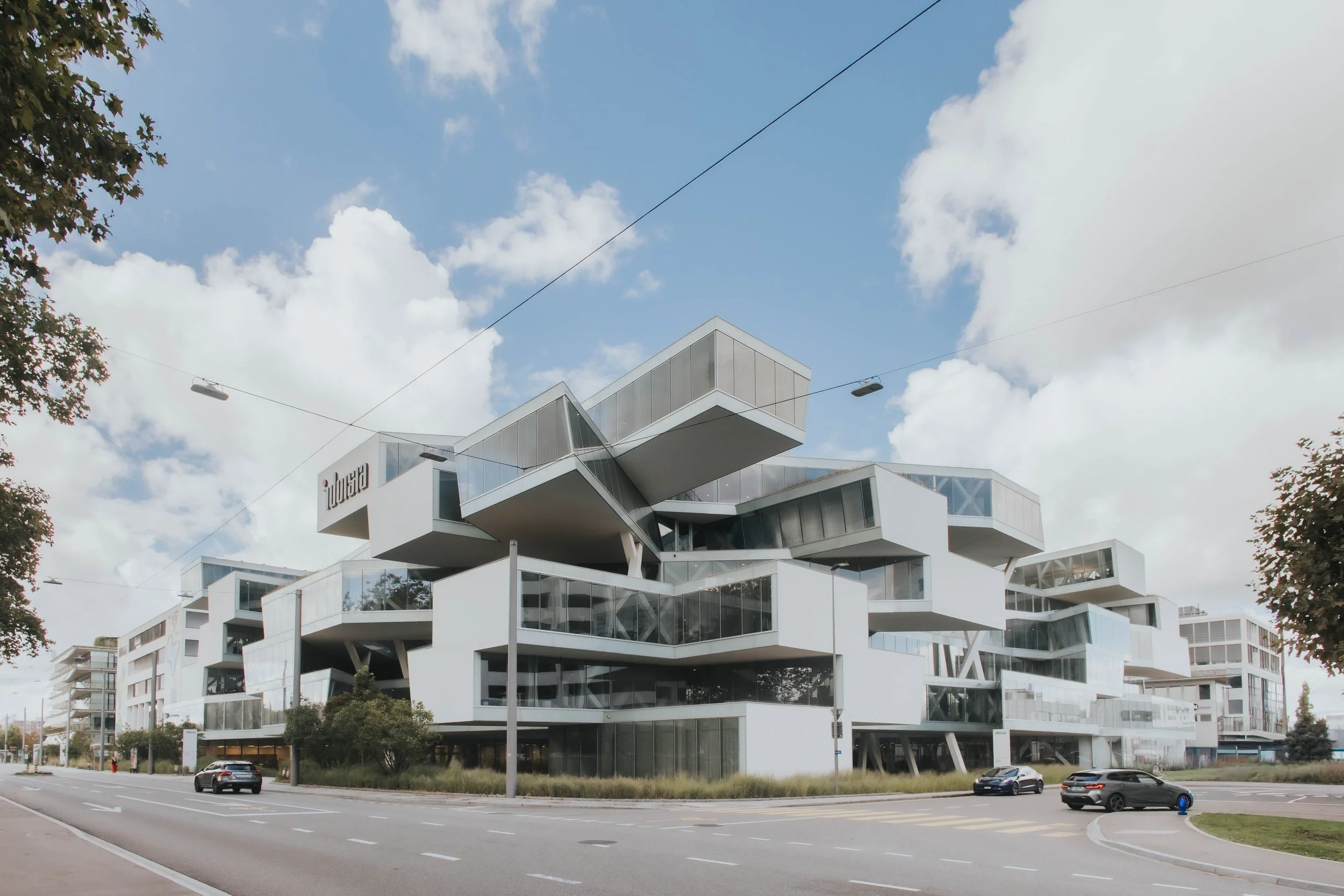
Today’s biotech laboratories are designed not only for research, but also to attract talent, foster collaboration, and support innovation within a broader life sciences ecosystem. Image: Basel Area Life Sciences Supercluster; Paul Tait Photography
Increasingly, the laboratory itself is also becoming part of a company's recruitment and collaboration strategy. Modern laboratory environments are expected to support interdisciplinary teamwork, encourage interaction, and provide attractive workplaces that help companies compete for highly skilled employees. At the same time, the surrounding community plays an equally important role. Access to transportation, housing, schools, recreation, and a high quality of life can influence a startup's ability to recruit internationally.
“Today, a laboratory is more than a place to conduct experiments,” Klöpper says. “It can help attract talent, foster collaboration, and accelerate innovation.”
That perspective reflects a broader shift occurring across the life sciences industry. As startups move beyond the discovery phase, success increasingly depends on being embedded within networks that connect research institutions, pharmaceutical companies, investors, service providers, and experienced professionals. The physical laboratory remains central to innovation, but its effectiveness is increasingly shaped by the ecosystem surrounding it.
For laboratory planners, architects, and startup founders alike, site selection is no longer simply a real estate decision. It has become a strategic choice that influences talent acquisition, facility planning, operational flexibility, and the ability to bring new therapies to market. As biotechnology continues to evolve, the most valuable laboratory may not be the one with the newest equipment, but the one located within an ecosystem capable of accelerating innovation from the first experiment through commercialization.