
Designing Life Sciences Real Estate for Growth and Talent
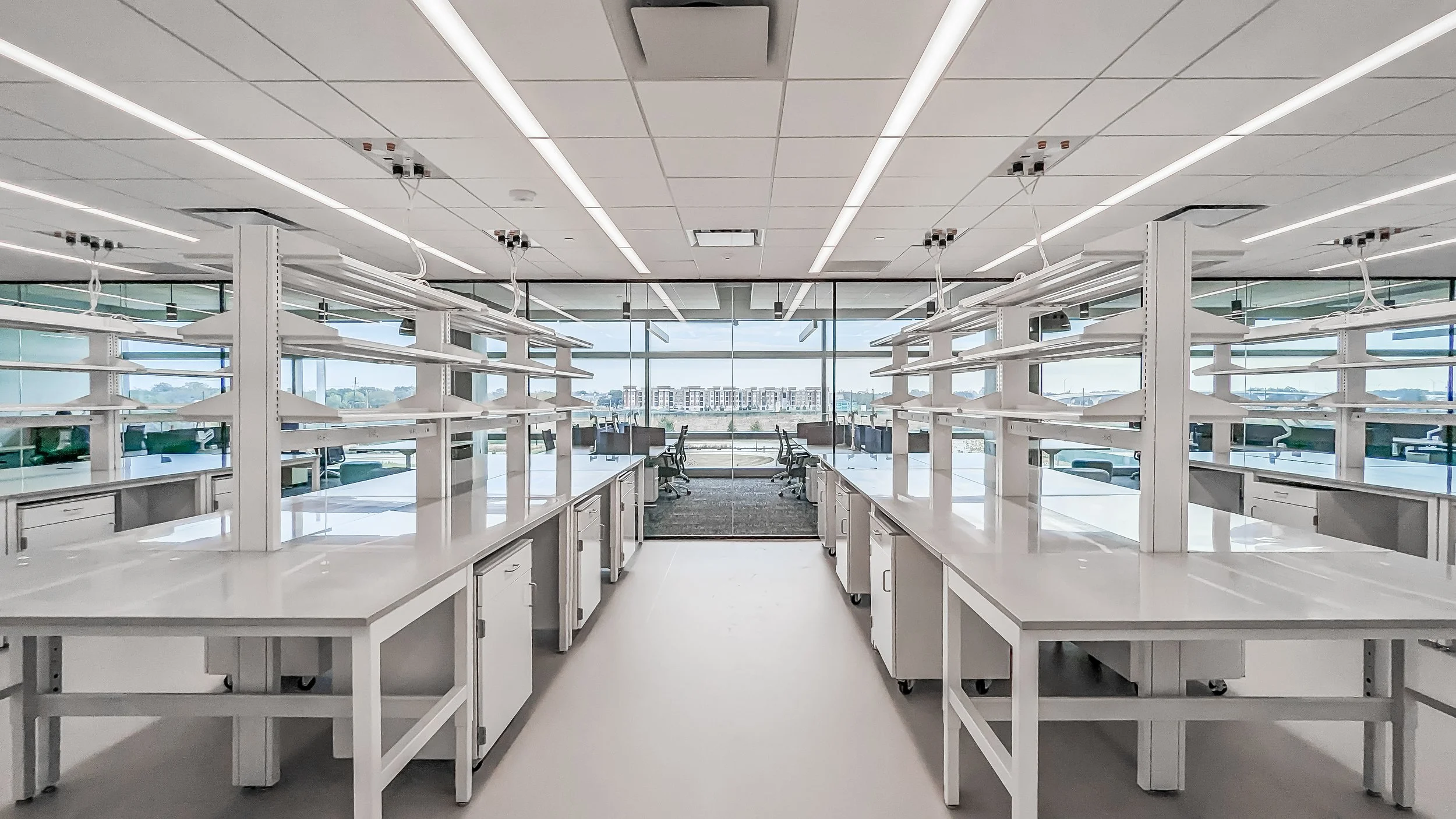
From flexible lab infrastructure to workplace amenities, Levit Green offers lessons for designing next-generation life sciences campuses that can adapt to changing scientific needs. Image: Courtesy of Hines
As life sciences companies compete for researchers, engineers, and technical talent, the next generation of laboratory real estate must do more than provide highly specialized infrastructure. Successful life sciences campuses need to support scientific work while also creating environments where people want to spend their time, collaborate, and build their careers.
Levit Green, a 53-acre life sciences-focused district adjacent to the Texas Medical Center in Houston, offers a case study in how developers are approaching this challenge. Developed by Hines in partnership with 2ML Real Estate Interests and Harrison Street, the project combines flexible laboratory infrastructure, move-in-ready space, and a campus experience designed around employee needs. The recently completed Phase I building is transitioning from a development project into an operating research environment, with new tenants Plus Therapeutics, Celltex Therapeutics, and Oxia Therapeutics occupying more than 30,000 square feet of combined laboratory and office space.
The diversity of these companies—from diagnostics and regenerative medicine to therapeutics and biomanufacturing—highlights an important lesson for developers: modern life sciences real estate cannot be designed around a single user profile.
“What we have seen is that demand at Levit Green is coming from a broad range of life sciences users rather than one narrow category,” says John Mooz, senior managing director at real estate firm Hines. “We are talking with companies across therapeutics, cGMP manufacturing, diagnostics, regenerative medicine, translational research, and specialized lab operations.”
Designing for flexibility across the life sciences pipeline
One of the biggest challenges in life sciences real estate is anticipating how companies will evolve. A startup may begin with a small research footprint, require additional laboratory capacity as it advances toward clinical milestones, and eventually need specialized manufacturing or production space.
Levit Green’s strategy has been to create a range of options that allow companies to grow without leaving the campus. The development includes turnkey laboratory suites for companies that need immediate occupancy, as well as shell space that can be customized for organizations with more specialized requirements.
“Life sciences real estate cannot be one-size-fits-all,” Mooz says. “The building needs to support highly technical uses, but it also needs to remain adaptable as companies evolve.”
That flexibility begins with the base building infrastructure. Rather than relying on extensive tenant upgrades, the Phase I building was designed with laboratory users in mind, incorporating features such as enhanced floor loading, significant power capacity, dedicated lab exhaust, high air-change capability, backup power, and mechanical systems capable of supporting different laboratory types.
For developers, this approach demonstrates the importance of investing in infrastructure early. A flexible building may have a higher upfront cost, but it can reduce tenant buildout challenges, shorten occupancy timelines, and broaden the range of potential users.
Speeding the path from lease signing to scientific operations
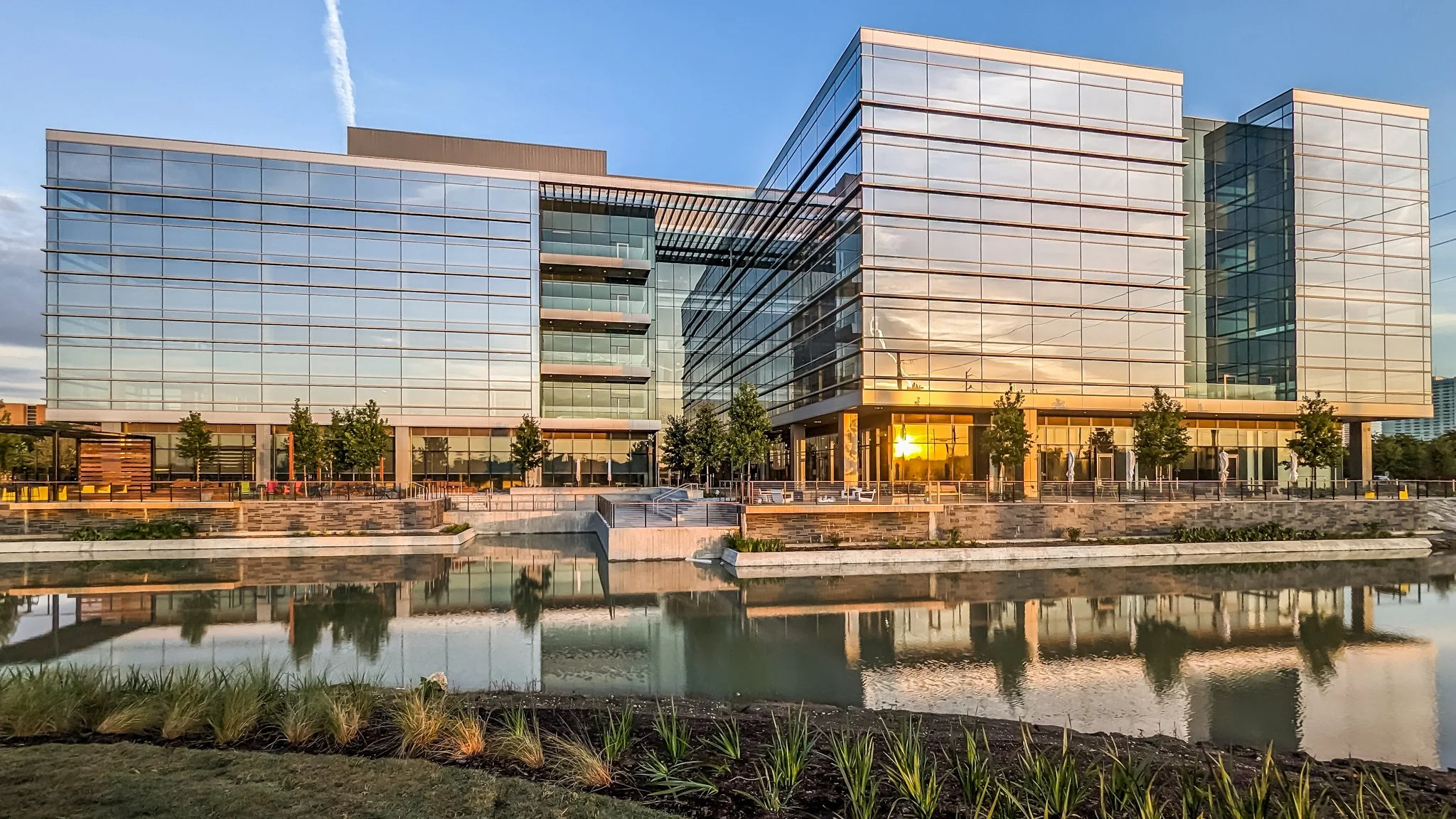
Levit Green is designed as a next-generation life sciences campus, combining adaptable laboratory infrastructure with spaces that support collaboration, innovation, and talent attraction. Image: Courtesy of Hines
Another lesson from Levit Green is the growing importance of turnkey laboratory space, particularly for emerging companies. Many early-stage life sciences organizations are managing competing priorities: advancing research, raising capital, meeting regulatory requirements, and recruiting employees. A lengthy design and construction process can delay scientific progress and consume resources that could otherwise support research.
“The demand for smaller, move-in-ready lab suites has been one of the clearest lessons in the market,” Mooz says. “Emerging life sciences companies are often balancing science, fundraising, hiring, and regulatory milestones all at once.”
To address this need, Levit Green is expanding its inventory of turnkey laboratory suites, with three additional approximately 5,000-sf spaces planned for delivery in 2026. These smaller footprints provide emerging companies with an accelerated path to occupancy while also creating opportunities for future growth within the larger campus ecosystem.
For developers, the takeaway is that flexibility is not only about accommodating different scientific requirements—it is also about accommodating different stages of company growth.
Creating a workplace that supports talent attraction
While laboratory functionality remains the foundation of life sciences real estate, developers are increasingly recognizing that buildings also play a role in workforce strategy. Competition for scientific talent means companies are evaluating workplaces based not only on technical capabilities, but also on whether the environment supports employee experience and retention.
“Talent is one of the most important drivers of life sciences real estate decisions,” Mooz says. “Companies are not only asking whether the building can support the science; they are asking whether it helps them recruit and retain people.”
Levit Green incorporates features intended to create a more engaging workplace experience, including natural light, outdoor terraces, waterfront spaces, fitness facilities, conference areas, food service opportunities, bike storage, trail connections, and outdoor gathering areas.
These amenities reflect a broader shift in laboratory planning. Researchers and technical staff may spend significant portions of their careers inside laboratory buildings, making factors such as daylight, collaboration spaces, wellness amenities, and opportunities for informal interaction increasingly important.
The lesson for developers is that successful life sciences properties need to support both the science and the people behind it.
Building a life sciences ecosystem, not just a lab building
Beyond individual buildings, Levit Green’s larger strategy demonstrates the value of creating a connected life sciences ecosystem. Its location next to the Texas Medical Center provides access to clinicians, researchers, hospitals, academic institutions, and clinical infrastructure.
“Proximity to the Texas Medical Center is one of Levit Green’s most important advantages,” Mooz says. “For many life sciences companies, being near the TMC means being near clinicians, researchers, academic institutions, hospitals, clinical trial infrastructure, and a deep pool of scientific talent."“
As life sciences clusters continue to expand nationwide, developers may increasingly need to think beyond individual facilities. The most successful properties will likely be those that provide companies with opportunities for collaboration, networking, recruiting, and long-term growth.
Levit Green’s ongoing development illustrates a broader trend in life sciences real estate: the future of laboratory campuses is not simply about delivering more square footage. It is about creating adaptable environments where companies can grow, scientists can thrive, and innovation can happen more efficiently.