
[[bpstrwcotob]]
Designing Labs for an Uncertain Future
At the 2026 Lab Design Conference, Ballinger's Gregory Muth and Katherine Wohlsen shared how designing for uncertainty allowed Brown University's newest life sciences building to respond to changing research priorities, funding challenges, and evolving work styles without requiring major redesigns
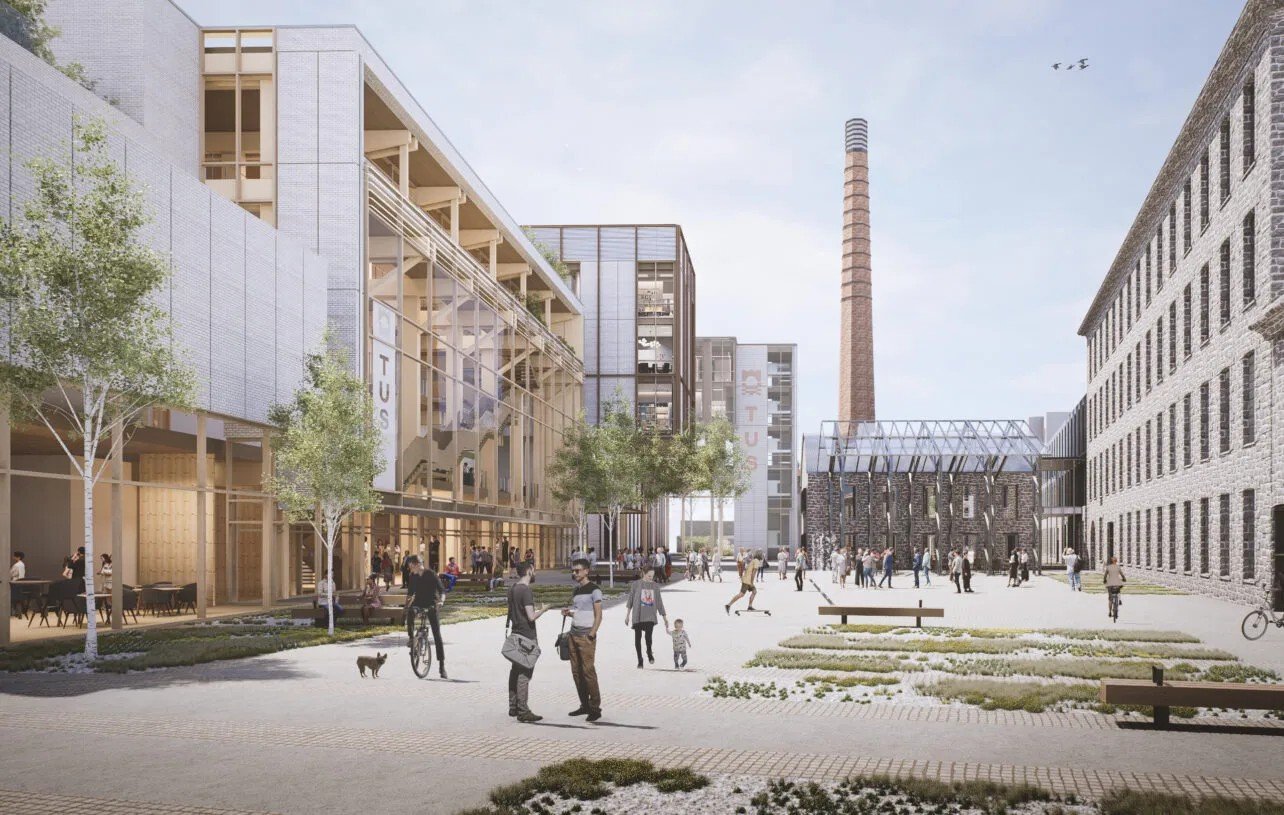
Designing Labs for What Comes Next: Inside a 15-Year Masterplan
Ireland’s Technological University of the Shannon is planning new research facilities, postgraduate hubs and industry-facing innovation spaces while using adaptive reuse and flexible planning to accommodate changing research needs

Harris-Stowe State University Breaks Ground on Flexible STEM Center
Harris-Stowe State University’s new $62 million STEM Center will combine flexible laboratories, research spaces, classrooms, and collaborative environments designed to support current programs and future workforce needs
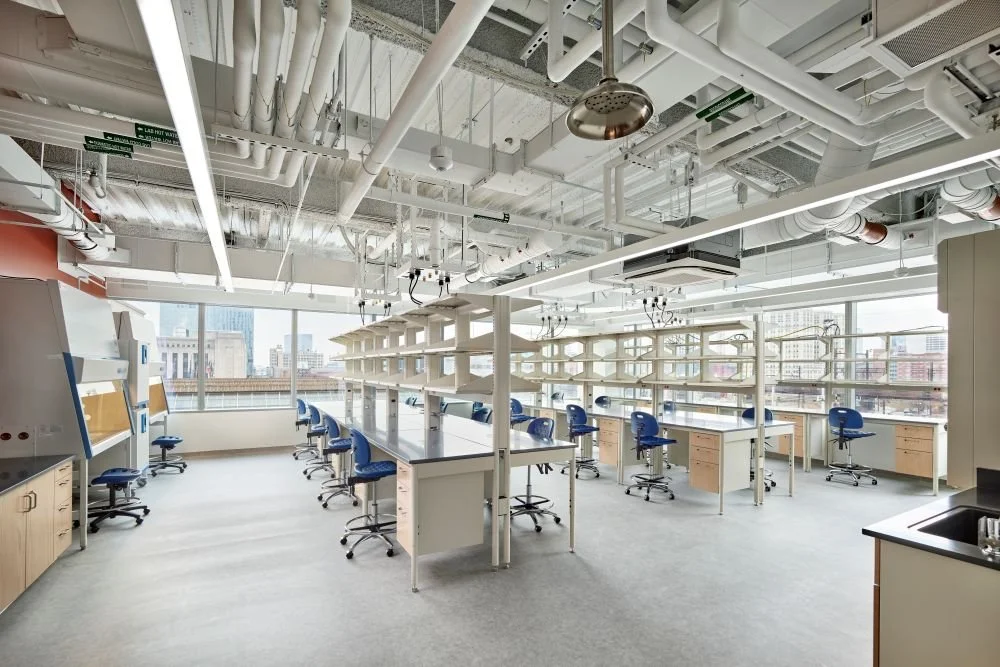
Building Labs That Grow With Startups
Life sciences incubators give emerging companies access to flexible laboratory space, shared equipment, operational support, and collaborative networks designed to help them grow
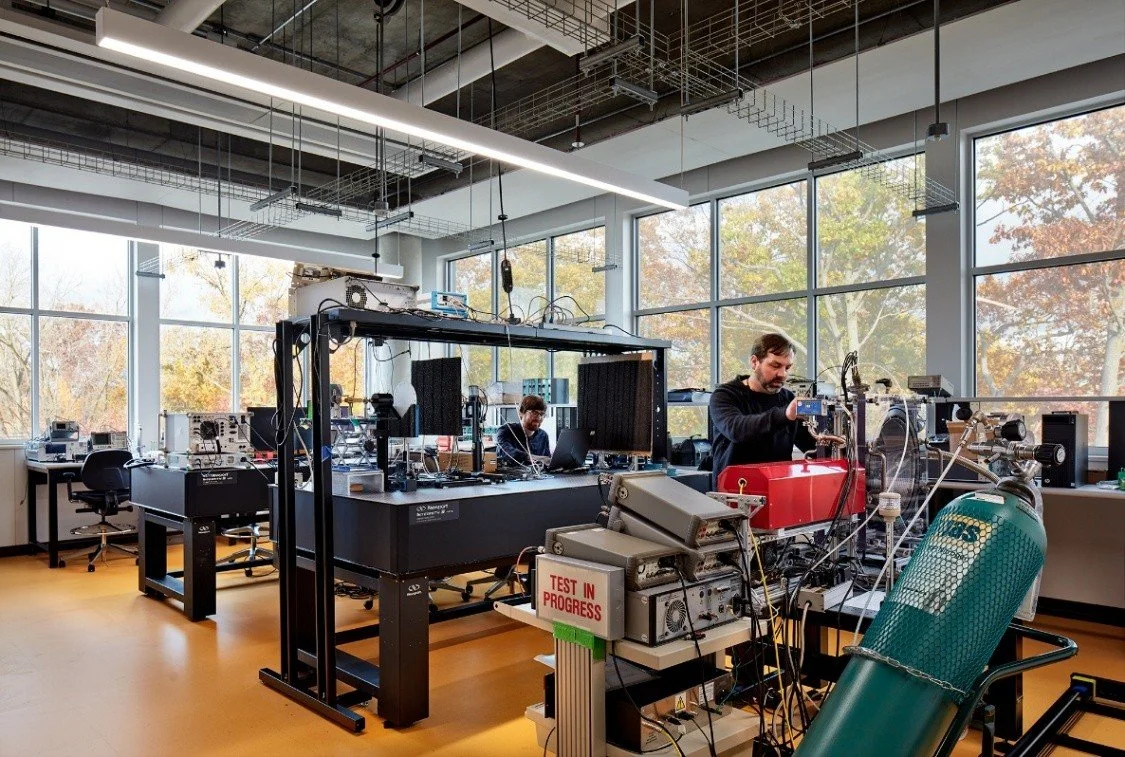
The Quantum Readiness Recipe: Evaluating Facility Needs
As quantum research accelerates, laboratory planners must balance precision engineering, flexible infrastructure, and early stakeholder collaboration to create facilities capable of supporting technologies that have yet to be invented
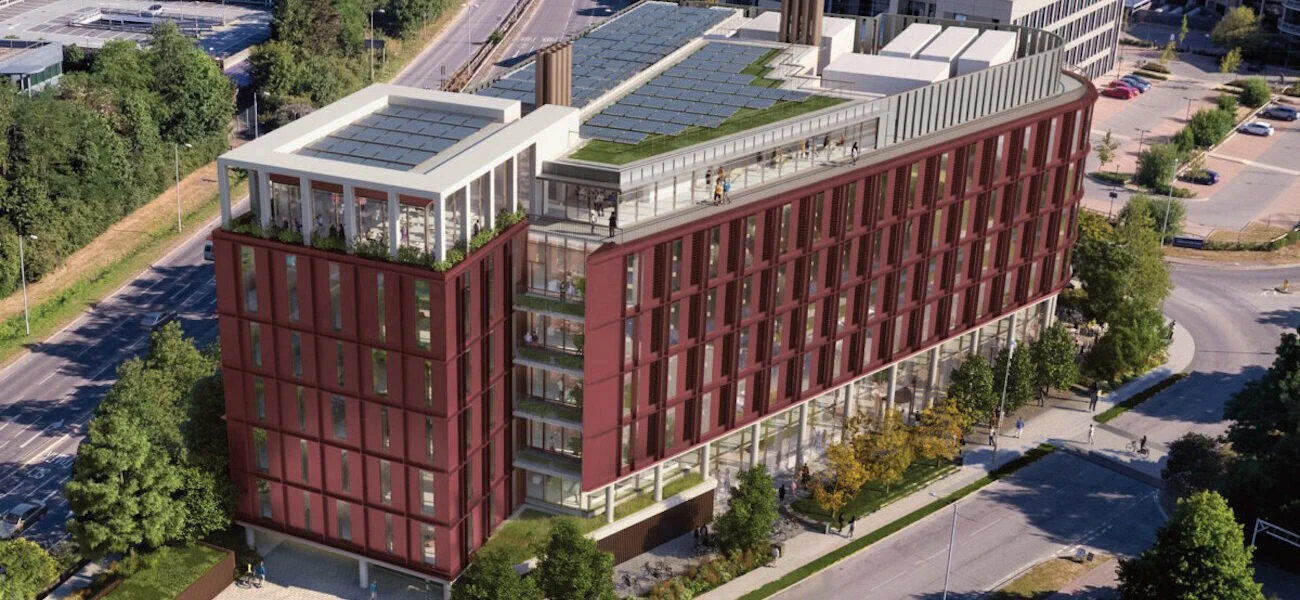
Engineering Collaboration: How Laboratory Design Sparks Scientific Discovery
Although separated by geography and scientific focus, Kadans' newest research facilities in Paris and Cambridge share a common philosophy: thoughtfully designed laboratories and social spaces can create the chance encounters that accelerate innovation

Strategic Lab Space Utilization in an Era of Funding Shortfalls
Facing research funding shortfalls, higher education institutions must prioritize and adapt existing laboratory spaces—through strategic renovations, reuse, and built environment improvements—to sustain scientific innovation, economic impact, and workforce stability even when new construction is limited
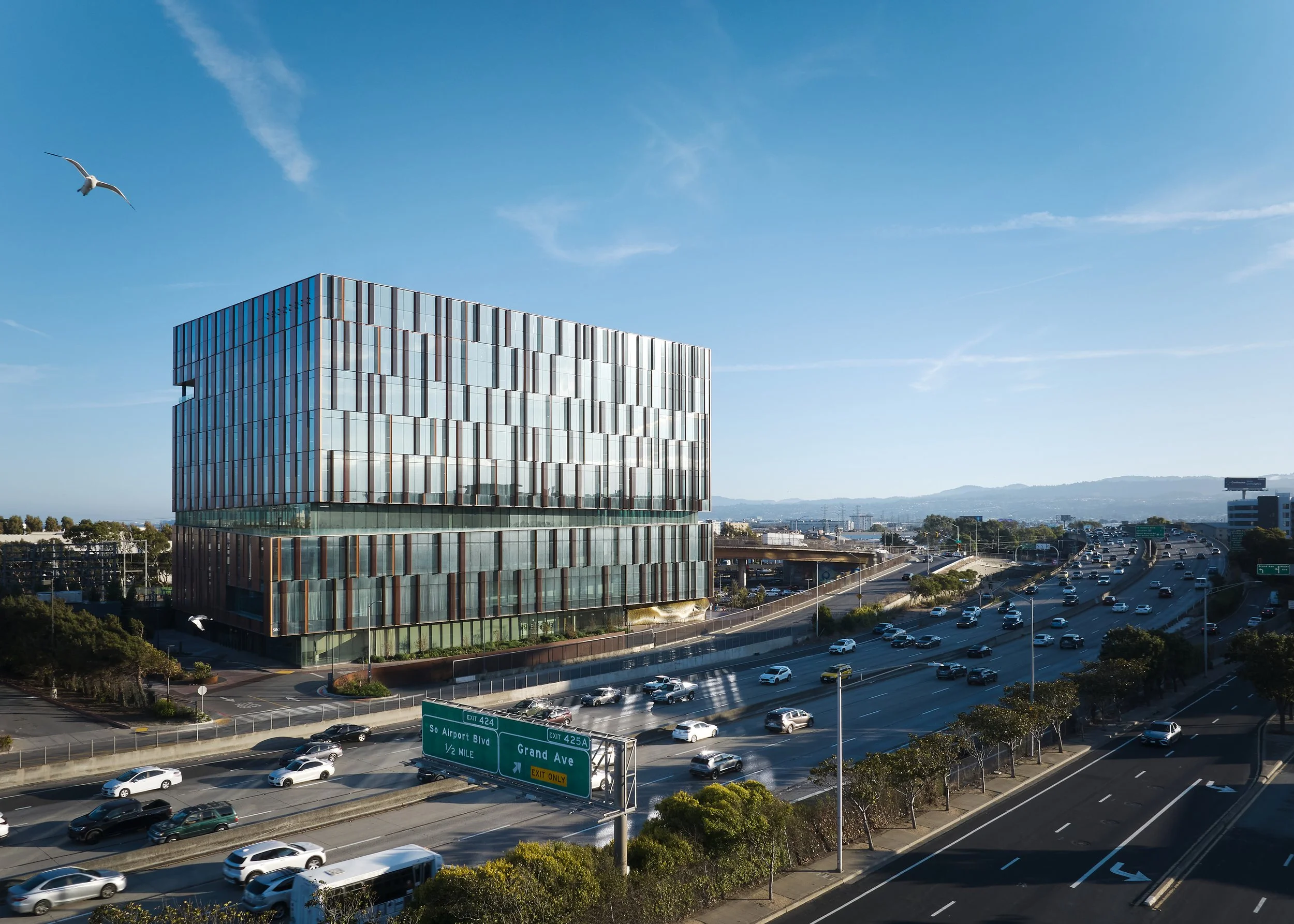
The Rise of the Connected Life Science Campus
As biotech companies rethink their real estate strategies, laboratory developers are shifting away from standalone research buildings and toward flexible, transit-connected innovation districts designed to attract both tenants and talent
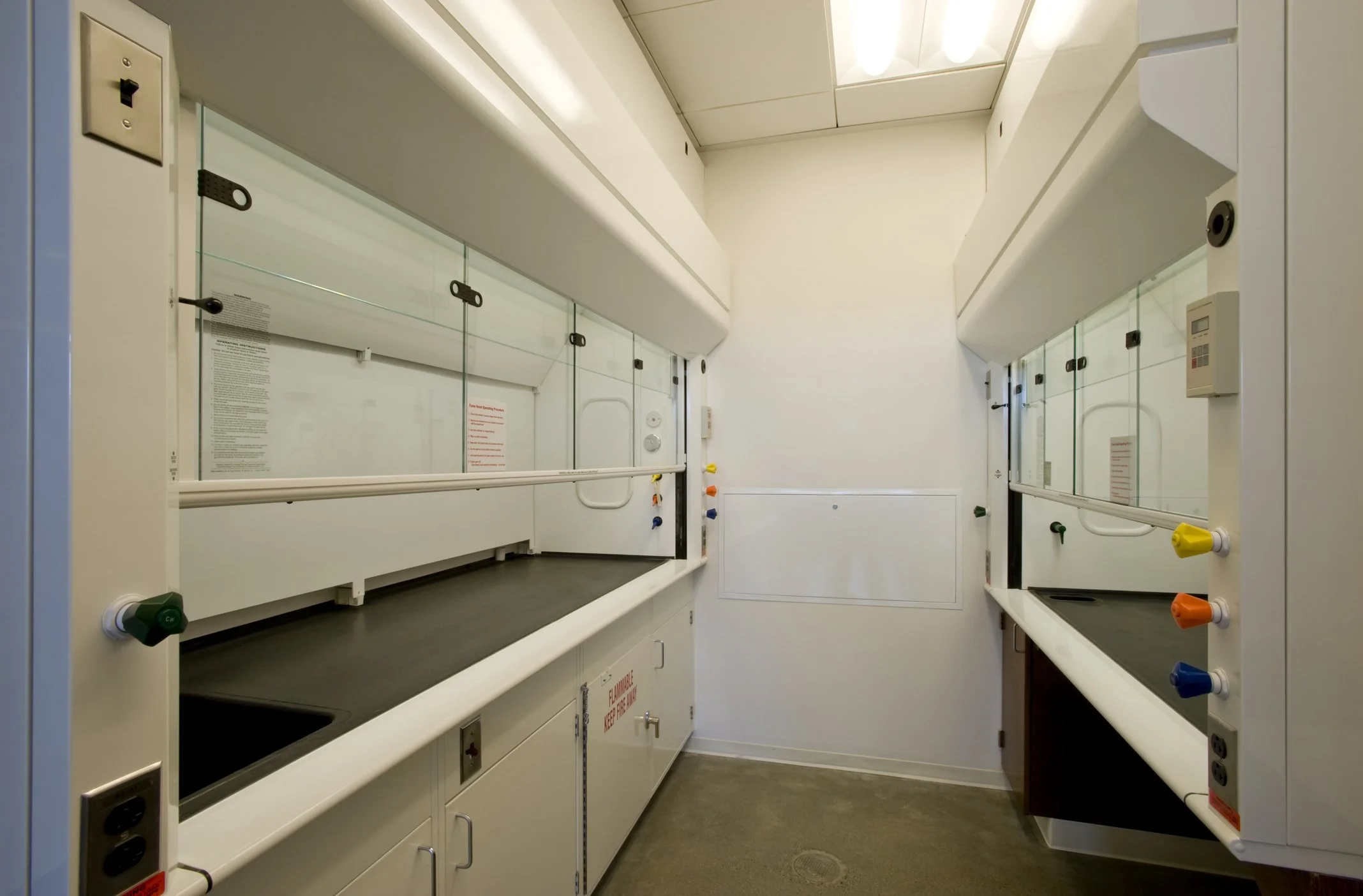
Beyond Equipment: The Hidden Impact of Laboratory Infrastructure
How integrated infrastructure helps laboratories improve safety and sustainability
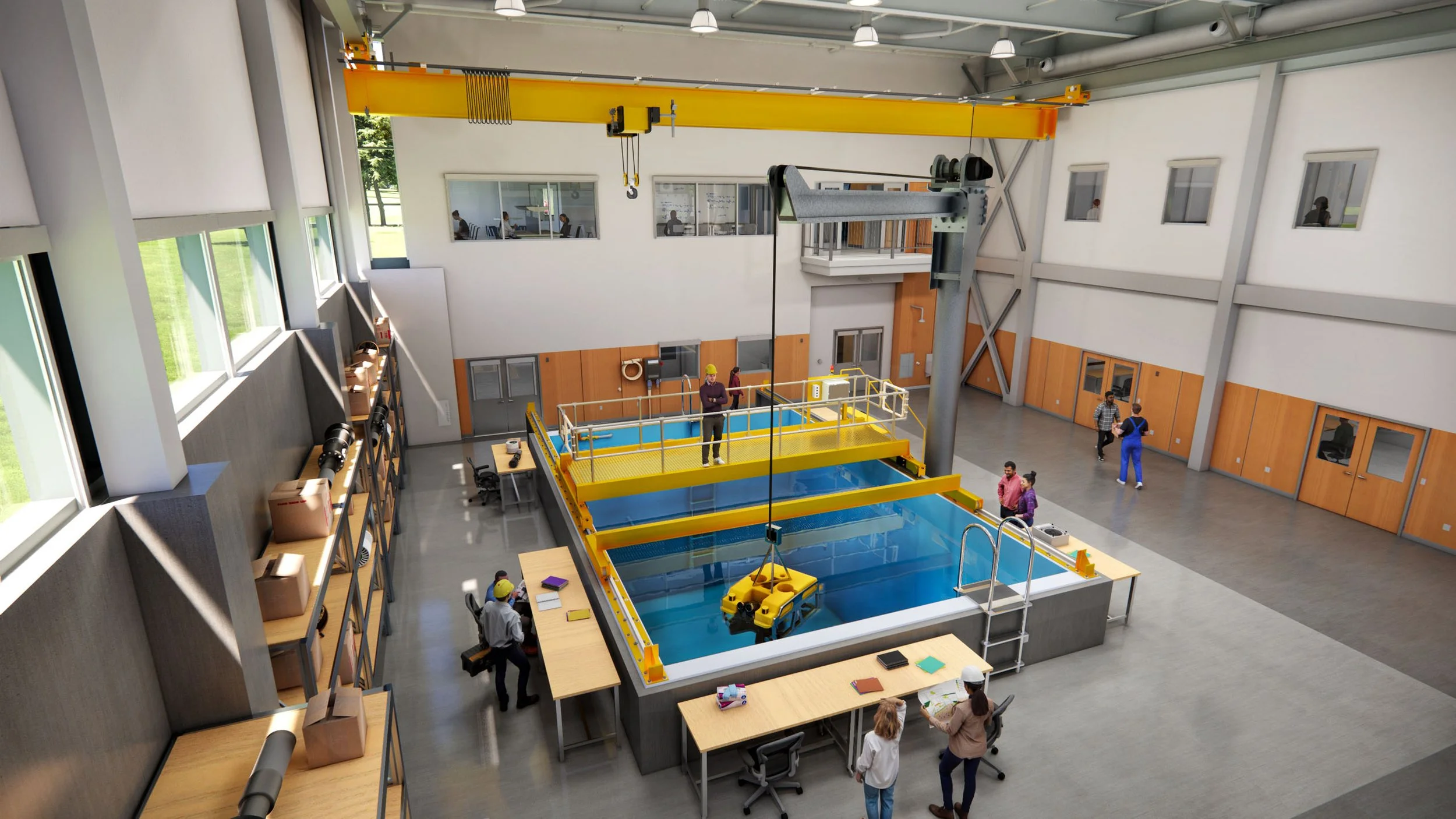
Inside the Facility Advancing Ocean Robotics Research
A new facility at the University of Rhode Island brings together ocean engineering, robotics, and marine science with a purpose-built test tank, high-bay staging area, flexible labs, and collaborative spaces designed to move technologies from prototype to deployment