
Inside Miami’s $5M 3D Bioprinting Powerhouse
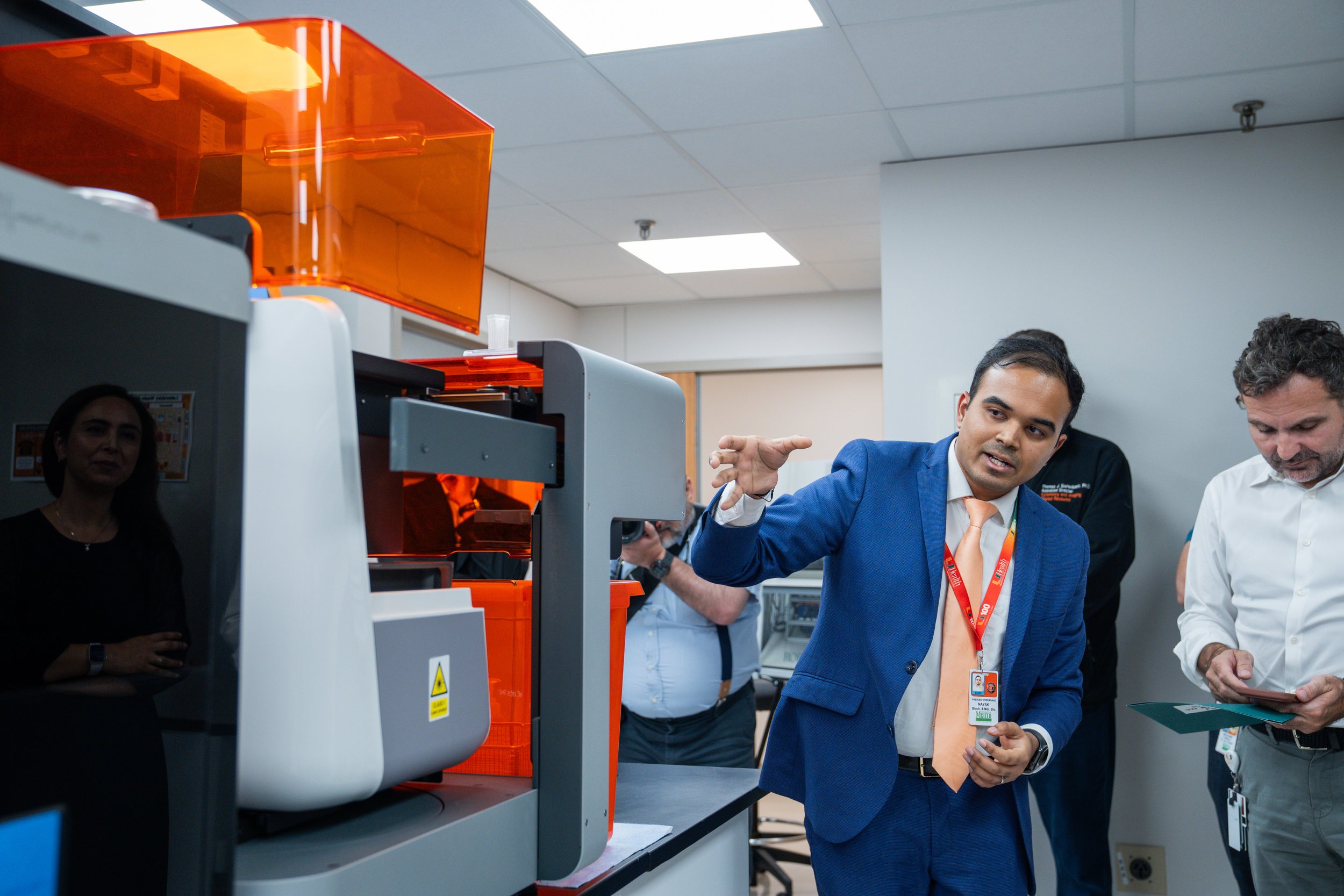
The University of Miami Miller School of Medicine’s new $5 million 3D Bioprinting Facility was designed to bridge research, education, and clinical translation while addressing South Florida’s need for advanced medical bioprinting capabilities. Image: Courtesy of The University of Miami Miller School of Medicine
When planning began in mid-2023 for the University of Miami Miller School of Medicine’s new 3D Bioprinting Facility, the project team faced a distinct institutional and regional challenge. The South Florida region lacked robust 3D bioprinting capabilities tailored specifically for the medical sector. Rather than constructing a conventional university makerspace or a isolated research lab, the university set out to design a $5 million, highly specialized facility capable of bridging the gap between benchtop discovery, educational training, and rapid clinical application.
Opened in Miami’s Health District, the facility serves as a blueprint for lab planners, architects, and research administrators navigating the complex spatial, environmental, and infrastructure demands of multi-modality biomedical fabrication.
The vision: a tri-pillar mandate
“When planning began in mid-2023, we identified a significant unmet need—the South Florida and surrounding region lacked robust 3D bioprinting capabilities for biomedical research, medical education, and clinical practice,” says Sylvia Daunert, PharmD, MS, PhD, professor and chair of biochemistry and molecular biology at the University of Miami Miller School of Medicine. “Our vision from the outset was captured in a single statement: ‘Empowering medical excellence through a cutting-edge 3D Bioprinting Facility within BioNIUM, driving innovation, research, and education for transformative healthcare solutions.’”
This vision relies on three distinct operational pillars, says Daunert:
Advancing surgical oractice: Enabling the creation of precise, anatomic models, patient-specific implants, and custom surgical tools.
Fueling breakthrough research: Providing advanced bioprinting technologies and materials capable of securing competitive extramural funding.
Elevating medical education: Integrating 3D bioprinting into training programs and curricula.
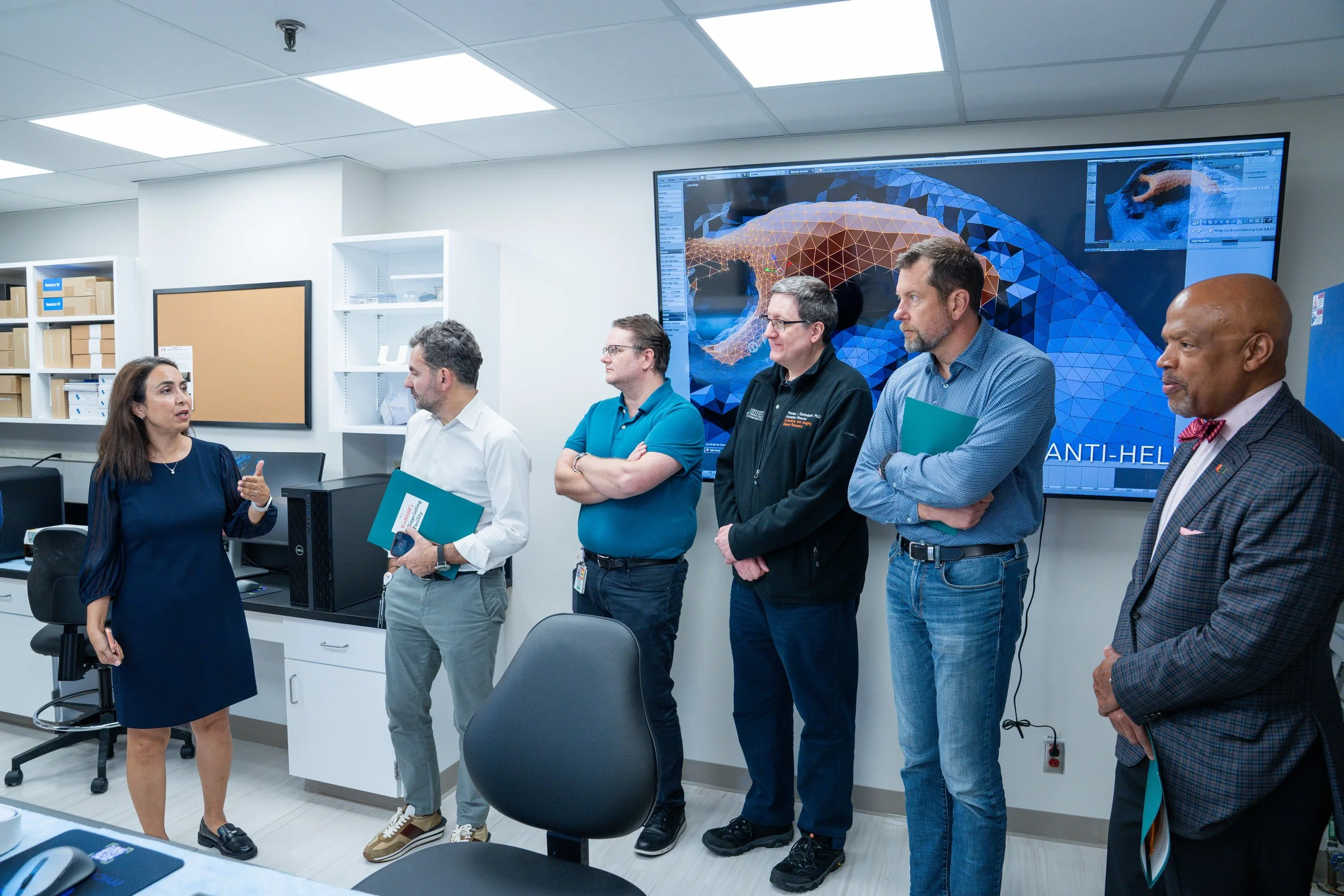
Located within the University of Miami Miller School of Medicine’s renovated R. Bunn Gautier Building, the 3D Bioprinting Facility was strategically positioned to accelerate the translation of research into patient-specific clinical solutions. Image: Courtesy of The University of Miami Miller School of Medicine
To support these goals, lab planners had to abandon the traditional model of isolated research spaces. Because the facility needed to serve surgeons, researchers, and students simultaneously, it had to be designed from the start as both a research engine and a clinical support system.
This dual mandate dictated its geographic placement. To achieve ultimate clinical responsiveness, the facility was located at the heart of the University of Miami Miller School of Medicine’s campus, specifically within the renovated R. Bunn Gautier Building.
“The ultimate goal was the clinical responsiveness that drove the decision to locate the facility at the heart of the University of Miami Miller School of Medicine’s campus. This is so that a surgeon could potentially arrive with a CT scan and leave with a custom implant or surgical tool within a few hours,” says Paulo Coelho, MD, DDS, PhD, who leads the research initiatives at the Miller School of Medicine that drive the 3D Bioprinting Facility. “That remains the long-term vision: to build, through BioNIUM, not just a facility, but a new institutional capability that helps move ideas from concept to care faster, more precisely, and with greater impact.”
Overcoming space constraints through integration
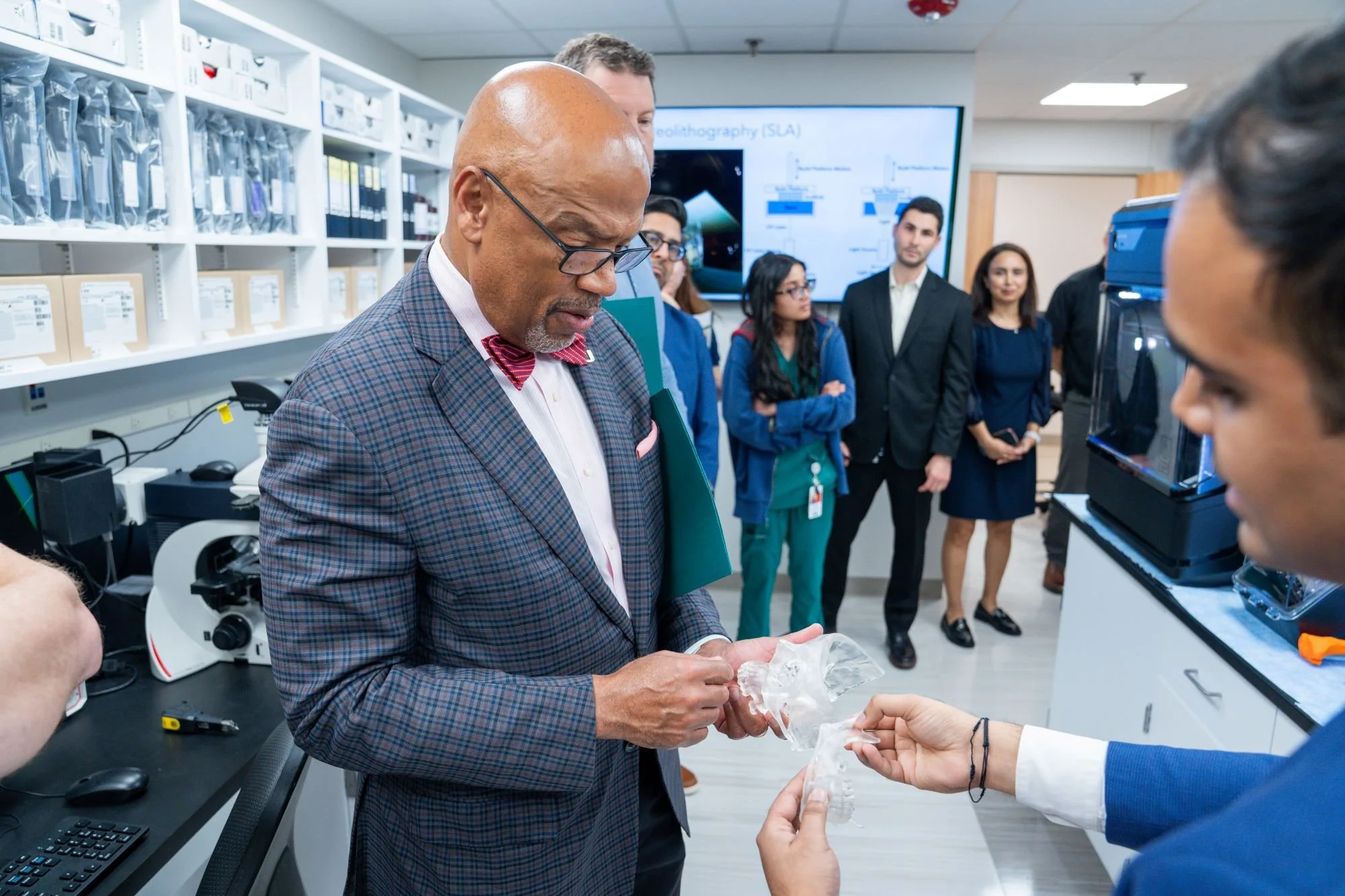
By integrating with the adjacent BioNIUM Nanofabrication Facility, the 3D Bioprinting Facility expands its fabrication and characterization capabilities without duplicating costly cleanrooms, microscopy systems, or specialized equipment. Image: Courtesy of The University of Miami Miller School of Medicine
One of the primary challenges confronting the project team was accommodating an extraordinarily wide spectrum of fabrication technologies within a finite space. The facility's work ranges from macro-scale bone scaffolding and anatomic models down to microneedle arrays, nanoscale components of nanobots, and microfluidic devices.
Instead of overbuilding the core facility to be entirely self-sufficient—which would dramatically increase capital costs and spatial footprints—the design philosophy focused on formal integration with the adjacent Dr. John T. Macdonald Biomedical Nanotechnology Institute (BioNIUM) Nanofabrication Facility.
Bahar Motlagh, PhD, BioNIUM director of facilities, notes that this approach shaped their growth and expansion strategy from the outset: "Rather than overbuilding the 3D Bioprinting Facility on day one, we designed it to scale through the broader BioNIUM ecosystem, creating a flexible and capital-efficient path toward advanced device fabrication, microfabrication-enabled biomedical systems, and future clinical translation without immediate expansion of the core space."
This integration allows workflows to move fluidly between the two facilities. For example, microfluidic components printed in the bioprinting lab can be refined, bonded, or characterized using photolithography tools in the Nanofabrication Facility, while micro- or nano-scale printed structures are evaluated via high-resolution scanning electron microscopy. This shared infrastructure model eliminated the need to duplicate expensive characterization equipment and cleanrooms within the bioprinting footprint itself.
Equipment modality and complex spatial zoning
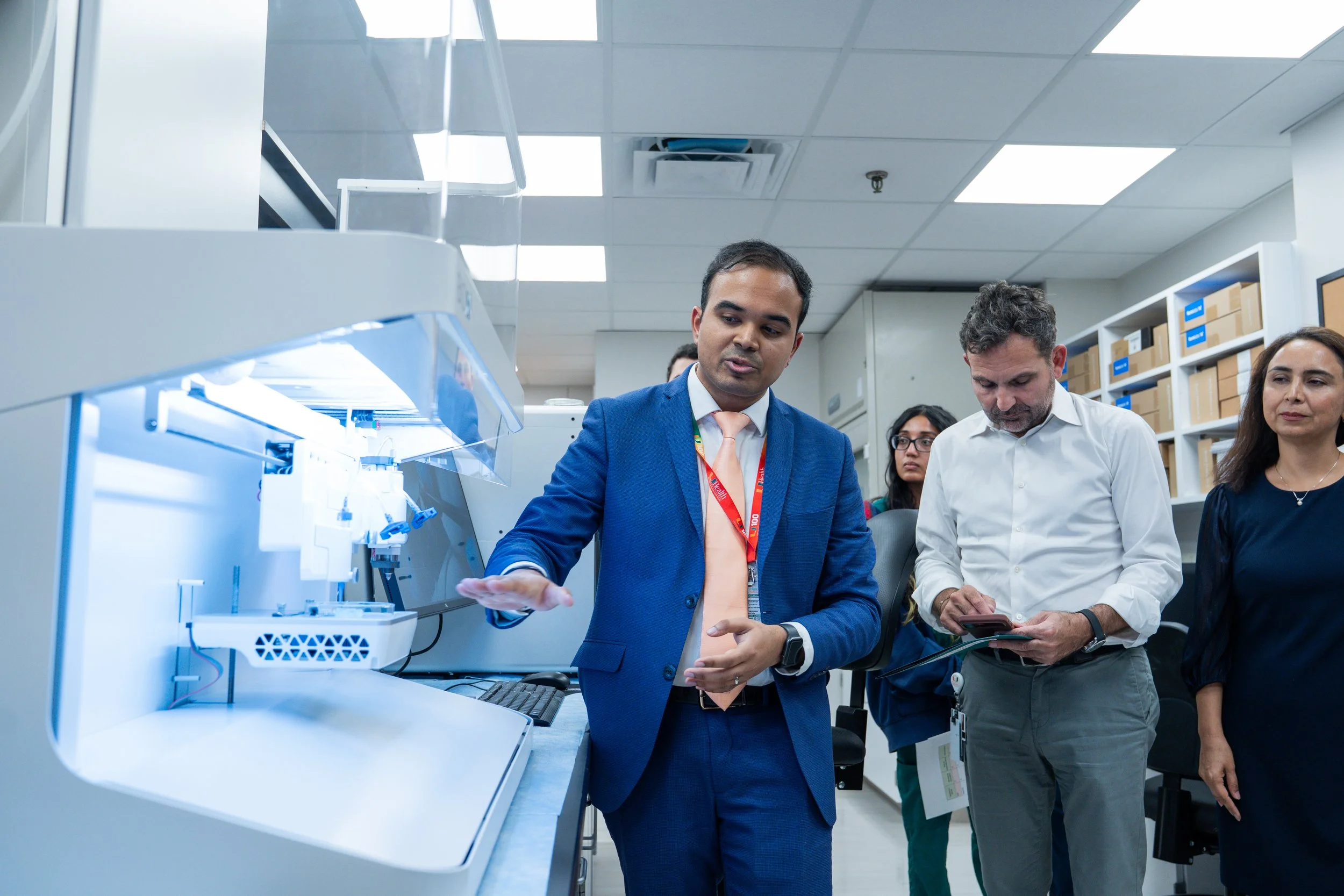
The facility’s floor plan separates bioprinting, polymer printing, digital design, and post-processing functions into specialized zones, allowing multiple 3D printing modalities to operate efficiently while meeting distinct environmental, safety, and workflow requirements. Image: Courtesy of The University of Miami Miller School of Medicine
From an engineering and architectural perspective, operating multiple printing modalities simultaneously introduces severe environmental and workflow challenges. The facility operates across a vast equipment portfolio, including:
Bioprinting (live cells)
Stereolithography (SLA) & Masked Stereolithography (MSLA)
Fused Filament Fabrication (FFF)
Direct Ink Write (DIW)
Two-Photon Polymerization (TPP) for nanometer-level resolutions
Digital Light Processing (DLP)
Because these different modalities require unique environmental conditions, material handling protocols, and post-processing workflows, Vasudev Vivekanand Nayak, PhD, the facility’s operational manager, organized the space using a natural framework based on required levels of expertise and equipment sophistication.
“Future flexibility was approached at multiple levels. Technologically, the equipment portfolio was deliberately chosen to span the full range of current 3D printing modalities ensuring that the facility could serve researchers at any point along the technology adoption curve,” says Nayak. “[The] majority of the printers we have at the facility have been chosen after thorough market research to ensure system modularity and ease of upgrade as opposed to requiring complete base instrument upgrade. The materials strategy was similarly forward-looking. Rather than stocking only commercially available materials, the facility (in collaboration with the Nanofabrication Facility) is equipped with enabling in-house development and characterization of customized filaments, colloidal gels, and bioinks. Strategically, the BioNIUM umbrella provides an expansion mechanism that doesn't require physical renovation.”
Architects zoned the floor plan into distinct, specialized spaces:
Bioprinting zone: Engineered to preserve cell viability, requiring stringent environmental controls to maintain sterility during live-cell manipulation.
Polymer and resin-based zones: Isolated areas dedicated to UV-curable resins, SLA/DLP systems, and thermoplastic filaments, incorporating dedicated ventilation to manage chemical off-gassing.
CAD/CAM computing stations: High-performance workstations positioned away from wet laboratory benches, built specifically to process patient MRI/CT data for volumetric reconstruction and direct translation into printable models.
Post-processing and sterilization suite: A dedicated workflow area equipped for washing, chemical curing, sintering, and an in-house autoclave to ensure strict sterilization compliance for clinical translation.
Designing for education without research disruption
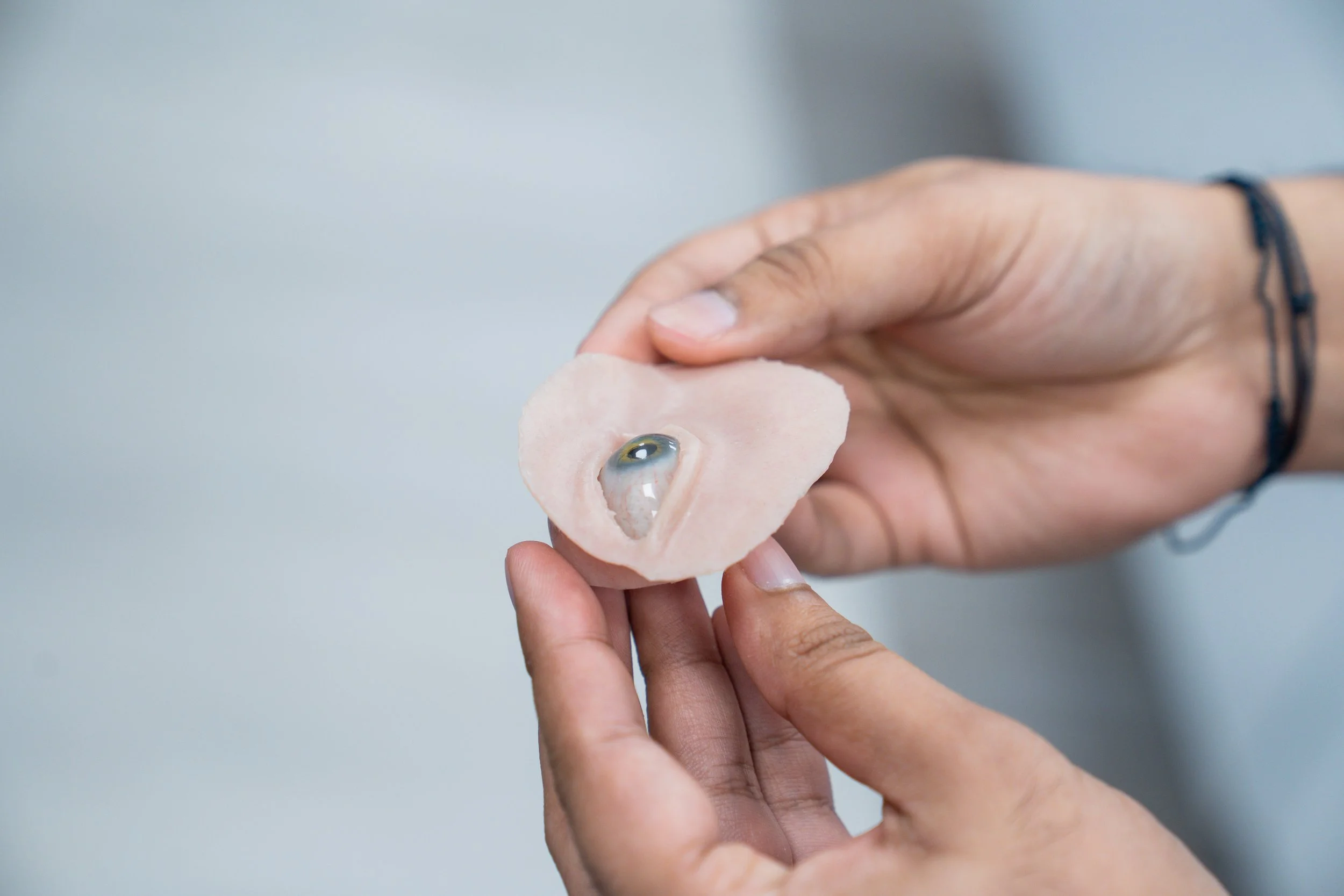
The facility supports both education and research through a structured scheduling system, tiered access controls, and strategically zoned equipment that enables student training without disrupting sensitive scientific workflows. Image: Courtesy of The University of Miami Miller School of Medicine
Integrating an educational mission into a high-tech research facility often introduces operational friction, congestion, and risks of contamination. To mitigate this, the facility treats education as a core function and implements a highly controlled operational strategy.
The facility features an explicit reservation and scheduling system designed by the management team to isolate training sessions, workshops, and student instruction from time-sensitive, project-based research workflows. Additionally, lab planners grouped training activities into designated time blocks and positioned lower-risk, entry-level printing systems closer to the perimeter for student onboarding. More advanced, specialized workflows remain protected behind tiered access controls, meaning only appropriately trained users can operate highly sensitive instruments independently.
Key takeaways for lab planners and architects
The successful completion of the University of Miami 3D Bioprinting Facility offers several critical insights for organizations planning advanced manufacturing and biomedical laboratories:
1. Specialize intentionally for the sector
The majority of university makerspaces are configured broadly for engineering schools or library environments. Medical fabrication demands distinct material specifications, strict sterilization compliance, and close proximity to clinical spaces. Architecture and mechanical systems must reflect these specialized clinical integration needs from day one.
2. Prioritize system modality over base overbuilding
To buffer against rapid technological obsolescence, the facility's procurement strategy focused heavily on market research to select instrument platforms that feature systemic modularity and ease of upgrade, avoiding the need for complete base instrument overhauls as emerging techniques mature.
3. Build the team before the lab
A multidisciplinary environment spanning biochemistry, engineering, materials science, and surgery requires an equally diverse planning team. The collective expertise of the staff should actively dictate physical infrastructure decisions, rather than trying to adapt a pre-built space to an afterthought operational model.
“On the team side, we come with expertise across 3D printing, surgery, biochemistry, molecular biology, biomaterials, biomedical technology, and device design and fabrication with an average of over 15 years of experience across academia, medical research, and industry,” says Coelho. “That breadth was itself a design principle: you cannot build a multidisciplinary facility without a multidisciplinary planning and executive team.”
4. Lean on ecosystem partnerships
Architects and planners should resist the temptation to build self-sufficient standalone labs. Designing formal, fluid workflows between complementary facilities—such as imaging, clinical simulation, and nanofabrication—creates a highly capital-efficient, interconnected ecosystem that is far more powerful than any isolated facility could support.
Blueprint for clinical innovation
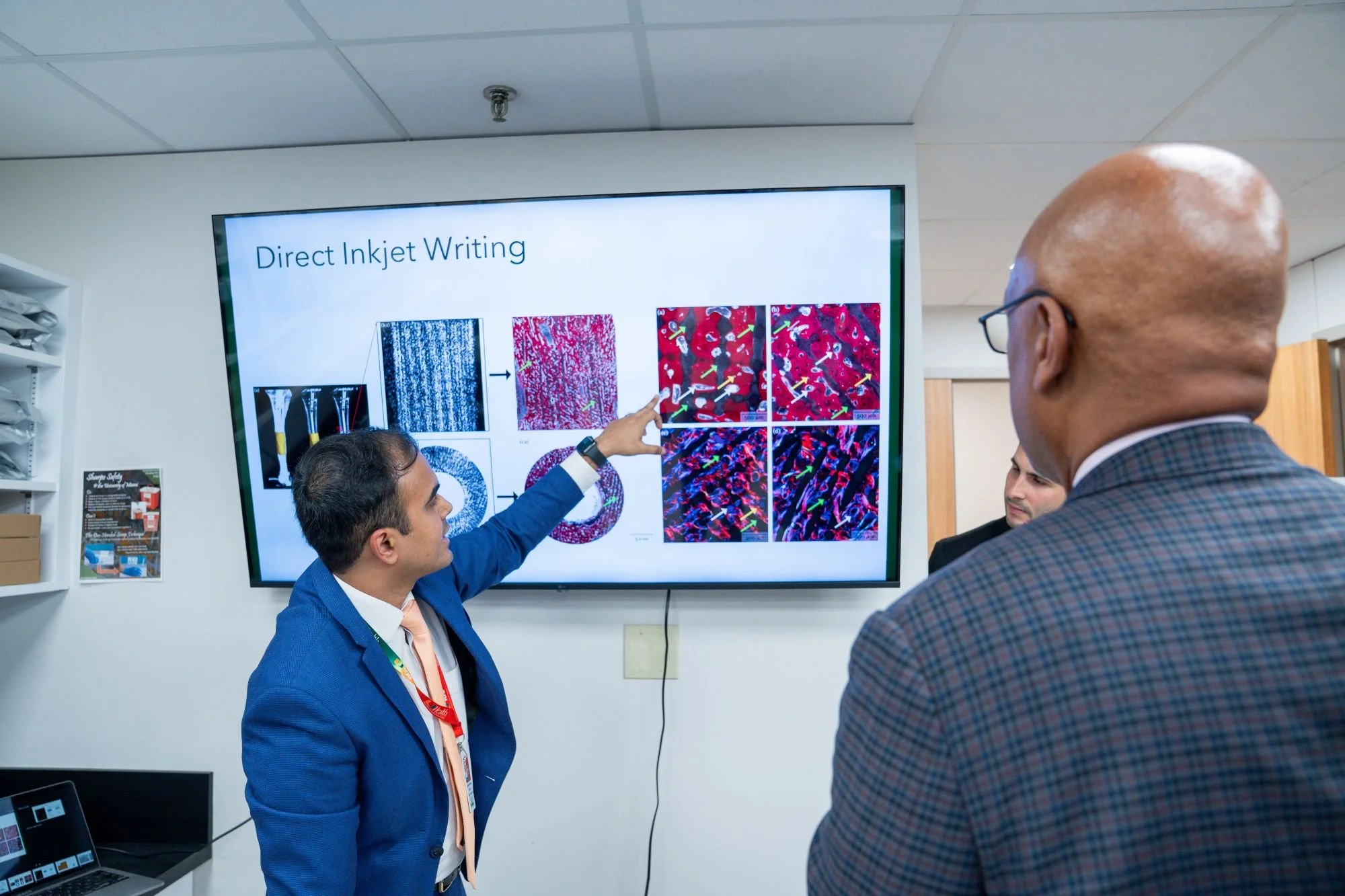
By focusing on unmet needs and strategic partnerships, the facility demonstrates how thoughtful planning can extend capabilities without expanding footprint. Image: Courtesy of The University of Miami Miller School of Medicine
Ultimately, the success of any advanced biomedical laboratory relies on a fundamental shift in mindset during the initial programming phase. As organizations look to replicate the University of Miami’s success, Motlagh suggests that planners must prioritize institutional utility over pure technological novelty. “Our advice would be start with the problem, not the technology,” she emphasizes. “Before selecting equipment or designing the space, ask what real clinical, research, or educational gap the facility is meant to solve. What is currently missing? Where are the bottlenecks? What capabilities do clinicians, researchers, and trainees need but do not have access to? A successful specialized bioprinting or advanced fabrication facility should not be built around what is technically impressive—it should be built around clearly defined unmet needs.”
By establishing these programmatic requirements early, architects can design highly intentional spaces rather than adapting generic, underutilized footprints after construction concludes.
To turn these unmet needs into a functional, competitive environment, facilities must be architected for systemic integration rather than isolation. Nayak advises institutions to "design for partnership, not self-sufficiency," noting that "the team composition should drive the facility design, not the other way around." This collaborative framework allows universities to leverage adjacent infrastructure rather than overbuilding, maximizing capital efficiency. Grounding the physical environment in real-world application remains the ultimate metric of design performance.
Finally, Coelho adds, “Connect your facility to pre-clinical or clinical reality as directly as possible. The most compelling validation of this work could be a publication, patent, or a surgeon reporting back that a procedure(s) was a success as a result of the technology developed in the facility. Design with these things in mind, and the research, education, and funding will follow.”