
[[bpstrwcotob]]
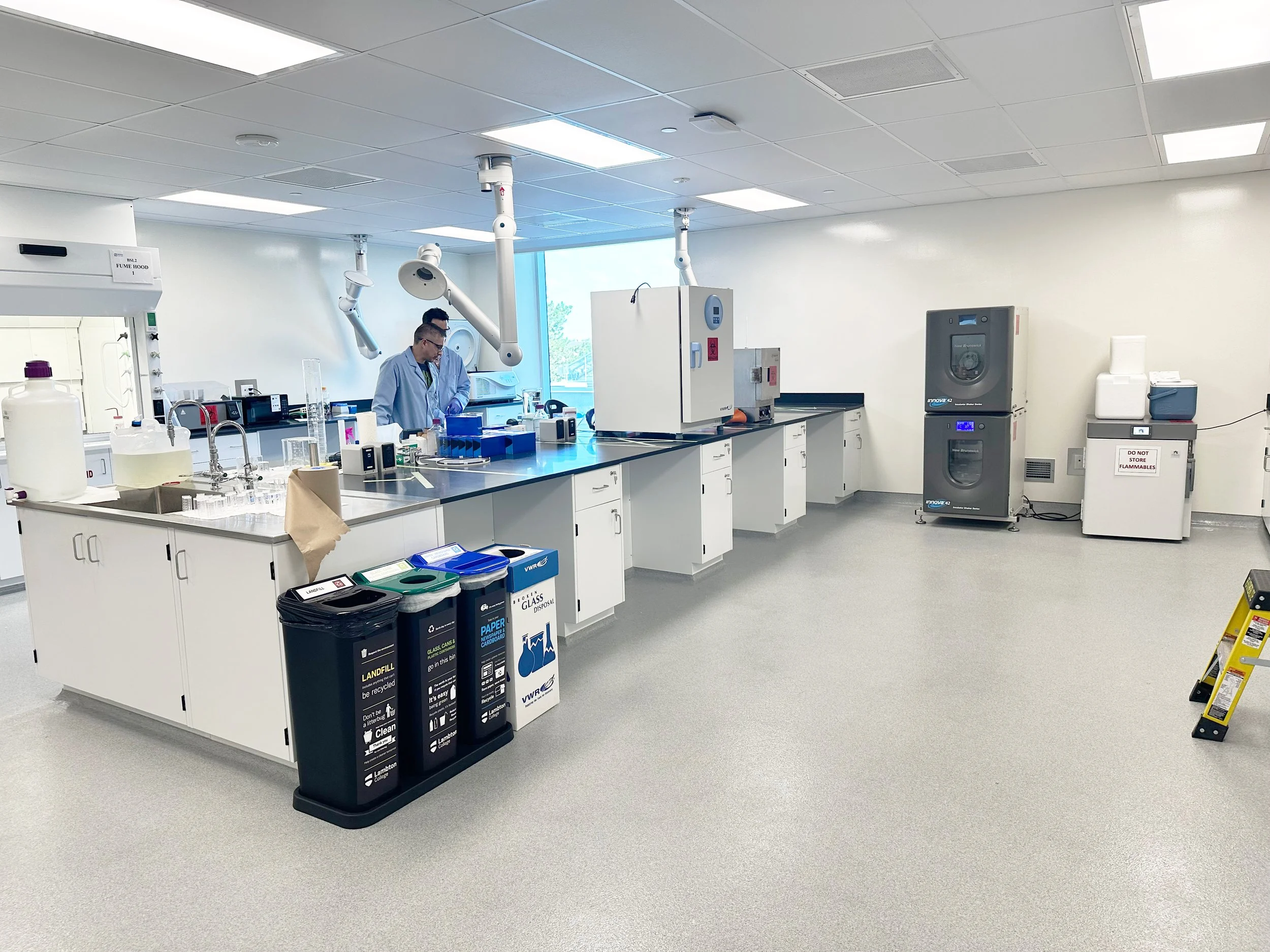
Optimizing A BSL-2 Lab For Safer, More Complex Applied Research
Lambton College is upgrading its BSL-2 laboratory with $2.47 million in funding to strengthen applied research infrastructure by improving safety, throughput, and efficiency through targeted, equipment-driven upgrades, optimized lab zoning, and early regulatory planning—without major renovations or disruption
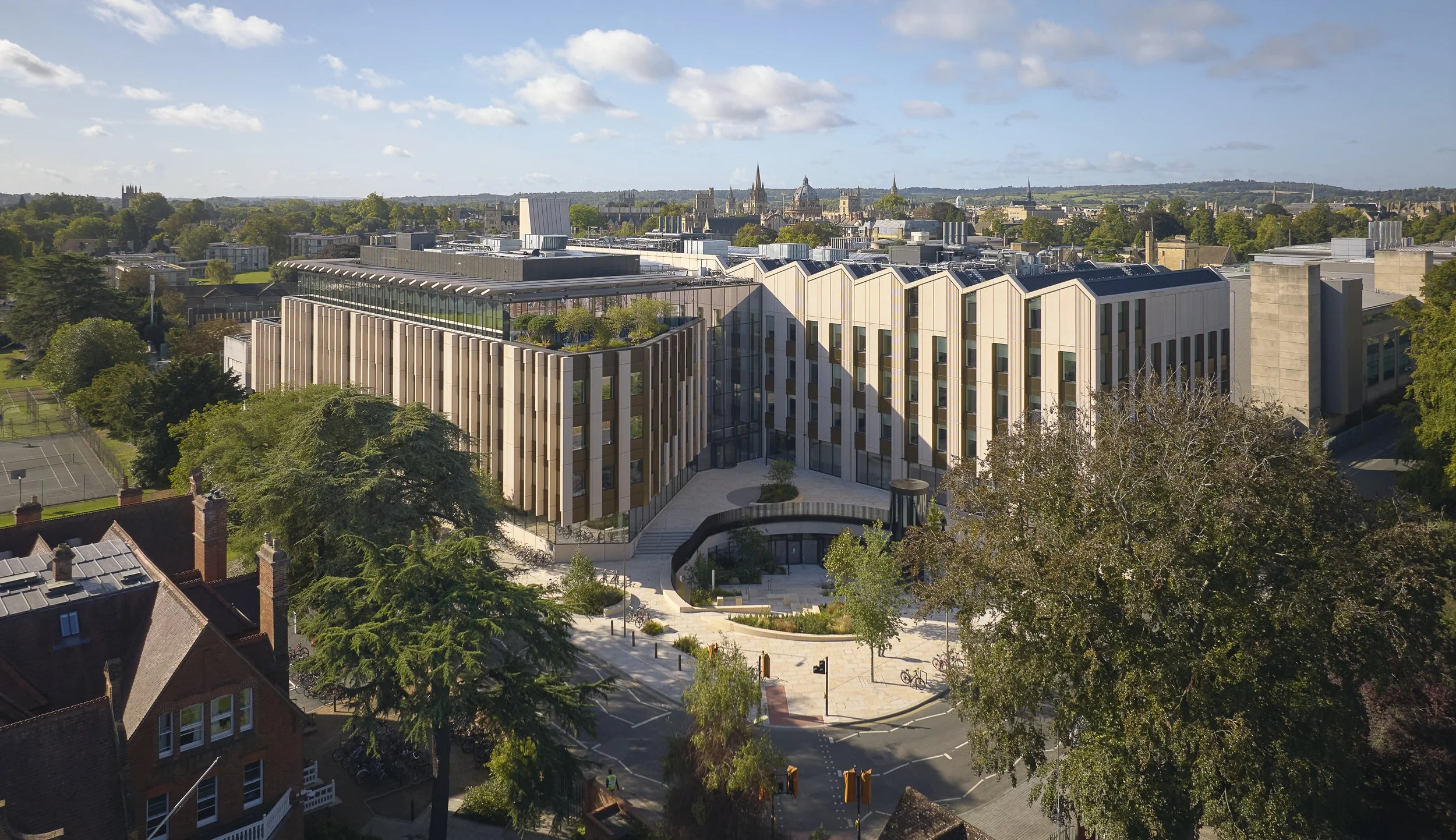
Translating Neuroscience into Architecture While Advancing Sustainable Lab Design
The University of Oxford’s Life and Mind Building demonstrates how integrating high-performance envelope design, user-driven planning, and durable, context-responsive architecture can transform fragmented departments into a cohesive, future-ready research environment
Modernizing a Mid-Century Lab for Current Research
The University of Louisville’s 1969-era Life Sciences Building is closed for a major renovation, replacing outdated mechanical, electrical, plumbing, and safety systems to modernize the facility, improve reliability, and support research and teaching well into the future
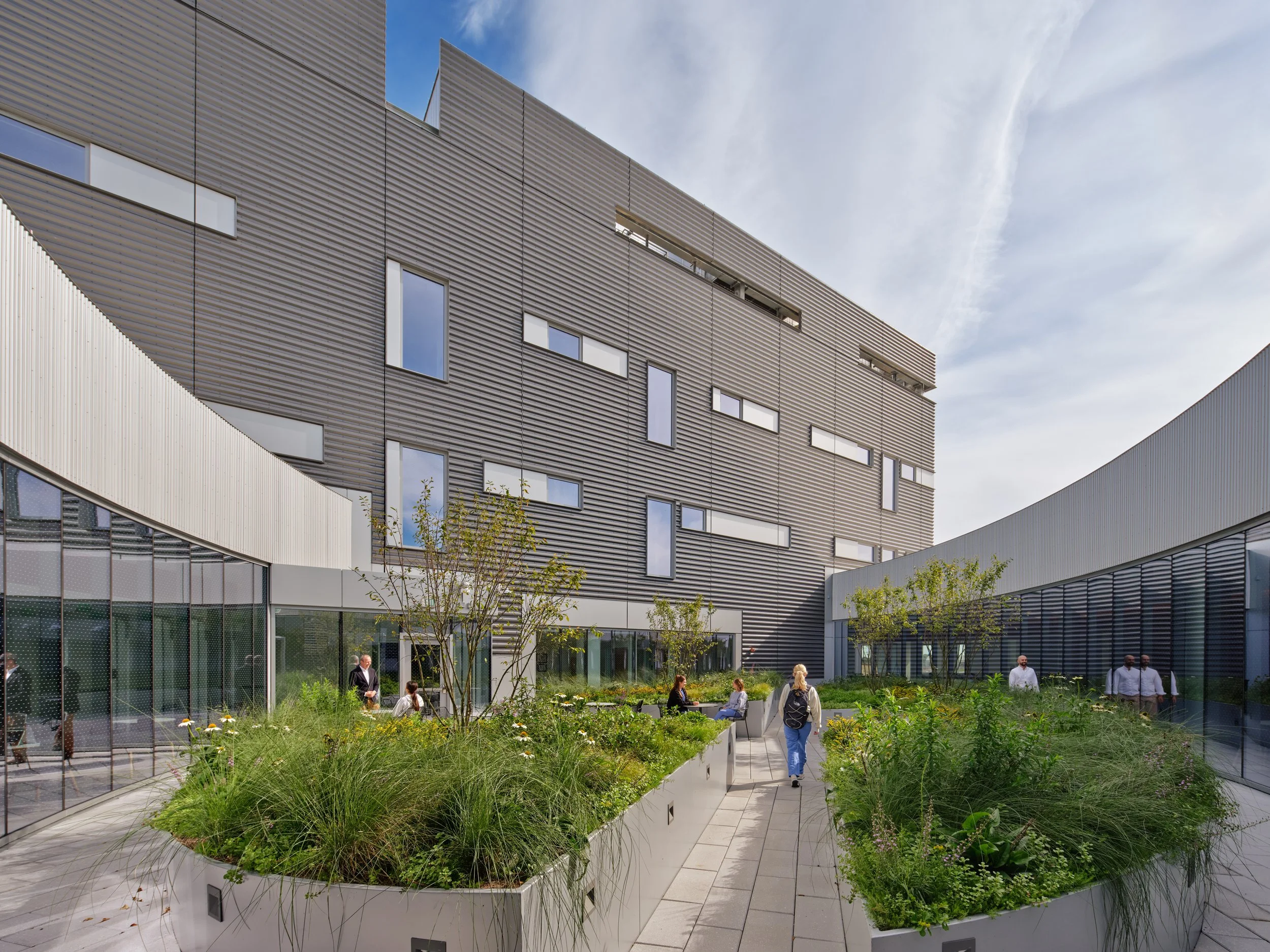
The Making of New Jersey’s First Veterinary School
Rowan University’s new Shreiber School of Veterinary Medicine brings together a teaching hospital, academic program, and translational research center in a purpose-built facility shaped by deep faculty collaboration, strategic state and philanthropic investment
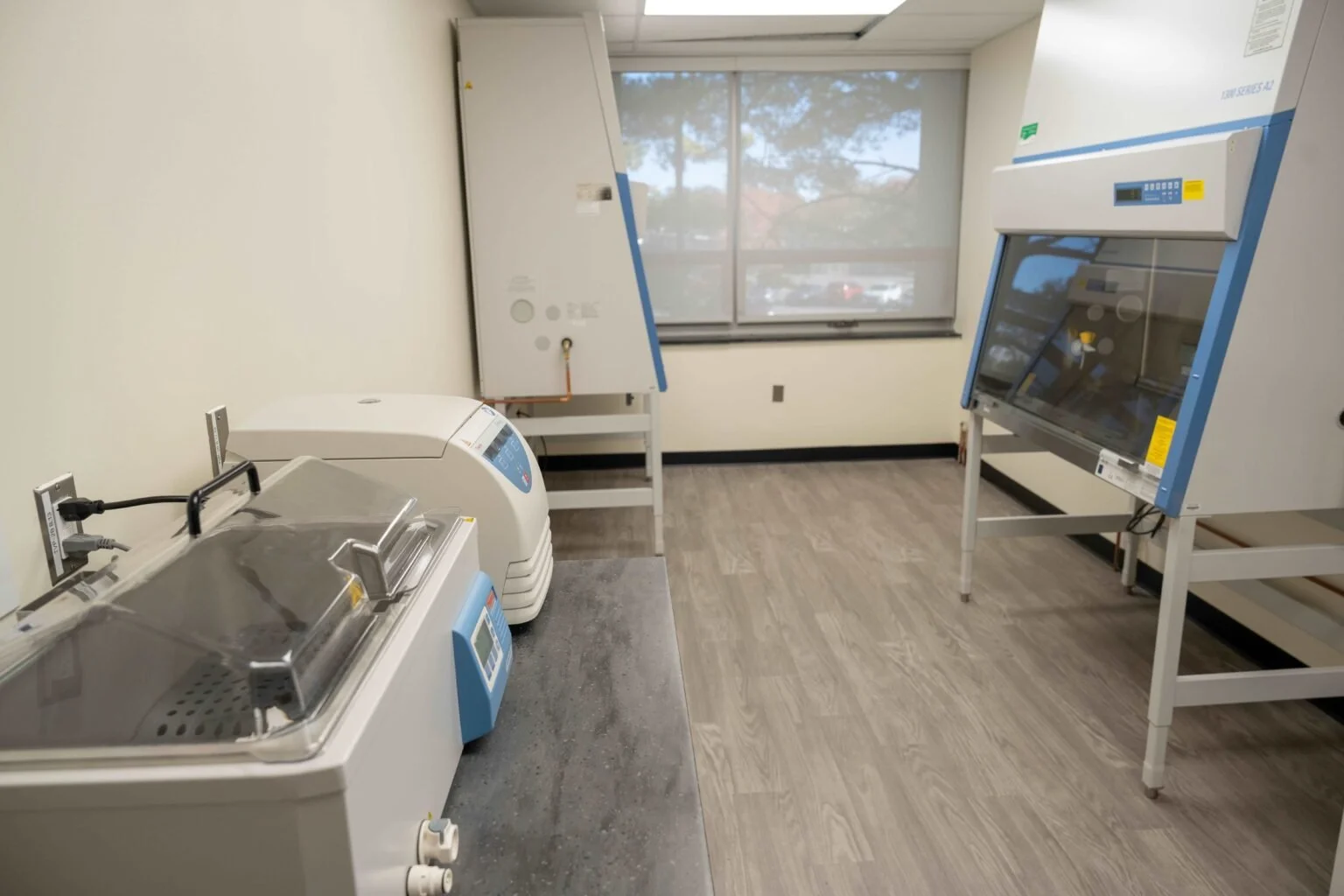
Designing an Aseptic Simulation Lab That Mirrors Biomanufacturing Reality
Middlesex College’s Johnson & Johnson–supported Aseptic Simulation Lab was purpose-built to replicate professional biomanufacturing workflows, providing students with hands-on cleanroom training through a carefully designed layout, selective equipment, and industry-aligned curriculum within the constraints of a community college setting
Michigan Tech’s H-STEM Facility: The Divergent Lab as a Catalyst for Change and Growth
Michigan Technological University’s new H-STEM facility embodies the Divergent Lab concept, creating a flexible, interdisciplinary, and future-ready home for its Health Research Institute while overcoming design, construction, and pandemic-related challenges
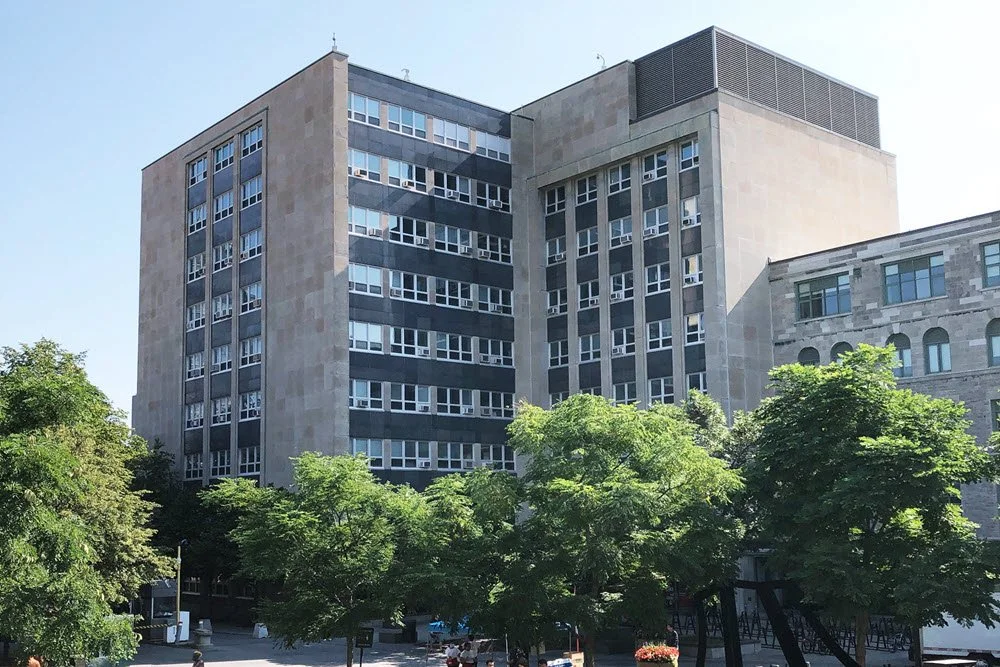
Planning for Sensitivity: Temperature, Vibration, and Power in Legacy Labs
Inside a 75-year-old, fully occupied academic building, McGill University is modernizing photonics labs while tackling challenges related to vibration, environmental control, and legacy infrastructure
An Engineer’s Approach to an Integrated and Innovative Research Institute
At the 2025 Lab Design Conference, AEI principals Blythe Vogt and Holly Lattin showcased the University of Arkansas’s I³R building as a model of sustainable, flexible, and modular lab design that integrates energy-efficient systems, adaptable floorplates, and forward-thinking engineering to support evolving interdisciplinary research needs
Decades in the Making: A Transformative Biology Building Finally Moves Forward
After more than four decades of planning and advocacy, a long-promised Biology Teaching and Research Building at Texas A&M is finally moving forward—the design aims to unite teaching and research, foster collaboration, and provide a modern, flexible home for future generations of biology students and faculty
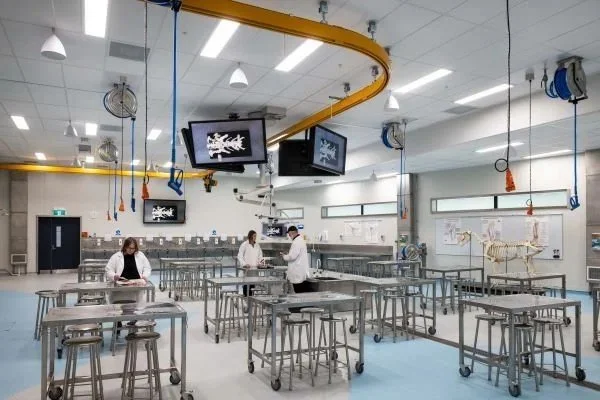
Design Strategies for Modern Veterinary Facilities
Veterinary laboratory projects increasingly demonstrate how design is being used as a strategic tool to support education, healthcare, animal welfare, workforce expansion, and public health while adapting to evolving operational demands and aging infrastructure