
Optimizing A BSL-2 Lab For Safer, More Complex Applied Research
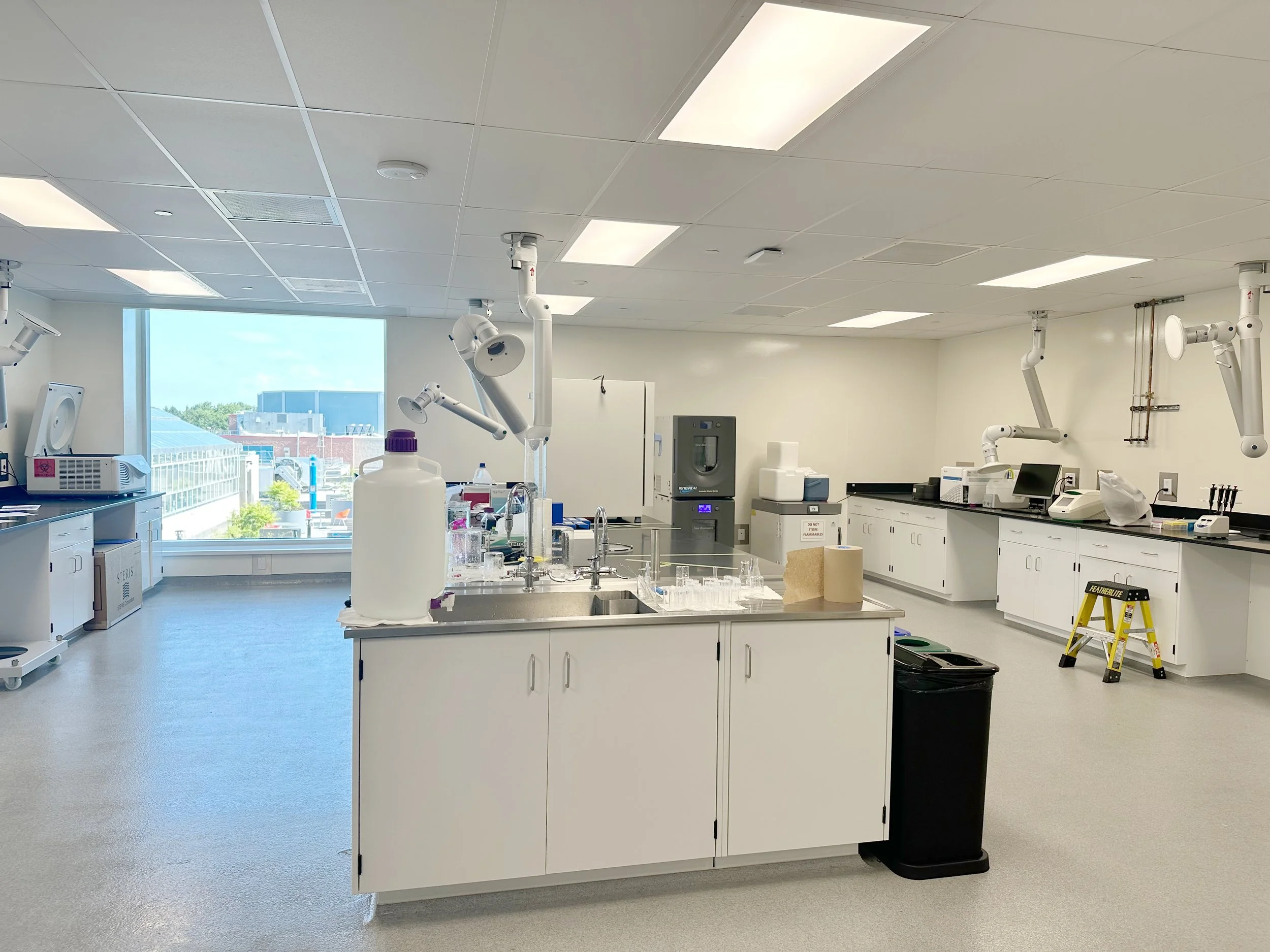
An investment from the Ontario Research Fund and Canada Foundation for Innovation is enabling Lambton College to upgrade its BSL-2 laboratory through targeted, equipment-focused improvements that enhance research capacity, efficiency, and industry alignment while minimizing disruption within the existing containment facility. Image: Courtesy of Lambton College
Lambton College in Sarnia, ON is undertaking a significant upgrade to its Biosafety Level 2 (BSL-2) laboratory, backed by more than $2.47 million in combined funding from the Ontario Research Fund (ORF) and the Canada Foundation for Innovation (CFI).
The investment is focused squarely on strengthening applied research infrastructure—expanding what the lab can safely handle, improving efficiency and throughput, and better aligning the facility with the needs of industry partners, students, and researchers.
The Lambton College BSL-2 upgrade offers a useful case study in how targeted infrastructure investments—rather than wholesale renovations—can dramatically improve capability while minimizing disruption. The project emphasizes equipment-driven optimization, clear functional zoning, and early regulatory planning, all within an existing containment framework.
Unlike many retrofit projects that struggle to adapt legacy spaces to modern biosafety requirements, Lambton College began from a position of strength. According to Stephen Reaume, director of applied research & innovation at Lambton College, the facility was already well suited to its containment classification.
“The lab was originally built to suit a containment level 2 facility, so the BSL-2 lab was well prepared and no constraints were present,” Reaume explains. This baseline allowed the project team to focus less on structural rework and more on enhancing research capability through new technologies.
When the core containment infrastructure is sound, meaningful performance gains can often be achieved through strategic equipment upgrades and workflow refinement rather than expensive spatial reconfiguration.
Expanding capability through advanced, hands-off technologies
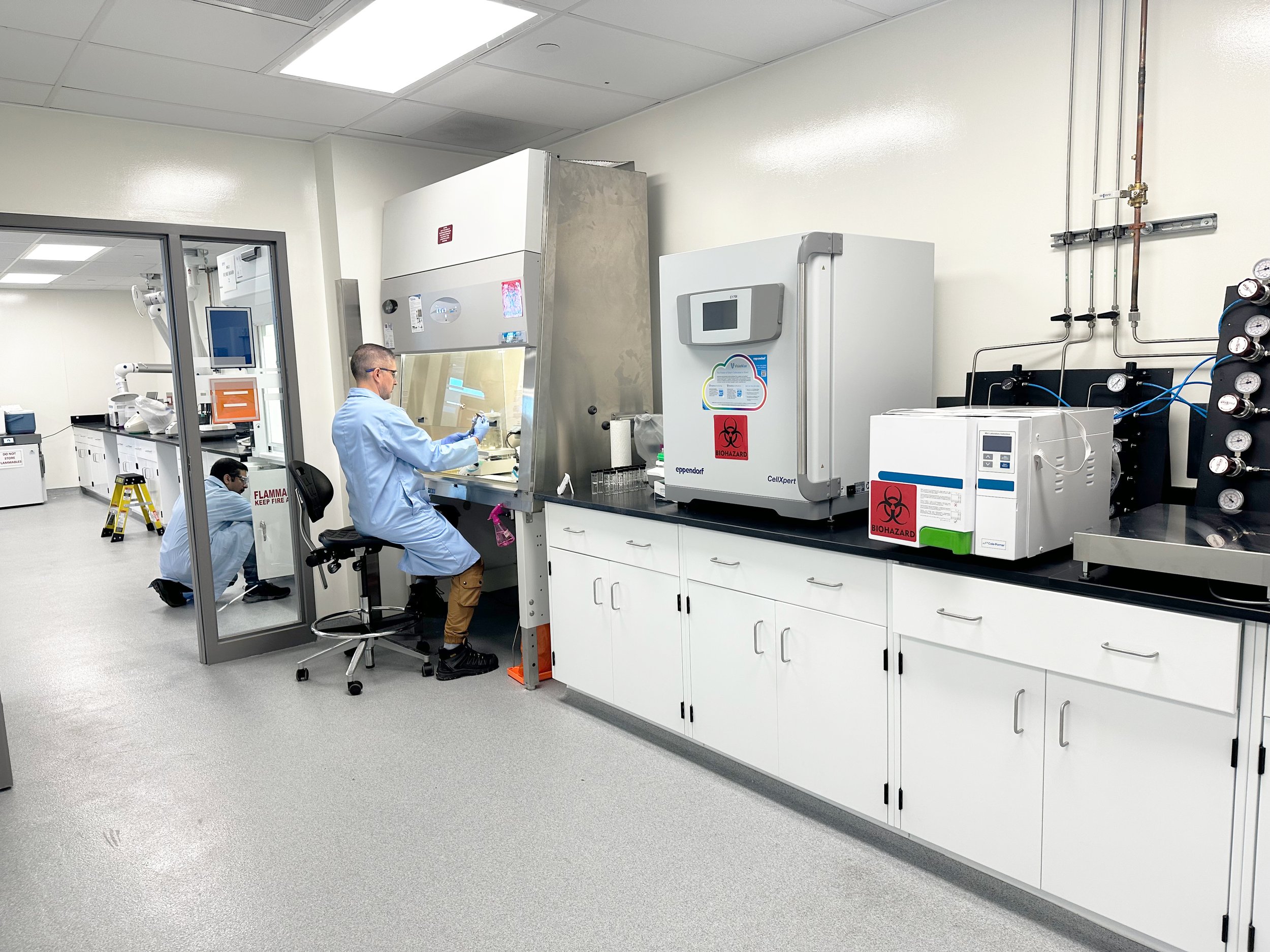
Upgraded BSL-2 lab equipment lets researchers safely perform higher-throughput microbial analysis with advanced tools like digital PCR and ELISA, boosting both efficiency and research capacity. Image: Courtesy of Lambton College
At the heart of the upgrade is a suite of high-tech analytical and processing equipment designed to support more complex and higher-throughput applied research. The new tools significantly reduce hands-on interaction with containment-level organisms, a shift that improves both safety and efficiency.
“The new funding will add high tech equipment that will increase the safety, complexity, and quality of the work being performed,” says Reaume. “It adds significant scientific analysis, processing and safety equipment so that researchers and students can increase the number of projects that come through the BSL-2 lab.”
New tools and systems will allow researchers to analyze and identify microorganisms far more quickly than traditional methods, Reaume says. “Microbial analysis, ELISA, and digital PCR equipment will analyze and identify microbes in a fraction of the time as standard procedures.”
Beyond speed, these technologies reduce manual handling, which is a critical biosafety consideration. “The lab is getting microbial analysis, processing, and quantification equipment that will be more hands-off than standard practices,” Reaume explains. “This will increase the number of projects that lower researcher interaction with containment level 2 organisms, for an overall increase in safety.”
For facilities teams, this highlights a growing trend in BSL environments: safety gains are increasingly driven by automation, enclosure, and digital analysis rather than airflow changes alone.
Optimizing layout through clear functional zoning
While the project did not require major structural changes, thoughtful organization of the existing space played a key role in optimizing performance. The upgraded lab is organized into clearly defined functional zones that support safe, logical workflows.
“There are specific sections of the lab for culture preparation, analysis, processing, and storage,” Reaume says. “This separation is now clearly laid out and prevents cross-contamination and allows full working space for everyone in the lab.”
This reinforces the core design principle that clarity of layout is as important as square footage. Even in a well-sized lab, ambiguous boundaries between activities can increase risk and reduce efficiency. Explicit zoning supports biosafety compliance while also making the lab more intuitive for students, visiting researchers, and industry partners.
Plug-and-play upgrades to minimize disruption
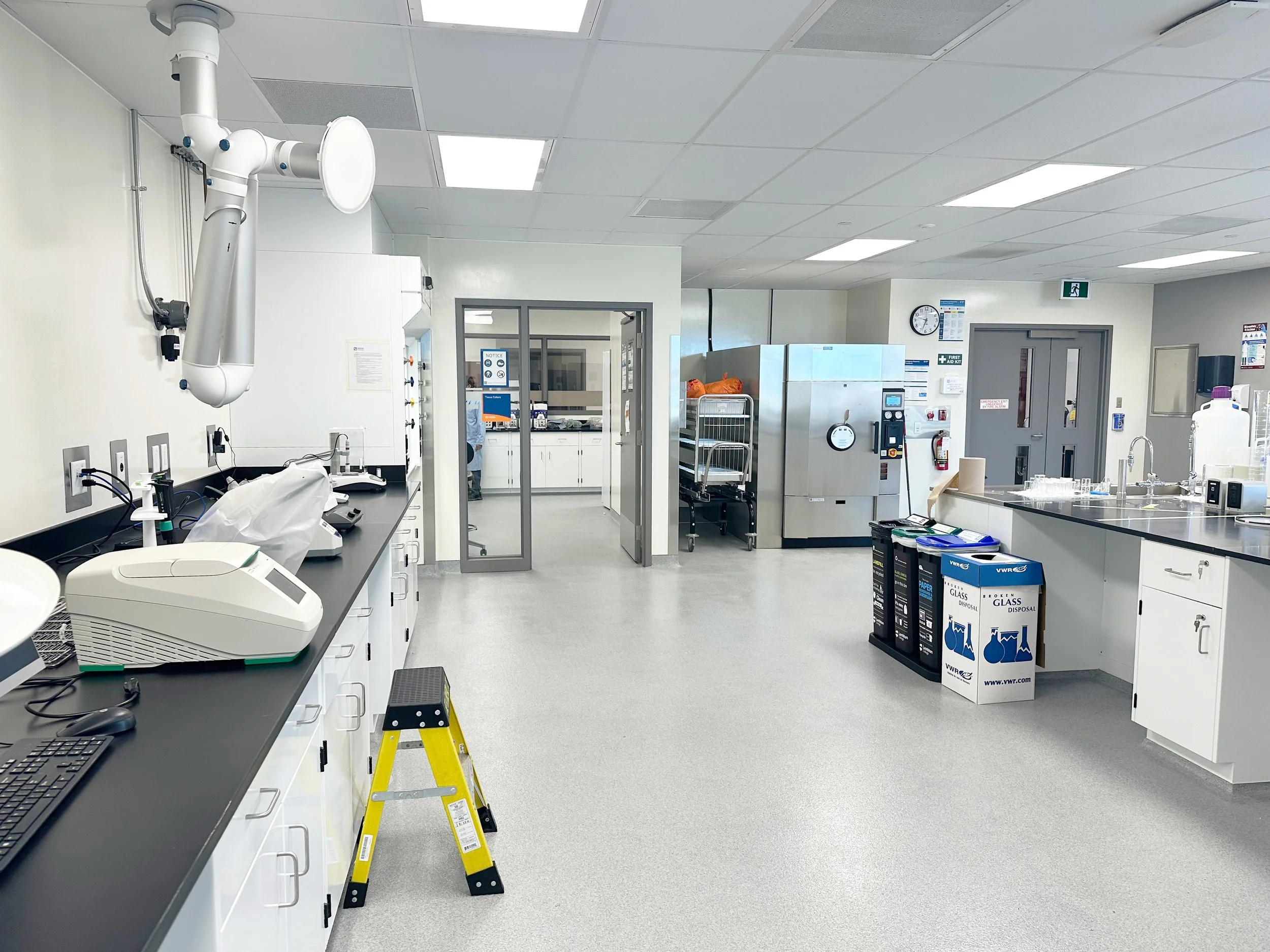
Lambton College upgraded its lab with plug-and-play equipment that integrates with minimal disruption, allowing research, training, and industry collaborations to continue seamlessly. Image: Courtesy of Lambton College
A common challenge in active research environments is upgrading infrastructure without halting ongoing work. At Lambton College, the team prioritized equipment solutions that could be integrated with minimal interruption.
“The upgrades are specifically plug-and-play equipment that is installed where it will be used, limiting disruption to only minor infrastructure upgrades (electrical and plumbing),” Reaume explains.
This approach allowed research programs, training activities, and industry collaborations to continue largely uninterrupted. For institutions with limited downtime windows, this strategy demonstrates the value of selecting equipment that fits within existing service capacities and spatial constraints.
Balancing budget, scope, and uncertainty
As with any equipment-intensive project, budgeting and forecasting presented challenges—particularly in predicting final costs for specialized technologies.
“The hardest part is predicting all the costs before you purchase the upgraded equipment,” says Reaume. To manage this uncertainty, the team relied on early supplier engagement. “Quotes were received during the application stage and then ongoing work with the suppliers continued after approval.”
For other institutions, this reinforces the importance of involving vendors early and maintaining flexibility in procurement planning, especially when funding approvals and equipment lead times may not align perfectly.
Engaging end users in equipment selection
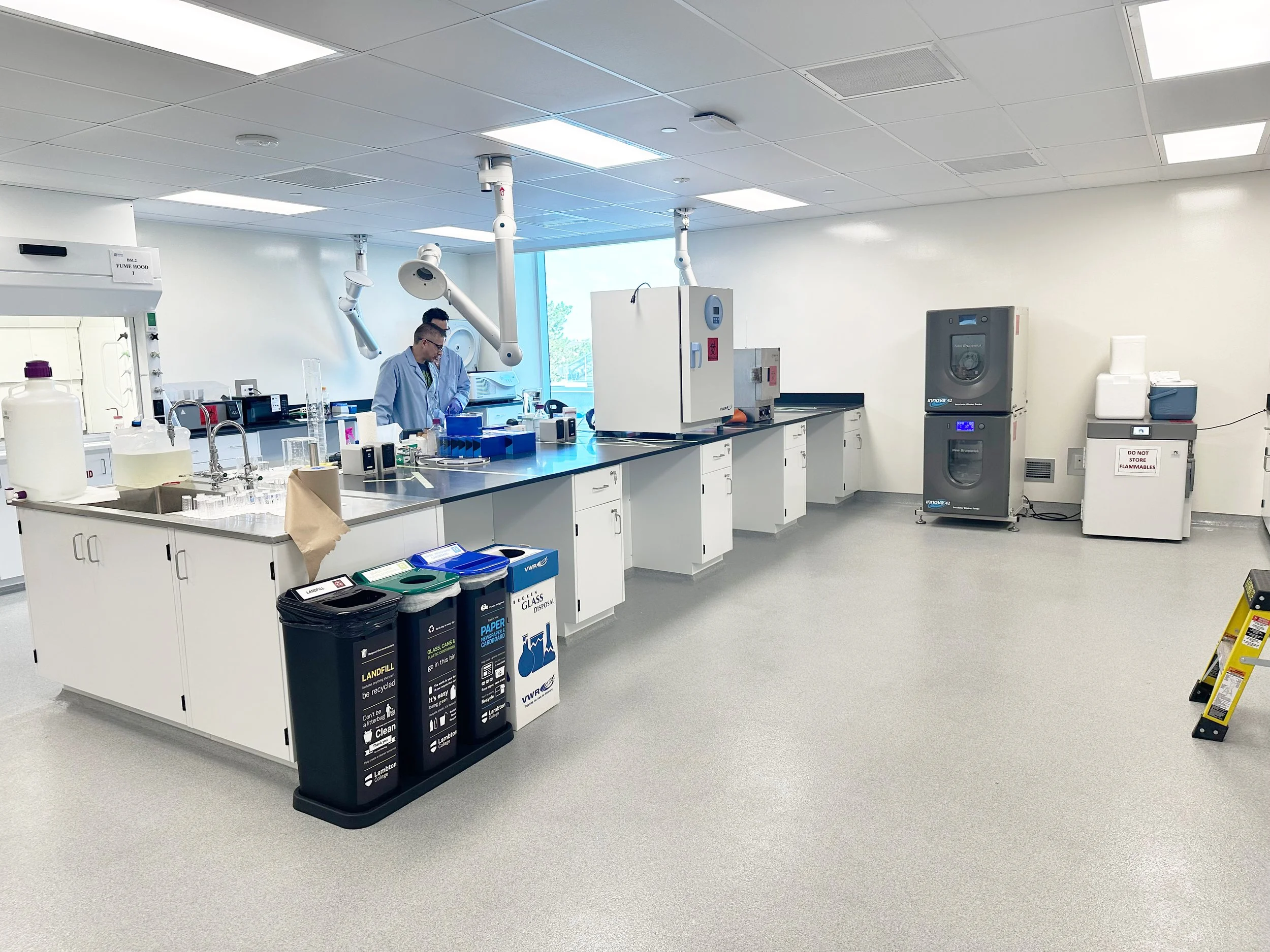
At Lambton College, researchers and students helped shape a dual-purpose BSL-2 lab that balances cutting-edge research with hands-on teaching, aligning upgrades with industry needs while supporting applied learning. Image: Courtesy of Lambton College
A notable strength of the Lambton College project was the direct involvement of researchers and students in shaping the upgrade.
“The researchers and students were directly involved as they provided the expertise on what companies they work with are looking for,” Reaume says. “Then management weighed those options against the feasibility of installing the equipment and came up with the final list.”
The upgraded BSL-2 lab is intentionally designed to serve both research and teaching functions, reinforcing Lambton College’s applied learning mission.
“BSL-2 was designed to be a research and training/teaching lab,” Reaume notes. “The additional equipment will be for research projects, but the base lab equipment will provide students with the advanced knowledge of working with containment level 2 organisms in a safe environment.”
For colleges and universities, this dual-purpose model offers a way to maximize return on infrastructure investments by supporting applied research, workforce development, and industry collaboration within a single facility. This collaborative approach helped ensure that new infrastructure aligns with real-world industry expectations while remaining practical from an installation and operations standpoint.
Lessons learned for similar projects
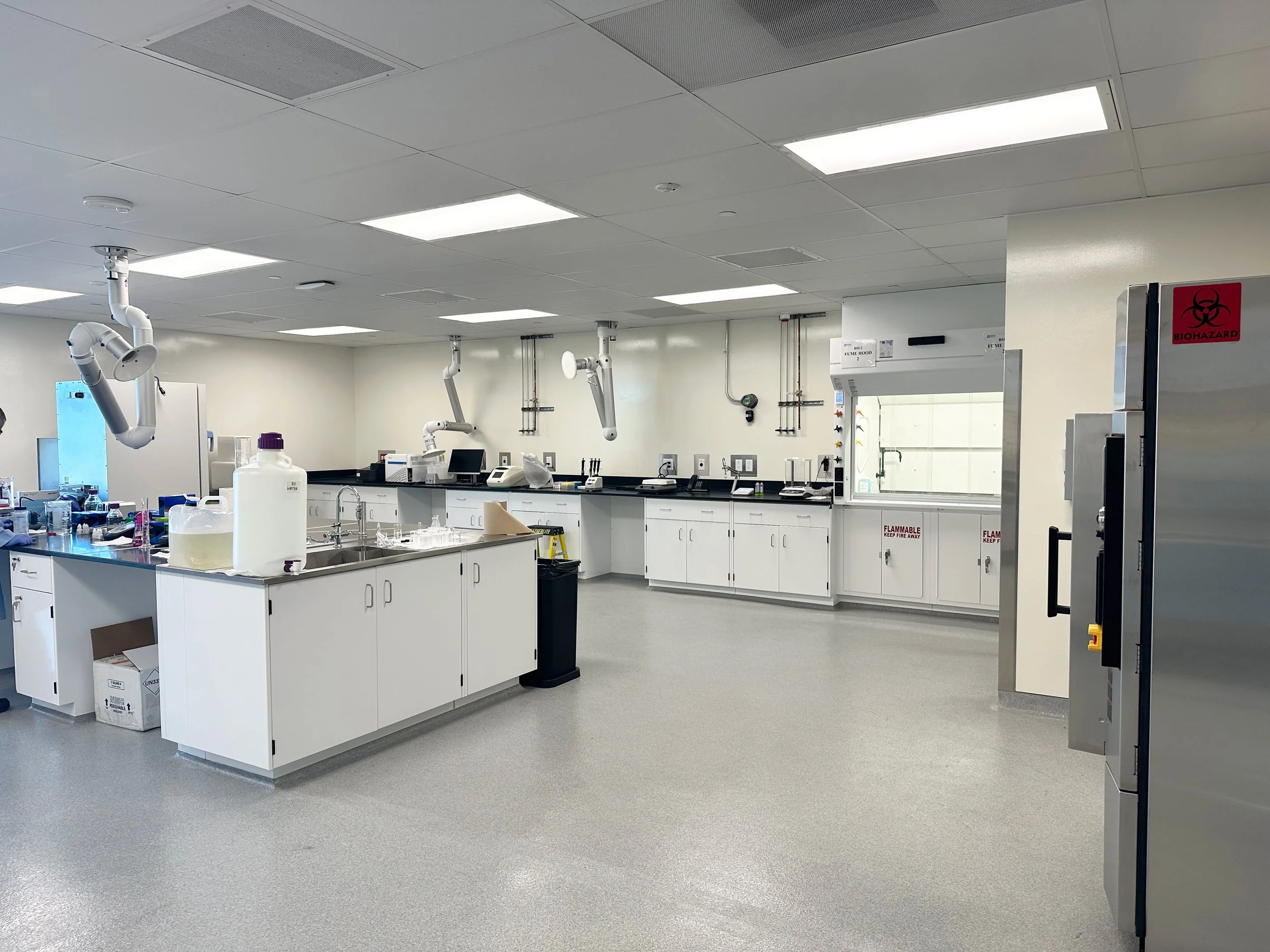
The Lambton College BSL-2 upgrade highlights that early regulatory planning, ongoing staff training, and targeted equipment improvements can enhance lab safety and capacity without major architectural changes. Image: Courtesy of Lambton College
Several clear lessons have emerged that may benefit peers planning BSL-2 upgrades. Regulatory planning, in particular, demands early and sustained attention.
“This is a long process requiring approvals from Health Canada and specific construction requirements,” Reaume emphasizes. “It is best to start early before the planning of any construction to ensure full compliance.”
He also stresses the importance of people, not just infrastructure. “Continual training throughout the construction and operation of the lab is also key.”
The Lambton College project shows that meaningful BSL-2 lab improvements don’t always require major architectural changes—by building on existing containment infrastructure and focusing on targeted equipment upgrades, functional zoning, and early regulatory coordination, facilities can enhance safety, capacity, and performance while remaining operational and adaptable for future needs.