
[[bpstrwcotob]]
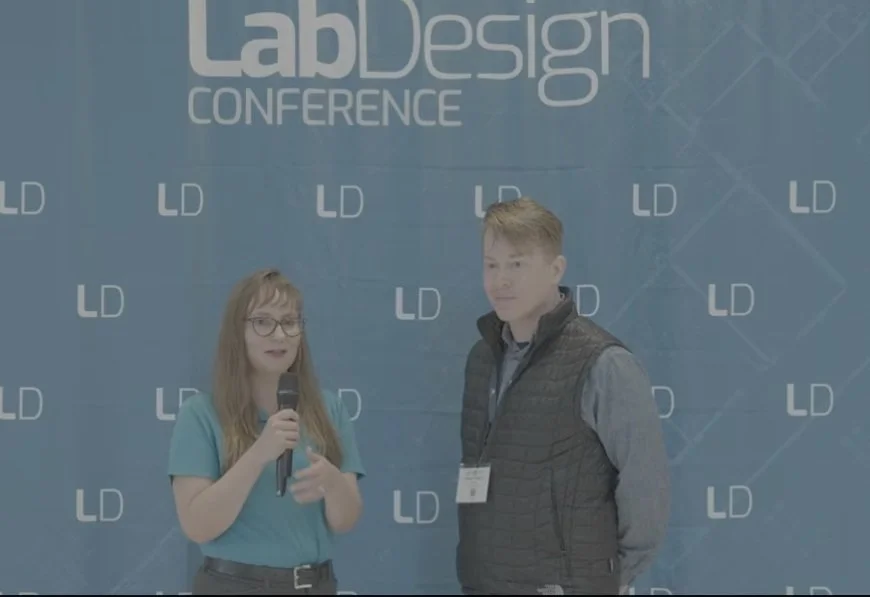
AI, Automation, and the Value of Industry Connections: On the Floor at the Lab Design Conference
Drawing on 18 years of attending the Lab Design Conference, Hanbury’s Regal Leftwich shares insights on emerging design trends, the growing impact of automation and AI, and the value of learning from the broader laboratory community
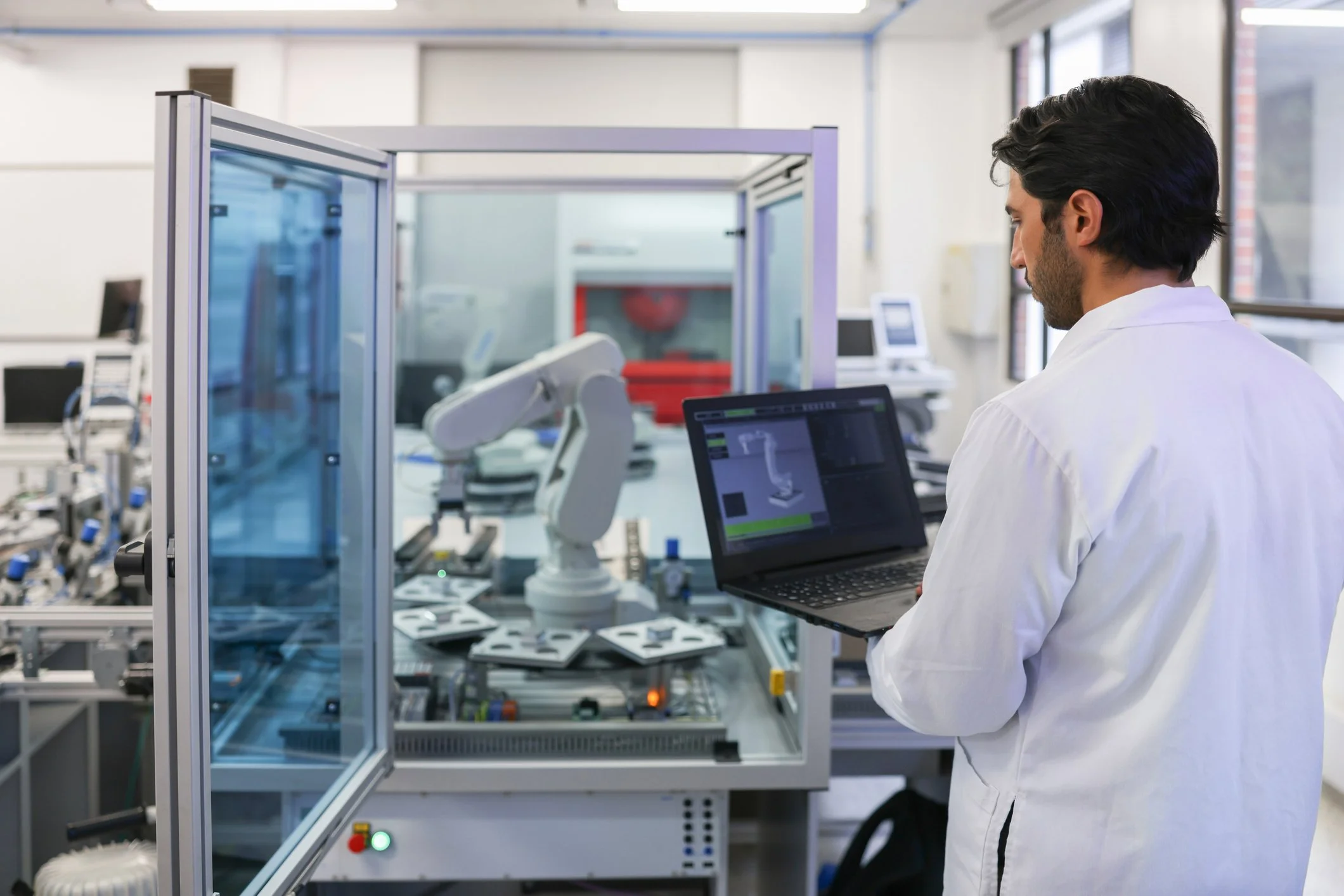
What Robotics-Driven Research Means for Future Laboratory Spaces
Autonomous labs are moving research beyond traditional workflows, requiring new approaches to flexibility, infrastructure, and collaboration. Learn how robotics, AI, and automation are influencing the design of next-generation laboratory environments

Protecting Long-Term Laboratory Building Performance: Designing Beyond Day One
Laboratory facilities achieve the best long-term performance when they are designed not only for current research needs, but also for decades of adaptability, maintainability, system reliability, and verifiable life-safety performance through proactive planning, integrated documentation, and ongoing building system management

What the Life Sciences Market Means for Your Next Lab
In a rapidly evolving life sciences market, designing for change may be the most important investment a lab owner can make
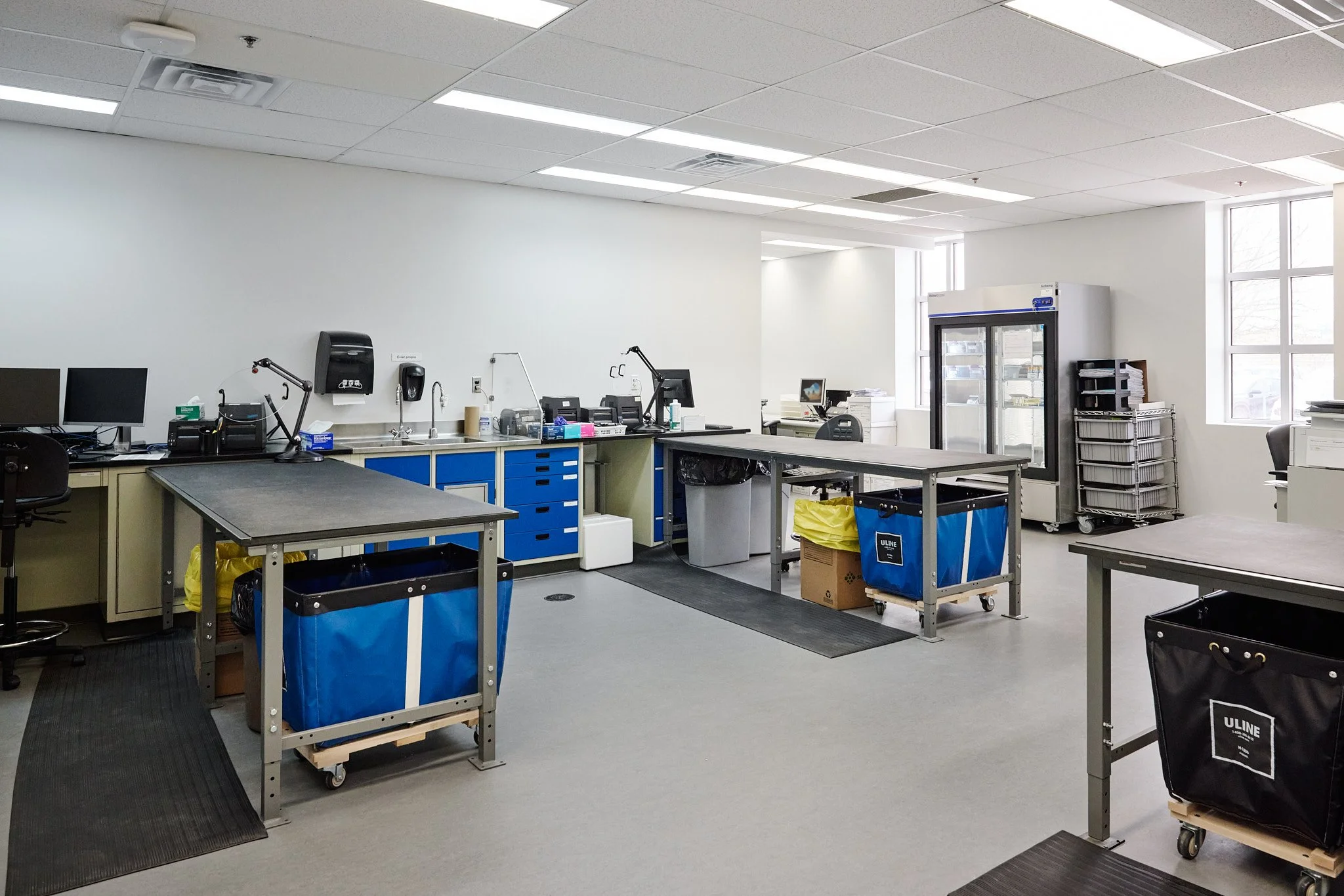
Integrating Diagnostics and Genetics Through Laboratory Design
Dynacare’s new precision medicine laboratory in Laval’s Biotech City consolidates diagnostic and genetics operations into a user-centered, highly integrated facility that enhances collaboration, streamlines workflows, maintains service continuity during transition, and advances efficient, patient-focused care
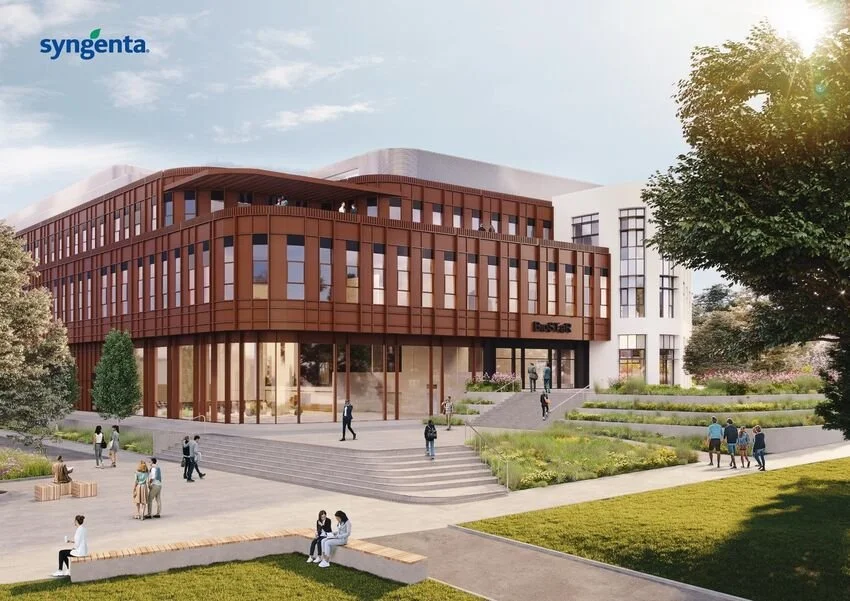
Where AI Meets Agriculture: Inside Syngenta’s Next-Gen Research Center
Syngenta’s BioSTaR facility is an AI-enabled agricultural bioscience research center designed to bring 300 scientists together in highly flexible, future-ready lab environments that integrate automation, digital infrastructure, and interdisciplinary collaboration to accelerate sustainable crop innovation
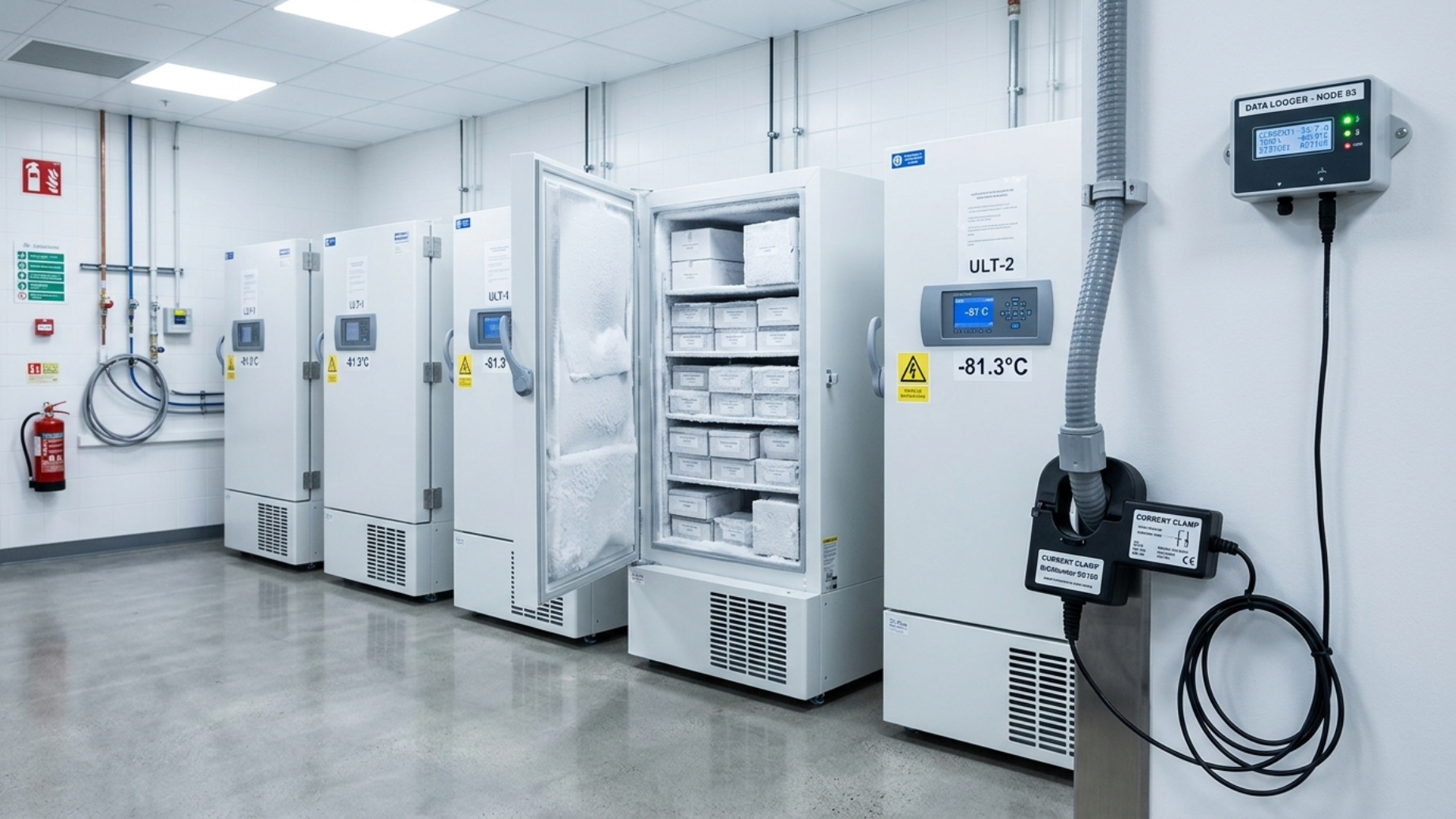
Predictive Maintenance: Listening to Freezer Motors
How current transducers and equipment monitoring systems predict ULT freezer failure weeks before it happens—and what that means for lab design.
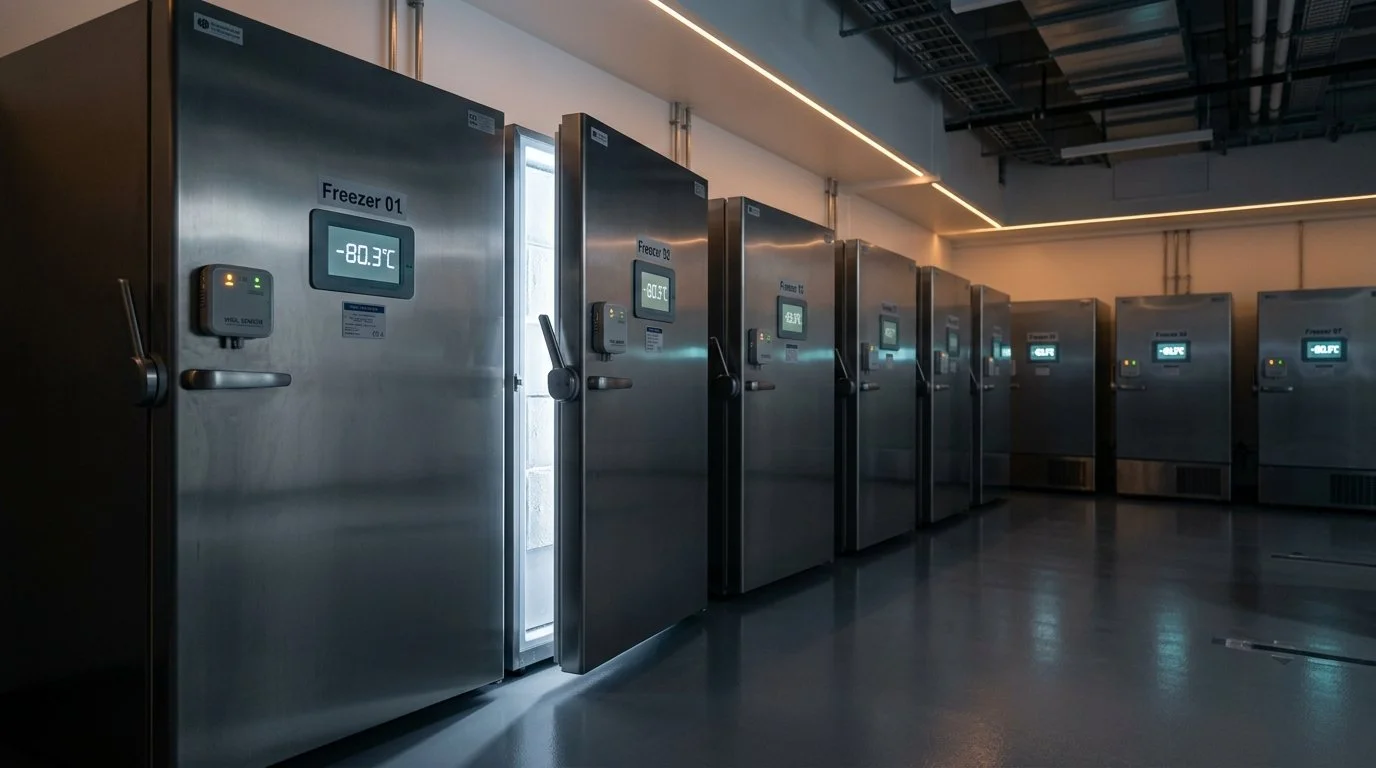
Cold Chain Monitoring: Automated Compliance for the Modern Lab
The clipboard on your freezer door is not a compliance strategy. Automated digital data logging does the same job with fewer errors, no gaps in the record, and a report that holds up to an FDA inspection
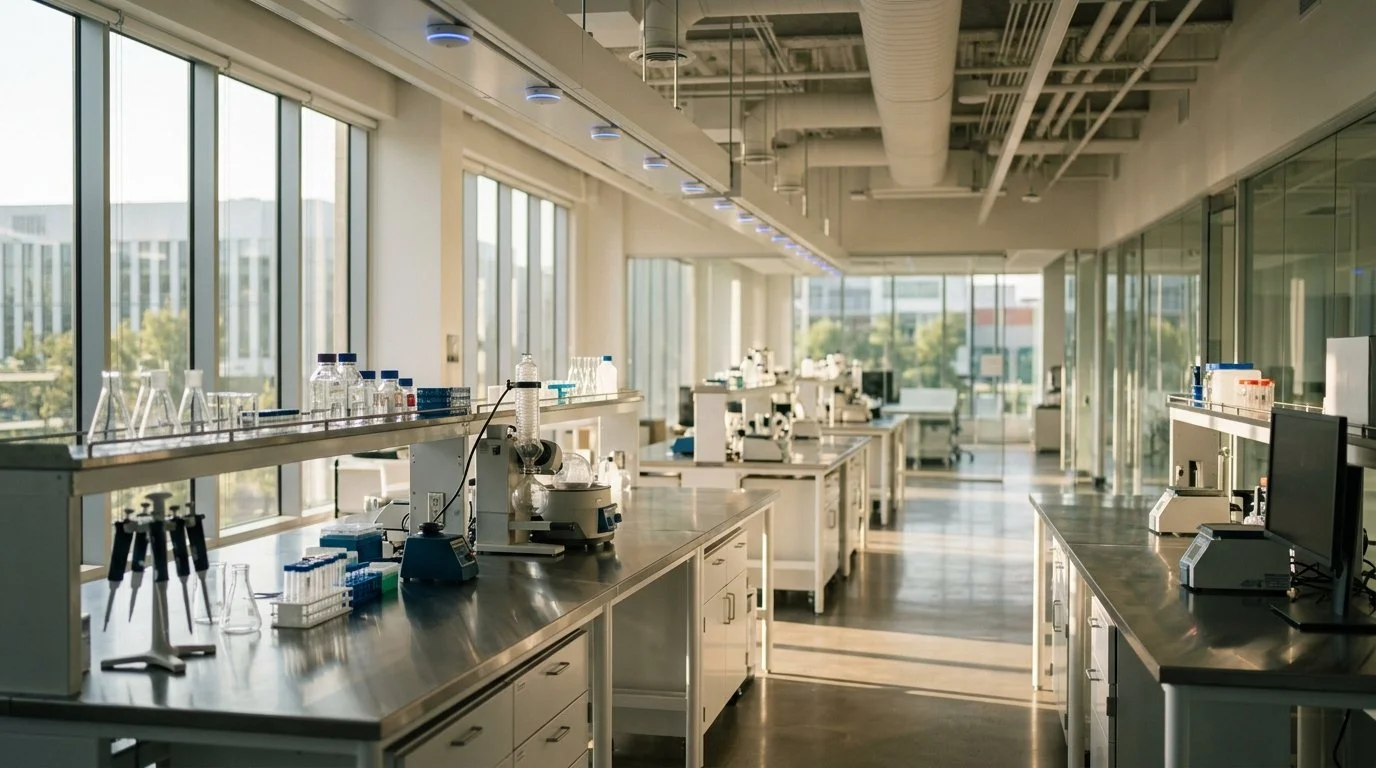
Lab Utilization Tracking: Who Is Actually Using That Bench?
Before you approve a capital project for a new lab wing, check the data. Occupancy sensors may reveal that the facility you already have is quietly sitting empty—and that the real problem is optimization, not square footage.
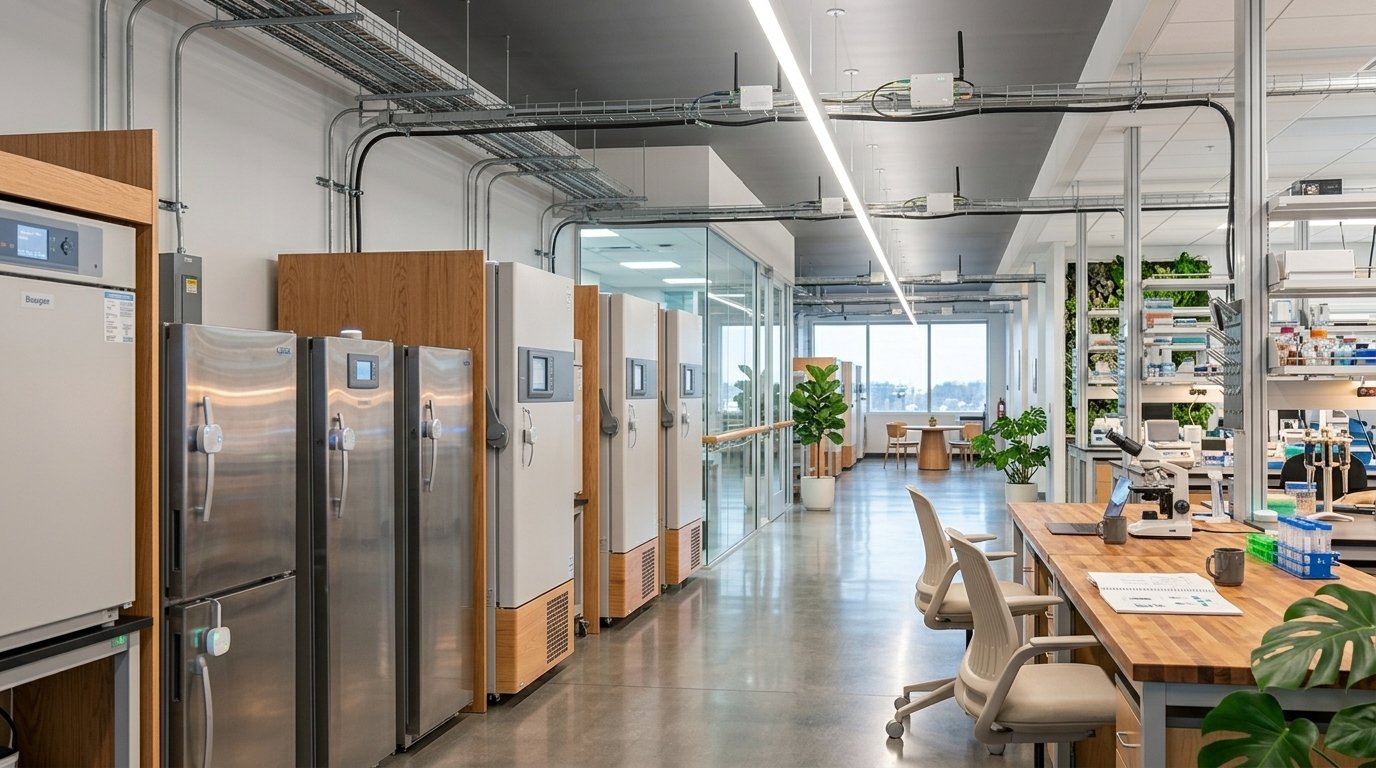
Smart Lab Sensors: The Internet of Things in Research
From freezer door alerts to real-time ambient monitoring, the connected lab is no longer a future concept—it's a design decision you make today. A guide to the IoT ecosystem for lab designers, architects, and facility managers.