
[[bpstrwcotob]]

Pitt Plans Flexible Lab Incubator for Early-Stage Life Sciences Startups
The University of Pittsburgh is developing a 26,000-sf incubator in the Oakland neighborhood of Pittsburgh, combining shared laboratory infrastructure, adaptable workspaces, and researcher input to support emerging life sciences companies

Lab End Users Share Lessons for Avoiding Common Laboratory Project Pitfalls
Laboratory end users share lessons on communication, equipment planning, safety, and collaboration to help project teams avoid common pitfalls and create facilities that better support scientific work

Successful Lab Projects Start Before the Project Begins
At the 2026 Lab Design Conference, Geisinger’s April Day urged laboratory leaders, planners, and designers to engage stakeholders early—and come to the table armed with data, questions, and lessons learned

Elco Yards Reconnects Life Sciences with Downtown Redwood City
A phased, mixed-use development puts public space, adaptable research facilities, and neighborhood connections at the center of its design

Professional Profile: Kelly Smyth
In her role as associate director of lab planning at Genesis AEC, Kelly Smyth discusses the importance of stakeholder relationships, engaging scientists in the design process, and preparing labs for AI and automation

Lab Design Conference Tour Preview: University of North Texas at Dallas STEM Building
The University of North Texas at Dallas STEM Building, one of the guided lab tour options at the 2027 Lab Design Conference. combines visible research spaces, collaborative learning areas, and adaptable laboratory infrastructure

Labs Are Playing Catch-Up With the Future: On the Floor at the Lab Design Conference
At the 2026 Lab Design Conference, Erika Grice of Laboratory Specialists discusses the challenges of modernizing older laboratory facilities, the value of practical problem-solving, and what she discovered as a first-time conference attendee

How Workflow Shaped Duracell’s New R&D Center
Duracell’s $56 million Atlanta R&D center combines specialized battery laboratories, adaptable infrastructure, and employee-focused workplace design within a multistory life sciences building
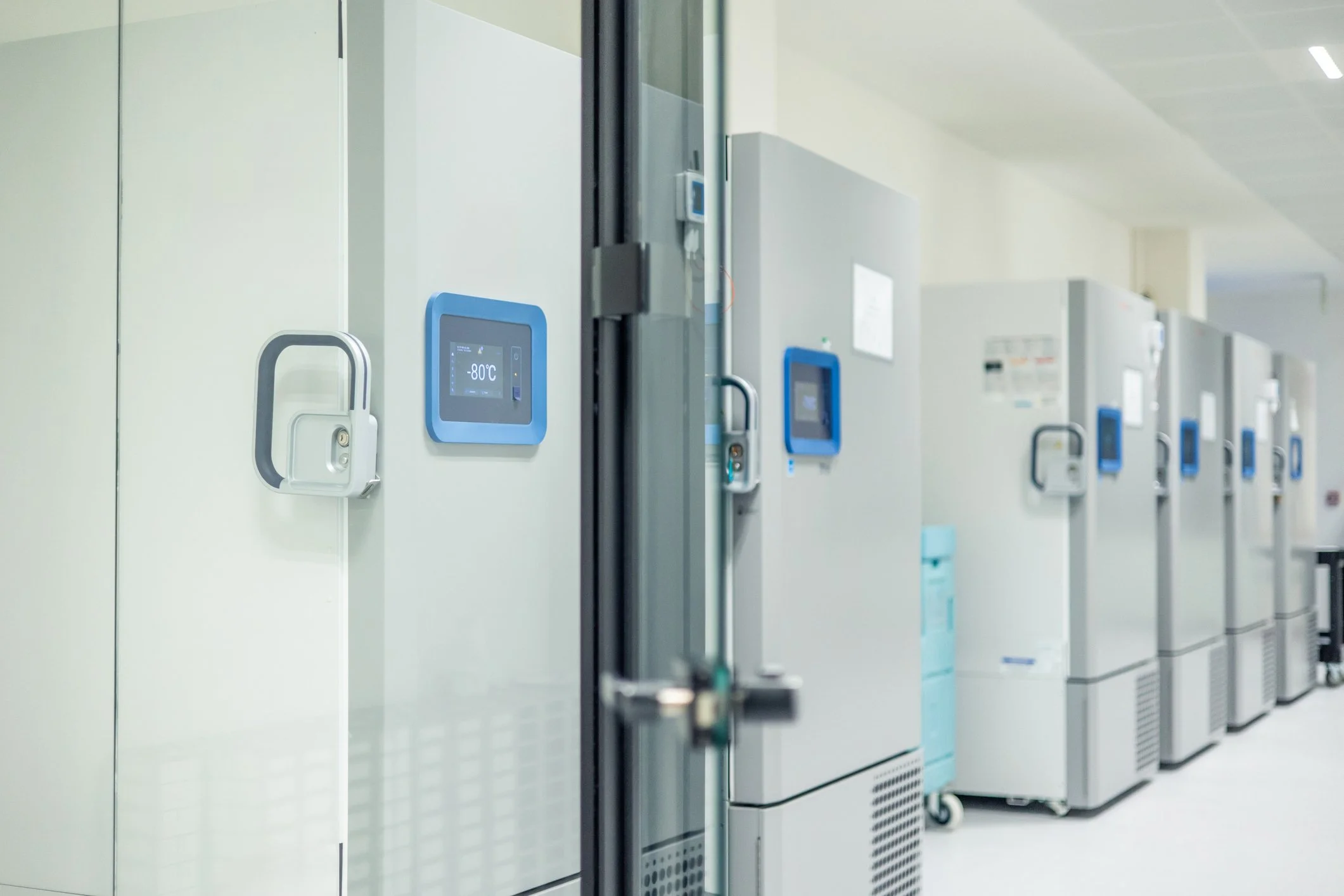
Planning Cold and Dry Storage for Reagent-Heavy Labs: Freezers, Desiccation, and Receiving Space
Plan laboratory storage early to protect reagent integrity, preserve research quality, and avoid costly retrofits—from freezer placement and backup capacity to humidity control and receiving areas, thoughtful layout decisions help keep sensitive materials stable and accessible

Designing a TEM Facility: What to Consider Before the Microscope Arrives
Bringing transmission electron microscopy in-house requires more than selecting the right instrument. Learn how early planning for vibration control, room location, infrastructure, sample preparation, and stakeholder coordination can protect image quality and prevent costly design changes