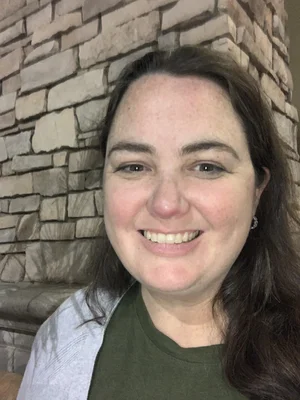
At the 2026 Lab Design Conference in Orlando, FL, Janette Wider of LabX Media Group spoke with Erika Grice of Laboratory Specialists about the challenges facing laboratory projects today, the push to modernize older facilities, and what she has found valuable about attending the conference for the first time.
Designing for the future
When asked about the pain points she is hearing from laboratory professionals, Grice pointed to a common desire among organizations to bring their facilities up to date.
“I think something that I've heard people talking about a lot during the conference, and something that I've really taken away from some of the conversations that I'm hearing, is everybody wants to live in the future,” she said.
That desire can create a challenge for organizations working with older laboratory infrastructure. Grice said many facilities are trying to catch up with newer approaches, technologies, and products while still working within existing spaces.
“Everybody's ready to be in the future already,” she said. “So I think there's a little bit of catch-up people are playing.”
According to Grice, many laboratories are older facilities that may not reflect the capabilities or design approaches organizations would like to have today.
“They have old laboratories, and they all want to be presenting the newer, more modern things,” she said.
That gap between existing infrastructure and future goals can create opportunities for laboratory project teams to consider how individual improvements and upgrades can help move a facility forward.
Grice said the range of newer products and solutions represented at the conference was one of the things she found particularly exciting.
“I think there's kind of a lot of those modern things here,” she said. “That's what I'm excited about.”
Solving problems at the laboratory level
Grice described Laboratory Specialists as a full-service laboratory design and construction company, with work ranging from design through installation. But she emphasized that problem-solving is a central part of what the company does.
“I think the biggest thing we do is problem-solving, honestly,” she said.
Rather than every project beginning with a large-scale design effort, Grice said clients may initially approach the company with a much more specific need.
“People tend to find us by having a problem and then calling us,” she said.
Those problems can involve individual components or systems within a laboratory. Grice mentioned specific equipment, piping, countertops, and casework as examples of the types of needs clients may bring to the company.
That hands-on, problem-solving perspective also shaped what Grice was looking for at the Lab Design Conference. With a wide range of laboratory products and solutions represented on the exhibit floor, the conference provided an opportunity to see and interact with products rather than simply learning about them remotely.
A first timer’s experience at the Lab Design Conference
The 2026 event was Grice's first Lab Design Conference. “I've been to other smaller or different themed lab design conferences, but I think this is definitely the most comprehensive one,” she said.
One of the biggest differences she noticed was the breadth of the event and the number of vendors represented.
“Definitely the most vendors, the most opportunity to put my hands on product,” Grice said. “That's what I'm most excited about, I think.”
For professionals involved in laboratory design and construction, that opportunity to interact directly with products can provide a different perspective than reviewing specifications or product information alone. It can also help attendees discover solutions they may not have encountered in their day-to-day work.
Grice's experience also illustrates one of the broader benefits of a conference that brings together laboratory designers, project teams, suppliers, and other professionals. The conversations taking place throughout the event can help attendees identify both emerging approaches and practical solutions to existing facility challenges.
Connecting today's laboratories with tomorrow's needs
Grice's comments highlight a challenge that many laboratory organizations face: wanting to move toward newer, more capable facilities while continuing to work with existing laboratories.
For project teams, that can mean identifying where modernization can make the greatest difference, whether through a major renovation, targeted upgrades, new equipment, or improvements to individual laboratory components.
At the Lab Design Conference, Grice found an opportunity to explore some of those possibilities firsthand while also hearing what others in the industry are discussing.
Her first experience at the conference ultimately left her enthusiastic about the event.
“I love the conference,” she said. “You should go. It's great!”
Key takeaways from Erica Grice
Before watching the interview, keep these three ideas in mind:
Laboratories are playing catch-up. Grice said many organizations are working with older laboratories while trying to incorporate newer, more modern approaches and solutions. That creates challenges, but also opportunities for modernization.
Problem-solving can start small. Laboratory projects do not always begin with a complete facility redesign. Grice said clients often turn to Laboratory Specialists when they have a specific problem involving equipment, piping, countertops, casework, or another laboratory component.
See and touch products firsthand. As a first-time Lab Design Conference attendee, Grice was particularly impressed by the breadth of vendors and the opportunity to interact directly with laboratory products. For her, that hands-on experience was one of the most valuable aspects of the event.
Watch the full interview below to hear Erika Grice discuss the challenges she is hearing from laboratory professionals, the push to modernize older facilities, and what she found most valuable about attending the Lab Design Conference for the first time.