
The Importance of Early Planning for Laboratory Equipment and Instrumentation
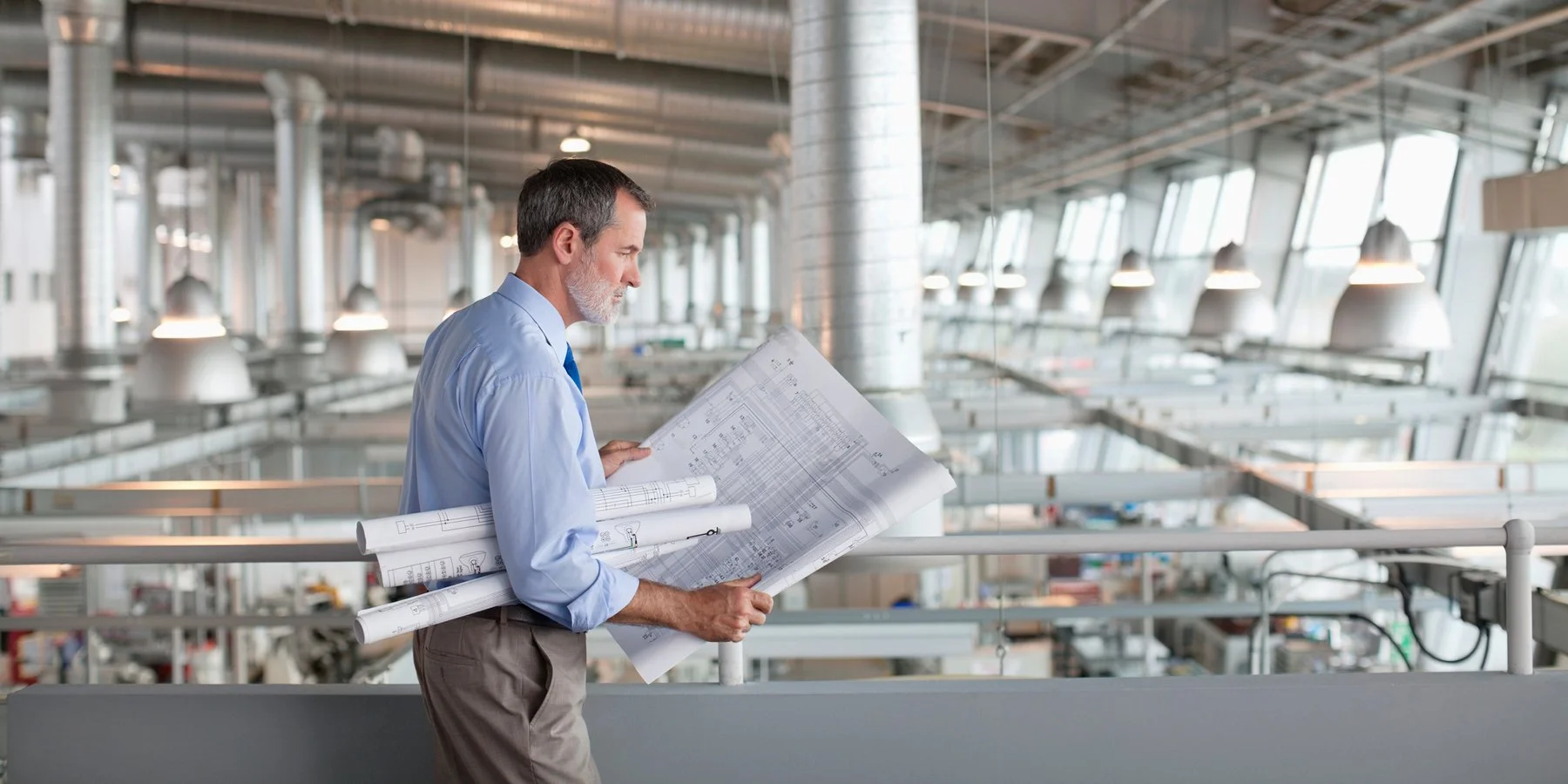
When laboratories plan an expansion or relocation, early conversations often focus on square footage, layouts, and construction timelines. While these factors are important, they represent only part of what makes a laboratory successful. Long-term performance ultimately depends on three core components working together: intellectual property, people, and instrumentation. When any one of these items is overlooked, laboratory performance, productivity, and data quality can suffer.
At a practical level, intellectual property represents the science itself, including research methods, processes, and data that give an organization its value. People include the scientists, technicians, and operations teams who design experiments, operate equipment, and maintain workflows. Instrumentation, meanwhile, provides the tools that generate the data supporting discovery, development, and production.
Because these three elements are tightly connected, facility decisions inevitably affect them all. However, planning choices most directly influence instrumentation. When equipment requirements are not fully considered, workflows slow, data quality suffers, and productivity declines. Scientists and technicians are then forced to work around facility limitations, leading to less consistent research or production outcomes and a loss of scientific value.
Despite this connection, leadership teams often spend far more time discussing workforce planning, workflow efficiency, and long-term strategy rather than equipment planning. As a result, instrumentation requirements are sometimes addressed too late in the facility design process. Yet it is instrumentation that ultimately turns scientific expertise into reliable, repeatable data. Without properly planned equipment in a space designed to support it, even experienced teams and well-funded programs can encounter operational problems.
Why instrumentation must guide lab design
Given the central role of equipment, facility design should begin with a clear understanding of instrumentation requirements. Across pharmaceutical, biotech, academic, and commercial laboratories, equipment supports testing processes, workflows, and research outcomes. When space is designed first, and equipment is placed later, inefficiencies, redesigns, and avoidable costs often follow.
Unlike office furniture, laboratory equipment cannot simply be moved wherever space is available. Each instrument carries specific space, utility, and environmental requirements that must be addressed early in planning. Equipment supporting different testing processes frequently needs to be located near sample preparation areas or complementary instruments to maintain process efficiency. As a result, placement decisions directly influence staff productivity, workflow consistency, and data reliability.
Aligning equipment placement with laboratory workflows
The way work moves through a laboratory further stresses the importance of early planning. Equipment placement should reflect how samples travel through the lab, how processes are sequenced, and how scientists interact with instruments throughout the day. When these workflows are overlooked, laboratories often encounter bottlenecks, excessive movement of samples or personnel, and inefficient use of valuable space.
By contrast, when equipment layout matches how work is actually performed, workflows remain intact even during expansions or relocations. This alignment allows laboratories to sustain efficiency as operations grow or move to new locations, without disrupting ongoing work.
Environmental factors that impact equipment performance
In addition to workflow concerns, environmental conditions can also affect equipment performance. Problems commonly occur when instrumentation requirements are considered only after construction planning is underway. Factors that seem minor during design can greatly affect reliability once operations begin.
Temperature fluctuations caused by direct sunlight, airflow patterns from HVAC systems, or vibration from nearby infrastructure can all interfere with instrument stability and data quality. Early attention to these conditions allows design teams to position equipment appropriately and avoid long-term performance issues that might otherwise require costly corrections after occupancy.
For further discussion on vibration concerns in laboratory design, join our special roundtable session at the 2026 Lab Design Conference in Orlando!
The added complexity of laboratory relocations
These risks become increasingly evident during laboratory relocations, when operations must often proceed while facilities are moved or rebuilt. Relocating an active laboratory entails careful coordination to keep ongoing work on schedule. Equipment shutdowns, move sequencing, and restart timelines must all be carefully planned to avoid interrupting critical activities.
When equipment planning begins too late, unexpected downtime and delays can quickly impact research and production schedules. Planning earlier allows relocation activities to be sequenced around operating priorities, helping teams preserve continuity during the transition.
How early planning reduces cost and risk
In practical terms, early equipment planning reduces redesigns, limits downtime, and keeps project costs under control. When instrumentation requirements and workflows are clearly defined before construction or relocation begins, teams can reach informed decisions about space layout, utilities, and equipment placement.
This preparation lowers the risk of expensive fixes after occupancy and helps projects move forward more smoothly. It also allows laboratory leaders to anticipate operational needs rather than reacting to problems once teams have already moved into the new space.
The 2026 Lab Design Conference will feature a special workshop on Minimizing Risk: Liability-Aware Lab Design Strategies. Spots are limited—sign up today to reserve your seat!
Strengthening project coordination and decision-making
Early planning also improves coordination among the many stakeholders involved in laboratory projects. Architects, engineers, construction teams, and laboratory leadership must share a common understanding of equipment needs and workflows. Accurate equipment data enables design teams to create spaces that function properly from the first day of operation, rather than requiring adjustments after occupancy.
In turn, clearer coordination helps laboratory managers set realistic expectations around timelines, budgets, and operational impacts during expansion or relocation efforts.
Designing laboratories that support long-term growth
When facility planning begins with instrumentation, laboratories are more likely to operate reliably while still allowing room for future growth. In this environment, the facility supports scientific work rather than creating obstacles, helping teams focus on research and production rather than compensating for facility limitations.
For laboratory owners and technical managers, early planning around equipment and instrumentation is not simply a design preference. It is essential to keep stable operations. When equipment needs, workflows, and environmental requirements guide facility decisions, laboratories can expand or relocate with fewer disruptions and more seamless transitions.
Ultimately, careful planning helps ensure that laboratory spaces function as intended from day one, supporting both current work and future growth without unnecessary operational setbacks.
Click here to watch a presentation from author Ted Palashis, in collaboration with Northeastern University, demonstrating how early equipment audits and proactive instrumentation planning can reduce risk, avoid costly redesigns, and enhance overall laboratory performance.