
[[bpstrwcotob]]
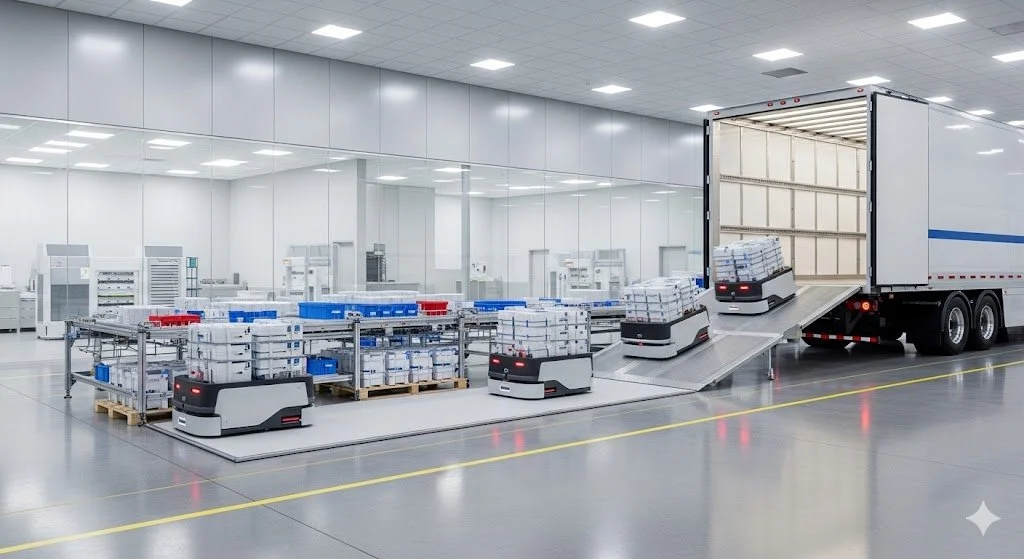
Just-in-Time Lab Logistics: Loading Dock & Supply Design
By transitioning from massive on-site warehousing to high-frequency, just-in-time delivery models, facility planners can shrink the non-scientific footprint and reallocate premium real estate to active research and development.
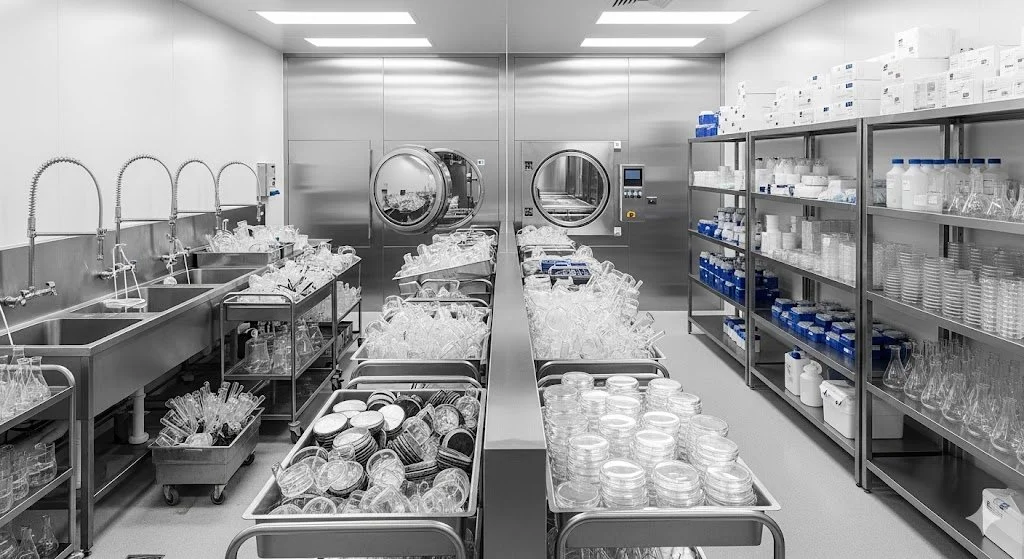
Glasswash & Autoclave Logistics: The Dirty-to-Clean Flow
Discover glasswash workflow principles to optimize decontamination. Learn how to use dirty clean flow and sterilization center design to maximize autoclave throughput.
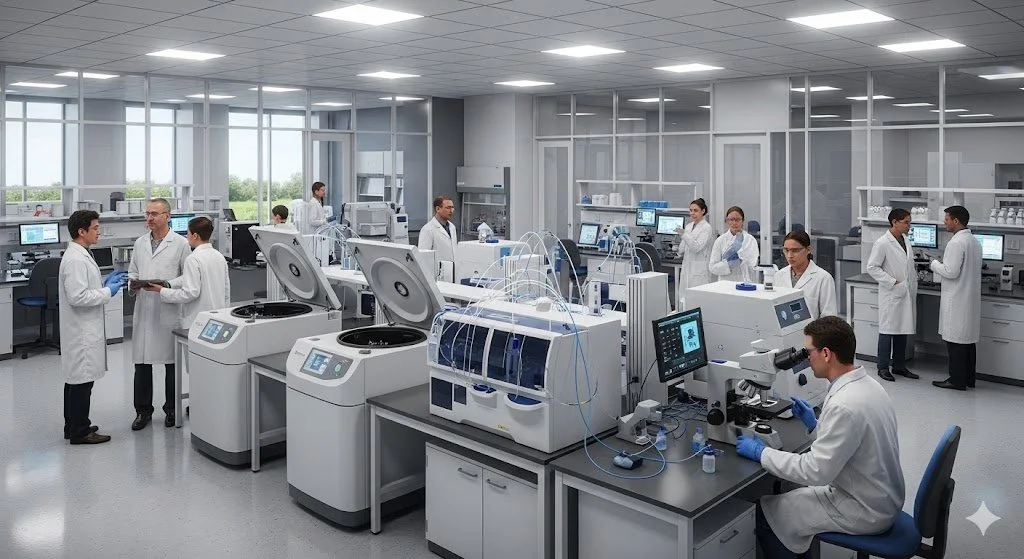
Shared Equipment Zones: The "Town Square" Concept
By transitioning from isolated, individual lab ownership to centralized shared equipment zones, facility planners can drastically reduce capital expenditures, optimize utility distribution, and foster spontaneous scientific collaboration.
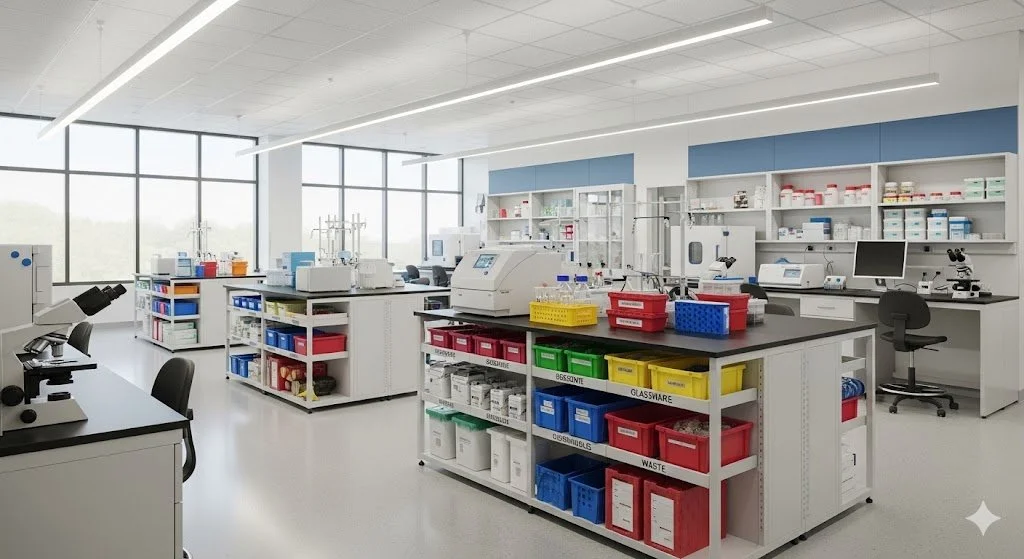
Point-of-Use Inventory: Eliminating the Central Stockroom
By transitioning from massive centralized supply rooms to decentralized point of use storage, laboratory architects can drastically reduce inventory hoarding, minimize transit time, and ensure scientists always have the exact materials needed right at the bench.
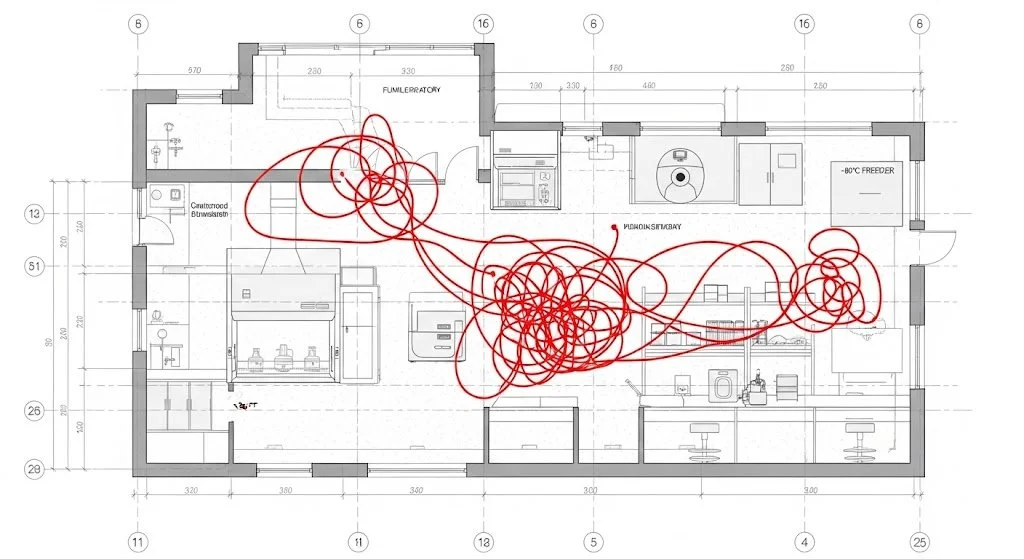
The Spaghetti Diagram: Mapping Waste in Layouts
By mapping the physical circulation of scientists through a facility, architects can identify severe adjacency failures, minimize unnecessary transit, and optimize casework placement to support high-efficiency scientific workflows.
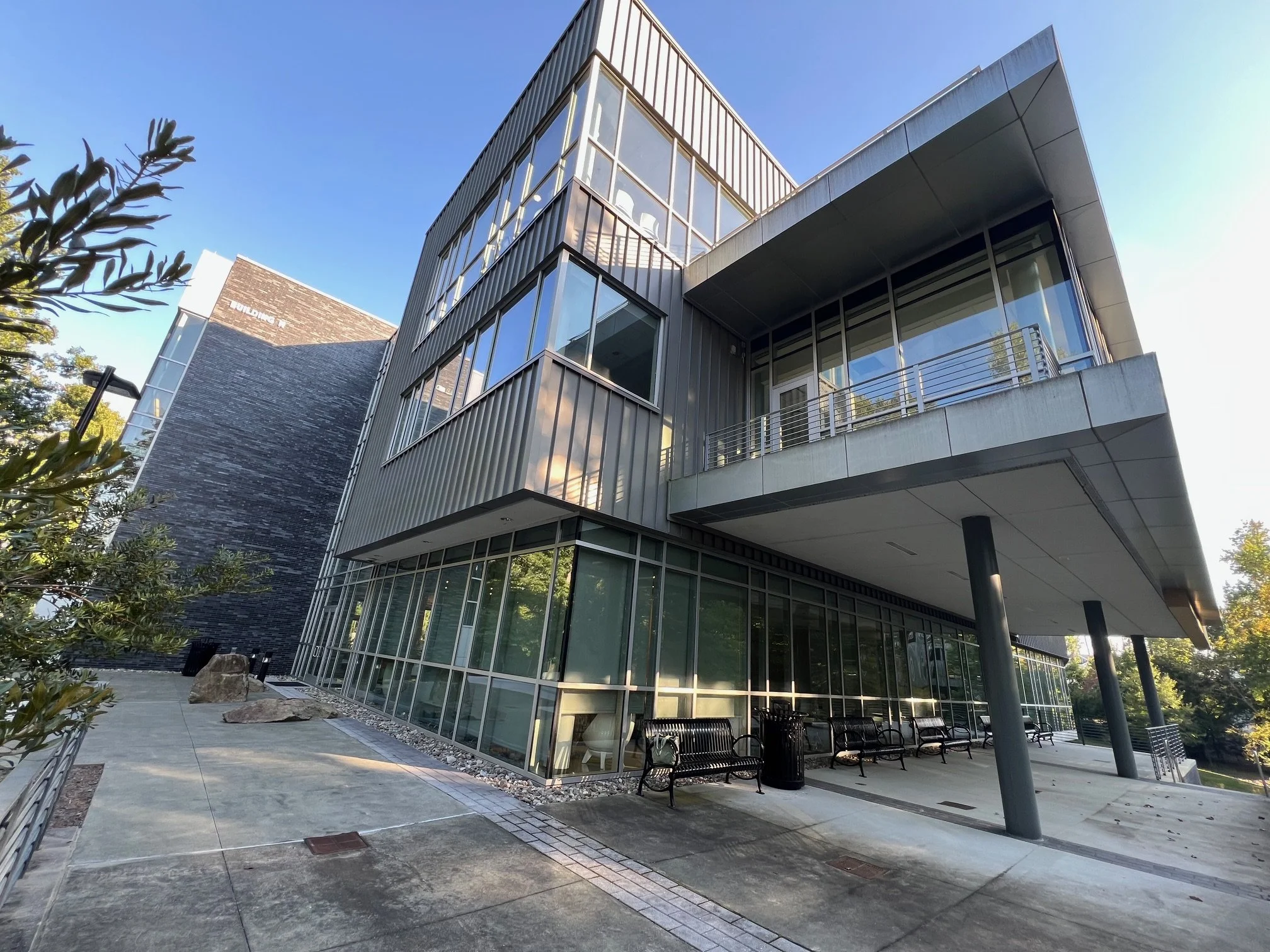
How Eli Lilly Is Shaping the Design of an Academic Pharma Lab
Designed in close collaboration with Eli Lilly, Lehigh Carbon Community College’s new pharmaceutical training labs incorporate cleanroom simulation, aseptic processing suites, and industry-standard equipment to replicate real manufacturing environments and create a workforce pipeline aligned with modern pharma operations
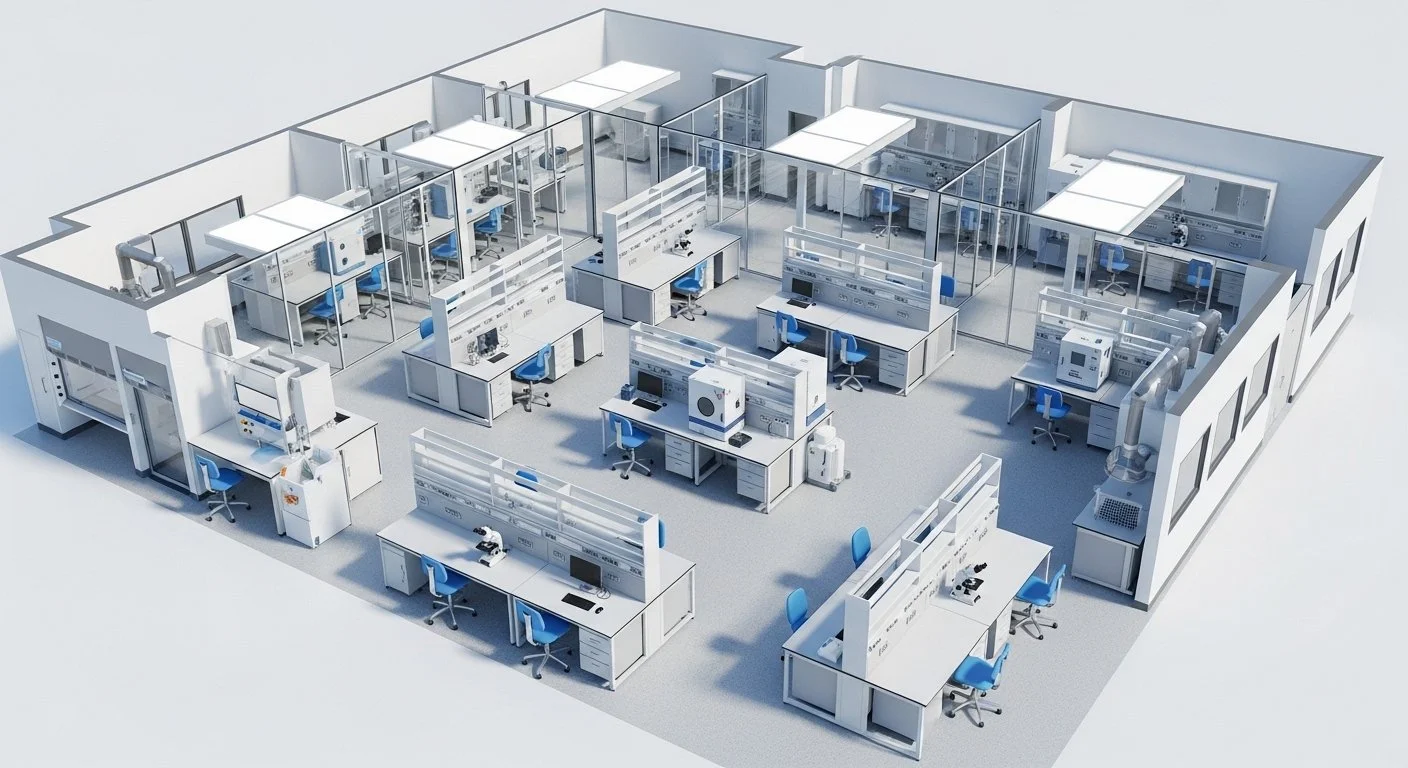
The Lean Lab: Workflow Optimization Strategies
By applying lean manufacturing principles to laboratory architecture, facility planners can dramatically reduce physical waste, optimize sample routing, and eliminate the excessive daily travel time that drains scientific productivity.
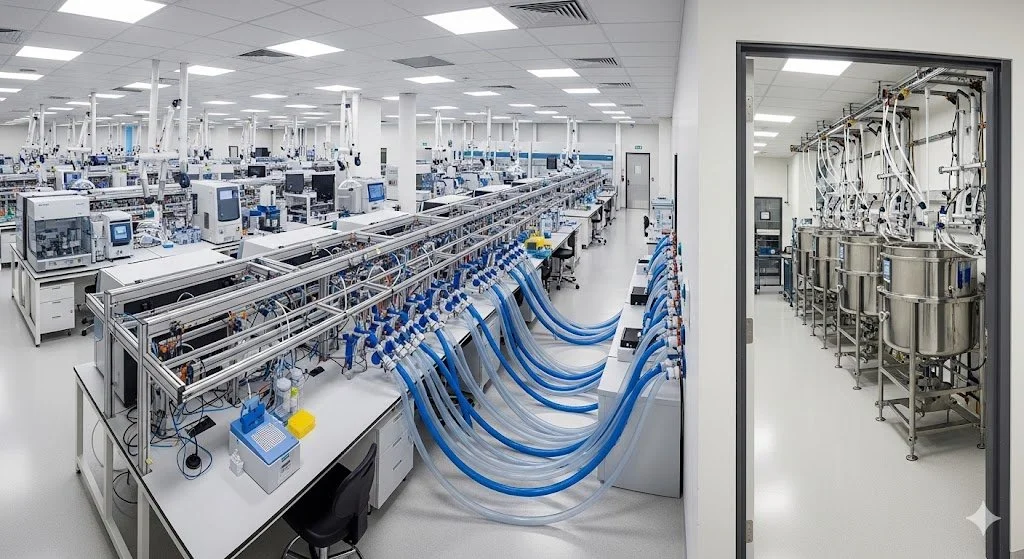
Waste Streams in High-Throughput Screening: Architecting for Bulk Disposal
As high-throughput screening automation drastically accelerates experimental timelines, laboratory infrastructure must evolve to handle the unprecedented volume of solid and liquid waste generated, requiring integrated bulk waste removal systems.
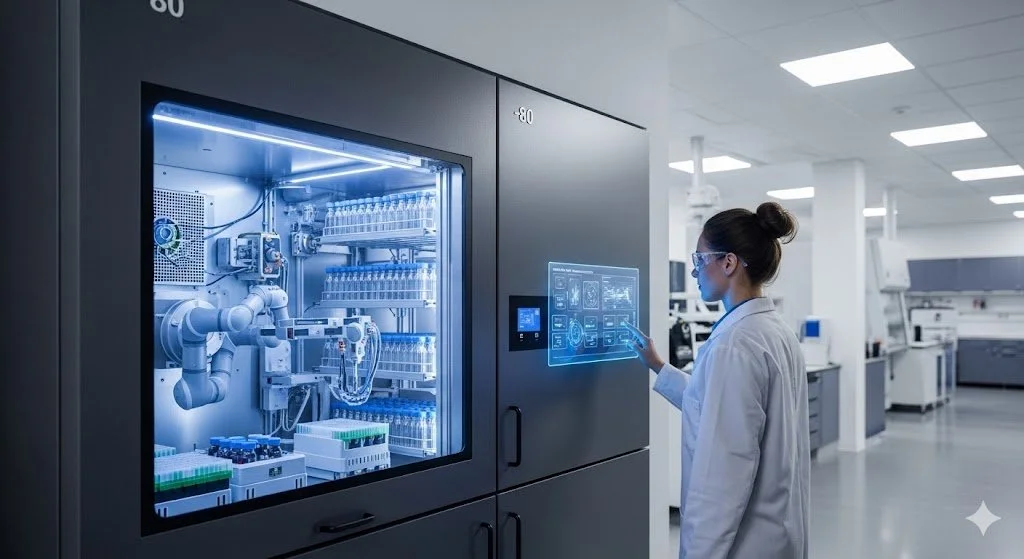
Automated Sample Storage: The "Vending Machine" Wall
As laboratories shift toward high-throughput compound management, the integration of massive automated -80°C freezers requires rigorous structural engineering to accommodate extreme floor loading capacities and ceiling clearances.
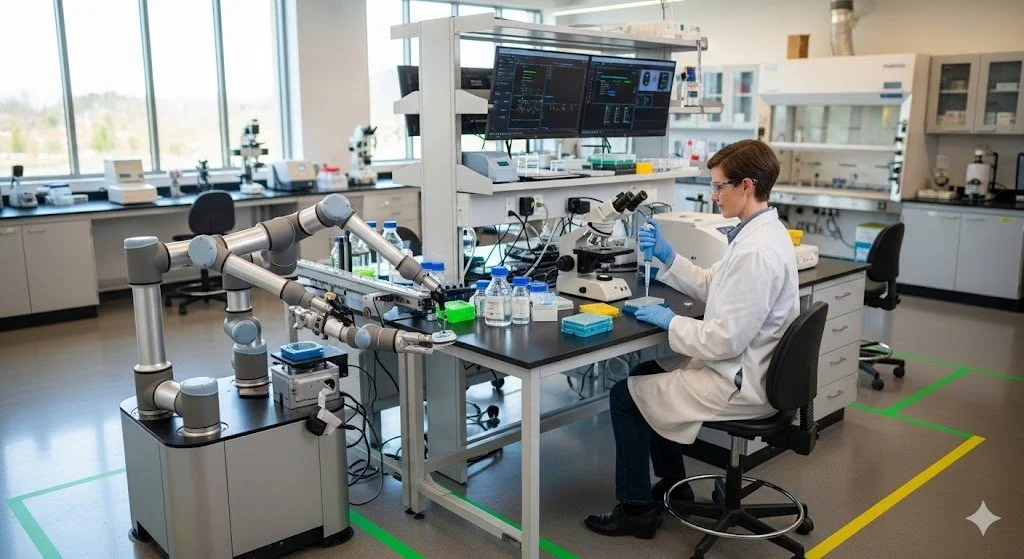
Collaborative Robotics (Cobots): Safety & Spacing
As collaborative robots (cobots) break free from traditional safety cages to work directly alongside scientists, laboratory architects must design specialized spatial buffer zones and ergonomic workflows that ensure human-robot collaboration is both efficient and harmless.