
[[bpstrwcotob]]
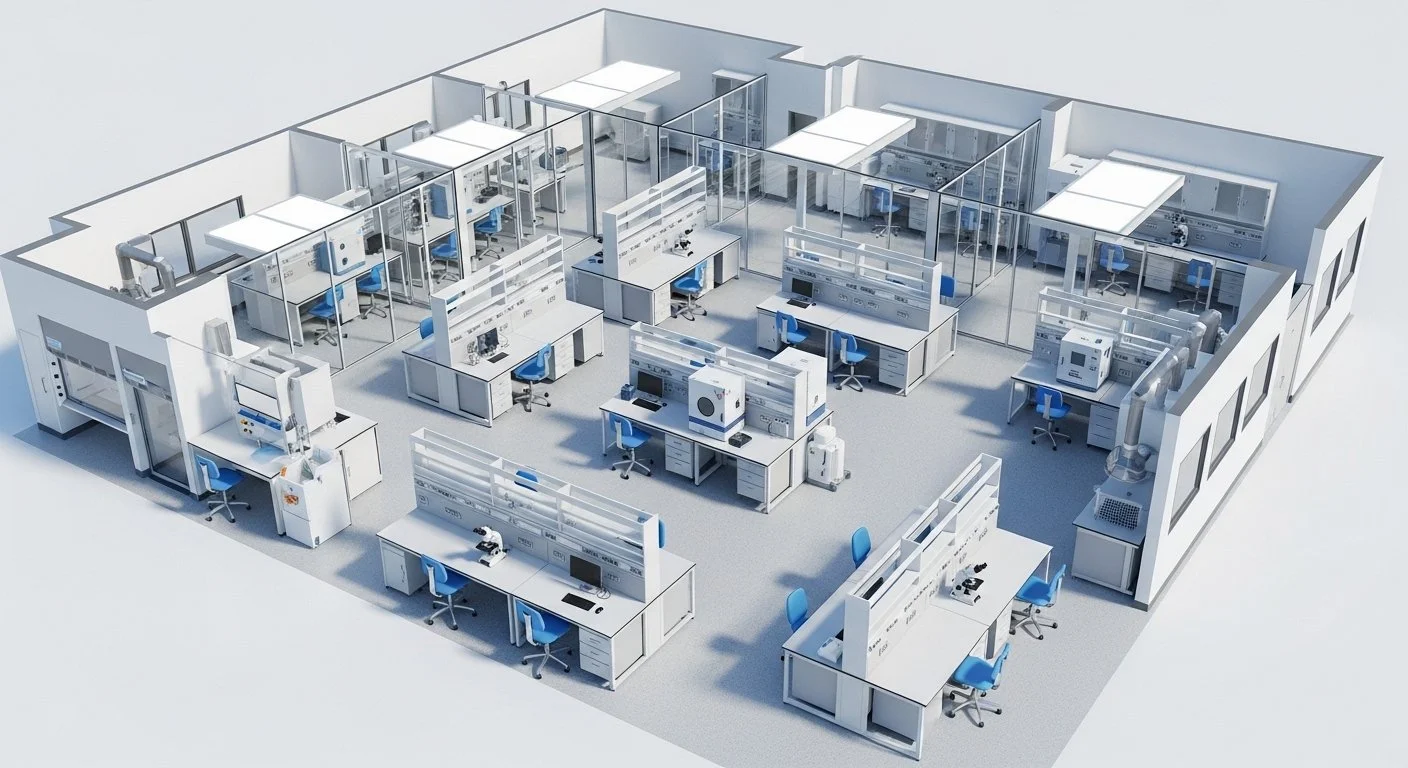
The Lean Lab: Workflow Optimization Strategies
By applying lean manufacturing principles to laboratory architecture, facility planners can dramatically reduce physical waste, optimize sample routing, and eliminate the excessive daily travel time that drains scientific productivity.
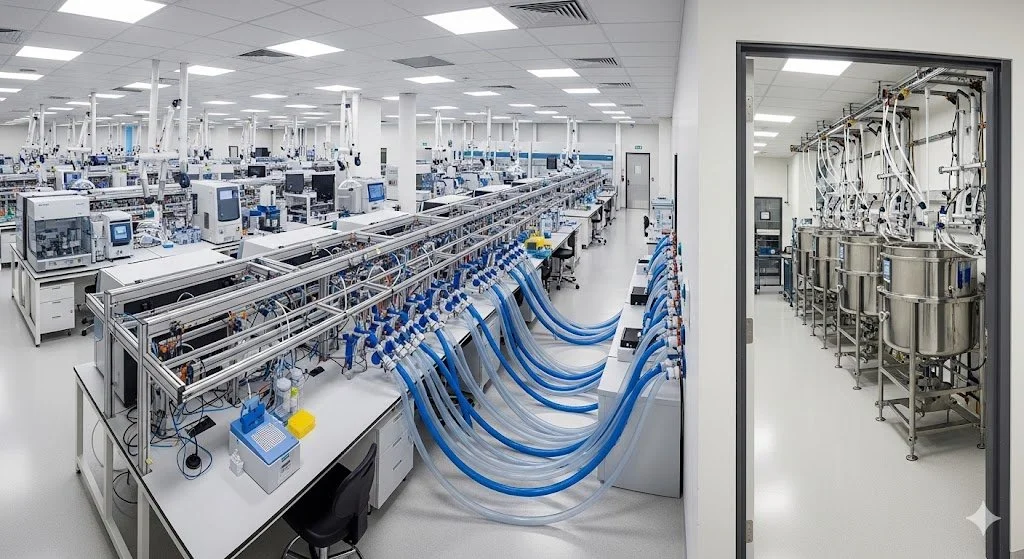
Waste Streams in High-Throughput Screening: Architecting for Bulk Disposal
As high-throughput screening automation drastically accelerates experimental timelines, laboratory infrastructure must evolve to handle the unprecedented volume of solid and liquid waste generated, requiring integrated bulk waste removal systems.
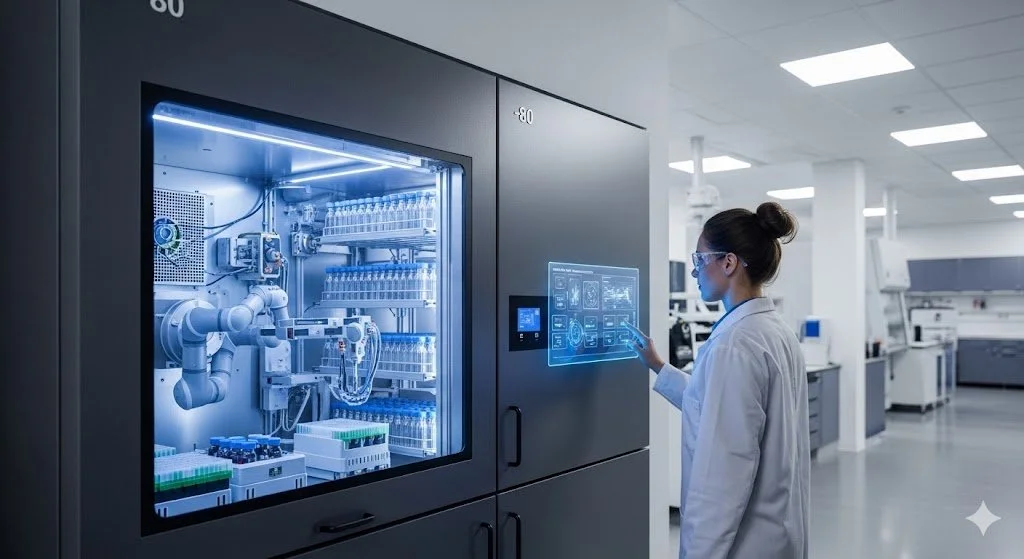
Automated Sample Storage: The "Vending Machine" Wall
As laboratories shift toward high-throughput compound management, the integration of massive automated -80°C freezers requires rigorous structural engineering to accommodate extreme floor loading capacities and ceiling clearances.
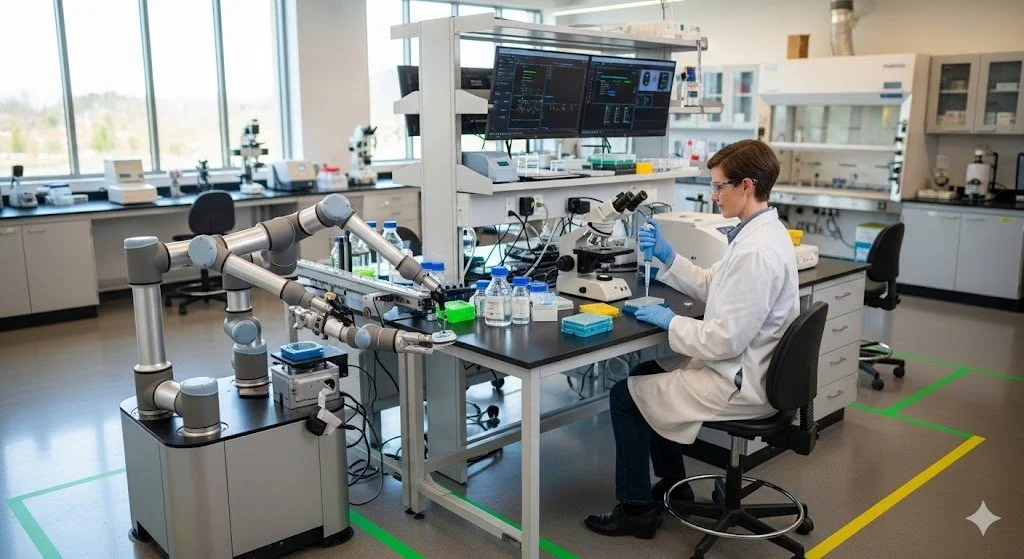
Collaborative Robotics (Cobots): Safety & Spacing
As collaborative robots (cobots) break free from traditional safety cages to work directly alongside scientists, laboratory architects must design specialized spatial buffer zones and ergonomic workflows that ensure human-robot collaboration is both efficient and harmless.
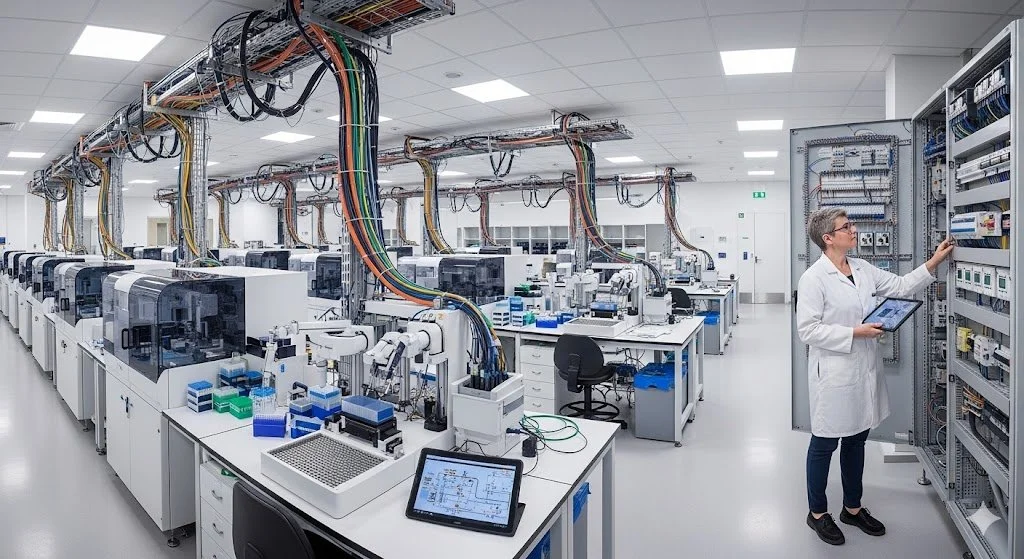
Power & Data Density for Liquid Handlers: Architecting for High-Throughput Utilities
As laboratories scale up their automation, the electrical and network infrastructure must evolve to support fleets of power-hungry liquid handlers like Hamiltons and Tecans. Strategic utility planning prevents catastrophic tripped breakers, ensures uninterruptible workflows, and guarantees seamless data transmission.
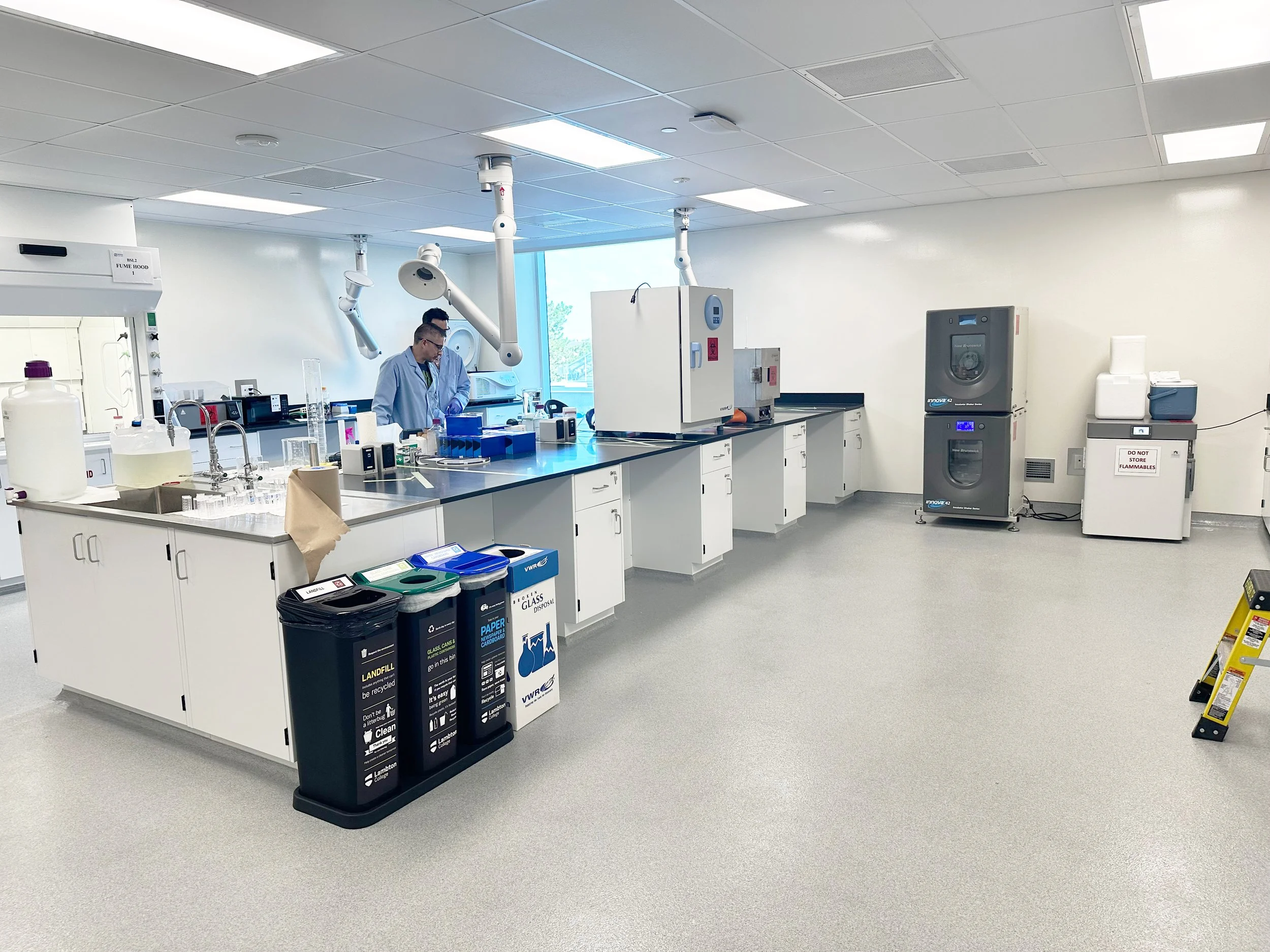
Optimizing A BSL-2 Lab For Safer, More Complex Applied Research
Lambton College is upgrading its BSL-2 laboratory with $2.47 million in funding to strengthen applied research infrastructure by improving safety, throughput, and efficiency through targeted, equipment-driven upgrades, optimized lab zoning, and early regulatory planning—without major renovations or disruption

Webinar Preview: Occupied Lab Renovations: Timing, Staging, and Installation
Renovating occupied laboratories requires balancing safety, schedules, and operational continuity—this Lab Design webinar features experts sharing practical strategies and lessons learned to help teams successfully navigate these complex projects
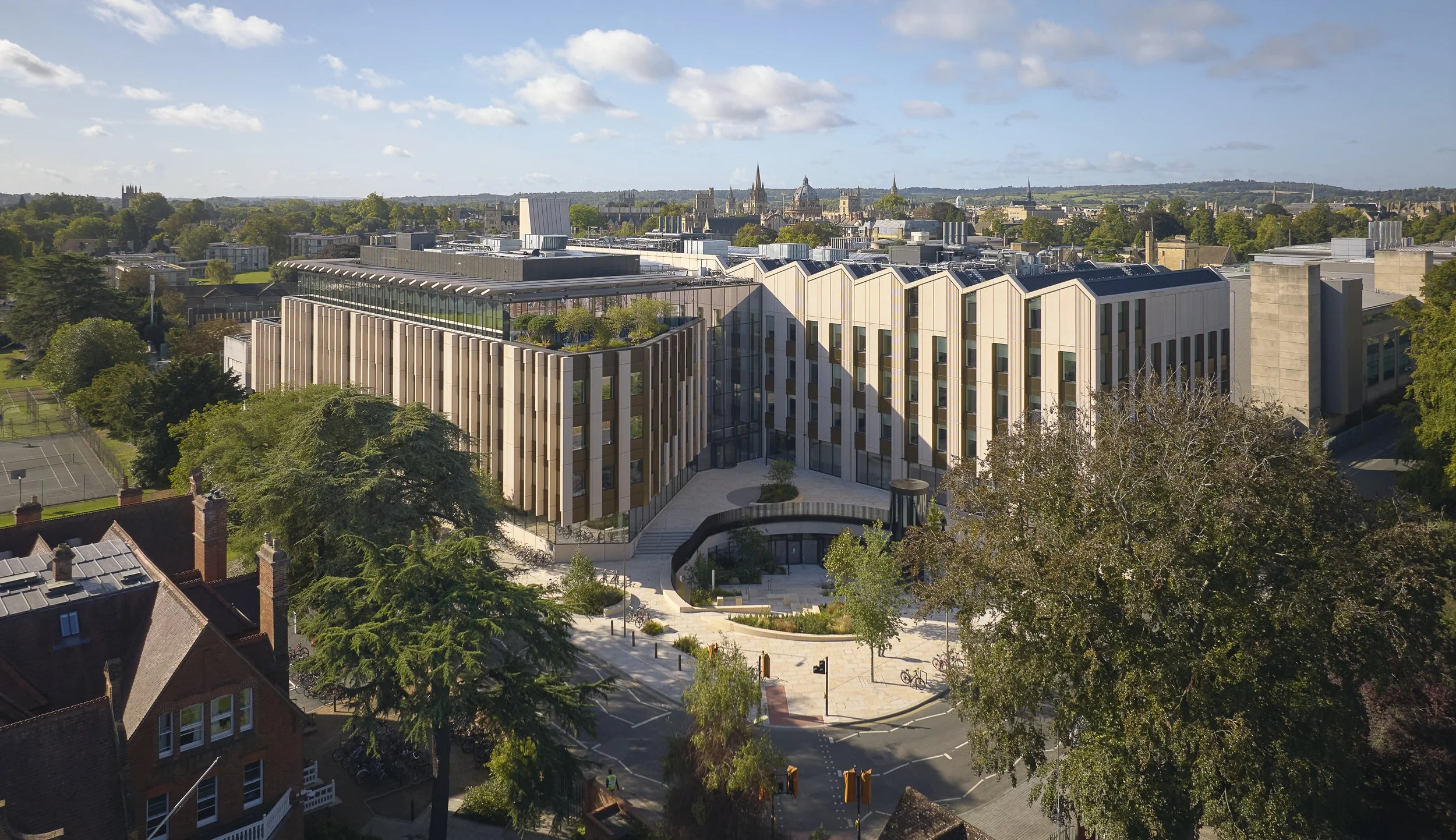
Translating Neuroscience into Architecture While Advancing Sustainable Lab Design
The University of Oxford’s Life and Mind Building demonstrates how integrating high-performance envelope design, user-driven planning, and durable, context-responsive architecture can transform fragmented departments into a cohesive, future-ready research environment
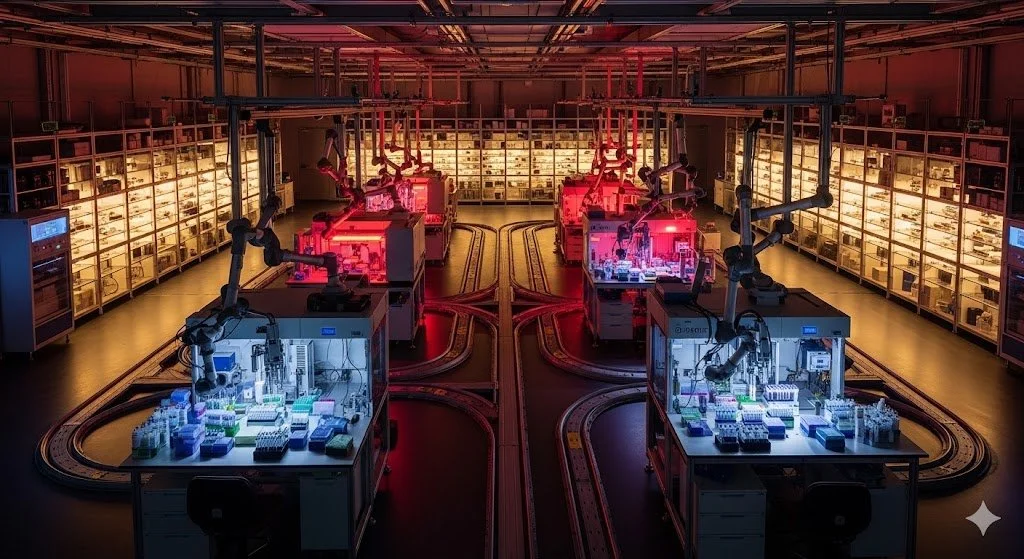
The "Dark Lab": Designing for Zero-Occupancy Zones
As automated robotics replace human researchers on the lab floor, architects and engineers must radically rethink HVAC, fire suppression, and vibration control to build high-performance environments tailored exclusively for machines.
Using Occupancy Sensors to Right-Size Laboratory Design
Advances in thermal occupancy sensing and analytics are enabling data-driven laboratory planning by revealing real-world space utilization patterns without compromising privacy