
[[bpstrwcotob]]
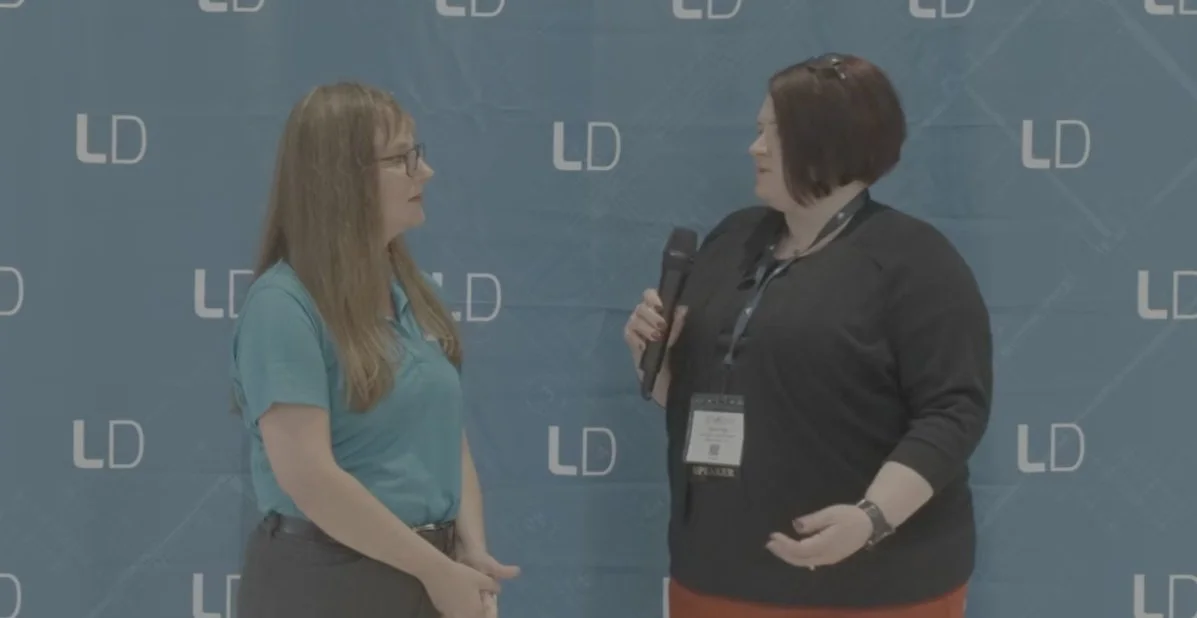
Start With the Equipment List: On the Floor at the Lab Design Conference
At the 2026 Lab Design Conference, Geisinger’s April Day shared practical advice on equipment planning, collaboration, and preparing for successful laboratory projects
Building Better Labs Through Collaborative Discussion at the Lab Design Conference
Lab owners, architects, engineers, and planners joined forces at the 2026 Lab Design Conference to tackle academic lab design challenges, sharing practical solutions and crowdsourcing best practices on everything from stakeholder engagement to flexibility and adaptive reuse
It’s Good to Be Back!
After a two-year hiatus, Lori Ambrusch returns to Design Between the Lines to explore emerging trends, recurring design questions, industry insights, and the topics readers want to discuss
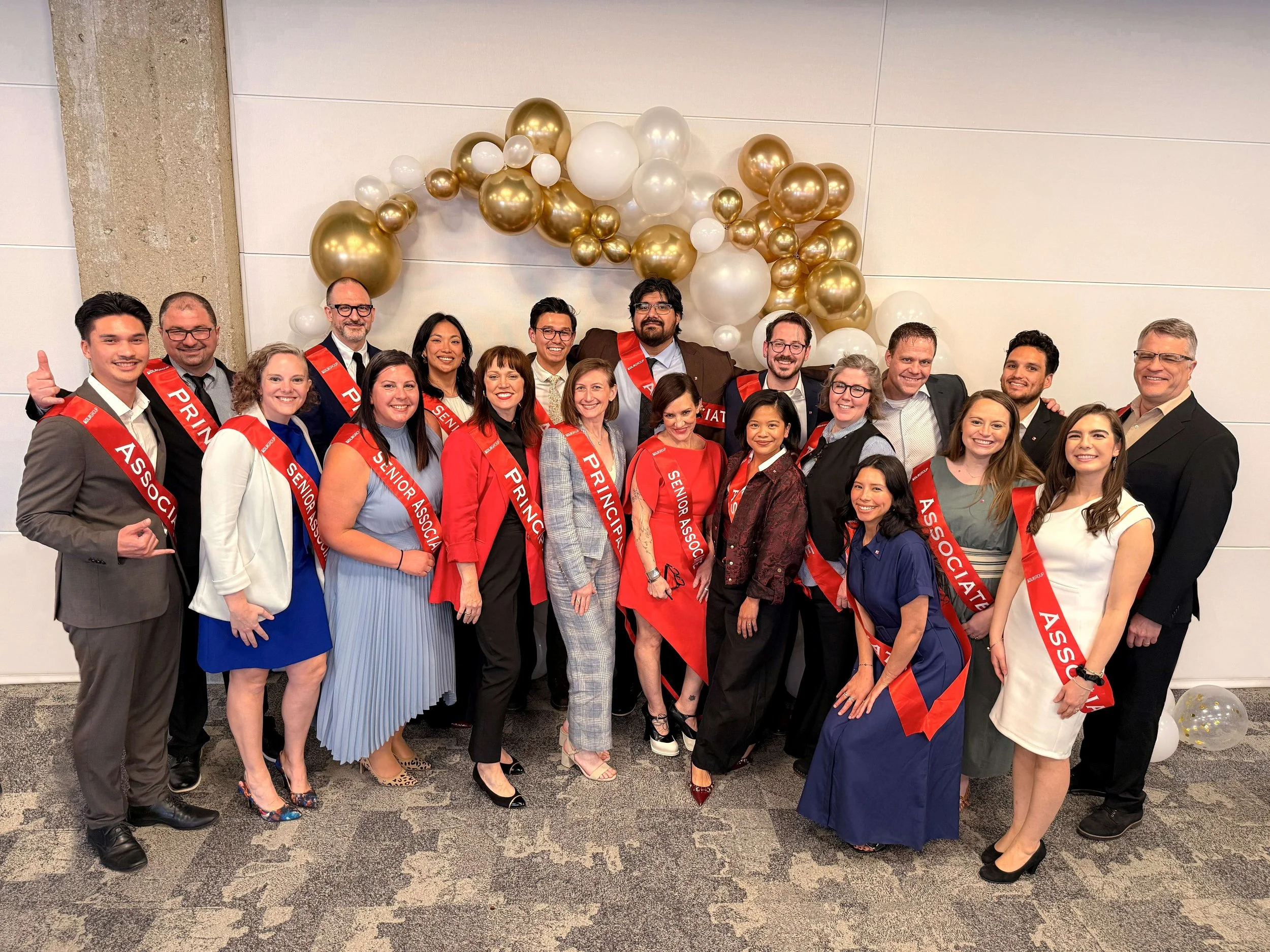
Building Tomorrow's Lab Design Leaders
As senior leaders prepare for retirement and new roles, science and technology firms are embedding mentorship, knowledge sharing, and leadership development into everyday practice to build the next generation of laboratory design leaders
What Makes a Lab Building Competitive Today?
Why are some research buildings attracting tenants while others remain vacant?
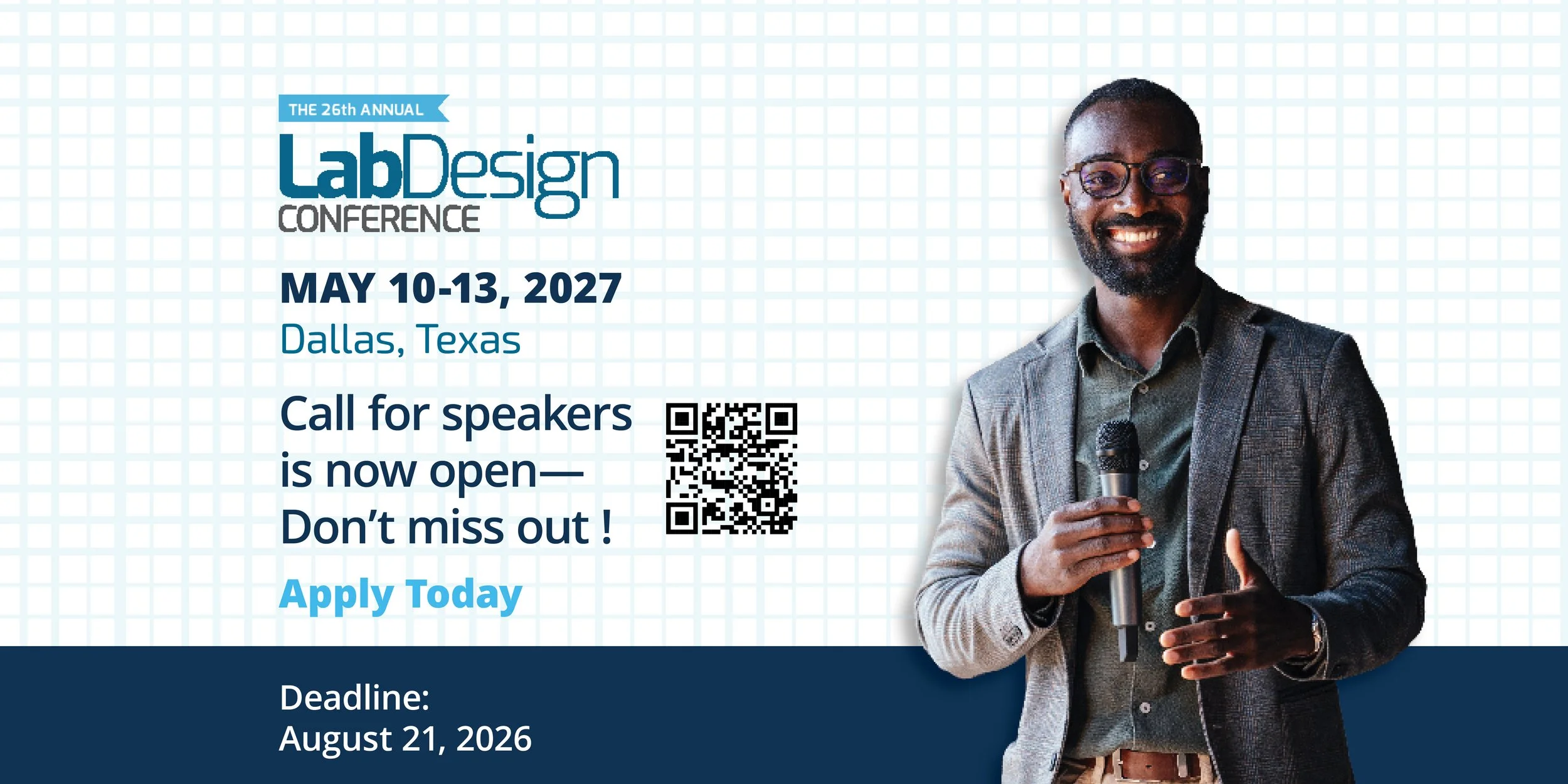
Why Lab Users Belong at the Lab Design Conference
The 2027 Lab Design Conference is seeking practical, non-commercial presentations from lab users, facility stakeholders, and project teams willing to share honest lessons learned—and attendees will gain valuable insights to help guide their own laboratory projects
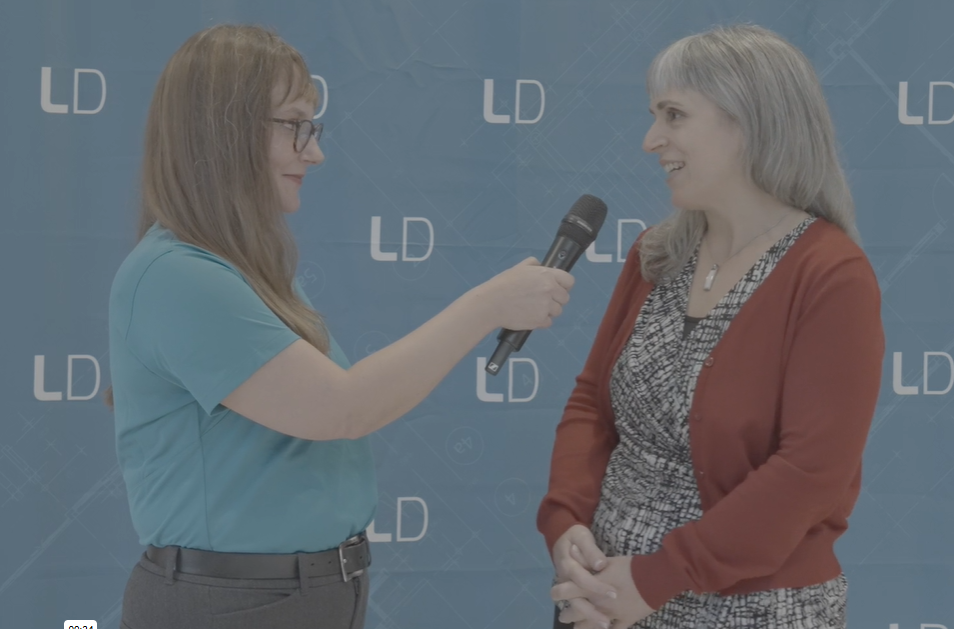
Why Holistic Planning Leads to Better Labs: On the Floor at the Lab Design Conference
In this video interview from the 2026 Lab Design Conference, Aimée Smith of RWDI and the Lab Design editorial board shares practical advice for designing high-performing, sustainable laboratories
Field of Dreams in West Texas
Mortui vivos docent: How “the dead teach the living” shaped a new vision for the Lubbock County Medical Examiner’s Office
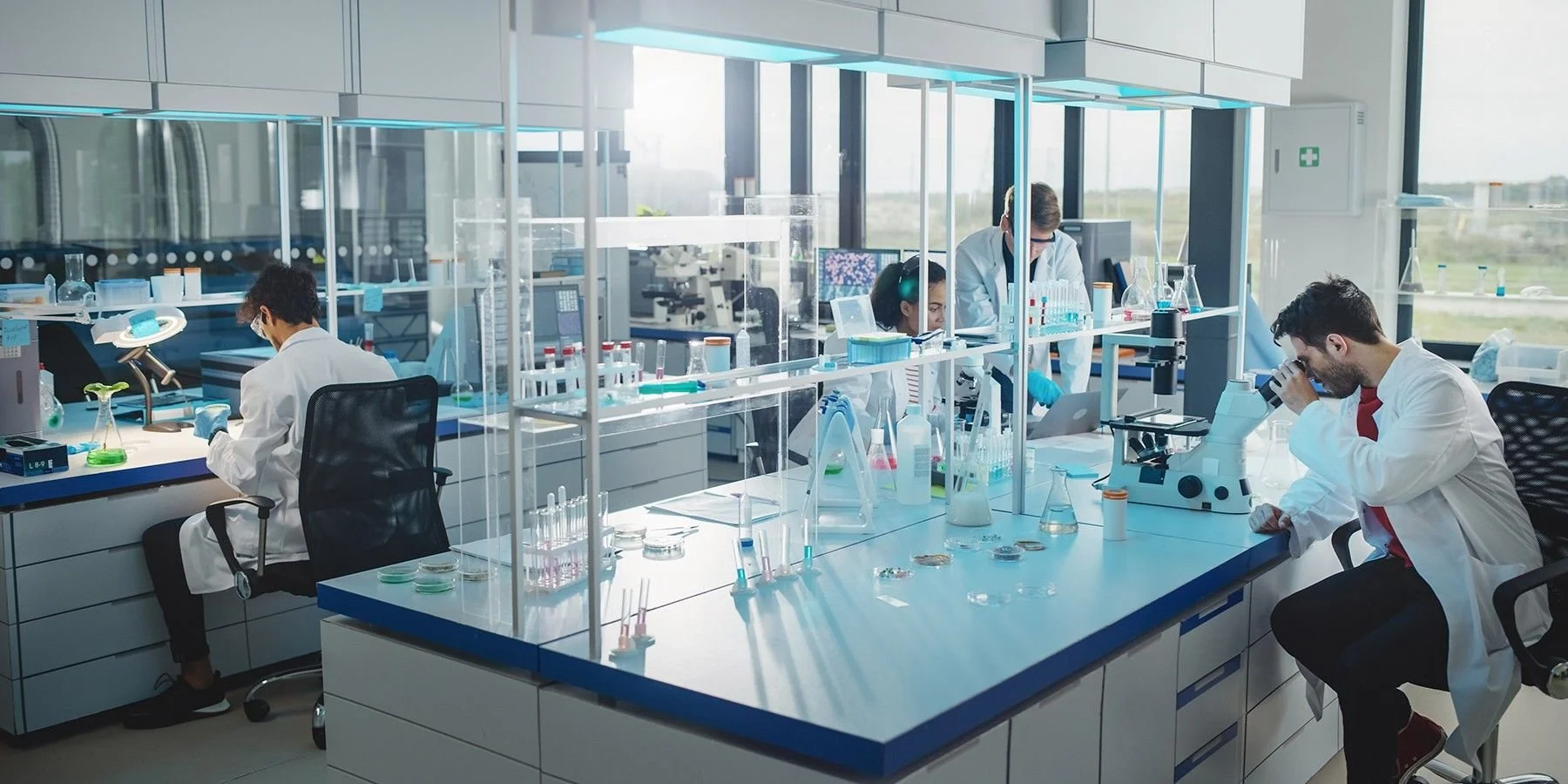
Why Facilities Teams Should Have a Seat at the Lab Design Table
Facilities management teams are moving upstream in lab design—bringing critical operational insight early in the process to ensure spaces are functional, maintainable, and adaptable long after construction is complete
Professional Profile: Fabio Forlizzi
Fabio Forlizzi, senior associate with Arcadis in London, discusses his journey into laboratory design, the growing importance of adaptable and sustainable science facilities, and the value of human-centric, technically driven design in shaping the future of labs