
Professional Profile: Fabio Forlizzi
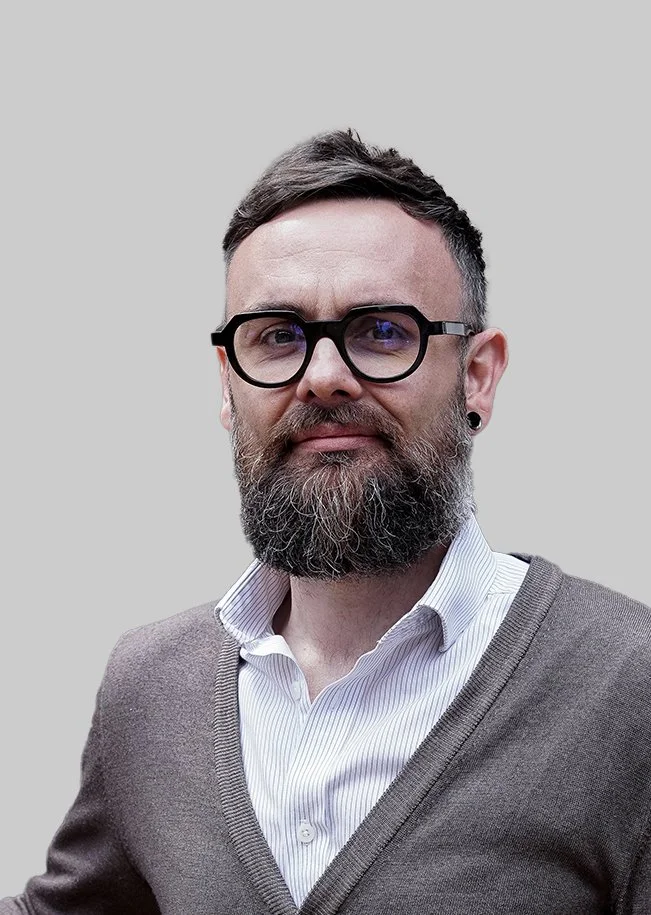
Fabio Forlizzi, senior associate, Arcadis
Fabio Forlizzi has joined Arcadis in London, UK, as senior associate. Lab Design News spoke to Fabio about his path into laboratory design, the trends shaping the future of science facilities, and his advice for the next generation of lab architects.
Q: What sparked your interest in designing labs—was there a defining moment that led you to this career?
A: It was completely fortuitous! During my time working at BDP, I was asked to work on the Discovery Centre in Cambridge, which at the time was still under design. That project became my first exposure to laboratory design, and it happened to be one of the most advanced and cutting-edge science facilities in the UK.
Working on such a complex and high-profile project sparked a strong interest in science buildings, and from that moment my passion for laboratory design grew rapidly. Projects like the Discovery Centre are often milestones in an architect’s career; for me, it marked the starting point of my specialisation in laboratory and science architecture.
Q: If you could collaborate with any architect, designer, or scientist (past or present), who would it be and why?
A: Throughout my career so far, I have been fortunate to collaborate on projects designed by leading practices such as Foster + Partners, Herzog & de Meuron, and RSHP. Each experience has been valuable and influential.
If I had to choose one architect, however, it would be Renzo Piano and the Renzo Piano Building Workshop. Their architecture aligns exceptionally well with the complexity of science buildings, particularly in the clarity of their technical language and their thoughtful, visionary use of materials and building systems. That balance between precision, innovation, and human experience is highly relevant to laboratory design.
Q: What trends are you seeing in lab design that you think will shape the future of the industry?
A: There are ongoing discussions around emerging technologies such as artificial intelligence, robotics, and quantum computing, all of which will undoubtedly influence research methods and scientific procedures in the future.
From a laboratory design perspective, however, my focus is on how we create facilities that are resilient and adaptable over time. Sustainability, retrofit, and reuse are becoming critical pillars of laboratory design, particularly given the rapid evolution of science and technology. Designing buildings that can accommodate change without constant replacement will be essential to strengthening the long-term value and relevance of science architecture.
Q: What strategies do you use to engage scientists and researchers in the design process and gather meaningful input?
A: Laboratories can be highly complex work environments with demanding engineering requirements, so the design process must begin with the users. A human-centric approach, understanding how people work, interact, and use equipment is the first priority.
Building a strong and continuous relationship between users and the design team is fundamental throughout the engagement process. From there, laboratory spaces are developed step by step, following an inside-out approach that focuses on equipment, workflows, safety, and operational efficiency before resolving the architectural form.
Q: For someone entering this career field, what advice would you give them?
A: Becoming an architect specialized in science and laboratory architecture takes time and commitment. These environments are very different from more familiar building types such as housing, schools, or libraries, and the technical and functional requirements are particularly demanding.
Technical performance often takes precedence over purely creative aspirations, so it is important to genuinely enjoy technical challenges while maintaining a strong focus on creating high-quality spaces for people. My advice would be to stay curious, embrace complexity, and seek opportunities to work on innovative, unusual, and highly technical projects early on in your career.