Why Facilities Teams Should Have a Seat at the Lab Design Table
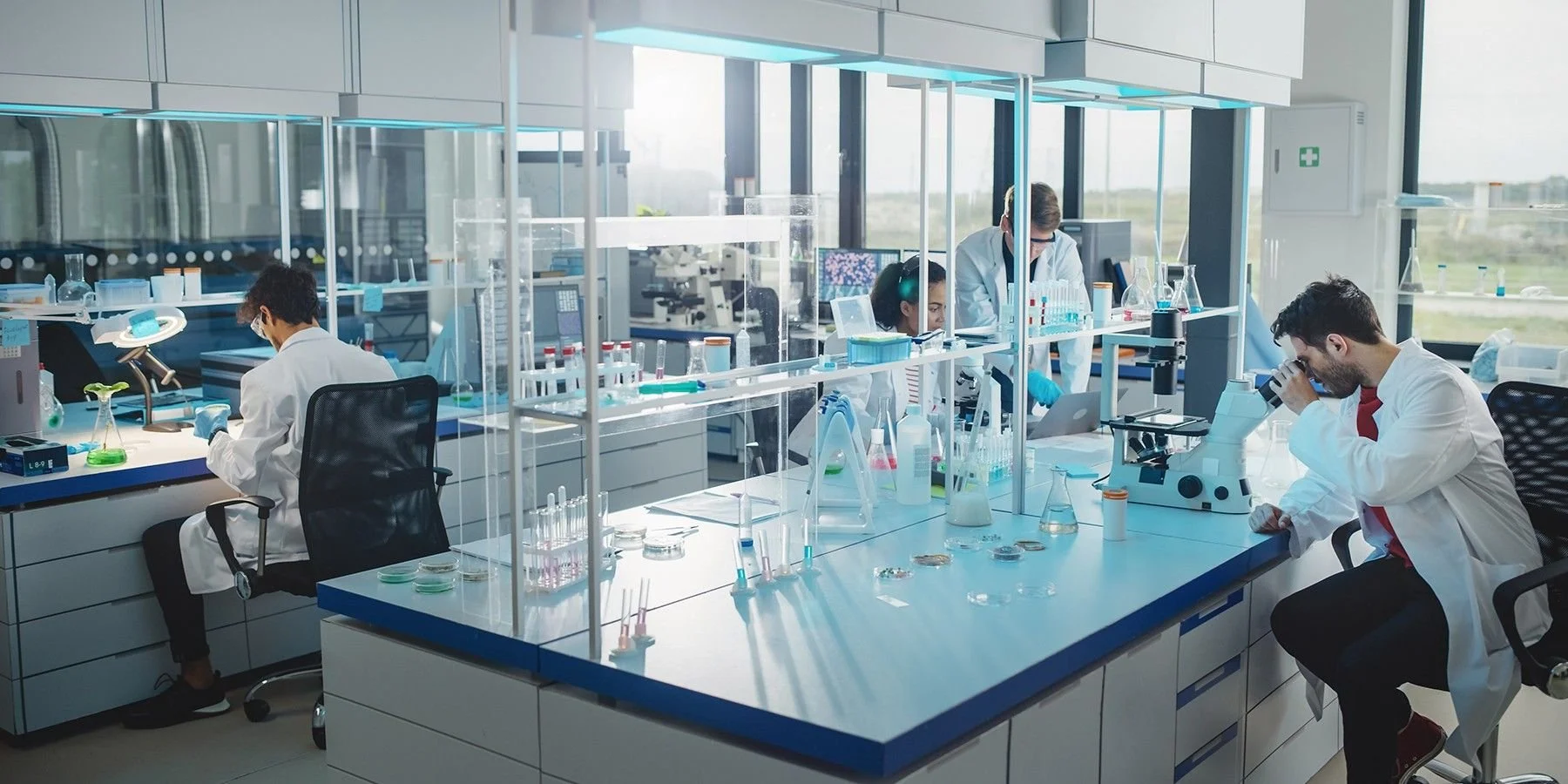
For decades, facilities management teams have largely been brought into laboratory projects after the most critical design decisions were already made—tasked with operating and maintaining spaces they had little role in shaping. But that model is starting to shift. Increasingly, organizations are recognizing that facilities expertise is not just operational—it is strategic.
Facilities management teams are helping lead this evolution, advocating to be embedded early in the planning and design process. The goal is simple: create laboratories that don’t just look good on paper, but function effectively over the long term.
This shift is being driven in part by a persistent frustration among lab users. Too often, beautifully designed spaces fail to support the realities of day-to-day work. Workflow inefficiencies, inaccessible systems, and poorly placed utilities can undermine productivity and create costly operational challenges.
Designing for real-world functionality
According to Pam Paddock, managing director, life sciences at JLL, many of these issues stem from decisions made without sufficient operational input. “Functionality can be easily disrupted by lack of good planning around the placement of utilities, the flow within a space, what is actually placed inside a lab versus what is and or can and should be placed outside the lab,” she says. These considerations, while not always visible in early design renderings, have a direct impact on how effectively a lab operates once occupied.
One of the clearest examples is in building systems. HVAC, piping, and access points are often finalized during design, but their long-term performance depends heavily on maintainability. Without facilities input, critical components can end up difficult or even impossible to access.
“I've experienced more than one time the very difficult placement of piping under duct work, or unusual placement of a sprinkler head, or the lack of forethought of having to get to an access panel above a ceiling after the fact,” says Paddock. These oversights can lead to ongoing maintenance challenges and disruptions that could have been avoided with earlier review.
Bringing facilities teams into the design phase allows these issues to be identified before construction begins. It also creates opportunities for ongoing validation throughout the build process. “A review at the design phase is really great thing for a facilities organization to be able to do,” Paddock notes, adding that construction walkthroughs—particularly open ceiling inspections—provide another chance to catch discrepancies between design intent and real-world conditions.
Balancing aesthetics with durability and flexibility
Beyond systems coordination, facilities teams offer valuable insight into materials, durability, and lifecycle performance. Design choices that prioritize aesthetics over practicality can create long-term cost and maintenance burdens.
“When you start to look at the materials and the finishes inside a lab, if something is being designed for design’s sake, a selection might be made that looks great but isn't going to hold up over time,” Paddock says. Facilities professionals, with their experience maintaining these environments, are well positioned to guide selections that balance performance, flexibility, and cost.
Flexibility itself is another area where early facilities involvement can pay dividends. As research needs evolve, labs are increasingly expected to adapt, sometimes shifting between dry and wet functions or accommodating new technologies. Designing for that adaptability requires foresight.
“If the intention is to to maintain that space as being quite flexible, you're going to want to make sure that you're taking those considerations [into consideration]. A dry lab may need to convert, ultimately, to a wet lab, or a wet lab to a dry lab,” Paddock says. “Building those opportunities in from the beginning will make life cycle costs lower as change happens in the day to day.”
Connecting design intent with user needs
Crucially, facilities teams also act as a bridge between design intent and user experience. When labs are designed without sufficient input from either group, disconnects are almost inevitable.
“To the greatest extent possible, include with the facilities organization, getting the voice of the end user in the design process,” Paddock emphasizes. “There are occasions when something is designed completely in a vacuum and… it looks great, but the voice of that end user or that researcher didn't get included.”
This collaborative approach is becoming more common as labs grow more complex and technologically advanced. Facilities teams are no longer just maintaining systems—they are contributing knowledge about emerging tools, automation, and operational best practices.
“A really good facilities organization is going to bring that strategic thinking into the process,” Paddock says, noting that many are now proactively seeking involvement rather than waiting to be invited.
Getting involved early, and staying involved
The key, she adds, is timing. Facilities input should begin at the earliest planning stages, not after design drawings are complete. “The conversations can and should be happening from the very beginning, so that the team really becomes cohesive,” she says. “It’s not just waiting until a design drawing is ready.”
Responsibility for initiating that collaboration can fall to multiple stakeholders—owners, designers, or facilities teams themselves. But regardless of who starts the conversation, the outcome is the same: better-performing labs.
Ultimately, the message is clear. Laboratories are too complex—and too critical—to be designed in silos. As Paddock puts it, “Lab functionality is critical to success, and leveraging a trusted partner in designing, building and managing Labs is the best way to assure that the functionality and flexibility is instilled from the beginning and remains over time.”
For organizations looking to avoid the common pitfalls of lab design, the solution may be less about new technologies or design trends, and more about who gets a seat at the table.