Professional Profile: Ivan Ross
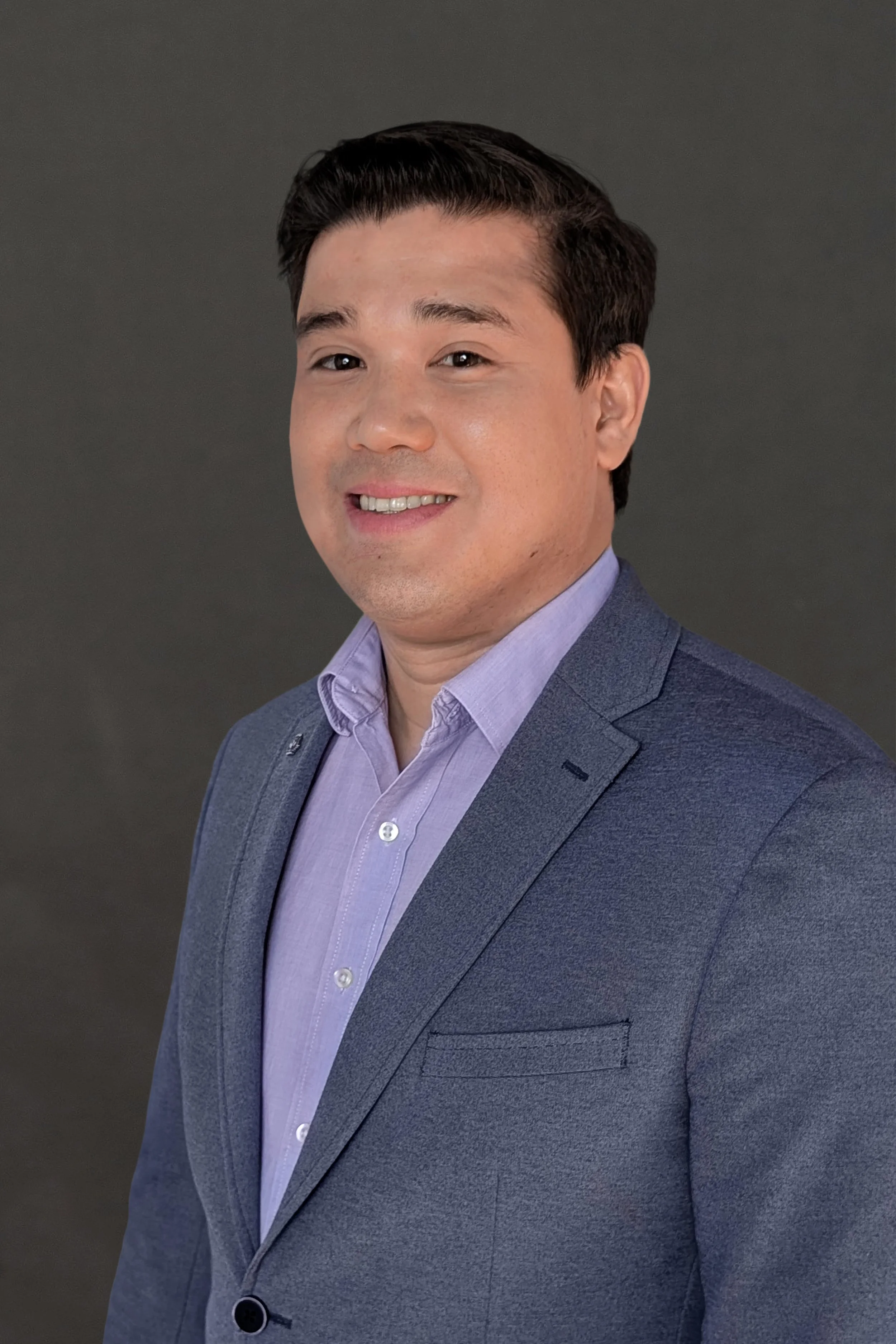
Ivan Ross, laboratory architect, HERA Laboratory Planners
Ivan Ross has joined the Denver, CO office of HERA Laboratory Planners as a laboratory architect. Lab Design News spoke to Ivan about his career path into lab design, the growing influence of AI and automation in laboratory planning, and the importance of communication and user collaboration in creating high-performing lab environments.
Q: What sparked your interest in designing labs—was there a defining moment that led you to this career?
A: The start of my career involved working on university STEM classrooms and labs. The concept of “form follows function” had always been a core value of mine, and it quickly became clear that lab design also strongly aligned. Furthering my career, I branched out into private lab and medical equipment manufacturing design, learning about chemical requirements and analysis.
Q: If you weren't in this profession, what job would you like to have instead?
A: I would have probably enjoyed being either a professor in a university or perhaps a game designer. I feel like the former is still a possibility for something far later in my career.
Q: How do you see AI and automation influencing lab design in the coming years?
A: I see potential opportunities to use AI systems for programming applications. This would include things like existing building analysis by reading existing floor plans and structure, or potentially extrapolating from adjacency requirement information to develop preliminary layouts based on different priorities.
Q: What is one important “soft skill” that all lab design experts should have?
A: Listening in a way that makes users feel heard is incredibly valuable. In this profession, many users are highly experienced in their fields and may have been envisioning their ideal labs long before we join the project. Because of this, their ideas can be very personal, and outside feedback may feel critical at times. Taking the time to truly listen and understand their design intent helps build trust and creates opportunities to collaborate on solutions that ultimately improve the final design.
Q: How do you approach designing a laboratory that balances functionality, safety, and sustainability?
A: Start by talking with the users regarding their needs. This is to right-size the labs based on how they currently operate, whether they need to change how they operate, and if the space needs to be designed to scale up with time. Map out personnel, equipment, and material flows through the building to define any “turbulence nodes” where bottlenecks could occur, and work through the design to either accommodate for the flow or adjust the paths.
Q: What kinds of hobbies or interests do you have outside of work?
A: I enjoy snowboarding, traveling, videogames with friends, and puzzles.
Q: What is your favorite vacation spot?
A: Prague, Czechia. I studied abroad there for a semester in college, and I wish I could have stayed there longer. It’s a city that retained much of its architecture through World War II, and they’ve done a fantastic job of keeping those buildings active today.
Q: What are you most looking forward to in this new role?
A: I’m looking forward to further refining my expertise and having the opportunity to see more variety of laboratories. What draws me to this industry is that the technology is constantly being updated. What worked yesterday will likely be updated for today and will need to be further refined for the future. It just feels like I’m getting an opportunity to see the cutting edge of how the world will work.