
[[bpstrwcotob]]
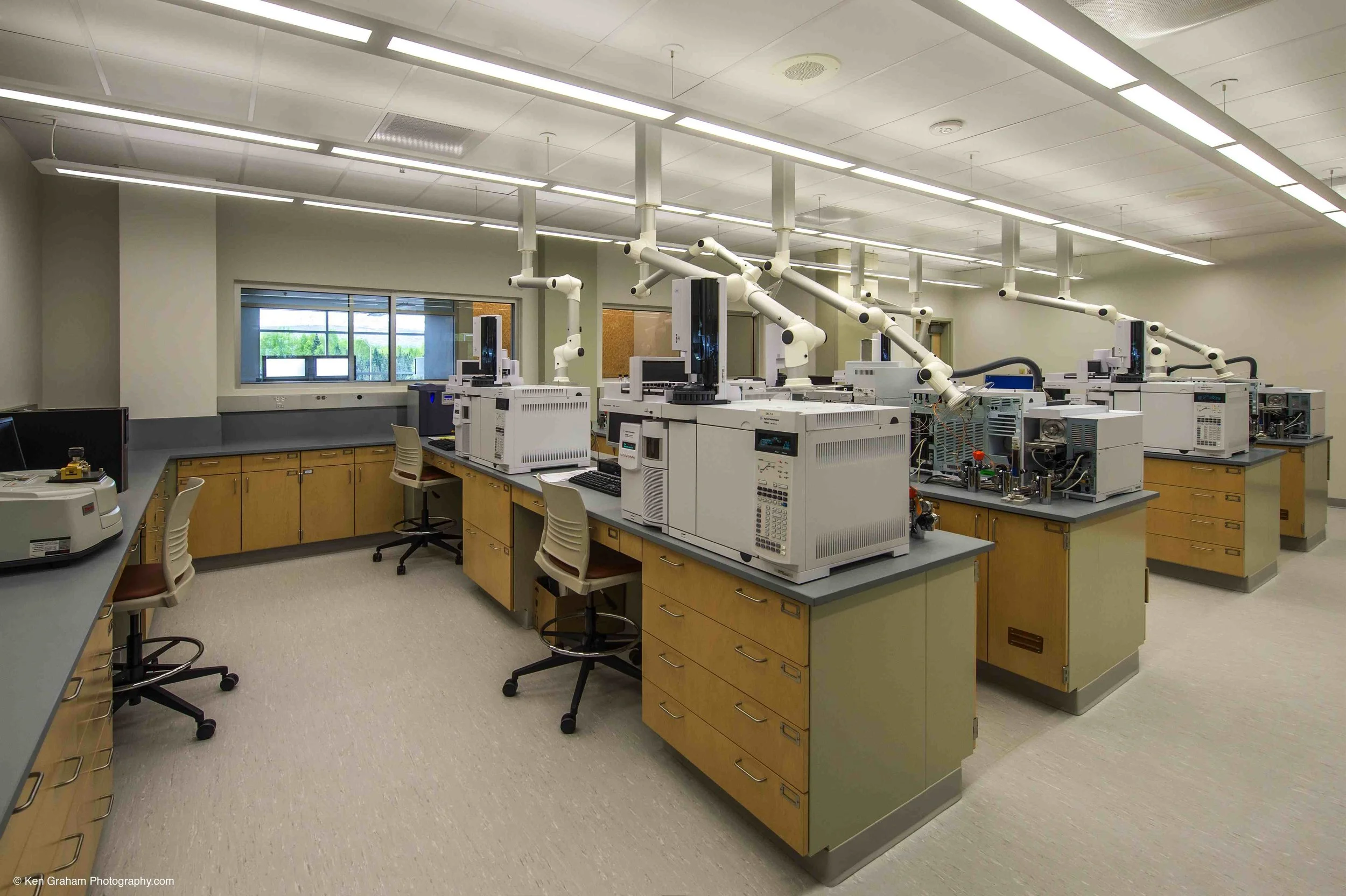
Invisible Risk: Why Ultra-High Purity Gas Systems Demand Specialized Design and Installation Expertise
In laboratory design, ultra-high purity (UHP) gas systems demand specialized specifications, materials, and qualified installation practices—distinct from standard high-purity or medical gas systems—because even trace contamination can undermine instrument performance, data integrity, and overall project success
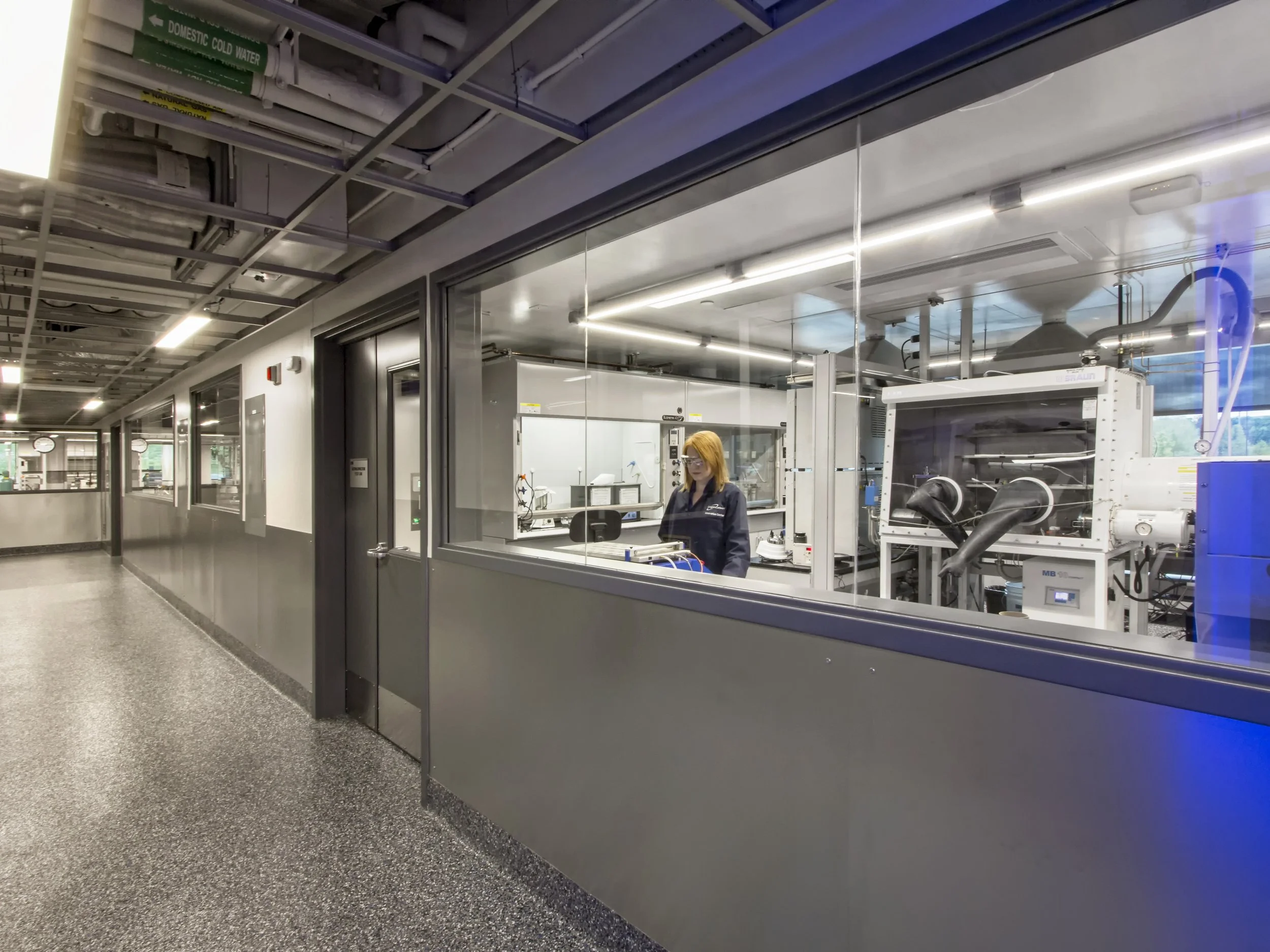
An Operations-First Framework for Lab Renovations
Renovating active laboratories offers a cost-effective alternative to new construction but requires a highly strategic, operations-centered approach to upgrade facilities and integrate new technologies while minimizing disruptions to critical, ongoing work
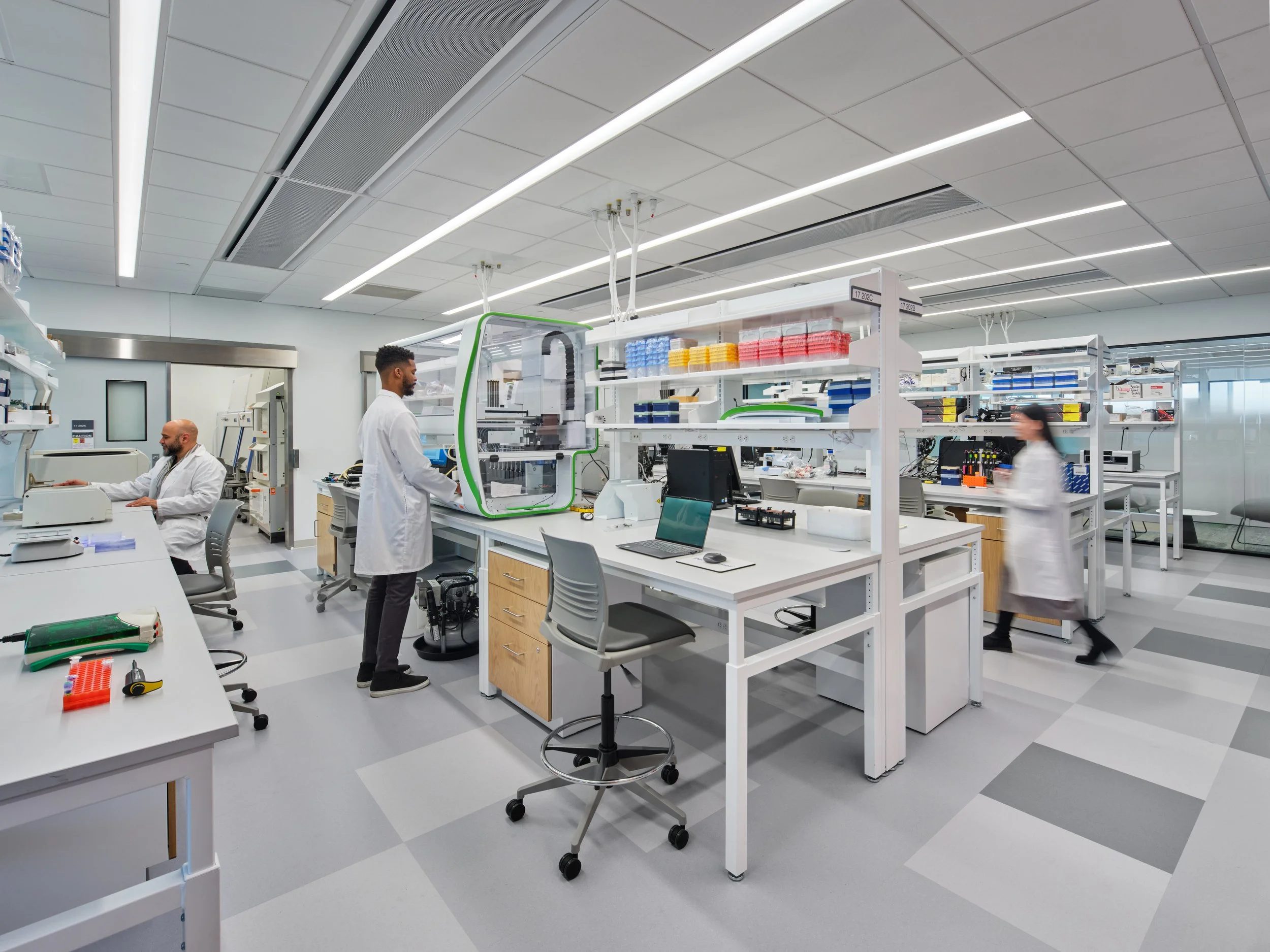
How AI Is Reshaping Lab Design
AI is reshaping lab design and operations by changing how space is used, how infrastructure is prioritized, and how workflows are structured—driving a shift toward more flexible, data-driven, and automation-ready environments that can evolve alongside science and technology
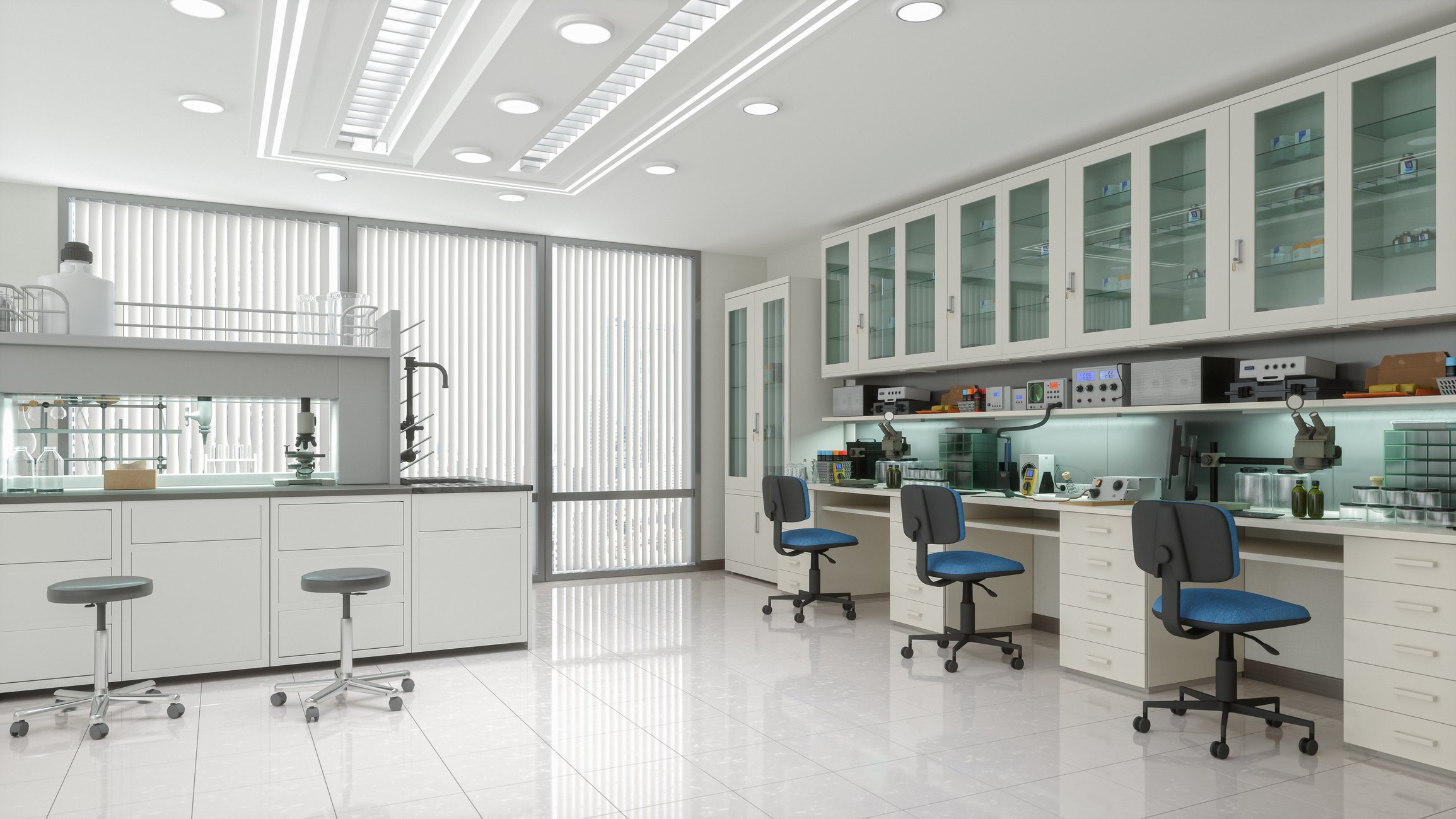
Installing and Upgrading Water Monitoring Systems in Laboratory Facilities
From infrastructure constraints to workflow integration, water monitoring systems require thoughtful coordination to deliver long-term value in both new and existing labs
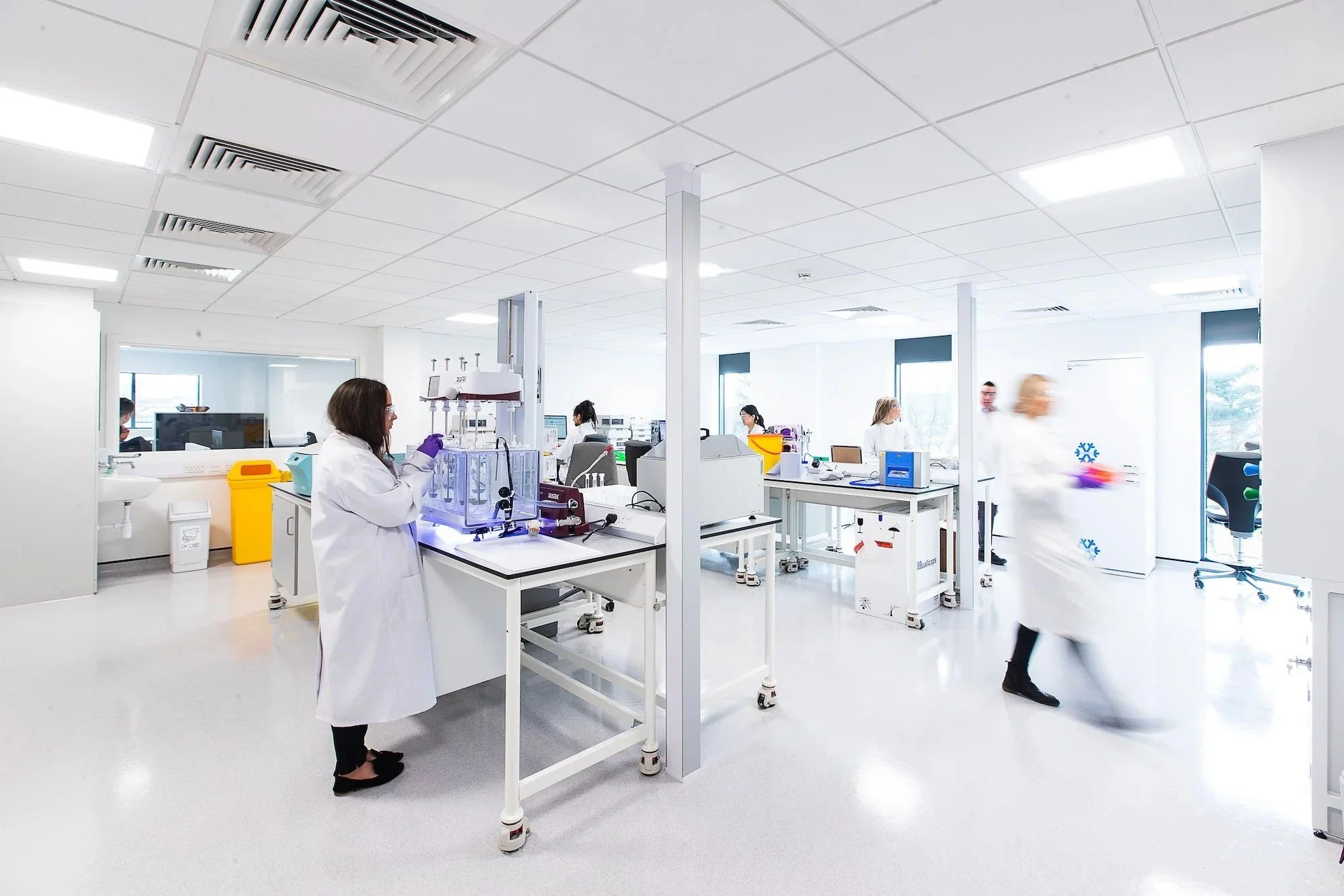
Lab Space That Works: Lessons for Start-Ups and Incubators
Start-up labs and incubators face a unique challenge: building spaces that support groundbreaking research while meeting real-world operational and leasing demands
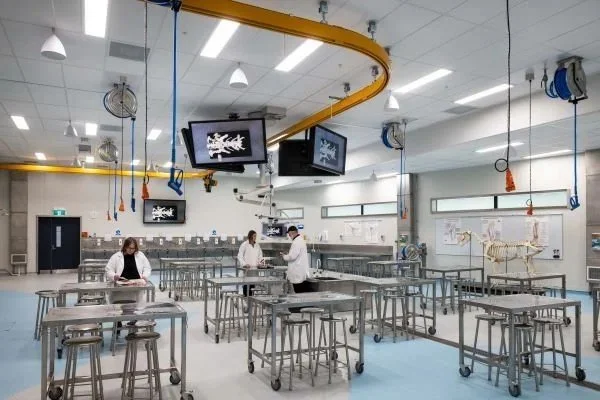
Design Strategies for Modern Veterinary Facilities
Veterinary laboratory projects increasingly demonstrate how design is being used as a strategic tool to support education, healthcare, animal welfare, workforce expansion, and public health while adapting to evolving operational demands and aging infrastructure
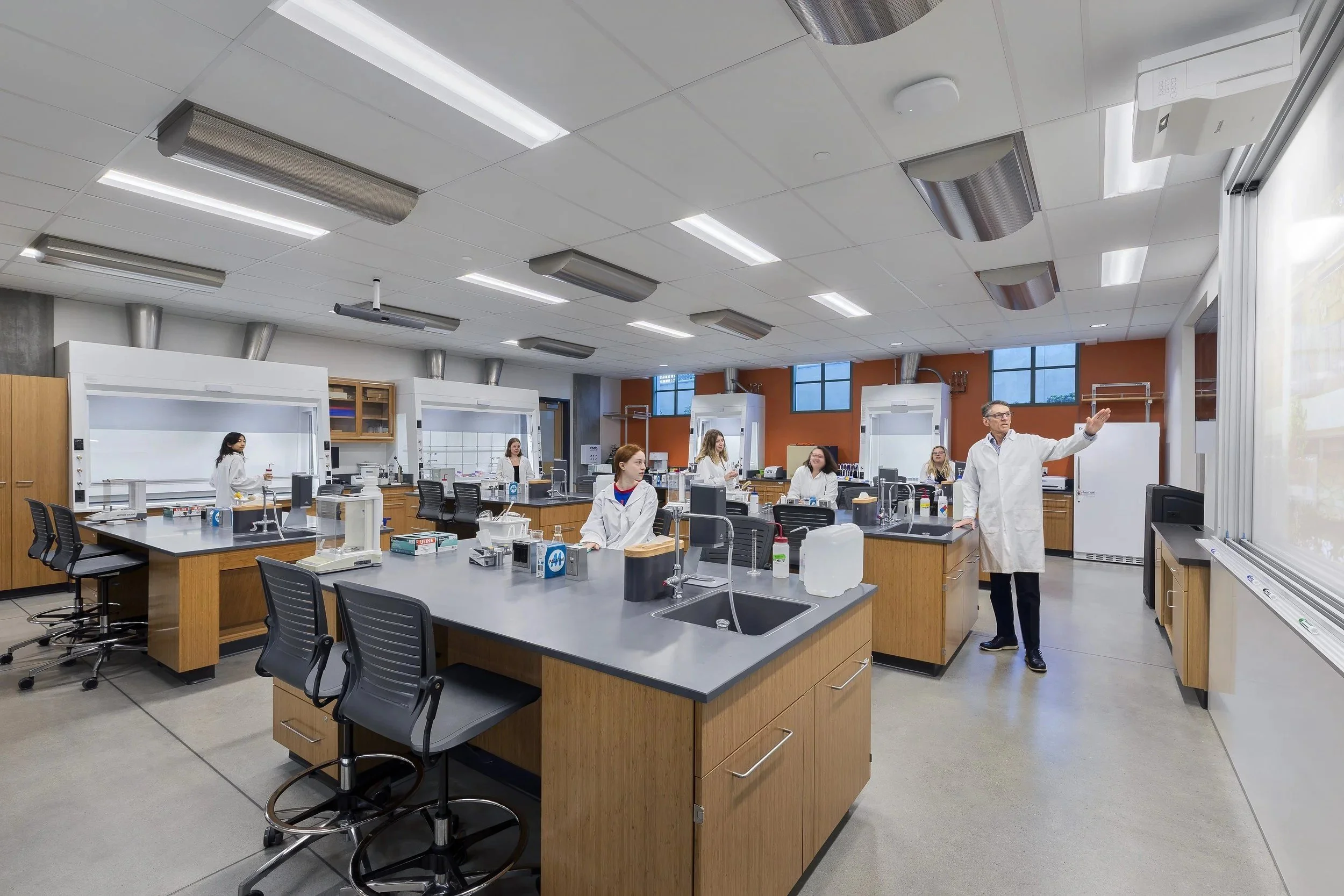
Shared Lab Spaces: Designing for Collaboration, Flexibility, and Innovation
Shared laboratory spaces are increasingly being adopted across academia, start-ups, and industry as flexible, collaborative environments that support innovation, sustainability, and human-centered design while meeting technical and regulatory requirements
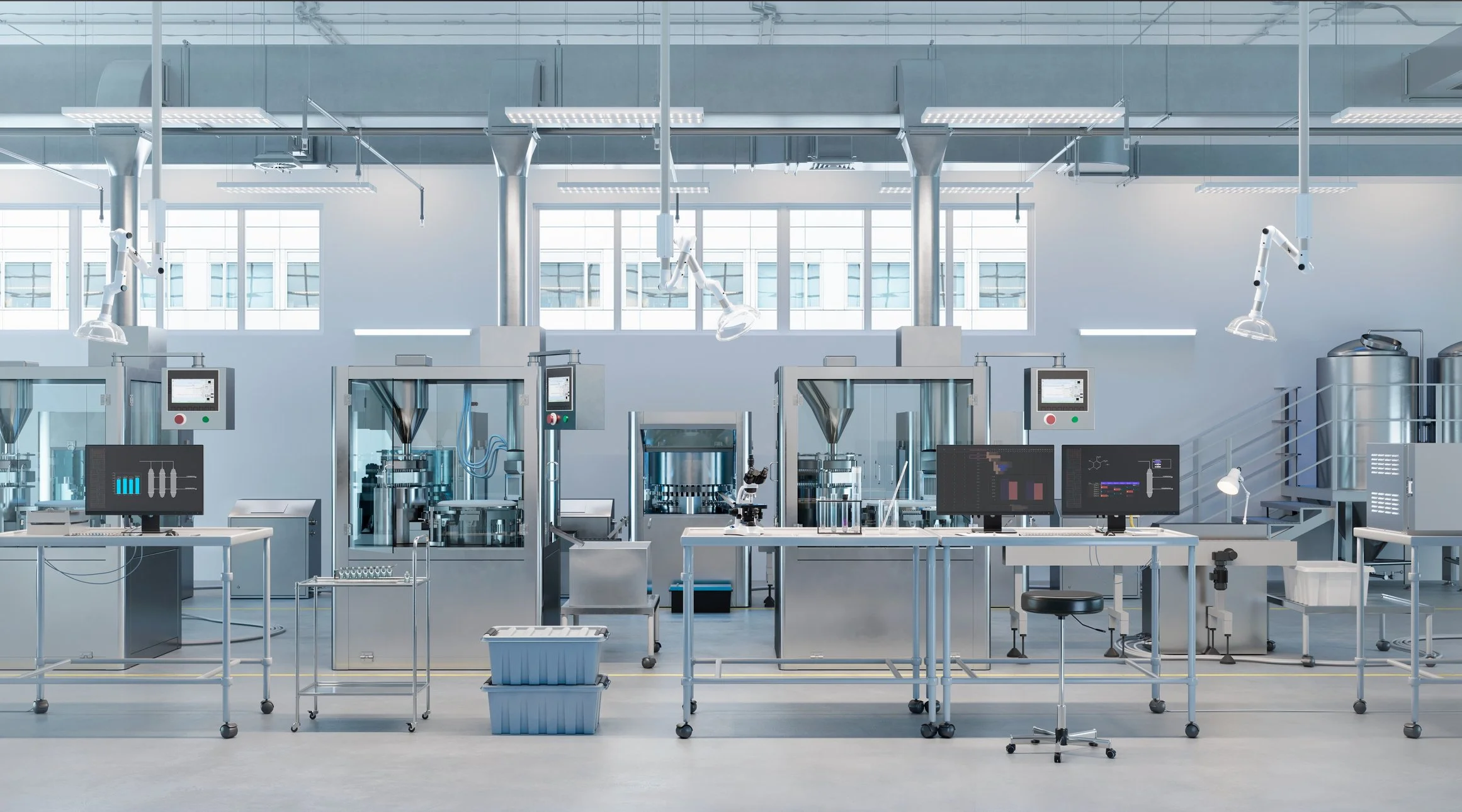
Designing for Automation: Lessons Learned from the Next Generation of Smart Laboratories
Automation is transforming labs across every sector, but the real success factor isn’t the robots themselves—it’s how thoughtfully facilities are designed to support workflows, infrastructure, data, sustainability, and people

Life Sciences Real Estate: Adjusting to a More Disciplined Market
After a period of rapid expansion and correction, the US life sciences real estate market is beginning to stabilize in a tenant-favored environment, with recovery led by major biotech hubs and demand increasingly concentrated in high-quality, purpose-built lab spaces that meet the specific needs of established pharmaceutical companies and emerging AI-driven biotech firms
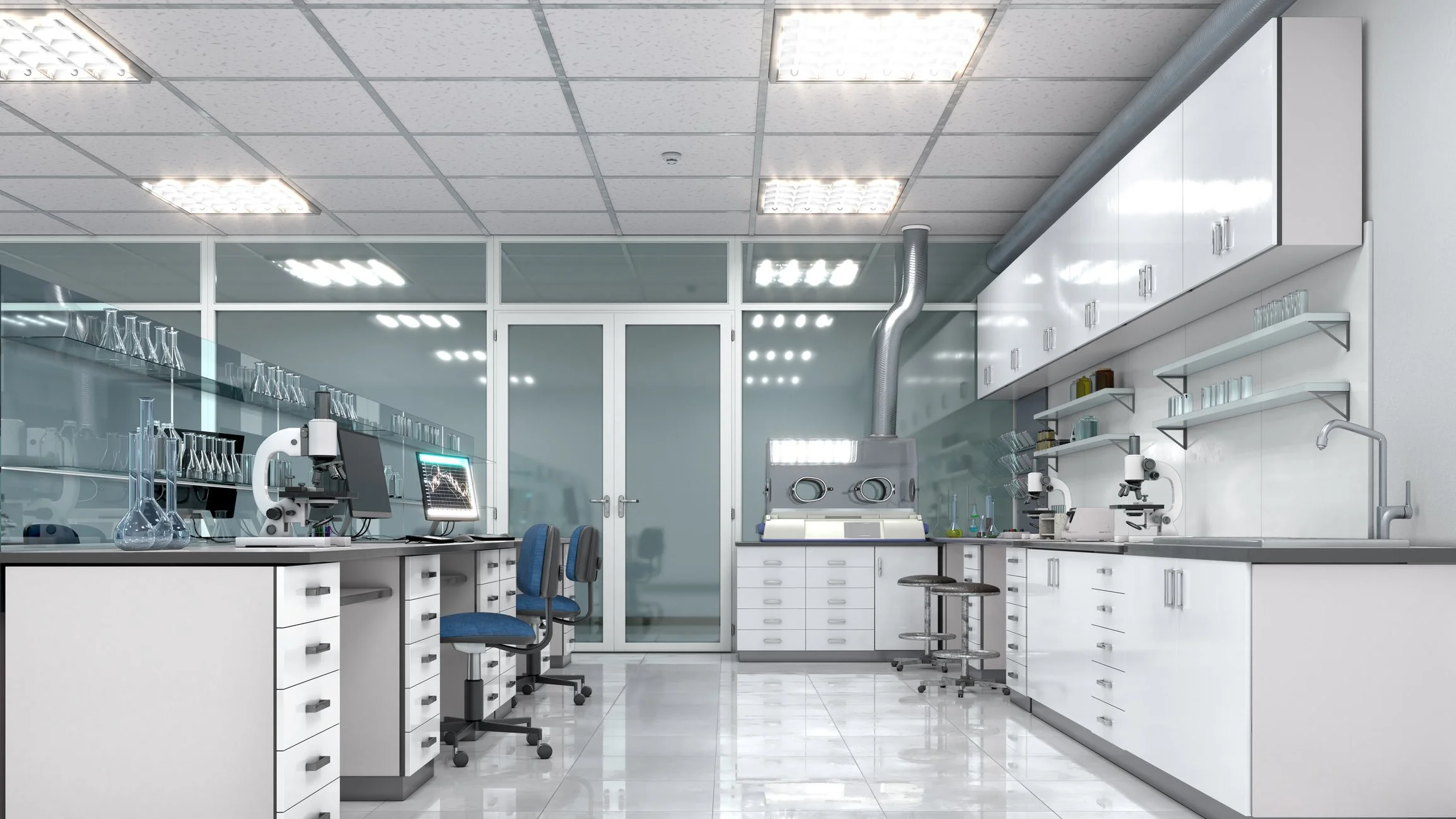
How Turnkey Managed Services Can Help R&D Facilities Meet Net-Zero Goals
Turnkey managed services offer research laboratories an integrated, data-driven approach to achieving net-zero goals—simplifying complex projects, improving efficiency and resiliency, and delivering measurable sustainability and financial outcomes